
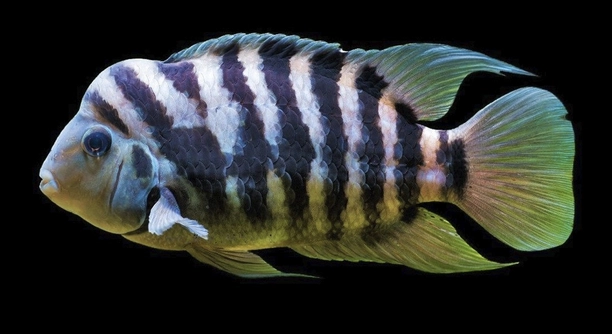
Cichlids are popular aquarium fish known for their vibrant colors and active behavior. Many fishkeepers enjoy exploring different ways to interact with and train their aquatic pets. Light cues offer a potential method for communication with these fish.
Training cichlids using light cues is possible through consistent conditioning, where the fish learn to associate specific light signals with feeding or other behaviors. This method relies on the fish’s natural responsiveness to visual stimuli and can improve interaction.
Exploring light cue training can enhance your understanding of cichlid behavior and strengthen your connection with these fascinating fish.
Understanding Cichlids’ Response to Light
Cichlids are visually oriented fish, meaning they rely heavily on sight to navigate their environment. Their eyes are adapted to detect changes in light and color, which helps them in finding food and recognizing threats. Because of this, light can be an effective tool to communicate or influence their behavior. When a consistent light signal is paired with a routine action, like feeding, cichlids can learn to associate the two. This process is known as conditioning. It takes patience and repetition to build this connection, as the fish need time to recognize the pattern. Using light cues can also help reduce stress during feeding times or tank maintenance by preparing the fish for what’s coming. However, it’s important to avoid sudden or overly bright lights, as these can cause stress or harm their sensitive eyes.
Light sensitivity varies by species, so adjusting light intensity to match your cichlids’ needs is crucial.
Training with light cues involves gradual exposure and consistency to build reliable associations.
Setting Up Light Cues for Training
Start by choosing a light source that can be easily controlled, like an LED light or flashlight. The light should be bright enough to catch the cichlids’ attention but not so intense that it causes discomfort. Next, decide on a simple signal, such as turning the light on for a few seconds before feeding. This signal needs to be consistent every time you feed your fish. Over several days, the fish will start to link the light cue with the arrival of food. It is helpful to perform this routine at the same time daily to reinforce the behavior. Avoid using multiple light signals to prevent confusion. Observing how your fish respond during training sessions can guide you in adjusting the timing or intensity of the light. Keep sessions short and positive to encourage engagement without overwhelming the fish. Patience and regular practice are key to success in this training method.
Common Challenges When Training Cichlids
Training cichlids with light cues requires patience. Fish may not respond immediately and could take several days or weeks to learn the association. Distractions in the tank, such as other fish or sudden movements, can interrupt the training process and delay progress.
Inconsistent training routines often cause slow or no progress. Changing the time or duration of light signals may confuse the fish. Stress from poor water quality or overcrowding can also reduce responsiveness. Additionally, some cichlid species are more independent or less visually focused, which affects their ability to learn light cues. Monitoring these factors helps improve training results and ensures a smoother learning experience for the fish.
It is important to keep training sessions short and stress-free. Avoid using harsh or sudden lighting, as this can frighten cichlids and make them avoid the signal. Reinforcing positive associations by pairing light cues with feeding encourages better cooperation.
Tips for Effective Light Cue Training
Consistency is essential when training cichlids with light cues. Use the same light intensity and timing every session to help the fish recognize the pattern. Short, frequent sessions are more effective than long, irregular ones.
Positive reinforcement, such as feeding immediately after the light signal, strengthens the learned behavior. It is also helpful to maintain stable tank conditions, including clean water and proper temperature, to reduce stress. If your fish show signs of distress or disinterest, pause training and resume later. Patience and observation are key to adapting the method for your cichlids’ unique behavior.
Light Cue Equipment Options
A simple LED light or small flashlight works well for training cichlids. These tools allow precise control of light duration and intensity. Avoid strong or flashing lights that could stress the fish.
Using a timer can help maintain consistent light intervals during training sessions. This reduces human error and ensures regular signaling.
When to Use Light Cues
Light cues are most effective before feeding times or tank maintenance. These moments help prepare the fish for predictable activities, reducing stress and encouraging cooperation.
Signs Your Cichlids Are Responding
Watch for increased activity or movement toward the light source. This shows the fish are recognizing and reacting to the cue.
Repeated positive reactions indicate successful conditioning and improved communication with your cichlids.
Adjusting Training as Needed
If cichlids ignore the light cue, try changing the light’s position or duration. Patience and flexibility improve results.
FAQ
Can all cichlid species be trained with light cues?
Not all cichlid species respond equally to light cues. Some species are more visually oriented and social, making them easier to train with visual signals. Others may rely more on other senses or be less interested in interaction. It’s important to observe your specific species’ behavior before starting training.
How long does it usually take for cichlids to learn light cues?
The time varies depending on the species and individual fish. Some cichlids may start showing recognition within a week, while others might need several weeks of consistent training. Patience and consistency are key factors for success.
What kind of light is best for training?
A soft LED light or small flashlight is ideal because it provides clear, steady illumination without overwhelming the fish. Avoid bright or flashing lights, as they can cause stress or fear responses.
Can light cue training replace other forms of interaction?
Light cue training is a helpful addition but should not replace regular care and interaction. Physical environment, water quality, and diet remain the most important factors in your cichlids’ health and happiness.
Is there a risk of stressing the fish with light training?
Yes, if the light is too bright, used too frequently, or sudden, it can stress cichlids. Keeping sessions short and gentle helps prevent stress. Always monitor your fish for signs of discomfort during training.
Can light cues be used for behaviors other than feeding?
Yes, light cues can signal different routines, such as tank cleaning or medication times. Over time, fish can learn to associate light signals with various activities, which can reduce stress during these events.
What if my cichlids don’t respond to the light cues?
If there is no response after consistent training, try adjusting the light’s intensity, duration, or position. Make sure tank conditions are ideal and avoid distractions. Some fish may simply not respond well to this method.
How often should I train my cichlids with light cues?
Short daily sessions work best, ideally at the same time each day. Overdoing it can stress fish, so keep training to a few minutes to maintain their interest and comfort.
Can I train other fish species with light cues?
While many fish respond to visual signals, cichlids are especially suited due to their intelligence and social behavior. Other species may not respond as well or may need different training methods.
Are there any special considerations for young or newly acquired cichlids?
New or young fish may need time to settle before training begins. Stress from relocation or tank changes can affect their responsiveness. Start training once the fish appear calm and are eating regularly.
Does light cue training improve fish behavior overall?
Training can improve responsiveness and reduce fear, helping fish adapt better to daily routines. However, it does not replace proper tank care or provide enrichment like natural habitat elements do.
What signs show successful light cue training?
Positive signs include fish moving toward the light promptly, increased activity around feeding times, and reduced hesitation during routine care. These behaviors indicate the fish have learned to associate the light cue with specific outcomes.
Is special equipment required for light cue training?
No specialized equipment is needed. A simple controllable light source and patience are enough. Using timers or dimmers can improve consistency but are not mandatory.
Can light cue training cause aggression in cichlids?
Light cue training itself usually does not cause aggression. However, if multiple fish compete for food following the cue, aggression may arise. Managing feeding amounts and tank space helps reduce conflicts.
How do I maintain training results long term?
Regular reinforcement of light cues, especially before feeding, helps maintain learned behaviors. Infrequent or inconsistent training can cause fish to forget associations, so routine is important.
Final Thoughts
Training cichlids with light cues is a practical way to improve interaction and communication with your fish. It takes time and patience to build the connection, but consistent effort can lead to noticeable results. Using light as a signal helps cichlids anticipate feeding or other activities, which can reduce stress and make daily care easier. However, it is important to remember that not every fish will respond the same way, and success depends on the species and individual temperament. Some cichlids may learn quickly, while others might take longer or show little interest.
The key to effective training is consistency and a gentle approach. Short, regular sessions using a steady light signal paired with feeding create a clear association for the fish. Avoid sudden or overly bright lighting to prevent causing discomfort or stress. Maintaining a calm environment and good tank conditions supports your fish’s ability to focus and learn. Watching how your cichlids react during training allows you to adjust your method for better results. Training is not a quick fix but a gradual process that improves with steady care and attention.
While light cue training adds value, it should be seen as part of broader fishkeeping practices. Proper nutrition, tank maintenance, and a suitable environment remain the foundation of healthy cichlids. Training helps strengthen your bond and can make routine tasks less stressful, but it cannot replace essential care. By combining light cue training with good husbandry, you support your fish’s wellbeing and create a more engaging aquarium experience. Taking the time to understand your cichlids’ behavior and needs will make the training process more rewarding for both you and your fish.

Hello,
If you enjoy the content that we create, please consider saying a "Thank You!" by leaving a tip.
Every little bit helps us continue crafting quality advice that supports the health, happiness, and well-being of pets around the world, for pets of all shapes, sizes, and species.
We really appreciate the kindness and support that you show us!