
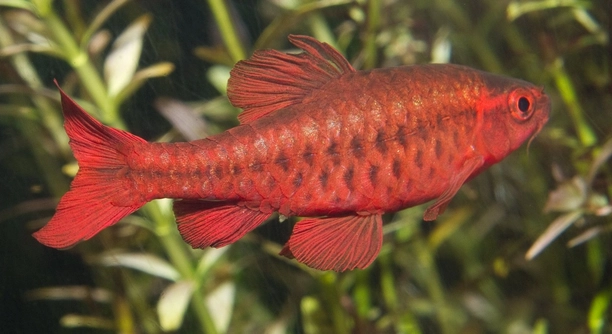
Cherry barbs are popular aquarium fish known for their colorful appearance and lively nature. Many aquarium enthusiasts enjoy interacting with their fish, and some wonder if they can train their cherry barbs to eat from their hands.
Cherry barbs can be trained to eat from your hand with patience and consistency. The process involves building trust and offering food regularly. Over time, the fish will associate your hand with feeding, making them more comfortable to approach.
With the right approach and care, you can successfully train your cherry barbs. This process is both enjoyable and rewarding for anyone interested in building a bond with their aquarium fish.
Why Cherry Barbs Can Be Trained to Eat from Your Hand
Cherry barbs are relatively easy to train compared to other aquarium fish. They are curious and have a gentle nature, which makes them more open to interaction. Unlike some fish that are skittish or overly cautious, cherry barbs are more likely to approach when they feel comfortable. This makes them ideal candidates for hand-feeding training.
When you start, patience is key. Fish need time to learn that your hand equals food. You will also need to create a calm and consistent environment. It’s best to feed them at the same time every day and avoid sudden movements to avoid scaring them. Over time, they will associate your hand with the reward of food.
Building this trust does not happen overnight. Cherry barbs, like many fish, are naturally wary of anything unfamiliar. But with persistence, they will begin to recognize your hand and feel safe enough to swim closer during feeding. This slow process encourages a stronger bond between you and your fish.
Preparing for Hand-Feeding
Before you begin training, it’s important to prepare your aquarium and establish a feeding routine. Make sure your tank is clean and the water is at the right temperature for cherry barbs. Keeping a consistent feeding schedule will help.
Feeding your cherry barbs at regular intervals will create a predictable routine. When they see your hand during these times, they will begin to associate it with food. This consistency helps reduce any anxiety the fish might feel, making them more likely to approach you. Additionally, avoid feeding them too much or too little to maintain a healthy balance.
What to Feed Your Cherry Barbs
Cherry barbs are not picky eaters, but a balanced diet will help them stay healthy. You can start with high-quality fish flakes or pellets that are designed for small tropical fish. These foods are nutritious and will attract them to your hand. It’s also beneficial to occasionally offer frozen or live food, such as bloodworms or brine shrimp. These types of food are especially enticing for fish and will help speed up the training process.
Be mindful not to overfeed, as this can lead to poor water quality and health issues. Small, frequent feedings are better for their digestive system and will keep your aquarium clean. With a bit of care and the right food, your cherry barbs will soon recognize your hand as a source of tasty treats.
Creating a Comfortable Environment for Training
The environment plays a huge role in the training process. Your cherry barbs will feel more at ease if the aquarium is peaceful and stable. Avoid sudden noises or movements that could startle them. A calm atmosphere is essential for helping the fish trust you.
Keep the aquarium free of disturbances. Dim lighting or adding plants for hiding spots can make them feel safer. If your fish feel stressed or threatened, they’ll be less likely to approach your hand. Over time, when they see that you’re not a threat, they’ll be more willing to interact.
Once they start getting used to you, try to sit quietly by the tank during feeding time. Cherry barbs tend to adjust quickly when they feel safe. This steady routine encourages their confidence and improves your chances of successfully training them to eat from your hand.
Consistency is Key
To successfully train your cherry barbs, consistency is essential. Feed them at the same time every day and use the same method. Whether you use your hand or a feeding tool, keep the process predictable. The more they know what to expect, the faster they will adjust.
Ensure your hand movements are slow and deliberate. Quick or jerky motions may startle them and set back the process. Over time, they’ll recognize that your hand equals food, making them more likely to approach. A consistent feeding schedule builds their trust and makes the process smoother.
Training your cherry barbs to eat from your hand takes time. With steady patience, a predictable routine, and gentle actions, they’ll soon recognize you as a source of food. They’ll grow more confident and may even swim to your hand without hesitation.
Avoiding Overfeeding
Overfeeding can hinder the training process. While it might seem like giving them more food will encourage them to approach, it can actually lead to unhealthy water conditions. Feeding them too much can cause stress and make the tank harder to maintain.
Stick to small portions to avoid waste. Overfeeding can also cause digestive issues for the fish, making them less active and less likely to interact with you. Keep an eye on how much they’re eating and adjust accordingly. Consistent feeding at the right amounts will make your cherry barbs healthier and more eager to approach.
Understanding Fish Behavior
Cherry barbs can be shy, especially in a new environment. If they’re not coming to you right away, don’t be discouraged. It’s normal for fish to be cautious, and some will take longer to get used to your presence.
Patience is key here. You’ll need to wait for them to build trust, and pushing them too fast can set the process back. Don’t rush; let the fish come to you on their own time. With the right approach, they’ll soon recognize that you’re safe to approach for food.
Dealing with Setbacks
If your cherry barbs aren’t responding as expected, don’t panic. There are many reasons why they might be hesitant, such as changes in the tank environment or water conditions. Check the water temperature and quality regularly, and ensure everything is in optimal condition for your fish.
Sometimes, they may simply need a bit more time. Keep up with your feeding routine and avoid making sudden movements. If you notice that they are still not responding after some time, it might help to reduce distractions in the tank, such as removing any aggressive tank mates.
FAQ
How long does it take for cherry barbs to eat from your hand?
The time it takes for cherry barbs to eat from your hand can vary. On average, it may take anywhere from a few weeks to a few months, depending on how comfortable the fish feel with their environment and the consistency of your efforts. The key is patience. You need to consistently feed them from your hand at regular intervals and ensure the tank environment is calm. If the water conditions are right and you are patient, the fish will begin to approach your hand for food.
What should I do if my cherry barbs aren’t coming to my hand?
If your cherry barbs aren’t responding, try reducing distractions in the tank. Ensure the water temperature, filtration, and overall tank conditions are ideal. If there are other fish that might be more aggressive or competitive for food, consider separating them during training. Keep your hand motions slow and gentle, as quick movements may startle them. Gradually try to lower your hand closer to the fish during feeding time, but don’t rush. The key is to allow them to build trust at their own pace.
Can I train other fish species to eat from my hand?
Yes, many other fish species can be trained to eat from your hand. The key factors are patience, consistency, and creating a calm environment. Fish that are less skittish and more curious, such as bettas or guppies, may respond faster to hand-feeding training. However, fish that are naturally more shy may take longer. The basic principles of hand-feeding training—using food as a reward and minimizing stress—apply to all species. Each fish may require a slightly different approach, but it’s entirely possible with most tropical fish.
What type of food should I use to train my cherry barbs?
To train your cherry barbs, you can use a variety of foods. High-quality tropical fish flakes or small pellets are a great place to start, as they are both nutritious and easily accepted. Offering occasional treats, like live or frozen brine shrimp, bloodworms, or daphnia, can entice your fish further. However, avoid overfeeding, as this can cause water quality issues. You can experiment with different foods to see which one gets the best response from your cherry barbs. Keep the food offerings small and consistent to maintain healthy tank conditions.
Can I train cherry barbs to eat from my hand even if they are already full-grown?
Yes, you can train adult cherry barbs to eat from your hand. While younger fish may be more curious and open to interaction, adult cherry barbs can still be trained with the right patience and consistency. The process may take longer, as they may be more set in their ways, but it’s definitely possible. Just make sure to avoid overfeeding and maintain a calm, consistent routine. Over time, adult cherry barbs will come to trust you as a food source and may start eating from your hand.
Is it normal for cherry barbs to be scared of my hand at first?
Yes, it is completely normal for cherry barbs to be cautious at first. Fish, by nature, tend to be wary of unfamiliar objects or movements. They need time to get used to you and understand that your hand is a source of food, not a threat. With consistent feeding and gentle movements, they will eventually learn to trust you. Don’t be discouraged if it takes some time—each fish is different, and some may take longer than others to adjust. The more patient and calm you are, the more likely they will be to approach your hand.
How often should I feed my cherry barbs while training them?
When training cherry barbs to eat from your hand, feed them once or twice a day. It’s important not to overfeed, as it can cause water quality issues and may lead to digestive problems. Offer small portions of food to encourage them to approach your hand. Over time, you can gradually increase the feeding frequency or amount if you notice that they are consistently eating. Remember, consistency is key in building trust with your fish, and providing food at the same time every day will help them associate you with feeding.
Can I use a feeding stick instead of my hand?
Yes, you can use a feeding stick if you’re not comfortable using your hand or if you want to avoid the risk of startling the fish. A feeding stick or a feeding tweezer can help you place food near the surface of the water where your cherry barbs are more likely to find it. The stick can also help maintain distance during the training process, especially if you have a more cautious fish. However, the ultimate goal is to get them comfortable eating from your hand, so once they respond to the stick, you can slowly transition to hand-feeding.
What if my cherry barbs stop eating from my hand after a while?
If your cherry barbs stop eating from your hand after a period of training, it could be due to a number of factors. Check the water quality to ensure that there are no changes in temperature, pH, or ammonia levels. Stressful events, like new tank mates or changes in lighting, can also cause them to lose interest in hand-feeding. If everything seems normal with the tank conditions, consider reducing the frequency of feeding and reintroducing the hand slowly. Fish behavior can be influenced by many factors, so it’s important to rule out environmental changes.
Final Thoughts
Training cherry barbs to eat from your hand is a rewarding process that requires patience, consistency, and a calm environment. While some fish may be naturally more open to hand-feeding, cherry barbs tend to adapt well, making them a great choice for this type of training. The key is to ensure that they feel safe and comfortable in their tank, as fish are naturally cautious of unfamiliar movements and objects. Over time, with regular feeding and gentle interaction, your cherry barbs will learn to associate your hand with food, and you’ll be able to enjoy this unique connection with your fish.
It’s important to remember that each fish is different, and some may take longer to warm up to hand-feeding than others. The process can take anywhere from a few weeks to a few months. During this time, continue to follow a consistent feeding schedule, avoid overfeeding, and minimize any disruptions in the tank. It’s also helpful to check the water quality regularly to ensure that your fish are in a healthy environment, as poor water conditions can cause stress, making training harder. Your fish’s well-being should always be a priority, and a happy, healthy fish is more likely to approach you during feeding time.
Patience is essential, and it’s okay if your fish don’t immediately start eating from your hand. It’s a gradual process, and building trust takes time. Don’t rush the fish or try to force them to interact. Simply offer food consistently, keep your movements slow, and allow them to approach at their own pace. Eventually, with the right approach, your cherry barbs will feel more confident and begin eating from your hand. The bond you create with your fish through this process will make the experience even more satisfying. Keep trying, and enjoy watching your fish grow more comfortable with you over time.

Hello,
If you enjoy the content that we create, please consider saying a "Thank You!" by leaving a tip.
Every little bit helps us continue crafting quality advice that supports the health, happiness, and well-being of pets around the world, for pets of all shapes, sizes, and species.
We really appreciate the kindness and support that you show us!