
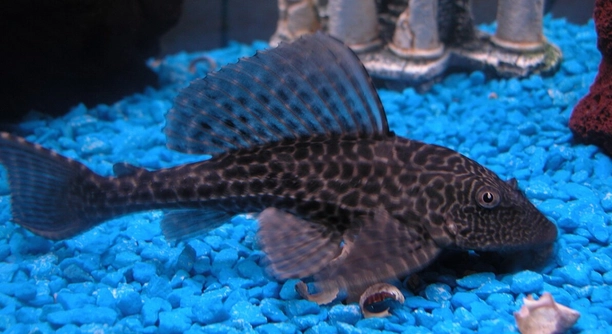
Plecos are fascinating freshwater fish that can add a lot of beauty to your aquarium. With their unique appearance and behavior, many aquarium enthusiasts want to know how to make their plecos more comfortable and well-behaved.
While it may not be possible to train a pleco in the same way you train other pets, they can become accustomed to feeding spots over time. With consistent placement and routine, plecos may associate certain areas with food.
With some patience and observation, you can create a feeding routine that plecos will learn to recognize. This can help your aquarium remain organized and ensure your fish get their meals on time.
Understanding Pleco Behavior
Plecos are naturally nocturnal and shy creatures, often spending their days hiding in caves or other quiet areas of the tank. They are peaceful fish but can be quite territorial, especially when it comes to food. In their natural habitat, plecos are bottom dwellers, often foraging at night. This behavior means that they don’t always respond to feeding times the way other fish might. Over time, though, plecos can learn where they’ll be fed, and they may become more comfortable coming out of their hiding spots during these times. By creating a consistent routine, you can encourage your pleco to stay in one spot for feeding.
Plecos are more likely to approach their feeding spot when they begin to associate it with food. Consistency is key in helping them feel secure enough to do so.
With patience, plecos can learn where their food will be placed, making it easier to monitor their feeding habits. You can use this behavior to ensure they are eating enough and getting the proper nutrients. However, be mindful of their need for privacy, as forcing them into open spaces can cause stress.
Factors That Affect Feeding Spot Training
Consistency and patience are the most important factors when training your pleco to use a specific feeding spot. Since plecos are shy by nature, changes in their environment can disrupt their habits. It’s essential to keep their tank setup stable. Keep the same spot for feeding every time to avoid confusion. Over time, your pleco will begin to recognize that the food will always be in the same place.
Fish, including plecos, are sensitive to changes in their environment. For example, if the water temperature fluctuates or there’s a sudden change in the tank’s setup, it may take a while for them to feel comfortable enough to approach the designated feeding area. Plecos thrive on stability, and knowing where their food will be placed allows them to feel safe. You can also experiment with different foods to see what excites your pleco. Offering their favorite meals at the same time and place every day will reinforce the idea that this is where the food is.
When setting up a feeding spot, remember to keep it in a quiet area of the tank, away from any active tank mates that may stress out your pleco. This will help create a peaceful environment, allowing them to eat without fear of being disturbed. Additionally, make sure the spot is easily accessible to the pleco. Having a feeding area that’s not too difficult to reach, especially if your pleco is older or less active, will encourage regular visits.
Plecos and Their Feeding Habits
Plecos are not aggressive eaters, but they do enjoy a steady, consistent food supply. They are known to graze on algae and leftover food, but if you want them to eat in a designated spot, you need to provide food they enjoy. With proper food choices, they can learn to return to that spot regularly.
Plecos have specific food preferences, often leaning toward algae wafers, vegetables like zucchini, and even certain types of sinking pellets. Offering these foods consistently in the same spot helps establish that area as their feeding zone. Over time, your pleco will come to expect food in this location. While they are nocturnal, with the right conditions, plecos can also be trained to feed during the day. This depends on the environment, but most importantly, it requires patience and repetition.
Understanding that plecos are shy will help you be more considerate of their feeding habits. They need time to adjust to feeding spots, so don’t force them to interact right away. Let them get used to the idea of food being available in one place, and they will likely grow more confident. When they recognize the spot as a safe place to eat, you’ll see them visit more often.
Maintaining Consistency in Feeding Routine
When training your pleco to feed in a specific spot, consistency is key. Always place their food in the same area at the same time each day. This helps them associate that spot with food, making it easier for them to understand. With time, they’ll recognize this area as their regular feeding spot. Keeping the routine predictable will reduce stress and help your pleco feel secure in their environment.
Feeding routines not only help plecos become accustomed to their feeding area, but they also allow you to monitor their eating habits. This is important because plecos are known to be opportunistic feeders, sometimes eating more than necessary. If they consistently eat in one spot, you can track how much food they’re consuming, making sure they don’t overeat or miss meals. Additionally, a consistent routine can help you keep your aquarium cleaner by reducing food debris scattered throughout the tank. With a few simple changes, your pleco will begin to thrive on routine feeding.
Adjusting the Feeding Spot Over Time
Sometimes, you may need to adjust the feeding spot to accommodate your pleco’s changing behavior. As they grow more familiar with their tank and routine, you might notice they start visiting different areas. You can try moving their feeding spot slightly and observe how they respond.
It’s important to be patient when making changes. If you move their spot, continue placing food in the new location regularly until your pleco associates the new spot with feeding. Too many changes at once can confuse them, so gradual adjustments are key. Monitor their comfort level and adapt based on their behavior.
Avoiding Overfeeding Your Pleco
Plecos, like all fish, can overeat if food is available too often. Offering too much food can lead to unhealthy habits, affecting their health. It’s important to provide only as much food as they can eat in a few hours. Overfeeding can also cause water quality issues.
Feeding them once or twice a day is usually sufficient. This prevents uneaten food from accumulating, which can decay and harm the tank environment. If your pleco eats too much, it might also struggle with digestion, leading to bloating or other issues. Be mindful of the amount and frequency of feeding.
Tank Setup and Its Effect on Feeding
The setup of your tank plays a role in encouraging your pleco to visit the feeding spot. Plecos like places to hide, so a well-structured tank with rocks or caves helps them feel secure. When your pleco feels safe in their surroundings, they’ll be more likely to visit the designated feeding area.
Keeping the tank clean and free of excess food ensures that the pleco can find the food you place without distractions. Pay attention to the water quality and lighting as well. Poor conditions can stress plecos, making it harder for them to get used to a feeding routine.
FAQ
Can plecos be trained to eat from my hand?
Plecos are not typically hand-fed fish, but with enough patience, some may become accustomed to human presence during feeding time. Start by offering food close to your hand, without making sudden movements that might scare them. Gradually, they may associate you with food and become more comfortable coming closer. However, don’t expect them to feed directly from your hand, as plecos are naturally cautious and prefer to stay hidden.
How often should I feed my pleco?
Most plecos need to be fed once or twice a day. They are opportunistic feeders, which means they will eat as much as is available. Overfeeding can lead to health problems and water quality issues in the tank. It’s best to provide only as much food as they can consume within a few hours. You can also offer supplementary feedings like algae wafers, vegetables, and sinking pellets to keep them healthy.
What kind of food should I offer to my pleco?
Plecos are primarily herbivores, but they are also scavengers. You can feed them algae wafers, blanched vegetables like zucchini and spinach, and sinking pellets. They may also enjoy some meaty foods occasionally, such as bloodworms or shrimp, but these should not be a regular part of their diet. It’s important to provide a variety of foods to ensure a balanced diet for your pleco.
Can plecos eat aquarium plants?
Yes, plecos may nibble on aquarium plants, especially if they are hungry or if there isn’t enough food available in the tank. While they may not consume entire plants, they may graze on soft leaves. If you want to keep plants in your tank, it’s best to choose hardy species that can withstand some nibbling, such as Anubias or Java fern. Alternatively, you can supplement their diet with algae wafers and other food sources.
Should I remove uneaten food from the tank?
Yes, it’s important to remove any uneaten food from the tank after a few hours. Leftover food can decay and pollute the water, causing water quality issues that could affect the health of all your aquarium inhabitants. Regularly removing uneaten food ensures the tank stays clean and helps maintain a healthy environment for your pleco.
Do plecos need special care in a community tank?
In a community tank, plecos generally do well as long as they are not housed with aggressive or overly active tank mates. Plecos can be territorial when it comes to food, so providing plenty of hiding spots and feeding areas will help minimize conflicts. If you’re keeping plecos with other species, make sure the tank is large enough to give everyone space to thrive.
Why is my pleco not eating?
If your pleco isn’t eating, it could be due to a few reasons. Stress is a common factor, especially if there are changes in the tank environment or if the pleco is not feeling secure. Water quality issues, such as improper temperature, pH, or high ammonia levels, can also lead to a loss of appetite. Ensure the tank is clean, the water conditions are stable, and the pleco has access to its favorite food. If the problem persists, consider consulting a vet who specializes in fish.
Can plecos live without a heater in the tank?
Plecos generally prefer warmer water, with an ideal temperature range between 75°F and 80°F (24°C to 27°C). In colder water, they may become sluggish or stressed, leading to health problems. While some species of plecos are more tolerant of cooler temperatures, most require a heater to maintain a consistent environment. If you’re keeping plecos, investing in a reliable aquarium heater is recommended.
How do I know if my pleco is healthy?
A healthy pleco will have a smooth, firm body with no visible signs of injury, sores, or unusual growths. They should be active, even if they are primarily nocturnal, and regularly come out to eat. Their fins should be intact and not frayed. If your pleco is hiding constantly, has trouble swimming, or is not eating, it could indicate a health issue that needs attention. Regular water changes and proper tank maintenance are key to keeping your pleco healthy.
Can plecos live with other fish?
Plecos can live with many types of fish, as they are peaceful bottom dwellers. However, they should not be kept with overly aggressive or territorial species. When choosing tank mates, avoid fish that might compete for food or space. Smaller fish like tetras, guppies, and peaceful barbs generally get along well with plecos. Always monitor the interactions to ensure that no fish is being bullied or stressed by the pleco.
Why is my pleco scratching against objects?
If your pleco is scratching against objects, it could be a sign of skin irritation or parasites, such as external worms or ich. Scratching may also occur if the water conditions are poor or if the pleco is stressed. Check the water quality and make sure there are no sharp objects in the tank that could cause abrasions. If the behavior persists, it may be necessary to treat the tank with appropriate medications.
Final Thoughts
Training a pleco to feed in a specific spot requires patience and consistency, but it can be done with the right approach. By creating a routine and using the same spot every time, your pleco will begin to associate that location with food. However, it’s important to keep in mind that plecos are naturally shy and nocturnal, so it may take time for them to adjust. Some plecos might take longer than others to recognize their feeding spot, and that’s perfectly normal. Understanding their behavior and giving them space to feel safe is key to successful training.
Feeding your pleco at a designated spot not only helps them learn routines but also allows you to monitor their health more easily. It’s important to observe how much your pleco is eating and ensure they are getting the proper nutrition. Overfeeding can lead to water quality issues and health problems for the fish, so being mindful of the amount of food is essential. By providing a variety of foods like algae wafers, vegetables, and occasional protein, you’ll help your pleco thrive. Keeping the tank clean and free of excess food is equally important to maintain a healthy environment for your pleco and other fish.
Remember, the process of training a pleco to feed in one spot doesn’t happen overnight. It may take some time, but with consistency, your pleco will likely get used to the feeding routine. Just be patient and observe their behavior, adjusting as needed to ensure they feel comfortable and safe. Creating a peaceful, stable environment and maintaining a regular feeding schedule will not only help your pleco eat in the right spot but also contribute to their overall well-being. The key is understanding your pleco’s needs and giving them the time they need to adjust.

Hello,
If you enjoy the content that we create, please consider saying a "Thank You!" by leaving a tip.
Every little bit helps us continue crafting quality advice that supports the health, happiness, and well-being of pets around the world, for pets of all shapes, sizes, and species.
We really appreciate the kindness and support that you show us!