
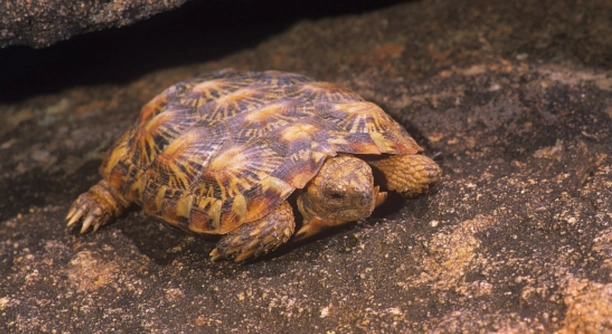
Pancake tortoises are unique creatures, and many wonder if they can be trained. This question arises due to their distinct behaviors and potential for interaction. Understanding their nature can help guide training possibilities.
Training a pancake tortoise is challenging due to their wild instincts and independent nature. While they can form associations, training them to perform specific tasks is limited. Their behavior is primarily driven by environmental factors, not learned responses.
This article will break down the realistic expectations for training pancake tortoises and what you can achieve.
Can Pancake Tortoises Learn?
Training a pancake tortoise requires patience and understanding of their natural behaviors. These reptiles are known for their shyness and tendency to hide when threatened. Unlike more social species, they don’t actively seek human interaction. Their slow, deliberate movements also mean they are not inclined to follow commands or perform tricks. It’s important to focus on building trust rather than expecting fast results. Over time, you may be able to teach them to associate certain actions, such as moving towards food or a particular location, but it won’t be the same as training a dog or bird. The key is understanding that they don’t respond to traditional training methods but can form associations with rewards in their environment. This makes the process gradual and based on positive reinforcement.
Pancake tortoises are capable of associating certain stimuli with rewards. However, they are not responsive to complex training routines.
Creating a safe and comfortable environment for a pancake tortoise is crucial. They need a habitat that mimics their natural surroundings, including ample hiding spots and a heat source to regulate body temperature. Once they feel secure, it’s possible to encourage them to come out and explore their enclosure with some consistency. Training attempts should be gentle and non-intrusive, focusing on positive experiences like offering food in specific locations or getting them accustomed to your presence. Over time, your tortoise may begin to expect these interactions and move towards the food or respond to familiar cues. However, the process is slow, and it’s important not to rush them. Unlike more interactive pets, these tortoises are more independent, and their training should always be done in a way that respects their pace and nature.
What Can You Train Them To Do?
It’s essential to acknowledge that pancake tortoises will never learn to perform complicated tasks like a dog. They are not as responsive to human cues or actions. However, there are simple things that they can learn to do over time with patience. The most achievable goal is teaching them to recognize feeding times or their environment. A tortoise may learn to move toward a specific spot when it is feeding time or associate a particular sound with food. This can create a predictable routine that makes it easier to manage their care and feeding.
Training a pancake tortoise can be rewarding, but it requires a deep understanding of their nature. Simple behaviors, such as walking toward a designated area or responding to certain cues, are possible, but they must be approached gently.
Behavior and Personality
Pancake tortoises have a shy and introverted nature. They prefer to stay hidden in their shells or under objects, only coming out when they feel safe. This behavior can make them seem difficult to train or interact with, but it’s important to understand that they’re simply acting in line with their instincts.
They’re not naturally inclined to seek attention from humans. Their movements are slow and deliberate, and they often appear uninterested in interacting. However, when they feel comfortable, pancake tortoises can show curiosity about their environment. They might explore their surroundings or venture out of their hiding spots. Building trust takes time and requires respecting their need for privacy. The key is providing a secure, low-stress environment, so the tortoise feels safe to show its personality.
While they’re not particularly social creatures, their behavior can evolve slowly. It’s possible for them to get accustomed to their owners’ presence, though their independence remains strong. Training should always be based on trust-building and positive experiences to allow them to feel comfortable.
The Importance of Environment
The environment in which a pancake tortoise lives greatly influences its behavior. A stress-free habitat is essential to their well-being. They thrive in areas that mimic their natural environment, which includes plenty of hiding spots and appropriate temperature regulation. Without this, a tortoise can become anxious and less likely to respond to any kind of training.
To create a suitable habitat, focus on providing a warm basking area and a cooler zone where the tortoise can retreat if it feels too hot. This temperature gradient helps regulate their body temperature. Additionally, offer various hiding places, such as rocks, logs, or small caves, where the tortoise can feel secure. By offering a consistent and comfortable environment, you can encourage your pancake tortoise to come out of hiding and be more active, which in turn might make it easier for training efforts to take place.
Training Techniques
To train a pancake tortoise, it’s crucial to use gentle and consistent methods. Positive reinforcement works best, especially when it comes to food. Offering small treats or food items at specific times can encourage your tortoise to associate you with positive experiences. However, don’t expect quick results.
Patience is key when training a pancake tortoise. Avoid overwhelming them with too many stimuli or sudden changes. The process should be slow and gradual to ensure they don’t feel stressed. Consistency and routine are essential for helping your tortoise understand what’s expected of them over time.
Key Considerations for Success
It’s important to always respect the tortoise’s pace. Unlike dogs or other pets, they are not responsive to quick rewards or demands. Focus on creating a positive environment where your tortoise can thrive. This requires understanding their needs, such as maintaining a proper temperature and providing adequate hiding spaces.
Training should never feel forced. The more relaxed and comfortable the tortoise feels, the more likely it is to respond. Using food rewards can help foster positive associations, but it’s important to avoid pressuring them.
FAQ
Can pancake tortoises be trained to respond to their name?
Training a pancake tortoise to respond to its name is unlikely. They are not as receptive to auditory cues as other pets, like dogs. Their behavior is more instinct-driven and revolves around their environment. However, with consistent feeding routines or familiar sounds associated with positive experiences, they may start to associate these signals with feeding time or other activities. While they won’t respond directly to their name, creating patterns and positive reinforcement can help them feel comfortable in their habitat.
How long does it take to train a pancake tortoise?
Training a pancake tortoise takes time and patience. It’s important to set realistic expectations as they are not quick learners like some other animals. It may take several weeks or even months to establish any form of behavior pattern. The process will involve repetition and consistency, allowing the tortoise to become accustomed to cues or environments. Progress will be gradual, and success should be measured by the tortoise’s comfort level and willingness to explore or interact when encouraged.
What types of food can help with training a pancake tortoise?
Food plays a significant role in training a pancake tortoise, as it can act as a form of positive reinforcement. Vegetables like leafy greens, dandelion greens, and edible flowers are ideal treats for training. You can also offer fruits in moderation, such as strawberries or melons. Ensure that any food provided is safe for tortoises and avoid feeding them high-protein or high-oxalate foods. Using food as a reward can encourage your tortoise to engage with specific areas of their enclosure, or come out of hiding when it’s feeding time.
Can I train my pancake tortoise to do tricks?
Pancake tortoises are not suited for performing tricks. Unlike dogs or other highly trainable animals, they have a more solitary and less responsive nature. Their slow movement and tendency to hide make it difficult to teach them to perform complex tasks. Instead of tricks, focus on building routines that they can associate with positive experiences. They may learn to recognize specific places or actions linked to food, but this training will be limited to their natural behaviors and instincts.
Is it possible to train a pancake tortoise to be more social?
Training a pancake tortoise to be more social is challenging due to their naturally introverted and solitary behavior. They are not inclined to actively seek interaction with humans or other animals. However, over time, and with patience, they may become more accustomed to your presence and may tolerate being near you without showing stress. Start with gentle, non-invasive interactions, such as feeding them or allowing them to explore their space while you’re present. However, socializing them in the same way you would socialize a dog is unrealistic.
What should I do if my pancake tortoise is not responding to training?
If your pancake tortoise is not responding to training, it’s essential to re-evaluate the approach. First, ensure that its habitat is comfortable, safe, and secure. Stress from an inadequate environment can hinder their willingness to engage. If the environment is fine, then the issue may lie with the pace of training. Since these tortoises are independent creatures, they may take longer to form associations. Patience is crucial. If progress is slow, continue offering food rewards and allowing them to feel comfortable, and the tortoise may gradually begin to show signs of recognition.
Can pancake tortoises live with other pets?
Pancake tortoises are solitary by nature and should be kept alone to avoid stress and competition for resources. In general, they do not interact well with other pets. While it’s possible to house them with other tortoises, careful monitoring is required. Other animals, particularly those with more active or predatory behavior, can cause stress or harm to the tortoise. Ensure that their living space is large enough for them to retreat to a safe area away from potential disturbances. It’s always better to err on the side of caution when introducing other pets into the environment of a pancake tortoise.
Are pancake tortoises hard to care for?
Caring for a pancake tortoise requires an understanding of their natural habits and habitat needs. While they are not difficult to care for once their environment is set up properly, they do have specific requirements. Their enclosure must mimic the conditions of their natural habitat, which includes a temperature gradient, hiding places, and proper humidity. Regular feeding of safe vegetables and occasional fruits is also necessary. Unlike some other pets, pancake tortoises do not require constant attention, but they do need a stable and secure environment to thrive.
How can I encourage my pancake tortoise to explore its environment?
Encouraging a pancake tortoise to explore its environment can be done by providing a variety of hiding places and visual stimuli. Adding rocks, logs, or small plants can create a more natural and engaging habitat. Once the tortoise feels secure, it may begin to venture out and explore. You can also place food in different areas to encourage movement. However, don’t force them to come out of hiding or interact if they seem uncomfortable. Respecting their need for safety and allowing them to explore on their own terms will make the process much smoother.
Can I handle my pancake tortoise?
Handling a pancake tortoise is not recommended unless it’s necessary for cleaning or routine care. They are not social creatures and may become stressed with frequent handling. When handling them, be gentle and ensure that you support their body properly to avoid causing them harm. It’s best to keep handling to a minimum and let the tortoise feel in control of its interactions with you. Over time, as they become more comfortable in their environment, they may tolerate brief moments of handling, but this should never be forced.
Final Thoughts
Training a pancake tortoise may not yield the same results as with more common pets like dogs or cats. Their slow, independent nature means that they are not as responsive to training methods typically used for more social animals. However, that does not mean they cannot learn to associate specific behaviors with rewards. Patience and consistency are essential in the process, and progress will likely be gradual. The key is to respect their pace and not force them into interactions that cause stress or discomfort.
Although pancake tortoises may not perform tricks or actively seek social engagement, they can still become familiar with their environment and routine. With positive reinforcement, such as food rewards, they can associate you with safety and security. Building trust with these animals is a slow process, but over time, they may start to show signs of recognition, such as moving towards you during feeding times. This type of training is more about creating a positive and secure environment for the tortoise rather than expecting behavior like that of a dog or a bird.
Ultimately, the focus when caring for a pancake tortoise should be on their well-being and comfort. Their environment should meet their specific needs, such as proper temperature, humidity, and hiding spaces. Training, if attempted, should never push them past their natural tendencies. A pancake tortoise is not an interactive pet in the same way that some other animals are, but they can thrive with minimal interaction as long as their physical and mental needs are met. Understanding these creatures and respecting their space will ensure they remain healthy and content.

Hello,
If you enjoy the content that we create, please consider saying a "Thank You!" by leaving a tip.
Every little bit helps us continue crafting quality advice that supports the health, happiness, and well-being of pets around the world, for pets of all shapes, sizes, and species.
We really appreciate the kindness and support that you show us!