
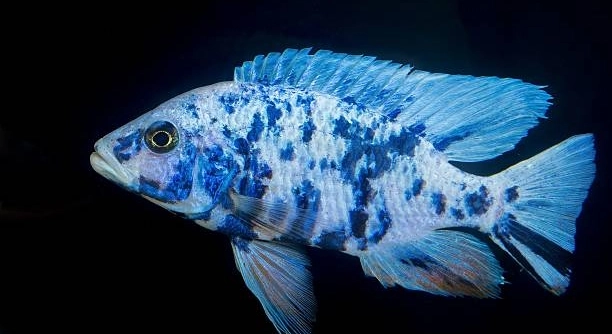
Convict cichlids are popular freshwater fish known for their striking stripes and active personalities. Many aquarium enthusiasts enjoy watching their behavior and interactions in home tanks, making them a fascinating addition to any aquatic setup.
Touching a convict cichlid is generally not recommended. These fish can become aggressive or stressed when handled, which may lead to injury for both the fish and the person. Maintaining minimal direct contact supports their well-being and natural behavior.
Understanding how convict cichlids react to touch and interaction will help you care for them safely and responsibly in your aquarium.
Understanding Convict Cichlid Behavior
Convict cichlids are known for their bold and territorial nature. They often stake out areas in the tank and defend them from other fish, sometimes aggressively. Their striped bodies make them easy to recognize, and their movements are lively and constant. These fish form strong pair bonds and can become protective of their mates and fry. Observing their behavior helps you know when they feel threatened or stressed. Aggression is more common during breeding periods, as they guard their eggs and young. Even minor disturbances in the tank can trigger defensive behavior, so maintaining a calm environment is important. Feeding habits also reveal personality traits. Convict cichlids may compete for food and show dominance by chasing others away. Watching these interactions provides insight into their social structure and how they establish territory. Overall, understanding these patterns is key to keeping them healthy and minimizing stress.
Regular observation helps prevent unnecessary stress and ensures a safe environment for your cichlids.
Learning how convict cichlids communicate through body language can improve handling and tank setup. Their postures, fin displays, and swimming patterns are strong indicators of mood and intent. By reading these cues, you can anticipate conflicts and adjust tank arrangements, decorations, or tank mates to reduce aggression. Providing hiding spaces and visual barriers allows them to feel secure while interacting naturally. Over time, recognizing these behaviors fosters a more harmonious aquarium, where the fish can thrive with minimal risk of injury or stress.
Safe Interaction Practices
Minimizing direct contact is essential to protect both the fish and yourself.
When interacting with convict cichlids, avoid reaching into the tank with bare hands. Use feeding tools, nets, or containers to move items or clean the tank. Always wash hands thoroughly before and after contact to prevent introducing harmful chemicals or bacteria. If handling becomes necessary, do it gently and for the shortest time possible. Avoid sudden movements, as these can startle the fish and provoke aggressive responses. Establishing a consistent routine for feeding and maintenance helps them feel secure and reduces defensive behavior. Over time, the fish may become familiar with your presence without requiring physical contact. Remember, a stable environment, proper tank size, and compatible tank mates all contribute to safe interactions. Observing and respecting their boundaries ensures both their well-being and your safety.
Providing an environment that balances open swimming areas with hiding spots allows convict cichlids to display natural behaviors without feeling threatened. Regular tank maintenance, careful introduction of new fish, and monitoring interactions help prevent stress and aggression. By understanding their limits, you can enjoy watching their personalities develop while maintaining a healthy, peaceful aquarium. Proper feeding schedules, water quality, and habitat design all contribute to minimizing conflicts. Even subtle signs, like color changes or fin flaring, can indicate tension. Recognizing and responding to these signals helps prevent injuries. By focusing on observation and minimal handling, you support both the physical health and psychological comfort of your convict cichlids. Establishing clear boundaries while maintaining a stimulating environment ensures the fish thrive naturally, allowing you to appreciate their behavior safely and responsibly.
Handling Convict Cichlids Safely
Always approach the tank slowly to avoid startling the fish. Sudden movements can trigger aggression or stress, so remain calm and deliberate. Using nets or tools for any necessary contact is safer than bare hands. Consistency in your actions helps the fish feel secure.
When cleaning or rearranging the tank, plan each step to minimize disruption. Avoid reaching directly into the water unless absolutely necessary. Use a net to move decorations or scoop out debris, keeping interactions brief. Convict cichlids respond to routine and predictability, so maintaining a consistent schedule for feeding and tank maintenance reduces stress. Avoid overhandling, as this can weaken their immune system and provoke defensive behavior. Proper tools, gentle movements, and awareness of their reactions ensure both your safety and the fish’s well-being.
Temperature, water quality, and tank layout all influence how convict cichlids react to human presence. Providing hiding spots and visual boundaries helps them feel secure, reducing the likelihood of attacks. Observing their daily patterns allows you to anticipate aggressive moments and avoid conflicts. Even during feeding, respect their space and avoid hand-feeding directly. Monitoring their behavior over time helps identify signs of stress early, such as flared fins or sudden color changes. By combining careful handling with a well-maintained environment, you create a safer, more peaceful tank. Consistent observation, proper equipment, and patience are key to maintaining harmony.
Encouraging Natural Behavior
Providing an environment that reflects their natural habitat encourages healthy activity. Rocks, plants, and shelters give convict cichlids places to explore and claim as territory. This setup reduces stress and aggression while allowing them to express instinctive behaviors.
A well-structured tank minimizes conflict among fish and supports their natural instincts. Convict cichlids are territorial, so creating multiple hiding spaces helps prevent fights. Open swimming areas, coupled with visual barriers, let them display natural swimming and chasing behaviors safely. Observing their interactions in this environment offers insight into their social dynamics. Pairing compatible species and avoiding overcrowding further reduces tension. Feeding should be distributed evenly across the tank to prevent competition and ensure all fish receive adequate nutrition. Maintaining water quality, temperature, and consistent lighting also contributes to a balanced ecosystem. These steps create an environment where convict cichlids can thrive and display their full range of behaviors naturally, making them healthier and easier to care for.
Tank Setup Considerations
Adequate space is essential for convict cichlids. Crowded tanks increase stress and aggression. A larger tank with plenty of hiding spots allows each fish to establish territory and reduces conflicts. Proper decorations also provide visual barriers and security.
Filtration and water quality play a critical role in their health. Clean, well-circulated water minimizes disease risk and keeps the fish active. Regular water changes maintain stable conditions. Temperature and pH should be monitored carefully, as fluctuations can trigger stress and aggression. A well-planned tank setup balances space, hiding spots, and water quality to support their natural behavior and overall well-being.
Feeding Practices
Convict cichlids require a varied diet including flakes, pellets, and occasional live or frozen foods. Providing balanced nutrition supports growth, coloration, and energy levels. Feeding small amounts multiple times a day prevents overeating and maintains water quality, while observing their response helps gauge health and appetite.
Signs of Stress
Watch for rapid color changes, clamped fins, or hiding excessively. These are indicators that the fish may feel threatened, uncomfortable, or ill. Addressing these signs promptly helps prevent further complications and ensures a healthier, calmer aquarium environment.
FAQ
Can I touch my convict cichlid if it seems calm?
Even if a convict cichlid appears calm, touching it is not recommended. These fish are naturally territorial and can react unpredictably. Stress from handling can weaken their immune system or trigger aggressive behavior, even if they seem relaxed at the moment. Minimal contact is safest for both you and the fish.
Why do convict cichlids flare their fins at me?
Fin flaring is a defensive or territorial behavior. It signals that the fish feels threatened or wants to establish dominance. Flaring can occur when you approach the tank too quickly, move decorations, or feed nearby. Observing and respecting these cues helps reduce stress and prevents accidental bites or injuries.
Is it safe to hand-feed them?
Hand-feeding is possible, but it increases the risk of stress or accidental nips. Using feeding tools like tweezers or small containers is safer and keeps the fish accustomed to your presence without direct contact. Spread food evenly to avoid competition and ensure all fish get adequate nutrition.
How do I know if my convict cichlid is stressed?
Signs of stress include rapid color changes, clamped fins, hiding excessively, erratic swimming, or refusing food. Environmental factors like poor water quality, sudden temperature shifts, or overcrowding often contribute. Monitoring these behaviors allows early intervention to prevent health problems and aggressive incidents.
Can touching them improve bonding?
Physical contact does not improve bonding with convict cichlids. Unlike some pets, these fish respond better to consistent care, observation, and a stable environment. Bonding comes from understanding their behaviors, maintaining routine feeding, and providing a tank that meets their territorial and environmental needs.
What should I do if a fish bites me?
If bitten, clean the wound thoroughly with soap and water to prevent infection. Monitor for swelling or redness. Avoid provoking the fish again, and use tools or nets for future tank interactions. Preventing bites is easier than treating injuries, so handling should always be minimal and cautious.
How often should I check water conditions?
Water conditions should be monitored at least weekly. Check temperature, pH, ammonia, nitrite, and nitrate levels regularly. Convict cichlids are sensitive to sudden changes, and consistent water quality reduces stress and aggression, ensuring a healthy environment for all tank inhabitants.
Can I touch them during breeding?
Touching convict cichlids during breeding is highly discouraged. They become extremely protective of eggs and fry, and even minor disturbances can provoke aggression. Maintaining distance, providing hiding spaces, and observing quietly ensures their offspring remain safe while minimizing stress for the parents.
Are there safer ways to interact with them?
Yes, interacting through observation, feeding with tools, and gentle tank maintenance allows the fish to become familiar with your presence. Visual contact and consistent routines foster comfort and reduce stress without the risks of direct contact, creating a calmer and safer environment for both you and the fish.
What happens if I ignore stress signs?
Ignoring stress signs can lead to illness, injury, or aggressive behavior. Chronic stress weakens the immune system, making fish more susceptible to disease. Territorial disputes may escalate, causing physical harm. Prompt recognition and corrective action, like adjusting tank conditions or layout, is essential to maintain a safe and healthy aquarium.
How can I prevent aggression among tank mates?
Prevent aggression by providing enough space, hiding spots, and compatible tank mates. Avoid overcrowding, distribute food evenly, and monitor interactions. Understanding each fish’s territorial needs and maintaining a consistent environment reduces stress and encourages natural behaviors without unnecessary fights or injuries.
Is it necessary to use nets for all interactions?
Using nets for tasks like moving fish, decorations, or removing debris is the safest method. Nets prevent direct contact, reduce stress, and minimize the risk of bites or injury. Even experienced keepers benefit from using tools, as convict cichlids can be unpredictable despite familiarity.
How do I gradually get them used to me?
Spend time near the tank consistently, move slowly, and maintain routine feeding times. Avoid sudden movements and allow the fish to observe you from a distance. Over time, they will recognize your presence as non-threatening, reducing stress and promoting natural, calm behavior without direct contact.
What equipment helps reduce stress?
Provide adequate hiding spots, visual barriers, and open swimming areas. Proper filtration, regular water changes, and stable temperature control are essential. Even simple additions like rocks or plants can reduce aggression by allowing fish to retreat and claim territory, creating a more comfortable and peaceful environment.
Can they recognize me over time?
Convict cichlids can learn to associate regular routines and movements with feeding and safety, which may appear as recognition. This recognition is not the same as affection but helps them feel secure and reduces defensive or aggressive reactions when you approach the tank.
Is it okay to rearrange decorations?
Rearranging decorations should be done carefully and infrequently. Sudden changes can trigger territorial aggression and stress. Introduce modifications slowly, keeping some familiar elements, and observe fish behavior afterward to ensure they adapt without conflict or injury.
How do I care for fry safely?
Provide separate hiding spots for fry, maintain clean water, and avoid disturbances. Parents can be aggressive toward intruders, so minimal interaction is critical. Using barriers or breeding nets protects fry while ensuring parents remain in their natural environment and maintain normal behaviors.
What are the risks of overhandling?
Overhandling leads to stress, weakened immunity, and increased aggression. Convict cichlids may bite or injure themselves or others if frequently disturbed. Limiting physical contact and using tools ensures their health and preserves a calm, stable tank environment.
How can I observe without stressing them?
Watch from a distance, maintain consistent lighting and tank conditions, and avoid tapping or shaking the glass. Quiet observation allows you to learn about behavior, feeding patterns, and social interactions without provoking stress or defensive actions.
Can stress affect their lifespan?
Yes, chronic stress shortens lifespan by weakening the immune system and increasing susceptibility to disease. A calm, well-maintained environment with minimal handling is crucial to ensure convict cichlids remain healthy, active, and display natural behaviors throughout their life.
What should I do if aggression escalates?
Separate aggressive fish, add more hiding spots, or adjust tank mates to reduce conflict. Monitoring behavior closely and acting quickly prevents injury, stress, or death. Proper planning and observation are more effective than attempting to manage aggressive interactions after they become severe.
This FAQ section covers the most common concerns about touching, interacting, and caring for convict cichlids, ensuring both the fish and keeper remain safe and stress-free.
Convict cichlids are fascinating fish that offer a lot of personality in a home aquarium, but they require careful handling and attention to their natural behaviors. These fish are naturally territorial and can become stressed or aggressive if their environment is disrupted or if they experience too much direct contact. Observing them regularly helps you understand their moods and reactions. Even small details, like changes in swimming patterns or color, can signal stress. Providing a well-maintained tank with enough space, hiding spots, and visual boundaries allows them to express their instincts safely. This helps keep aggression low and ensures the fish remain healthy over time. Understanding the unique needs of convict cichlids makes caring for them both rewarding and manageable.
Maintaining consistent routines is essential for their well-being. Feeding at regular times, monitoring water quality, and conducting tank maintenance carefully and predictably all contribute to a stable environment. Convict cichlids thrive when they feel secure, so minimizing sudden disturbances or excessive handling is important. Even interactions that seem harmless, like reaching into the tank with bare hands, can trigger stress responses or defensive behavior. Tools like nets or feeding tweezers reduce these risks and make tasks like cleaning or relocating fish safer. Observing their daily patterns without physically disturbing them helps them become comfortable with your presence while protecting their health and reducing potential accidents.
By focusing on observation, proper tank setup, and minimal handling, you create a balanced environment where convict cichlids can thrive. Providing open swimming areas, hiding spots, and compatible tank mates allows them to display natural behaviors without unnecessary stress. Recognizing and responding to signs of stress early helps prevent health problems and reduces aggression. While direct contact may seem appealing, it is rarely beneficial and often harmful. Supporting their needs with a stable environment, nutritious food, and careful monitoring ensures long-term health and a more enjoyable experience for both the fish and the keeper. Over time, this approach allows you to appreciate their activity, social interactions, and unique personality safely and responsibly.

Hello,
If you enjoy the content that we create, please consider saying a "Thank You!" by leaving a tip.
Every little bit helps us continue crafting quality advice that supports the health, happiness, and well-being of pets around the world, for pets of all shapes, sizes, and species.
We really appreciate the kindness and support that you show us!