
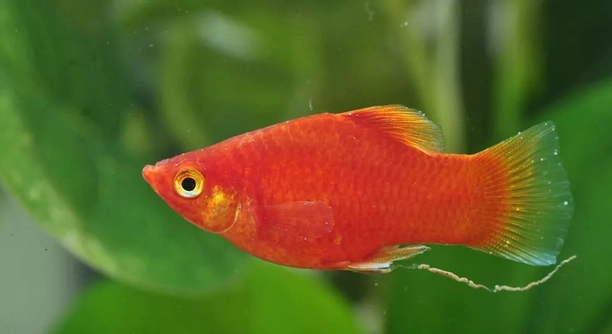
Platies are popular aquarium fish known for their bright colors and active behavior. Many fishkeepers notice changes in their platy’s appearance and wonder what these color shifts might mean. Understanding platy mood through color changes can help improve their care.
Color changes in platies can indicate stress, illness, or environmental factors rather than mood. While platies may darken or pale due to lighting, water quality, or social dynamics, these changes do not reliably reflect their emotional state.
Recognizing what affects platy colors will help you maintain a healthy environment for your fish and avoid misinterpreting their behavior.
Understanding Platy Color Changes
Platies show a range of colors that can shift due to various reasons. Sometimes, their colors become dull or darker when they feel stressed or uncomfortable. Changes in water temperature, pH levels, or the presence of aggressive tank mates can cause this. A sudden change in their environment often leads to noticeable color shifts. Illness is another common reason. When a platy is sick, its colors may fade or look blotchy. Lighting also affects how vibrant their colors appear. Natural daylight or strong aquarium lights can make colors look brighter, while dim lighting can dull them. Knowing these factors helps in identifying if a color change is a warning sign or just a normal adjustment.
Platies may also show brighter colors during breeding or when they feel safe. These color changes are normal and part of their behavior.
Keeping an eye on water quality and tank conditions can prevent unwanted color changes. Regular testing and maintenance help maintain stable conditions, which support healthy coloration. Avoiding sudden changes and providing hiding spots will reduce stress, allowing platies to show their natural colors. Observing other signs like appetite and activity level can also indicate their well-being. Color changes alone should not be the only factor used to judge a platy’s health or mood.
Signs That Indicate Stress in Platies
Stress can cause platies to lose their bright colors or appear pale. It is important to recognize these signs early.
Stress in platies results from overcrowding, poor water conditions, or aggressive tank mates. These factors affect their immune system, making them prone to disease. A stressed platy may hide more, swim erratically, or lose interest in food. Color changes accompany these behaviors as their body reacts to the discomfort. Adjusting tank conditions and removing sources of stress can help restore their color and health. Consistent feeding with a balanced diet supports their recovery. Observing platies closely and addressing stress factors promptly improves their quality of life. Maintaining clean water and a peaceful environment is key to preventing stress-related color changes.
Environmental Factors Affecting Platy Color
Water quality is a major factor that affects platy coloration. Poor water conditions can cause colors to fade quickly. Regular water changes and proper filtration keep the environment stable.
Sudden changes in temperature or pH can stress platies, causing color loss. They prefer temperatures between 70°F and 78°F and a pH around 7.0. Consistency in these parameters helps maintain their vibrant appearance. Lighting also plays a role; strong aquarium lights enhance their colors, while weak or uneven lighting can dull them. Tank decorations and plants provide hiding spots, reducing stress and supporting natural coloration. Overcrowding can increase stress, so keeping a balanced number of fish is important for healthy colors.
Providing clean, stable water conditions and balanced lighting is essential for keeping platies colorful. Avoid frequent changes to their habitat and monitor water parameters regularly. This care will help platies display their best colors and remain healthy.
Breeding and Color Changes in Platies
Breeding behavior often causes temporary color changes in platies. Males usually become more vibrant to attract females. Females might darken slightly when ready to mate, signaling their condition. These color shifts are natural and expected during breeding seasons.
During spawning, platies show heightened colors as part of their courtship. This increased vibrancy indicates good health and readiness to reproduce. Males use these displays to compete for female attention, making color an important part of their interaction. After breeding, colors may return to normal or become less bright for a short time. Understanding these changes helps in recognizing healthy reproductive behavior. Providing a proper breeding environment with plenty of space and hiding spots supports successful mating and maintains color balance. Observing these patterns offers insight into platy social dynamics without causing undue concern.
Illness and Color Changes
Illness can cause platies to lose their bright colors quickly. Faded or patchy colors often signal health problems.
Common diseases like ich or fungal infections usually cause discoloration. Early detection and treatment are crucial for recovery and restoring normal colors.
Preventing Color Fading
Maintaining clean water and a balanced diet helps prevent color fading in platies. Regular tank maintenance reduces stress and disease risk.
Healthy platies with proper nutrition and environment keep their colors vibrant longer. Avoid overcrowding and sudden changes to support their well-being.
The Role of Genetics
Platy colors depend heavily on genetics. Some strains naturally display brighter or more varied colors than others.
Understanding the genetic background helps set realistic expectations for color changes in your fish.
Monitoring Color Changes
Regularly watching platies’ color patterns can reveal early signs of stress or illness. Noticing these changes helps with timely care.
FAQ
Can platy color changes indicate their mood?
Platy color changes are not reliable indicators of mood. Unlike mammals, fish do not show emotions through color shifts. Most color changes in platies are linked to physical conditions such as stress, illness, or environmental changes rather than emotional states.
Why do platies become darker or paler sometimes?
Platies darken or pale due to factors like water quality, lighting, temperature, or stress. For example, poor water conditions can make their colors dull, while stress from tank mates or sudden environment changes can cause darkening. Pale colors often signal weakness or illness.
Do all platies change color in the same way?
No, color change varies depending on genetics and environment. Different platy strains have unique patterns and colors, so how they respond visually can differ. Some may show more noticeable changes, while others remain relatively stable.
Is it normal for platies to lose color during illness?
Yes, losing color is a common symptom when platies are sick. Diseases such as ich, bacterial infections, or parasites often cause fading or blotchy discoloration. Early treatment improves recovery chances and helps colors return.
Can lighting affect how platy colors appear?
Lighting greatly impacts platy coloration. Bright, full-spectrum aquarium lights enhance color vibrancy, while weak or inconsistent lighting can make colors appear dull. Proper lighting also helps regulate their natural behaviors.
Do platies change color when breeding?
Yes, breeding often causes temporary color changes. Males become brighter to attract females, and females may darken slightly when ready to mate. These shifts are normal and indicate healthy reproductive activity.
How often should I test my tank water to prevent color fading?
Regular testing is important—weekly or biweekly checks of temperature, pH, ammonia, nitrite, and nitrate levels help maintain stable water quality. Stable conditions prevent stress-related color changes and keep platies healthy.
Can diet influence platy color?
A balanced diet rich in nutrients supports healthy coloration. Foods with natural color enhancers like spirulina or carotenoids help maintain bright colors. Poor nutrition can cause fading or dullness over time.
What should I do if my platy’s colors suddenly change?
First, check water parameters and tank conditions for any sudden changes. Look for signs of illness or stress. Adjust water quality, improve diet, and remove aggressive tank mates if necessary. If symptoms persist, consult a veterinarian or fish specialist.
Is overcrowding harmful to platy coloration?
Overcrowding raises stress levels and increases waste, both of which negatively affect color. A crowded tank limits swimming space and increases aggression. Keeping a suitable number of fish promotes health and vibrant colors.
Can temperature fluctuations cause color changes?
Yes, sudden temperature changes can stress platies, causing them to darken or lose color. Maintaining stable temperatures within their preferred range (70°F to 78°F) is crucial for color stability and overall health.
Are there any signs besides color changes to watch for in stressed platies?
Yes, stressed platies may hide more, swim erratically, lose appetite, or show rapid gill movement. These behaviors combined with color changes indicate that something is wrong and needs attention.
How long does it take for platy colors to return after stress or illness?
Recovery time varies depending on the cause and treatment. With proper care, platies often regain color within days to weeks. Consistent water quality and nutrition speed up this process.
Can platies change color permanently?
Some color changes are permanent due to genetics or injuries. However, most temporary changes caused by stress or illness usually revert once the fish recovers.
Is it normal for platies to have subtle color shifts daily?
Yes, slight color variations throughout the day are normal. Changes in light, activity, and mood can cause minor shifts that do not indicate problems.
Can color changes help identify platy diseases early?
Yes, noticing unusual color changes early can be a useful sign of illness. Faded, blotchy, or uneven colors often appear before other symptoms, allowing for quicker intervention.
Does tank décor affect platy color?
Tank décor affects stress levels, which can influence color. Providing plants and hiding spots makes platies feel secure, helping them maintain bright colors. Bare tanks may increase stress and dull coloration.
Should I separate a platy if its color changes suddenly?
Separation depends on the cause. If illness or aggression is suspected, isolating the fish can prevent spread and reduce stress. Otherwise, improving tank conditions is usually enough.
Are color changes more noticeable in some platy varieties?
Yes, some platy strains with bright or contrasting colors show changes more clearly. Strains with muted colors may have less obvious shifts, but underlying health issues can still be present.
What role does genetics play in color intensity?
Genetics determine the base color and patterns of platies. Some fish are naturally more vibrant due to selective breeding. Environmental factors then influence how these colors appear in the tank.
Final Thoughts
Platy fish display color changes for many reasons, but these shifts usually do not reflect their mood. Most color changes come from physical conditions such as stress, illness, water quality, and breeding behavior. It is important to understand these factors to care for platies properly. Knowing why colors change helps prevent misunderstandings about your fish’s health and behavior. While it may seem like your platy is trying to “tell” you something through its colors, the reality is more about their environment and well-being than emotions.
Maintaining stable tank conditions is key to keeping your platies colorful and healthy. Clean water, consistent temperature, and proper lighting support their natural colors. Regular tank maintenance and water testing reduce stress and prevent diseases that cause color fading or blotchiness. Diet also plays a role, as nutritious food helps sustain bright colors. Avoid overcrowding and sudden changes in their environment, as these can lead to stress and dull coloration. Providing plants and hiding spaces also makes platies feel secure, encouraging natural color expression.
Watching your platy’s color changes closely is a helpful way to monitor their health. Color shifts combined with other signs, like changes in behavior or appetite, can indicate stress or illness. Acting early by adjusting tank conditions or seeking treatment can improve their chances of recovery. However, remember that some color changes are natural, such as those during breeding or minor daily shifts. Understanding this balance between natural variation and warning signs allows you to better care for your platies, ensuring they stay vibrant and thrive in your aquarium.

Hello,
If you enjoy the content that we create, please consider saying a "Thank You!" by leaving a tip.
Every little bit helps us continue crafting quality advice that supports the health, happiness, and well-being of pets around the world, for pets of all shapes, sizes, and species.
We really appreciate the kindness and support that you show us!