
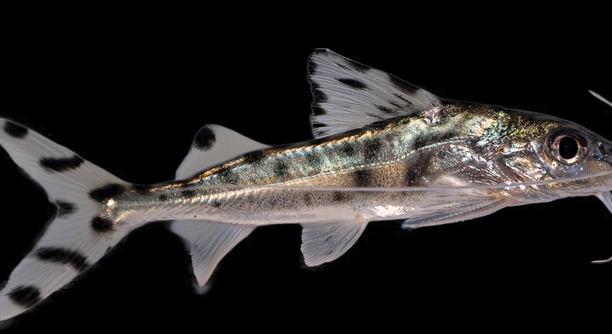
Is your Pictus catfish showing less activity than usual or spending too much time hiding? These popular freshwater fish are known for their playful nature and constant movement in the tank. Understanding their behavior can help maintain a healthy environment.
Pictus catfish can exhibit signs of boredom, such as reduced activity, increased hiding, and lack of interaction with their surroundings. Boredom may result from insufficient stimulation, inadequate tank setup, or lack of environmental enrichment necessary for their natural behavior.
Recognizing these signs early can improve your fish’s well-being. Learning how to enrich their habitat ensures your Pictus catfish stays active and healthy.
Signs Your Pictus Catfish May Be Bored
Pictus catfish are naturally active and curious, so when their behavior changes, it can be a sign of boredom. Common signs include swimming less, hiding for long periods, and showing little interest in food or tank mates. You might notice your fish resting in one spot more often or avoiding areas they usually explore. Sometimes, they may even exhibit repetitive behaviors, like swimming in circles. These changes happen because the environment lacks stimulation. If the tank is too small or has few hiding places, the fish might lose interest. Lighting and water conditions can also affect their activity levels. Noticing these signs early helps prevent stress, which can lead to health problems. Bored fish are more vulnerable to disease and may have a shorter lifespan. Keeping an eye on their behavior allows you to make adjustments and provide a better living space.
Boredom signs often overlap with illness, so careful observation is important. Differentiating behavior helps in responding properly.
To reduce boredom, add plants, rocks, or driftwood for hiding spots and exploration. Regularly changing the tank setup can also keep the environment interesting. Providing a varied diet encourages natural foraging behaviors. Sometimes, adding tank mates that are compatible can stimulate interaction. Ensuring proper water quality and temperature is also key, as discomfort may reduce activity. Monitoring your catfish’s response to changes allows you to fine-tune their habitat. Small adjustments can lead to a more lively and engaged fish. Your attention to these details supports their overall health and happiness. Creating a dynamic environment helps maintain their natural behaviors and reduces boredom.
How to Enrich Your Pictus Catfish’s Environment
Environmental enrichment is essential to prevent boredom in Pictus catfish. Simple additions like live or artificial plants provide hiding spots and improve tank complexity. Driftwood and rocks create areas for exploration and shelter. These elements mimic natural habitats and encourage natural behaviors. Regularly rearranging decorations keeps the tank interesting and prevents monotony. Adding a sandy or fine gravel substrate allows the catfish to dig and forage. Introducing floating plants can diffuse light and offer shaded areas. A varied feeding routine with live or frozen foods stimulates their hunting instincts. Occasional use of a mirror or gentle water currents can encourage movement and curiosity. Enrichment should always consider the fish’s safety and compatibility with other tank inhabitants.
An enriched environment helps maintain physical activity and reduces stress-related behavior in Pictus catfish.
Maintaining an engaging tank is not difficult. Start by adding a few decorations and observe how your catfish interacts with them. Gradually introduce new elements or rearrange the layout every few weeks. Varying food types, like bloodworms or brine shrimp, encourages natural feeding habits and mental stimulation. Pay attention to water flow and lighting to simulate natural conditions. If you have other fish, ensure they are peaceful and compatible. A lively environment supports the catfish’s well-being and keeps them active. Regular care and attention make a significant difference in preventing boredom and promoting a healthier, more vibrant fish.
Common Mistakes That Increase Boredom
Overcrowding the tank reduces space for your Pictus catfish to swim freely, leading to stress and boredom. Lack of hiding spots and environmental enrichment can cause the fish to lose interest in their surroundings quickly.
Tank size plays a big role in your fish’s behavior. A small tank limits natural movement and exploration, which can frustrate Pictus catfish. Without places to hide or explore, they may become inactive or hide excessively. Inadequate water conditions, such as poor filtration or incorrect temperature, also affect their energy levels. Keeping the tank clean and maintaining stable water parameters supports their health and encourages activity. Avoid overfeeding, which can lead to lethargy and decreased interest in the environment.
Another common mistake is keeping incompatible tank mates. Aggressive or very active fish can intimidate Pictus catfish, making them retreat and lose their usual playful behavior. Selecting peaceful companions helps maintain a calm and stimulating environment. Regular tank maintenance and careful observation prevent boredom caused by stress or poor conditions. Creating balance in the tank allows your catfish to thrive and remain active.
Feeding Tips to Reduce Boredom
Feeding a varied diet encourages natural foraging behavior and keeps your Pictus catfish engaged. Using live or frozen foods adds interest beyond basic pellets.
Live foods like bloodworms and brine shrimp stimulate hunting instincts and promote activity. Offering occasional treats encourages movement and exploration of the tank. Using sinking pellets or wafers mimics natural feeding on the bottom. Feeding in different tank areas can prompt your catfish to search for food, reducing boredom. Avoid overfeeding to prevent sluggishness and maintain water quality. Consistent feeding schedules help your fish anticipate meals and stay active. Combining nutrition with enrichment supports both physical health and mental stimulation.
Feeding time is also an opportunity to bond with your catfish through observation. Noticing how they respond to different foods can guide dietary choices. Small changes in feeding routines or food types can increase their interest and energy. The goal is to make feeding an engaging part of their day while meeting nutritional needs. This balance helps keep your Pictus catfish lively and healthy over time.
Tank Setup Tips for Active Pictus Catfish
Adequate swimming space is crucial for Pictus catfish to stay active and avoid boredom. A tank size of at least 30 gallons is recommended for a small group.
Providing a variety of hiding places, such as plants and caves, allows the fish to explore and feel secure. This encourages natural behavior and reduces stress.
Importance of Water Quality
Maintaining clean, stable water conditions supports your catfish’s health and activity levels. Regular water changes and proper filtration prevent harmful buildup of toxins.
Compatible Tank Mates
Choosing peaceful, non-aggressive species creates a calm environment. Suitable companions include tetras, rasboras, and small peaceful gouramis.
Observing Your Catfish’s Behavior
Pay close attention to changes in activity, appetite, and interaction. Early detection of boredom or illness allows timely adjustments to care and environment.
FAQ
How can I tell if my Pictus catfish is bored?
Bored Pictus catfish often swim less and hide more than usual. They may show repetitive movements or avoid interacting with their tank environment. A normally active fish that becomes sluggish or uninterested in food might be experiencing boredom due to a lack of stimulation or a dull environment.
What are the best ways to keep my Pictus catfish entertained?
Adding decorations like plants, rocks, and driftwood creates hiding spots and places to explore. Regularly rearranging these items keeps the tank interesting. Feeding live or frozen foods encourages natural hunting behavior. Introducing gentle water currents or compatible tank mates can also increase activity levels and mental engagement.
Can tank size affect my catfish’s boredom?
Yes, smaller tanks restrict swimming space, which can lead to boredom and stress. Pictus catfish are active swimmers and need room to move freely. A minimum of 30 gallons is recommended for a small group to ensure they can swim comfortably and explore their surroundings.
Are certain tank mates better for reducing boredom?
Peaceful species like tetras, rasboras, and small gouramis are good companions. Aggressive or overly active fish can stress Pictus catfish, causing them to hide and reduce activity. Compatible tank mates help create a balanced, stimulating environment that promotes natural social behaviors.
How often should I change my tank setup to prevent boredom?
Changing decorations every few weeks is helpful. Rearranging plants, rocks, or adding new elements provides novelty without causing stress. Sudden or drastic changes can upset fish, so gradual adjustments are best. Keeping the environment dynamic encourages exploration and reduces boredom.
Does feeding schedule impact my catfish’s activity?
Consistent feeding times help Pictus catfish anticipate meals, keeping them active. Using varied food types, such as sinking pellets, live, or frozen foods, encourages natural foraging and hunting behavior. Avoid overfeeding, as excess food can cause lethargy and poor water quality.
Can poor water quality cause signs similar to boredom?
Yes, unhealthy water conditions can make your fish lethargic and hide more. It is important to maintain stable temperature, proper filtration, and regular water changes. Monitoring water parameters ensures your fish remain healthy and active, helping differentiate between boredom and illness.
Is it normal for Pictus catfish to hide a lot?
Some hiding is natural, especially during the day or when the fish feels threatened. However, excessive hiding combined with inactivity or refusal to eat may indicate boredom or stress. Providing ample hiding spots along with open swimming areas balances security and activity needs.
Can boredom lead to health problems in Pictus catfish?
Prolonged boredom can cause stress, weakening the immune system and making fish more vulnerable to disease. Mental stimulation through environmental enrichment and proper care supports their overall health and longevity.
What is the best way to introduce new items to my catfish’s tank?
Introduce new decorations or plants gradually. Observe how your catfish reacts before adding more. Sudden changes can cause stress, so allowing time to adjust keeps them comfortable while increasing interest in their environment.
Final Thoughts
Keeping a Pictus catfish active and healthy requires attention to its environment and behavior. These fish are naturally curious and energetic, so a lack of stimulation can quickly lead to boredom. Providing enough space, hiding spots, and varied decorations helps maintain their interest and encourages natural activity. When the tank environment is well designed, Pictus catfish are more likely to explore, swim, and interact with their surroundings, which supports their overall well-being. Simple steps like adding plants or rearranging items regularly make a noticeable difference in their behavior.
Feeding also plays an important role in preventing boredom. A diet that includes live or frozen foods can stimulate their natural hunting instincts and keep them engaged during feeding time. Offering food in different locations and varying types of food supports their mental and physical health. However, care must be taken not to overfeed, as this can lead to lethargy and poor water quality. Maintaining a consistent feeding schedule helps your fish stay active and anticipate meal times, which adds a positive routine to their daily life.
Regular observation of your Pictus catfish is key to ensuring they remain healthy and active. Changes in behavior, such as increased hiding or reduced movement, may signal boredom or health issues. Paying close attention allows timely adjustments to the tank setup, feeding habits, or water conditions. Boredom is preventable with proper care and environmental enrichment. Taking these steps promotes a better quality of life for your catfish and enhances your enjoyment of keeping these fascinating fish. Overall, meeting their needs creates a more vibrant and lively tank.

Hello,
If you enjoy the content that we create, please consider saying a "Thank You!" by leaving a tip.
Every little bit helps us continue crafting quality advice that supports the health, happiness, and well-being of pets around the world, for pets of all shapes, sizes, and species.
We really appreciate the kindness and support that you show us!