
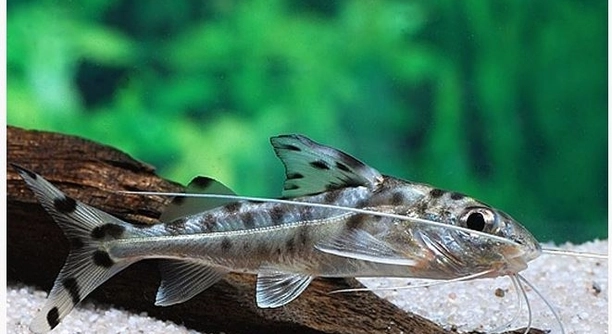
Many fish owners enjoy watching their pictus catfish grow and change over time. These lively fish are popular in home aquariums for their active nature and unique patterns. Understanding their growth can help in caring for them properly.
Determining a pictus catfish’s age solely by its size is not reliable. Growth rates vary widely due to factors like diet, tank conditions, and genetics, making size an inconsistent indicator of age. Accurate age estimation requires additional information beyond physical measurements.
Learning more about the factors that influence growth can help you better understand your pictus catfish’s development and care needs. This knowledge supports creating a healthier environment for your fish.
Growth Factors Affecting Pictus Catfish Size
Pictus catfish grow at different rates depending on several factors. Their diet plays a major role—fish with a balanced diet rich in protein tend to grow faster and healthier. Tank size and water quality also influence growth; overcrowded tanks or poor water conditions can stunt development. Genetics impact size too, as some catfish naturally grow larger or smaller than others. Temperature affects metabolism, so warmer water usually speeds up growth. All these elements combined make it difficult to judge age just by looking at size.
Monitoring these factors can help you provide the best care for your fish. Keeping water clean and feeding appropriate food promotes steady growth.
Understanding these influences allows better prediction of your pictus catfish’s health and needs. It also helps explain why two fish of the same age may look very different in size.
Why Size Alone Is Not Enough
Size varies widely among pictus catfish of the same age. Different conditions cause fish to grow at uneven rates, making size an unreliable age marker.
Age estimation requires other indicators like behavior changes or scale examination. In aquariums, records of when the fish was acquired offer more accuracy. If age is important for breeding or health reasons, relying on size alone can lead to mistakes. Observing multiple factors provides a clearer understanding of your fish’s true age and development stage.
Typical Growth Stages of Pictus Catfish
Pictus catfish grow quickly during their first year. After that, growth slows down but continues gradually for several years.
In the early months, they can grow from about one inch to nearly three inches. This rapid growth phase requires good nutrition and clean water. Without proper care, growth may be stunted or uneven. After the first year, growth becomes less noticeable, but the fish still develops in size and strength. Providing a stable environment during this time supports healthy development and a longer lifespan.
As pictus catfish mature, their growth rate decreases. They focus more on maintaining health and preparing for reproduction. Knowing these stages helps you adjust care routines and feeding amounts accordingly to meet your fish’s changing needs.
Monitoring Your Pictus Catfish’s Health Through Size
Regularly observing your pictus catfish’s size and behavior helps identify health issues early. Sudden changes in growth or weight can signal problems.
Changes in size might indicate stress, illness, or poor water conditions. Fish that stop growing or appear smaller than usual may be struggling with nutrition or tank mates. On the other hand, abnormal swelling or bloating can suggest disease. Consistent tank maintenance and a proper diet are crucial to prevent these issues. Watching for these signs and acting quickly improves your fish’s well-being and longevity.
Size Differences Between Male and Female Pictus Catfish
Male and female pictus catfish can show size differences, but these are usually subtle. Females tend to be slightly larger and rounder, especially when carrying eggs. Males are often slimmer and may have longer fins.
These differences become more noticeable during breeding season. However, size alone is not a reliable way to tell their sex without closer observation of behavior and physical traits.
Feeding’s Role in Growth
Feeding your pictus catfish a balanced diet rich in protein supports steady growth. Overfeeding or underfeeding can cause health issues and affect size. Quality food and proper portions are key to maintaining good health and encouraging normal growth patterns.
Tank Size and Growth
A larger tank allows your pictus catfish more room to swim and grow. Overcrowded or small tanks can limit growth and cause stress, which impacts overall health.
Environmental Stress Impact
Stress from poor water quality, aggressive tank mates, or sudden changes can stunt growth and cause size irregularities in pictus catfish.
FAQ
Can you tell a pictus catfish’s age by its size?
It is difficult to accurately tell a pictus catfish’s age just by looking at its size. Growth rates vary greatly because of diet, water conditions, genetics, and tank size. Two fish of the same age might be very different in size. Size alone does not give a reliable age estimate.
How fast do pictus catfish grow?
Pictus catfish grow fastest during their first year, often reaching up to three inches in that time. After the first year, growth slows but continues steadily for several years. Proper diet and clean water are important to support healthy growth throughout their life.
What is the typical size of an adult pictus catfish?
Adult pictus catfish usually reach about 4 to 5 inches in length. However, this can vary based on genetics and care. Some might grow a bit larger in optimal conditions, while others remain smaller if their environment isn’t ideal.
Does tank size affect growth?
Yes, tank size plays a role in growth. A larger tank gives your fish space to swim and develop properly. Crowded or small tanks can stress the fish and limit growth, which may lead to health problems.
Can stress affect a pictus catfish’s size?
Stress from poor water quality, aggressive tank mates, or sudden changes can stunt growth and cause size irregularities. Stress weakens the immune system and slows development, so keeping a calm, stable environment is key.
What diet helps pictus catfish grow well?
A diet rich in protein, including sinking pellets, live or frozen foods like bloodworms or brine shrimp, supports healthy growth. Avoid overfeeding to prevent obesity and water quality issues.
Are there size differences between male and female pictus catfish?
Females are generally a bit larger and rounder, especially when ready to breed. Males tend to be slimmer and may have longer fins. These differences are subtle and more noticeable during breeding periods.
How can I tell if my pictus catfish is unhealthy based on size?
If your fish stops growing or looks smaller than expected, it could indicate poor nutrition, illness, or stress. Sudden swelling or bloating can also signal disease. Regularly monitoring size along with behavior and appearance helps catch problems early.
Is it possible to speed up my pictus catfish’s growth?
Growth speed mainly depends on genetics and environment. Providing good water quality, a balanced diet, and a proper tank size supports natural growth rates. Forcing faster growth through overfeeding or poor care often harms health.
When do pictus catfish stop growing?
They grow rapidly during their first year, then slowly continue to grow for several years. Most reach full size around 2 to 3 years of age, but some may keep growing slightly beyond that in ideal conditions.
Can poor water conditions stunt growth permanently?
Yes, long-term exposure to poor water quality can stunt growth and cause lasting health problems. Regular water changes and testing help maintain a healthy environment to support normal growth.
Does temperature influence growth?
Temperature affects metabolism, so warmer water can speed up growth within a safe range. Too high or low temperatures stress the fish and slow development. Maintaining stable, appropriate temperatures is important.
Are pictus catfish good for beginners?
They are generally hardy and active, making them suitable for many beginners. However, their need for clean water and a proper diet means beginners should be prepared for regular maintenance to keep them healthy.
How often should I feed my pictus catfish?
Feeding small amounts 1-2 times a day is best. Overfeeding leads to poor water quality and health problems. Watch how much your fish eats and adjust portions to avoid leftovers.
Can pictus catfish live with other fish?
They usually get along well with peaceful tank mates but may be stressed by aggressive species. A calm community tank encourages better growth and well-being.
What signs show my pictus catfish is stressed?
Signs include hiding more than usual, loss of appetite, rapid breathing, or unusual swimming patterns. Stress can affect growth and health, so addressing causes quickly is important.
Is it possible to estimate a pictus catfish’s age by counting growth rings on scales?
While theoretically possible, this method is difficult and not practical for most aquarium owners. It requires special equipment and expertise, so it’s not commonly used.
What should I do if my pictus catfish isn’t growing?
Check water quality, tank size, diet, and tank mates. Poor conditions or illness often cause growth problems. Improving care and consulting a vet or experienced aquarist can help.
Does genetics affect how big pictus catfish get?
Yes, genetics determine maximum size and growth potential. Even with perfect care, some fish will naturally remain smaller or larger due to inherited traits.
How long do pictus catfish live?
With good care, pictus catfish can live 8 to 10 years. Proper diet, clean water, and a stress-free environment contribute to a long, healthy life.
Determining the age of a pictus catfish by its size alone is not a reliable method. Many factors influence how fast or slow these fish grow, including diet, tank size, water quality, genetics, and temperature. Because of these variables, two pictus catfish of the same age can look quite different in size. This makes size an inconsistent indicator of age, so relying solely on it can lead to mistakes. If you want to know your fish’s age, it is better to consider other signs or keep track of when you acquired the fish.
Caring for pictus catfish means paying attention to many details that affect their growth and health. Providing a balanced diet with enough protein is essential to help them grow steadily. Tank conditions like water cleanliness, proper temperature, and enough space also play a large role in their development. Stress from poor environment or aggressive tank mates can slow growth or cause health issues. Watching your fish for changes in behavior and size can help you notice problems early, allowing you to take action and improve their care.
Overall, pictus catfish are active and interesting fish that can thrive with the right conditions. Understanding that size does not tell the full story about their age or health helps you better care for them. By focusing on good diet, clean water, and a comfortable tank, you support your fish’s growth and well-being over time. This knowledge can make your experience with pictus catfish more rewarding and ensure they live a long, healthy life in your aquarium.

Hello,
If you enjoy the content that we create, please consider saying a "Thank You!" by leaving a tip.
Every little bit helps us continue crafting quality advice that supports the health, happiness, and well-being of pets around the world, for pets of all shapes, sizes, and species.
We really appreciate the kindness and support that you show us!