
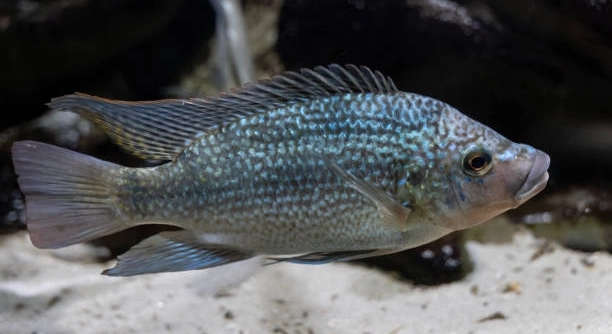
Convict cichlids are striking fish with bold patterns and energetic personalities. They can brighten an aquarium and provide fascinating behavior to observe. Many fish enthusiasts find them both challenging and rewarding to keep in home tanks.
While convict cichlids exhibit territorial and aggressive tendencies, they can develop a degree of trust and recognition toward their caretakers. Consistent handling, controlled environments, and careful observation can moderate their behavior over time and allow for manageable interactions.
Learning how to approach these fish safely and effectively can enhance your experience. Their unique behaviors offer insights into aquarium management and fish care techniques.
Understanding Convict Cichlid Behavior
Convict cichlids are naturally territorial, often staking out specific areas in an aquarium. They defend their space vigorously, especially during breeding periods, which can make interactions tense. These fish display clear hierarchies, with dominant individuals asserting themselves over others. Recognizing these behaviors early helps maintain balance and reduces stress in the tank. They are intelligent, capable of remembering feeding times and familiar caretakers. Providing hiding spots and structured territories can prevent excessive aggression and encourage healthier activity. Regular observation is key, as sudden changes in behavior often indicate stress, illness, or environmental issues. Feeding routines, tank size, and companion species also influence how they act. Overcrowded tanks or incompatible species can trigger fights and injuries. By understanding these patterns, managing aggression, and offering a stable environment, you can create a setup that encourages calm interactions. Proper care and attention to their instincts make convict cichlids engaging to keep while minimizing conflicts.
Careful tank setup and observation are essential. These fish thrive when boundaries are respected and conditions are stable.
Their intelligence shows in problem-solving and interaction. They quickly learn where food appears and how to navigate obstacles. Providing variety in diet and enriching their environment with rocks or plants stimulates natural behaviors. Even small changes, like rearranging decorations, can engage them and reduce boredom. Social dynamics play a role too, with pairs bonding closely while others maintain distance. Understanding these traits allows you to anticipate reactions and minimize stress. Consistency in care builds trust, even in aggressive species, and enhances overall health.
Training and Taming Techniques
Taming convict cichlids requires patience, starting with predictable feeding and minimal sudden movements. Short, consistent interactions allow them to associate your presence with positive experiences, reducing stress and aggression over time.
Regular handling is not necessary, but controlled exposure can build recognition. Offering food by hand or near your presence teaches them to tolerate and eventually respond calmly. Over time, they may follow your movements and show less defensive behavior. Environmental enrichment, like caves, plants, and varied terrain, provides security and reduces territorial disputes. Gradual acclimation to these stimuli helps them explore safely. Social management, separating overly aggressive individuals when needed, preserves balance and ensures peaceful coexistence. Combining structured routines with attention to individual personalities allows their natural intelligence to manifest without constant stress. Through careful observation and incremental exposure, interactions become more manageable, and the fish display a unique, engaging presence in your aquarium.
Feeding and Nutrition
A balanced diet is essential for convict cichlids’ health. They thrive on a mix of high-quality pellets, frozen or live foods, and occasional vegetables. Consistent feeding times encourage calm behavior and reduce aggression linked to hunger.
Providing a varied diet ensures they receive necessary nutrients. High-protein foods like brine shrimp, bloodworms, and daphnia support growth, especially for juveniles. Vegetables such as spinach or peas help digestion and prevent nutritional deficiencies. Overfeeding can cause water quality issues and obesity, so portion control is important. Observing their eating habits helps identify health problems early. Adjusting diet according to age, activity level, and breeding status ensures optimal growth and vitality. Feeding smaller amounts multiple times a day mimics natural behavior and keeps them engaged, reducing stress-related aggression.
Supplementing with live or frozen food enhances activity and natural instincts. It stimulates foraging, encourages exercise, and improves overall coloration. Rotating food types prevents boredom and promotes balanced nutrition. Foods should be easy to digest to avoid water contamination. Occasionally offering treats strengthens recognition of caretakers and encourages interaction. Monitoring appetite and adjusting portions helps maintain water quality and fish health. Combining proper feeding routines with a clean, enriched environment ensures convict cichlids remain active, healthy, and more responsive to interactions.
Tank Setup and Maintenance
Tank size and layout significantly affect behavior. A minimum of 30 gallons for a pair is recommended, with hiding spots to reduce conflict. Rocks, caves, and plants provide security and simulate natural conditions.
Water quality must be maintained consistently. Regular testing for pH, ammonia, nitrite, and nitrate is crucial, as convict cichlids are sensitive to sudden changes. Filtration should be strong but not overly turbulent. Temperature stability between 75–80°F supports metabolism and reduces stress. Substrate choice influences digging behavior; sand or smooth gravel is preferable. Frequent partial water changes prevent waste buildup, while careful monitoring of decorations avoids overcrowding. Adjusting lighting and providing areas of shade allows them to regulate activity levels naturally. Observing interactions between tank mates ensures compatibility and prevents injuries. A well-maintained tank promotes health, calmer behavior, and better responsiveness to caretakers.
Social Behavior and Compatibility
Convict cichlids are naturally territorial, especially during breeding. Pairing them carefully and monitoring interactions prevents aggression. Keeping them with similarly sized or semi-aggressive species helps maintain balance.
Juveniles are more adaptable, but adult fish require clearly defined territories. Overcrowding increases stress and fighting. Observing behavior daily allows timely separation if needed.
Breeding and Reproduction
Convict cichlids breed readily in captivity. They form monogamous pairs, often guarding eggs and fry diligently. Providing flat surfaces or small caves encourages spawning. Males defend territory while females care for eggs. Fry should be separated or provided with safe areas to prevent predation. Consistent water quality and diet improve breeding success.
Health Monitoring
Regular observation of color, activity, and appetite helps detect illness early. Prompt action reduces stress and prevents outbreaks in the tank.
FAQ
How aggressive are convict cichlids?
Convict cichlids are naturally aggressive, especially during breeding. They establish territories and defend them vigorously. Aggression is more pronounced between males or when space is limited. Providing adequate hiding spots, caves, and plants can reduce tension. Observing daily interactions helps prevent serious conflicts, and separating overly aggressive fish may be necessary.
Can convict cichlids live with other fish?
They can coexist with similarly sized or semi-aggressive species if the tank is large enough. Avoid small, timid fish that may be bullied. Juveniles are easier to integrate, but adults need defined territories. Careful monitoring and tank arrangement minimize fights, allowing compatible species to thrive together.
How do you tame a convict cichlid?
Taming requires patience and consistency. Start with predictable feeding routines and avoid sudden movements. Gradually approach the tank while offering food near your presence. Over time, they associate you with positive experiences, reducing stress. Hand-feeding or placing food close encourages recognition and calmer behavior.
What do convict cichlids eat?
They thrive on a balanced diet of high-quality pellets, frozen or live foods, and occasional vegetables. High-protein options like brine shrimp and bloodworms support growth. Vegetables like peas and spinach aid digestion. Portion control prevents obesity and water quality issues, while varying food types keeps them engaged and healthy.
How often should you feed them?
Feeding smaller amounts two to three times a day is ideal. This mimics natural foraging behavior and keeps them active. Overfeeding can lead to poor water quality and obesity. Observing appetite and adjusting portions based on age, activity, and breeding status ensures balanced nutrition and maintains their energy levels.
How do you manage breeding behavior?
Provide flat surfaces or caves for spawning. Pairs form strong bonds, with males defending territory and females caring for eggs. Fry may need separate tanks or protected areas to avoid predation. Consistent water quality, nutrition, and observation increase survival rates. Aggressive behaviors during breeding should be carefully managed.
What water conditions are best?
Maintain a temperature of 75–80°F with stable pH levels. Regular testing for ammonia, nitrite, and nitrate prevents stress. Strong but gentle filtration keeps water clean without excessive turbulence. Frequent partial water changes and careful tank maintenance support health and calm behavior.
How large should the tank be?
A minimum of 30 gallons is recommended for a pair, with additional space for each extra fish. Larger tanks reduce territorial aggression. Rocks, caves, and plants create hiding spots and defined areas, allowing natural behaviors without constant conflict. Proper spacing ensures peaceful coexistence and easier taming.
What signs indicate illness?
Changes in color, reduced activity, loss of appetite, or unusual swimming patterns indicate potential illness. Early detection allows prompt treatment. Stress, poor water quality, and aggression increase susceptibility. Regular observation and maintaining optimal conditions help prevent disease and ensure overall health.
Can you handle convict cichlids directly?
Direct handling is generally not necessary and may cause stress. Controlled interactions through feeding or observing gradually build recognition. Hand-feeding encourages calm behavior, while maintaining boundaries reduces aggression. Environmental enrichment also supports safe exploration without physical contact.
How do you prevent aggression in the tank?
Provide sufficient space, hiding spots, and territorial markers. Monitor interactions and separate overly aggressive individuals. Balanced diets, consistent routines, and compatible tank mates reduce stress. Structured environments allow fish to establish territories without constant fighting, supporting a healthier, calmer community.
What is the lifespan of convict cichlids?
With proper care, they live around 8–10 years. Stable water conditions, nutritious food, and low-stress environments contribute to longevity. Regular observation ensures early detection of health issues, improving survival rates. Attention to tank maintenance and behavior supports a long, healthy life for each fish.
Can they recognize their caretaker?
Yes, convict cichlids can learn to recognize feeding routines and the presence of their caretaker. Gradual exposure and consistent positive experiences allow them to respond calmly, reducing fear and promoting interactive behaviors in the tank. Recognition develops over weeks with patience.
Are there special considerations for juvenile convict cichlids?
Juveniles are more adaptable and less aggressive than adults. They require smaller territories and may integrate with other young fish more easily. Gradual introduction, consistent feeding, and observation help ensure healthy growth while preventing early aggressive tendencies. Proper care at this stage sets the foundation for calmer adult behavior.
How do environmental changes affect them?
Sudden changes in temperature, pH, or tank layout increase stress and trigger aggression. Gradual adjustments minimize disruption. Providing stable conditions and a predictable environment supports natural behaviors, reduces conflict, and helps convict cichlids tolerate interaction with caretakers.
What enrichment activities benefit them?
Rocks, caves, plants, and varied terrain encourage exploration and natural digging behaviors. Food placement in different locations stimulates foraging instincts. Enrichment reduces boredom, limits destructive behavior, and enhances their intelligence and responsiveness. Rotating decorations keeps the environment engaging and supports mental stimulation.
Can they tolerate community tanks?
Community tanks work only with carefully chosen, similarly sized or semi-aggressive species. Avoid small or passive fish. Tank size, hiding spots, and territory management are crucial. Observing interactions and intervening when aggression arises ensures a stable, balanced environment for all inhabitants.
How do you encourage natural behaviors?
Provide varied substrate, hiding places, and consistent feeding routines. Structured territories allow them to express aggression safely. Occasional rearrangement of decorations stimulates curiosity, encourages activity, and supports mental engagement, leading to healthier and more interactive fish.
What are common mistakes in keeping convict cichlids?
Overcrowding, improper feeding, poor water quality, and ignoring territorial needs lead to stress and aggression. Sudden environmental changes and incompatible tank mates increase conflict. Consistent observation, proper tank setup, and structured routines prevent these problems and promote healthy, manageable behavior.
How important is observation?
Daily monitoring is essential. Noticing changes in color, activity, or social interactions allows early intervention. Observation prevents fights, detects illness, and helps maintain water quality. Careful attention ensures the fish remain healthy, calmer, and responsive to caretakers’ routines, making management more straightforward.
What role does tank decoration play?
Rocks, caves, and plants define territories, reduce aggression, and provide security. Decorations allow natural hiding and breeding behaviors. Variety in layout encourages exploration and engagement, supports mental stimulation, and enhances overall tank harmony. Proper arrangement is essential for calm, interactive convict cichlids.
Can hand-feeding improve taming?
Yes, offering food near your hand gradually reduces fear. It encourages recognition and positive association with your presence. Over time, convict cichlids respond calmly, allowing closer interaction without stress. Patience and consistency are key for this method to succeed.
Is water temperature critical?
Maintaining 75–80°F is important for metabolism, health, and behavior. Sudden fluctuations cause stress, increase aggression, and reduce immune response. Stable temperature ensures optimal growth, activity, and interaction with tank mates, supporting overall well-being.
How do you maintain water quality?
Regular testing for pH, ammonia, nitrite, and nitrate is necessary. Partial water changes, proper filtration, and monitoring waste prevent toxins. Maintaining clean water reduces stress, prevents disease, and supports natural behavior. Consistency is key for healthy, manageable convict cichlids.
What should you do if aggression escalates?
Separate overly aggressive individuals or increase hiding spaces. Adjust tank layout and monitor interactions closely. Providing more territory or compatible companions helps reduce conflict. Quick intervention prevents injuries and preserves overall tank harmony, ensuring calmer, healthier fish.
How do you care for fry?
Provide protected areas or separate tanks to prevent predation. Feed small, nutritious foods multiple times a day. Monitor water quality closely, maintain gentle flow, and minimize disturbance. Consistent care increases survival rates and supports proper development.
What is the ideal tank substrate?
Sand or smooth gravel is best. It allows natural digging behaviors, prevents injury, and is easy to clean. Substrate choice affects territorial displays and overall comfort, contributing to calmer and more active fish.
How do you reduce stress in convict cichlids?
Stable water conditions, consistent feeding, adequate space, and hiding spots reduce stress. Avoid sudden changes, overcrowding, or incompatible tank mates. Calm environments support healthy behavior, better coloration, and more manageable interactions with caretakers.
Can they show recognition or bonding?
Yes, they respond to consistent care and routines. Recognition is shown through following movements, calmer behavior, and interest in food. Bonding develops slowly and requires patience, consistency, and positive reinforcement through feeding and safe interaction.
What is the best lighting setup?
Moderate lighting supports natural activity without stressing the fish. Providing shaded areas or dim zones allows them to regulate activity and reduces territorial disputes. Light cycles consistent with day and night rhythms maintain healthy behavior.
How do you prevent water contamination from feeding?
Feed controlled portions that are consumed quickly. Avoid overfeeding or leaving uneaten food. Frequent water changes and proper filtration maintain water quality. Clean feeding routines support health, reduce stress, and prevent aggression triggered by poor conditions.
Are convict cichlids suitable for beginners?
They are manageable with proper preparation but require attention to aggression, tank setup, and water quality. Beginners willing to invest time in observation, care routines, and patience can keep them successfully. Knowledge of behavior and territory management is essential for a smooth experience.
How do you handle illness outbreaks?
Quarantine affected fish, test water parameters, and administer appropriate treatment. Maintain clean conditions and monitor other tank mates. Early detection and prompt action prevent spread and minimize stress. Maintaining preventive care reduces likelihood of outbreaks.
Can they adapt to new tanks easily?
Juveniles adapt more quickly than adults. Gradual acclimation, stable water parameters, and familiar decorations help reduce stress. Monitoring behavior during the first weeks ensures smooth integration and minimizes aggression.
What is the best way to introduce new fish?
Quarantine new arrivals, provide visual barriers, and gradually allow interaction. Observe behavior closely and be prepared to separate aggressive individuals. Proper introduction minimizes fighting and supports a stable, balanced tank.
How do seasonal changes affect them?
Temperature and light fluctuations influence activity and metabolism. Maintaining stable conditions year-round prevents stress and aggression. Seasonal adjustments should be gradual to avoid disruptions in behavior and health.
How important is tank size for multiple pairs?
Larger tanks reduce aggression and allow defined territories for each pair. Minimum recommended sizes increase with the number of fish. Proper spacing and hiding spots prevent conflict and support calm coexistence.
What is the best way to clean the tank?
Partial water changes, substrate vacuuming, and filter maintenance keep water clean. Avoid sudden, complete cleanings that disturb territories. Consistency and gentle care reduce stress and maintain healthy behavior.
Can environmental enrichment improve behavior?
Yes, rocks, caves, and plants encourage exploration, reduce boredom, and limit destructive aggression. Changing layouts occasionally stimulates natural instincts and keeps fish active and engaged.
How do you balance multiple pairs?
Provide distinct territories, adequate space, and hiding spots. Observe interactions and separate overly aggressive individuals. Balanced feeding and consistent routines reduce conflict and support harmonious coexistence.
What is the role of diet in aggression control?
Proper nutrition reduces stress and frustration-related aggression. High-quality proteins, vegetables, and portion control prevent hunger-driven fights. A varied diet keeps them healthy, active, and calmer.
How can you recognize stress?
Signs include color fading, hiding, erratic swimming, or loss of appetite. Prompt attention to water quality, tank setup, and social dynamics helps alleviate stress and restore normal behavior.
Can they tolerate temperature changes?
Sudden fluctuations are harmful. Gradual adjustments are tolerated, but stability is key. Maintaining optimal temperature supports health, metabolism, and calmer interactions.
What should be avoided in tank setup?
Overcrowding, sharp decorations, small hiding spaces, and incompatible species increase aggression and stress. Proper planning and observation ensure a safe, manageable environment.
How does tank lighting affect behavior?
Consistent lighting supports natural activity cycles. Overly bright or inconsistent lighting causes stress and territorial disputes. Shaded areas allow self-regulation of activity and comfort.
Are they easy to observe for behavior patterns?
Yes, they show clear territorial, feeding, and breeding behaviors. Regular observation helps detect health issues, stress, or aggression early, allowing timely intervention.
Can hand-feeding lead to overdependence?
No, it primarily builds recognition and reduces fear. Controlled exposure maintains independence while encouraging calm responses. Balance hand-feeding with regular routines.
How important is filtration?
Strong, gentle filtration maintains water quality and reduces toxins. It prevents stress, supports natural behavior, and ensures health, especially in heavily stocked tanks.
What is the effect of overcrowding?
Overcrowding increases aggression, stress, and disease risk. Adequate space, hiding spots, and careful pairing prevent conflicts and maintain a stable environment.
How do you safely rearrange decorations?
Move items gradually and observe reactions. Ensure sufficient hiding spaces remain. This stimulates activity without triggering territorial disputes.
Are convict cichlids sensitive to handling?
Yes, direct handling causes stress. Interaction through feeding or observation is sufficient. Gentle exposure builds trust without physical contact.
Can they thrive in a planted tank?
Yes, plants provide hiding spots, reduce aggression, and enrich the environment. Hardy plants withstand digging, supporting natural behavior and mental stimulation.
Do they recognize feeding locations?
Yes, they quickly learn where food appears and anticipate feeding times. This behavior strengthens recognition and allows calmer interactions.
How do you prevent chasing or bullying?
Provide adequate space, multiple hiding spots, and compatible tank mates. Observe interactions and separate aggressive fish when necessary. Structured territories reduce conflicts and stress.
What water parameters are optimal?
pH 6.5–8, stable temperature 75–80°F, and low ammonia/nitrite levels maintain health. Regular monitoring and adjustments prevent stress and aggression.
Is breeding difficult to manage?
No, pairs breed readily with proper setup. Protect fry and provide flat surfaces or caves. Observe territorial behavior to prevent injuries and ensure survival.
Can juveniles be raised with adults?
Careful supervision is required. Adults may show aggression, especially near breeding sites. Providing separate areas or visual barriers ensures safety for juveniles.
Do they respond to sound or vibration?
They detect vibrations but are not overly sensitive. Sudden disturbances may trigger defensive behavior. Stable tank placement minimizes stress.
How long do they take to tame?
Several weeks of consistent feeding and positive exposure are usually required. Individual temperament affects time. Patience and routine are essential.
Can tank mates influence taming?
Yes, overly aggressive or timid fish affect behavior. Compatible species and careful pairing promote calmer, more interactive convict cichlids.
What is the best way to introduce new decorations?
Gradually add items and monitor interactions. Ensure hiding spots and maintain territory markers. This encourages exploration without triggering fights.
How do you handle fin nipping?
Separate aggressive individuals, provide space and hiding spots. Ensuring adequate nutrition and compatible companions reduces fin-nipping behavior.
Do they require lighting adjustments for breeding?
Moderate lighting supports natural behavior. Shaded areas allow protection for eggs and fry. Consistency is more important than intensity.
Can they adapt to seasonal changes?
Yes, with gradual adjustments in temperature and light. Sudden changes increase stress and aggression, while stability maintains health.
Is tank depth important?
Yes, sufficient depth allows swimming and territory establishment. Shallow tanks increase stress and conflict among individuals.
How do you clean tanks without stressing fish?
Partial water changes, gentle substrate vacuuming, and careful decoration handling minimize disruption. Avoid sudden full cleanings.
Do they prefer certain substrates for digging?
Yes, sand or smooth gravel supports natural digging without injury. Substrate choice impacts behavior and comfort.
How do you prevent waterborne diseases?
Maintain clean water, avoid overcrowding, quarantine new fish, and monitor water parameters. Prompt treatment of illness prevents spread.
Can they be trained to feed on command?
Yes, consistent routines and hand-feeding build recognition. They learn to approach at feeding times and respond calmly.
How do you balance light and shade?
Moderate lighting with shaded areas allows regulation of activity, reduces aggression, and supports natural behavior.
What is the effect of poor nutrition?
Poor nutrition causes stunted growth, dull color, weakened immune system, and increased aggression. Balanced diet is essential.
Are hiding spots essential?
Yes, caves, rocks, and plants reduce stress, prevent fights, and allow natural behaviors. Lack of hiding spaces increases conflict and fear.
Can they tolerate high stocking densities?
No, overcrowding leads to stress, aggression, and disease. Proper spacing is necessary for health and calm behavior.
How do you maintain stable water chemistry?
Regular testing, consistent water changes, and monitoring filtration maintain pH, ammonia, nitrite, and nitrate levels, supporting health and behavior.
Do they show personality differences?
Yes, some are bolder or more curious, while others remain cautious. Recognizing individual traits helps manage interactions and feeding routines.
What is the impact of strong currents?
Excessive flow stresses fish and hinders natural behavior. Gentle, consistent filtration supports activity and comfort.
Can they tolerate cold water?
Temperatures below 72°F slow metabolism and increase susceptibility to disease. Maintaining recommended temperature ensures health and activity.
How do you minimize stress during water changes?
Partial changes, slow introduction of new water, and minimal disturbance of territories prevent stress and aggression. Consistency supports calm behavior.
Are there seasonal breeding patterns?
They can breed year-round in stable conditions. Temperature, light, and diet influence readiness. Providing secure spawning areas ensures success.
How do you prevent cannibalism of fry?
Separate fry or provide protective areas. Observe adult behavior and remove overly aggressive individuals to ensure survival. Consistent care and feeding reduce predation risks.
Do they respond to human presence?
Yes, consistent feeding and calm movement build recognition. Over time, they approach calmly, showing reduced defensive behavior.
How important is tank enrichment?
Rocks, caves, plants, and varied terrain reduce boredom, support natural behavior, and limit aggression. Enrichment is essential for active, healthy fish.
Can they tolerate pH fluctuations?
No, sudden pH changes cause stress and disease susceptibility. Stable conditions maintain health, growth, and calm behavior.
How do you handle aggressive tank mates?
Separate or rearrange territories, increase hiding spots, and monitor interactions. Proper tank management reduces conflict and stress.
What is the ideal filtration rate?
Filtration should provide clean water without strong currents. Moderate flow
Final Thoughts
Convict cichlids are fascinating fish with strong personalities and distinctive patterns. They are naturally territorial and can be aggressive, but with careful management, their behavior can be moderated. Understanding their instincts, observing interactions, and providing a well-structured environment are key to keeping them healthy and manageable. A tank with defined territories, hiding spots, and appropriate companions allows them to express natural behaviors without constant conflict. Consistent feeding routines, proper nutrition, and attention to water quality reduce stress and create a more predictable environment. These factors combined help build a sense of trust between the fish and their caretaker, making them more responsive to interactions. While they are not the simplest species to manage, the effort invested in learning their behavior and providing proper care results in a rewarding aquarium experience. Their intelligence and responsiveness make them stand out compared to other fish, offering both visual appeal and behavioral interest for anyone willing to dedicate time to their care.
Breeding convict cichlids adds another layer of engagement but requires careful planning. They form strong pair bonds and defend their eggs and fry diligently. Providing flat surfaces, caves, or other secure areas ensures a safe environment for spawning. Fry should be protected from overly aggressive adults, either through separate tanks or adequate hiding spaces. Regular monitoring and consistent water conditions improve survival rates and maintain the health of the adults. Diet plays a central role during breeding as well, with high-quality proteins and supplemental vegetables supporting energy needs. Observation is important throughout the process to ensure that aggression does not escalate and that all fish remain healthy. By managing breeding carefully, you not only support the fish’s natural behavior but also gain insight into their complex social dynamics, which can enhance your understanding of their temperament and long-term care requirements.
Patience and consistency are the most important elements in managing convict cichlids. They can recognize feeding routines, respond to positive exposure, and gradually show calmer behavior with consistent interaction. Environmental enrichment, including plants, caves, and varied substrate, keeps them active and reduces stress. Water quality and tank stability must remain a priority, as fluctuations in temperature, pH, or cleanliness quickly affect their health and behavior. Overcrowding and incompatible tank mates increase tension and should be avoided. Paying attention to each fish’s individual personality allows you to adapt care routines to suit their temperament, which improves overall tank harmony. Although convict cichlids require effort and attention, the reward is a lively, intelligent, and engaging fish that responds to proper care and provides long-term enjoyment. With structured management, a balanced diet, and a well-maintained environment, they can thrive for many years, offering both visual appeal and behavioral fascination for anyone committed to understanding and supporting their needs.

Hello,
If you enjoy the content that we create, please consider saying a "Thank You!" by leaving a tip.
Every little bit helps us continue crafting quality advice that supports the health, happiness, and well-being of pets around the world, for pets of all shapes, sizes, and species.
We really appreciate the kindness and support that you show us!