
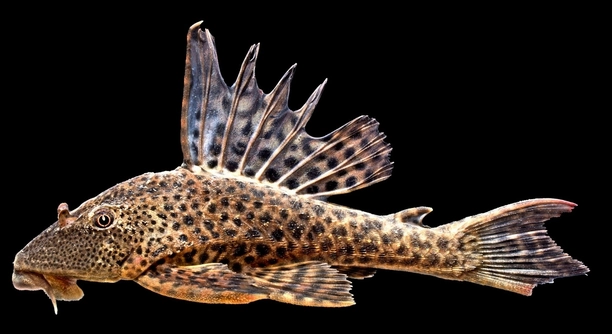
Plecos are fascinating creatures that can often be seen swimming gracefully in aquariums. Their unique appearance and quirky behaviors capture the attention of many fish enthusiasts. However, their expressions raise an interesting question.
Plecos, like most fish, do not have the ability to smile in the way humans do. Their facial structure does not allow for facial expressions commonly associated with emotions. However, their behavior and body language can convey comfort and contentment.
Understanding how plecos communicate through body movements and actions will provide insight into their well-being. Their behavior reveals more than a simple expression.
The Pleco’s Natural Behavior
Plecos have an interesting way of interacting with their environment, which is often mistaken for “smiling.” They use their large mouths to suck onto surfaces like rocks and decorations. This behavior, known as “suction feeding,” is part of their natural cleaning habits. They also have a strong preference for certain areas in an aquarium, like hidden spots or the edges of decorations, which provides them with security. While they may not be expressing emotions in a human sense, their actions can reflect a sense of comfort in their habitat.
Their social behavior is mostly independent. They do not seek out interaction with other fish unless necessary, such as when competing for food or space. Despite this, plecos can live harmoniously with other tank mates, provided they have enough space to move around. The way they position themselves and explore the tank shows they are content in their environment. Their “smiles” are simply their way of using their anatomy for practical purposes.
Interpreting Pleco Body Language
Plecos use their bodies to communicate comfort. When they are at ease, they often remain in a relaxed position, close to a surface. They also exhibit active swimming, signaling well-being. This body language is more about function than emotion.
Plecos do not exhibit classic facial expressions but instead rely on subtle cues in their behavior to communicate their needs. When a pleco is stressed, you may notice it spending less time in its usual resting spots or hiding in more secluded areas. This shift can indicate discomfort or disruption in their environment. On the other hand, when they are actively cleaning or exploring, it shows they are healthy and content.
How Plecos React to Different Environments
Plecos are sensitive to changes in their environment. When water conditions are not optimal, they may hide more often, signaling discomfort. Temperature fluctuations or improper pH levels can cause stress, affecting their behavior. They may stop feeding or move sluggishly if the water is not to their liking.
In a stable tank with clean water and adequate space, plecos become more active. They will roam around to clean surfaces and swim freely. Providing them with hiding spots and well-maintained water ensures they feel safe and content. This freedom of movement and the ability to clean their surroundings keeps them healthy and happy. Without these factors, they may exhibit signs of distress, such as staying in one spot or avoiding light.
The presence of other fish can also impact a pleco’s behavior. If a tank mate is overly aggressive or territorial, the pleco may retreat to a hiding place more often. This behavior is their way of avoiding conflict. They will still go about their natural cleaning duties but may be more withdrawn, especially during feeding times.
The Pleco’s Diet and Its Effect on Behavior
Plecos are primarily herbivores but will occasionally consume algae or decaying matter. Their diet plays a significant role in their behavior. When they are not fed properly, their energy levels drop, and they may stop engaging with their environment. An imbalanced diet can also lead to health issues.
To ensure a healthy pleco, it’s important to provide a variety of foods that mimic their natural diet, such as algae wafers, fresh vegetables, and occasional protein-rich treats. They should also have access to surfaces where algae can grow. This helps them fulfill their natural foraging instincts. If they are fed too much protein or not enough fiber, they may exhibit sluggish behavior or develop digestive issues.
Additionally, plecos need access to fresh vegetables like zucchini, cucumber, or spinach. These foods contribute to their well-being and stimulate activity. Offering a balanced diet that includes fiber encourages them to stay active and maintain healthy body functions, like cleaning their surroundings. Keeping them well-fed with a variety of nutritious foods ensures their health and happiness in the aquarium.
Pleco Tank Setup
A pleco’s tank should have plenty of hiding spaces and smooth surfaces for cleaning. Rocks, caves, and driftwood work well for this purpose. These elements provide the pleco with a place to rest and feel secure. Avoid sharp objects that could damage their sensitive skin.
Water quality is crucial. Regular water changes and a good filtration system help maintain the necessary conditions. Plecos prefer slightly acidic to neutral water with temperatures between 74°F to 80°F. Keeping the tank clean and stable promotes healthy behavior and prevents stress. The right setup ensures they can thrive without complications.
Pleco Compatibility with Other Fish
Plecos are generally peaceful fish, but they need enough space to avoid conflict. They can coexist with most other fish, especially those that aren’t aggressive. Larger fish or species with territorial tendencies may pose problems, so it’s important to carefully select tank mates.
When kept with calm, non-aggressive fish, plecos contribute to a balanced ecosystem by helping control algae. However, their space needs should not be overlooked. Adequate tank size is essential to ensure they aren’t stressed by other fish. Plecos usually keep to themselves, but overcrowding can lead to tension.
Signs of Stress in Plecos
Stress in plecos is often shown through behavior changes, such as excessive hiding or loss of appetite. They may spend more time in dark corners or stay near the tank’s filter, avoiding light. These signs indicate discomfort, often caused by water quality issues or aggressive tank mates.
FAQ
Can plecos really smile?
No, plecos cannot smile in the way humans do. They don’t have facial muscles that allow for expressions. What may look like a “smile” is just their mouth being open while feeding or resting. Their mouths are naturally shaped to help them suction onto surfaces, which may give the impression of a smile, but it’s simply their anatomy in action.
What is the best diet for a pleco?
A balanced diet is crucial for plecos to stay healthy. They are primarily herbivores, so they should be fed algae wafers, vegetables like zucchini, cucumber, and spinach, and sometimes protein-rich foods like bloodworms. It’s important to offer a variety of food to mimic their natural diet and ensure they get all the nutrients they need. Overfeeding protein can lead to digestive problems, so vegetables should be the staple of their diet.
How big do plecos get?
The size of a pleco depends on the species. Common plecos can grow up to 12-15 inches, while some species, like the giant pleco, can grow even larger, reaching over 24 inches. In a home aquarium, they may not reach their maximum size if they don’t have enough space. It’s important to choose a tank that provides plenty of room for the pleco to grow and swim comfortably.
How do I know if my pleco is stressed?
Stress in plecos can be identified through behavior changes. If your pleco is hiding more than usual, especially in dark corners, or if it’s avoiding food, these are signs of stress. Other signs include sluggish swimming, staying near the filter, or frequent scratching against tank surfaces. Stress can be caused by poor water quality, aggressive tank mates, or insufficient space.
How often should I feed my pleco?
Feeding your pleco once or twice a day is usually sufficient. They can graze throughout the day, but it’s important not to overfeed. Plecos are nocturnal, so they may prefer to eat during the night. Providing vegetables and algae wafers for them to nibble on during the night can help mimic their natural feeding habits.
Can plecos live with other fish?
Yes, plecos can live with other fish as long as the tank is large enough and the other fish are peaceful. They are bottom dwellers, so they generally keep to themselves. However, it’s important to avoid placing them with aggressive or territorial species that might compete for space or food. Plecos do best with other calm, non-aggressive fish like tetras or peaceful cichlids.
What is the ideal tank size for a pleco?
A pleco requires a large tank to thrive. A minimum of 50 gallons is recommended for a single pleco. Larger species may require even bigger tanks to accommodate their size. The tank should have plenty of hiding spots and smooth surfaces for the pleco to clean. A larger tank also helps maintain water quality and reduces the risk of stress from overcrowding.
How can I tell if my pleco is healthy?
Healthy plecos are active and regularly clean tank surfaces. They should have a clean, smooth body, free from visible wounds or parasites. A healthy pleco will have clear eyes and swim normally. If your pleco is eating regularly and exploring its environment, it’s likely in good health. Any signs of lethargy, loss of appetite, or visible changes in appearance should be addressed immediately.
Do plecos need a filter?
Yes, plecos need a filter in their tank. They produce a lot of waste, so a good filtration system is essential to maintain water quality and ensure the health of the fish. A filter will help remove debris and excess nutrients from the water, preventing algae overgrowth and harmful bacteria buildup. Regular water changes and a reliable filter will keep your pleco’s environment clean and stable.
How do plecos help with algae control?
Plecos are known for their algae-eating habits. They will graze on algae that grow on tank surfaces, rocks, and decorations. This natural cleaning helps reduce the amount of algae buildup in the tank, keeping it visually appealing. However, they should not be relied upon as the sole method of algae control. Regular tank maintenance, such as cleaning the glass and doing water changes, is also important.
What kind of decorations should I include in a pleco tank?
Plecos love hiding spots, so it’s important to provide caves, driftwood, and rocks in the tank. These not only offer a place to rest but also give them surfaces to clean. Smooth rocks or slate are good choices because plecos can scrape algae off these surfaces. Avoid sharp decorations that could damage their delicate skin. Adding plants can also help create a natural environment, but be sure to choose hardy varieties that won’t be easily damaged.
Can plecos live alone in a tank?
Yes, plecos can live alone in a tank. They are solitary creatures by nature and often prefer to have their own space. While they can coexist with other peaceful fish, they don’t require companionship to thrive. A single pleco in a properly sized tank with good water quality and adequate food will live a happy and healthy life.
Why does my pleco stay on the glass all the time?
If your pleco spends a lot of time on the glass, it’s usually because it’s grazing on algae. Plecos naturally eat algae, which can grow on the tank’s walls, decorations, and rocks. This behavior is perfectly normal and a sign that your pleco is doing its job as a cleaner. If your pleco is staying on the glass and not moving much otherwise, it may indicate that it’s hungry or the water conditions need to be checked.
Final Thoughts
Plecos are fascinating fish that can be a valuable addition to any aquarium. Their unique behavior and algae-eating abilities make them a great choice for aquarium owners who want to maintain a clean tank. While they may appear to smile at times, it’s important to remember that this is simply due to their natural mouth structure. Understanding their needs, such as proper tank size, water conditions, and diet, is key to keeping them healthy and happy.
When setting up a tank for a pleco, make sure to provide plenty of hiding spots and smooth surfaces. Plecos thrive in environments where they feel secure, so rocks, caves, and driftwood can help meet this need. It’s essential to choose compatible tank mates, as plecos prefer peaceful environments. Regular water changes and proper filtration will also ensure the pleco stays healthy by maintaining good water quality, which is crucial for their overall well-being. Their water preferences, like slightly acidic to neutral pH and warm temperatures, should not be overlooked.
Plecos can live a long time in the right conditions, and their peaceful nature makes them great tank mates when placed in a suitable environment. However, they can grow large, so ensuring a properly sized tank is important. Monitoring their behavior for signs of stress, like hiding more than usual or not eating, can help prevent health issues. Overall, plecos are low-maintenance fish that can live harmoniously in a well-maintained tank, contributing to a clean and peaceful aquatic ecosystem.

Hello,
If you enjoy the content that we create, please consider saying a "Thank You!" by leaving a tip.
Every little bit helps us continue crafting quality advice that supports the health, happiness, and well-being of pets around the world, for pets of all shapes, sizes, and species.
We really appreciate the kindness and support that you show us!