
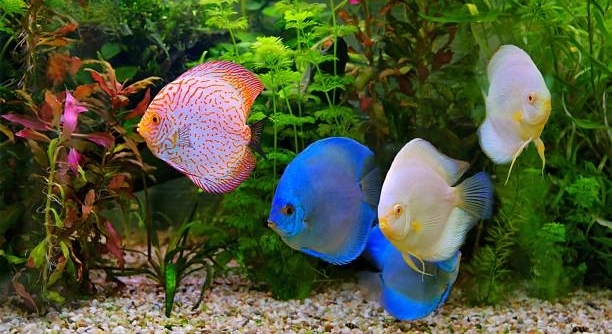
Have you ever set up a discus tank and wondered if a breeder box is absolutely necessary for raising them successfully? These colorful fish are popular, but their breeding habits can feel a little tricky at first.
It is possible to raise discus without a breeder box, although it requires more attention to tank conditions and fry safety. A well-maintained tank with clean water, stable temperature, and proper feeding schedules can support healthy fry development outside of a box.
Knowing what to expect can help you decide if skipping the breeder box is right for your setup and your fish.
What Happens Without a Breeder Box
Raising discus without a breeder box means the fry will stay in the main tank with the adult fish. This setup can work if the tank is calm, the water is clean, and there are no aggressive tank mates. Adult discus often care for their fry by letting them feed on their slime coat, especially in the early stages. However, without a separate space, there’s a greater chance of fry being disturbed or picked on by other fish. Strong filtration, consistent water changes, and a gentle environment are essential. Discus can be sensitive, so keeping everything stable is key to giving the fry the best chance to grow. The tank should be free of loud movements or sudden changes that could stress the adults. Fry that are too stressed may not feed properly, so keeping their surroundings peaceful helps a lot when you aren’t using a breeder box.
A bare-bottom tank helps keep things clean and makes monitoring fry easier.
It’s also helpful to limit how many fish are in the tank while the fry are young. Too much competition or activity can affect their feeding and survival. Make sure adults are comfortable, healthy, and not overly stressed by their surroundings or each other. Watch for signs of aggression or disinterest in parenting behavior.
Keeping the Fry Safe and Fed
It’s important to keep food small and consistent for growing fry in a shared tank.
Fry raised without a breeder box still rely heavily on the adult discus in their early days. They’ll feed on the parents’ mucus for the first week or two, but soon after, they need frequent meals. Start with baby brine shrimp, then move on to finely crushed flakes or powdered fry food. Feed several times a day to help them grow steadily. Clean up any leftover food right away, as it can spoil the water and harm the fry. Even if you’re not using a breeder box, try to keep part of the tank calmer for the fry to gather and feed. Sponges or plants can help create safe spaces. Keep a close eye on how many fry are feeding and if they look active. If they seem weak or are not growing evenly, check your feeding schedule and tank conditions. Small changes can make a big difference.
Managing Water Quality and Tank Setup
Clean water matters more than anything when raising discus fry without a breeder box. Daily water changes, even if small, help maintain stable conditions. Use a sponge filter to avoid sucking up tiny fry and to keep water flow gentle across the tank.
The tank should be simple, with no gravel and minimal decorations. A bare-bottom setup is easier to clean and allows uneaten food and waste to be removed quickly. Keep the temperature stable, around 82–86°F, and make sure ammonia and nitrite levels stay at zero. Discus fry are sensitive and won’t tolerate poor water. Use a heater with a cover to avoid burns and place a thermometer on the opposite side to monitor the tank consistently. Avoid any sudden changes in pH or temperature, and test water regularly. Add fresh dechlorinated water slowly so it doesn’t disturb the fry or lower the temperature too quickly.
Lighting should be soft and consistent. Too much light can stress both the parents and the fry, especially if they have no cover. Use sponge filters instead of strong ones to prevent the fry from being pulled in. Keep the tank near a quiet spot to limit movement and reduce stress on the fish. Avoid loud noises or tapping the glass.
Watching for Signs of Trouble
If the adult discus stop caring for the fry or seem too stressed, you may need to step in.
Some pairs may not raise fry well in a shared tank. They might ignore or eat the fry if they feel unsafe or too disturbed. If this happens, you can try moving the fry to a separate tank once they start eating on their own. Use water from the main tank to make the transition smooth and keep conditions stable. Make sure the fry are big enough to handle the move and that the new tank is fully prepared. Frequent small meals and clean water are still necessary even after the move.
If you notice the fry huddling at the bottom, gasping, or failing to feed, check the water immediately. Ammonia spikes, cold water, or poor feeding schedules can lead to problems fast. Parents that become aggressive may also be a threat. Remove aggressive fish if needed or add a divider to create space. Not all discus will parent successfully in a mixed tank, and that’s okay. Some simply need more practice or a quieter setup. Focus on keeping conditions steady and watch closely for changes in behavior or fry activity.
When to Use a Breeder Box Instead
If the parents show signs of stress or begin to eat the fry, using a breeder box can help protect the young. It gives the fry a safer space while keeping water conditions the same as the main tank.
Breeder boxes are also helpful if tank mates disturb the fry too much. In a busy tank, even peaceful fish can accidentally interfere with feeding or damage delicate fins. A box gives you more control over their space and feeding schedule.
Breeding Pairs That Struggle Without Help
Some discus pairs may not bond well or may lack experience raising fry in a shared tank. They can become nervous, aggressive, or completely ignore the fry. In these cases, it’s safer to separate them. A breeder box, divider, or dedicated breeding tank can improve success. Give them a chance to practice parenting in a calmer setup before trying again without extra help. This doesn’t mean the pair is bad—it just means they need the right environment to succeed. Watch their behavior and adjust things early if fry care seems to be failing or too chaotic.
Final Thoughts on Raising Without a Box
Raising discus without a breeder box takes more attention but can be done with care, clean water, and calm surroundings.
FAQ
Can discus fry survive without a breeder box?
Yes, discus fry can survive without a breeder box if the tank conditions are well maintained. The water must be clean, temperature stable, and free of aggressive tank mates. Parents need to be calm and attentive to their fry. However, this method requires careful monitoring to avoid stress or fry loss.
How often should water be changed when raising discus fry without a breeder box?
Daily small water changes, around 10-20%, help maintain stable water quality. Frequent changes prevent buildup of harmful ammonia and nitrites, which discus fry cannot tolerate. Make sure replacement water is dechlorinated and matched in temperature to avoid shocking the fish.
What food should be given to discus fry without a breeder box?
During the first one to two weeks, fry rely mainly on their parents’ mucus for nutrition. After that, feeding baby brine shrimp or finely crushed fry food multiple times a day helps growth. Clean uneaten food regularly to keep water quality high.
Is it necessary to remove other fish when raising discus fry without a breeder box?
It is often necessary to remove or separate other fish to reduce stress and prevent them from harming the fry. Even peaceful tank mates can accidentally disrupt fry feeding or damage them. Keeping the tank quiet and calm improves survival chances.
What signs show that the parents are stressed or not caring for the fry properly?
If parents stop guarding or feeding the fry, chase them aggressively, or ignore them completely, these are signs of stress or poor parenting. Sudden changes in water or tank conditions can cause this behavior. Intervene early by separating fry or adjusting tank conditions.
Can discus fry be moved to a breeder box after a few days in the main tank?
Yes, once fry start feeding on their own and are a bit bigger, they can be moved carefully to a breeder box. Use water from the main tank to fill the breeder box and make the transition smooth. Continue feeding small meals frequently and keep the water clean.
What temperature is best for raising discus fry without a breeder box?
Maintain a stable temperature between 82 and 86°F (28–30°C). Avoid sudden temperature changes, as discus fry are sensitive and can become stressed or sick if water conditions fluctuate. Use a reliable heater and monitor temperature daily.
How can I create safe spaces for fry without using a breeder box?
Adding sponge filters, broad leaves, or smooth decorations can create calm areas where fry gather and feed. These also reduce water current strength, making the environment less stressful for small fry. Keep these areas clean and free from debris to promote healthy growth.
What are the risks of raising discus fry without a breeder box?
The biggest risks are fry being injured or eaten by adult fish or tank mates, poor water quality, and stress from too much movement or noise. These factors can lead to stunted growth, illness, or death if not managed properly.
How long do discus fry stay with their parents?
Fry typically stay close to their parents for about 3 to 4 weeks. During this time, they feed on mucus and begin eating small live foods. After this period, they become more independent but still benefit from stable tank conditions and regular feeding.
Can a breeder box be used for some fry but not all?
Yes, some breeders separate only a portion of the fry if survival rates are low or if the parents are selective. This method allows protection of the weakest fry while keeping others with the parents. It requires careful observation and timing.
What equipment is recommended for raising discus fry without a breeder box?
A sponge filter is ideal to provide gentle filtration without sucking up fry. A heater with a thermostat keeps the temperature stable. Use a bare-bottom tank for easier cleaning, and have a reliable water testing kit to monitor ammonia, nitrite, nitrate, and pH levels regularly.
How to handle aggression from adult discus during fry raising?
If adults show aggression, try separating aggressive fish or use tank dividers to give fry space. Reduce stress by limiting sudden tank disturbances. If aggression persists, consider using a breeder box or moving fry to a separate tank to improve survival.
Are there any special lighting needs when raising discus fry without a breeder box?
Soft, consistent lighting is best. Bright or flickering lights can stress both parents and fry. Use a timer to maintain a regular day-night cycle, which helps reduce stress and supports normal feeding and growth behaviors.
What is the best way to introduce fry to solid foods without a breeder box?
Start offering baby brine shrimp or finely crushed fry food several times a day after the first week. Place food near the fry and parents to encourage feeding. Remove leftovers quickly to avoid water pollution. Watching the fry eat helps adjust feeding amounts and schedules.
How can I tell if the fry are growing properly?
Healthy fry swim actively, feed well, and grow steadily over the weeks. Uneven growth, lethargy, or constant hiding may signal problems. Check water quality and feeding routines if fry appear weak or slow to develop. Consistency in care is key to success.
Raising discus without a breeder box is possible but requires careful attention and patience. The key is maintaining a stable environment with clean water, proper temperature, and minimal stress for both parents and fry. Without a breeder box, the risks of fry being injured or ignored by adult fish increase, so constant monitoring is necessary. If parents are attentive and the tank setup is calm, fry have a better chance to survive and grow healthy. Daily water changes and gentle filtration help create the right conditions. It is important to remember that every pair of discus behaves differently, and what works for one may not work for another.
Keeping the tank simple and quiet supports successful raising without a breeder box. Removing or separating other fish can prevent accidental harm to the fry. Parents need room and peace to care for their young. Using a bare-bottom tank makes cleaning easier and keeps water quality high. Feeding the fry frequently with appropriate foods supports their growth once they start eating on their own. Observing the behavior of both adults and fry is important to notice any signs of stress or aggression early. If problems appear, stepping in with a breeder box or separating the fry can improve survival chances.
Overall, raising discus without a breeder box takes more effort and attention but can be rewarding. It encourages natural behavior from the parents and allows fry to stay in the main tank environment. The process requires careful water management, steady feeding schedules, and watching fish behavior closely. This method is best suited for hobbyists willing to invest time and patience. Understanding the needs of discus and adapting the tank setup accordingly will increase the likelihood of success. By focusing on water quality, calm surroundings, and attentive care, it is possible to raise healthy discus fry without relying on a breeder box.

Hello,
If you enjoy the content that we create, please consider saying a "Thank You!" by leaving a tip.
Every little bit helps us continue crafting quality advice that supports the health, happiness, and well-being of pets around the world, for pets of all shapes, sizes, and species.
We really appreciate the kindness and support that you show us!