
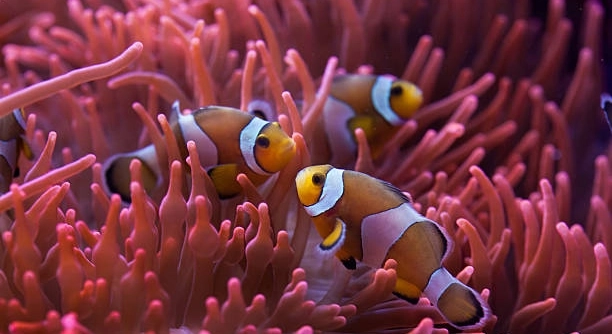
Raising clownfish is a popular interest among aquarium enthusiasts who enjoy colorful marine life. Many wonder about the best environment for these fish to thrive. Understanding their habitat needs is important before starting a home aquarium.
Clownfish require saltwater to survive because their biology depends on the specific chemical balance of marine environments. Freshwater or non-saltwater setups cannot support their health, growth, or reproduction effectively. Saltwater provides essential minerals and conditions for their wellbeing.
Knowing the reasons behind this need helps create a better environment for clownfish care. The details will guide hobbyists toward successful marine fish keeping.
Why Clownfish Need Saltwater
Clownfish live naturally in ocean environments where saltwater provides the right balance of minerals and nutrients. Their bodies have adapted to this specific environment over time, meaning they rely on saltwater to maintain proper cellular functions and osmotic balance. Freshwater lacks these necessary minerals, causing stress and eventually health problems for clownfish. Without saltwater, clownfish cannot regulate their internal salt levels, which affects breathing, digestion, and overall metabolism. Attempting to keep clownfish in freshwater will quickly lead to serious issues and shortened lifespans. For those interested in raising clownfish, it is essential to replicate their natural habitat as closely as possible. Using marine salt mixes and maintaining stable salinity levels are key to ensuring they remain healthy and active. This environment also supports the tiny organisms clownfish feed on, contributing to their growth and wellbeing.
Proper saltwater conditions protect clownfish from disease and promote natural behavior patterns.
Understanding these needs will improve the care provided and help keep clownfish thriving in captivity.
Setting Up a Saltwater Tank
Creating a saltwater tank involves precise steps to mimic the ocean’s conditions. It starts with selecting the right tank size, which should be at least 20 gallons for clownfish. Proper filtration and water circulation are necessary to maintain cleanliness and oxygen levels. Adding a marine salt mix to freshwater creates the required salinity, typically between 1.020 and 1.025 specific gravity. Testing kits help monitor water parameters such as pH, ammonia, nitrites, and nitrates, which must be stable. Live rock or coral adds natural filtration and hiding places for the fish, contributing to a balanced ecosystem. Temperature control is also important, keeping the water between 74 and 79 degrees Fahrenheit. Setting up the tank carefully before introducing clownfish reduces stress and ensures they adapt well. Regular maintenance, including water changes and monitoring, keeps the environment stable for long-term health.
Proper setup is critical for establishing a supportive home for clownfish in captivity.
Common Challenges in Saltwater Aquariums
Maintaining a saltwater aquarium for clownfish can come with challenges. One common issue is keeping water parameters within safe limits, as changes in salinity, pH, or temperature can stress the fish. Algae growth can become excessive if lighting and nutrients are not balanced. Overfeeding may pollute the water, leading to poor conditions. Equipment failures, such as pumps or heaters, can quickly harm the fish if not detected and fixed. Patience is necessary when cycling a new tank, as it takes time for beneficial bacteria to develop and stabilize. Understanding each component of the tank setup and routine monitoring helps prevent these problems. Using quality equipment and following a regular cleaning schedule improves the chances of success. Despite these difficulties, many find that careful attention results in a healthy environment where clownfish flourish and display their natural colors and behaviors.
Clownfish care requires consistent effort but offers rewarding results when done correctly.
Feeding Clownfish in Saltwater
Clownfish require a diet that mimics what they find in the ocean. This includes a mix of protein-rich foods like brine shrimp, mysis shrimp, and specially formulated marine pellets. Feeding them a balanced diet supports their health and vibrant coloration.
Providing variety in their diet is important to meet nutritional needs. Frozen or live foods can stimulate natural hunting behaviors. Pellets and flakes designed for marine fish ensure they receive essential vitamins and minerals. Overfeeding should be avoided to maintain water quality. Feeding small amounts two to three times daily works well for clownfish. Observing their eating habits helps adjust portion sizes. Clean up any uneaten food promptly to prevent pollution. Proper nutrition encourages growth and boosts the immune system, helping clownfish resist diseases.
Offering a diet similar to their natural intake supports overall wellbeing. Monitoring feeding routines benefits both fish and aquarium conditions.
Common Mistakes to Avoid
One frequent mistake is using freshwater instead of properly mixed saltwater. This harms clownfish quickly. Another error is neglecting water testing, leading to unstable tank conditions. Overcrowding the tank can cause stress and aggression among fish.
Inexperienced caretakers sometimes rush to add fish before the tank fully cycles, exposing clownfish to harmful toxins like ammonia and nitrites. Skipping regular maintenance, such as water changes and filter cleaning, worsens water quality and risks disease. Poor diet or overfeeding also leads to health problems. Ignoring signs of stress or illness delays treatment and reduces survival chances. Understanding and avoiding these errors improves clownfish care. Patience and routine upkeep are essential for a thriving saltwater aquarium. Following proper guidelines ensures a healthy environment and long life for clownfish.
Water Quality Monitoring
Maintaining stable water quality is crucial for clownfish health. Regular testing for salinity, pH, ammonia, nitrites, and nitrates helps catch issues early. Consistent monitoring prevents sudden changes that stress the fish.
Using reliable test kits and keeping records of water parameters makes it easier to track trends. Adjustments can be made promptly to maintain a balanced environment.
Suitable Tank Mates
Clownfish can live peacefully with many other saltwater species. Choose tank mates that are non-aggressive and similar in size to avoid conflicts. Avoid large or territorial fish that may stress clownfish.
Compatible species include certain damselfish, gobies, and small wrasses. Proper selection helps create a harmonious aquarium community.
Tank Size Recommendations
A minimum of 20 gallons is recommended for keeping clownfish comfortably. Larger tanks provide more stable water conditions and space for natural behaviors. Crowded tanks increase stress and disease risks.
Importance of Lighting
Lighting supports coral and live rock health in marine tanks. It also influences clownfish behavior and coloration. Use lighting appropriate for saltwater aquariums to maintain a balanced ecosystem.
FAQ
Can clownfish survive in freshwater?
No, clownfish cannot survive in freshwater. Their bodies depend on the salt concentration and minerals found only in marine environments. Freshwater causes osmotic stress, damaging their cells and leading to rapid health decline. Maintaining proper saltwater conditions is essential for their survival and well-being.
How often should I change the water in a saltwater tank?
Water changes should be done regularly, typically 10-20% every one to two weeks. This helps remove toxins, replenish minerals, and maintain water quality. Frequent partial changes support stable conditions without shocking the fish. Avoid full water changes, as they disrupt the tank’s natural balance.
What is the ideal salinity level for clownfish tanks?
The ideal salinity range is between 1.020 and 1.025 specific gravity. This mimics natural ocean water and ensures proper fish metabolism and health. Salinity can be tested using a refractometer or hydrometer. Sudden changes should be avoided to reduce stress on clownfish.
Can clownfish live with other fish?
Yes, clownfish can coexist with many peaceful marine fish. Choose tank mates carefully, avoiding aggressive or much larger species. Suitable companions include damselfish, gobies, and some wrasses. This promotes a peaceful environment and reduces stress.
What should I feed my clownfish?
Clownfish require a varied diet including marine pellets, flakes, frozen or live foods like brine shrimp and mysis shrimp. A balanced diet promotes vibrant colors and strong health. Feed small amounts two to three times daily, removing uneaten food to prevent water pollution.
How do I know if my clownfish is healthy?
Healthy clownfish swim actively, show bright colors, and eat regularly. Signs of illness include lethargy, loss of appetite, faded colors, clamped fins, or unusual spots. Early detection and treatment improve survival chances. Maintain good water quality and diet to prevent illness.
Is it necessary to cycle a saltwater tank before adding clownfish?
Yes, cycling is essential. It allows beneficial bacteria to develop, which break down harmful ammonia and nitrites. Adding fish before cycling exposes them to toxic conditions, risking health or death. The process typically takes four to six weeks and should be confirmed with water tests.
What temperature should I keep the clownfish tank?
Maintain a stable temperature between 74°F and 79°F (23°C to 26°C). Temperature fluctuations stress clownfish and can lower immunity. Use a reliable heater and thermometer to monitor and control temperature consistently.
Can I keep clownfish without live rock or coral?
Live rock provides natural filtration and hiding places, improving tank stability and fish comfort. While not strictly required, it is highly recommended. Coral enhances the environment but is optional depending on the tank setup. Without live rock, additional filtration is needed.
How do I prevent diseases in my clownfish tank?
Prevent diseases by maintaining water quality, feeding properly, and avoiding overcrowding. Quarantine new fish before adding them to the tank to reduce disease introduction. Regularly inspect fish for early signs of illness and treat promptly if needed.
Can clownfish reproduce in captivity?
Yes, clownfish can breed in captivity under the right conditions. They require stable water parameters, appropriate tank size, and a suitable environment for egg laying. Breeding pairs show distinct behaviors like cleaning surfaces and protecting eggs. Raising fry requires careful care and feeding.
What are signs of stress in clownfish?
Stress signs include hiding excessively, rapid breathing, loss of color, and erratic swimming. Stress often results from poor water quality, aggressive tank mates, or sudden changes. Addressing causes quickly helps prevent illness and improves fish wellbeing.
How long do clownfish typically live?
In captivity, clownfish can live up to 10 years or more with proper care. Longevity depends on stable water conditions, good nutrition, and disease prevention. Some species may have slightly different lifespans, but attentive care is always important.
Is it necessary to use a protein skimmer in a clownfish tank?
A protein skimmer helps remove organic waste before it breaks down, improving water quality. While not always mandatory in smaller tanks, it is beneficial in larger or heavily stocked aquariums. It reduces toxins and supports healthier fish and coral.
Can I use tap water to prepare saltwater for my clownfish?
Tap water contains chlorine and other chemicals harmful to marine life. Always use purified or filtered water, such as reverse osmosis (RO) or distilled water, when mixing saltwater. This ensures a safe environment free from contaminants.
How do I acclimate clownfish to a new tank?
Acclimate slowly by floating the sealed bag in the tank water to equalize temperature. Then gradually add small amounts of tank water to the bag over one to two hours. This helps the fish adjust to new water chemistry and reduces shock.
These answers cover the most common concerns about raising clownfish. Careful attention to their environment and needs helps ensure their health and longevity.
Raising clownfish requires a clear understanding that they must live in saltwater environments. Their natural habitat is the ocean, where saltwater provides the right balance of minerals and conditions for their bodies to function properly. Without saltwater, clownfish face serious health problems and cannot survive for long. This fact is important to remember when planning a home aquarium for these fish. Ensuring the right water type helps maintain their health, growth, and natural behavior.
Setting up a saltwater tank takes careful preparation. It is necessary to use marine salt mixes and regularly test the water to keep salinity and other parameters stable. Maintaining temperature, proper filtration, and a clean environment also plays a big role in the wellbeing of clownfish. The process can seem complicated at first, but with routine care and attention, it becomes manageable. Keeping the tank balanced prevents stress and illness, allowing clownfish to live comfortably and display their vibrant colors.
Overall, keeping clownfish can be rewarding when their needs are properly met. While they cannot live without saltwater, creating a suitable marine environment offers the best chance for their health and longevity. Understanding feeding, tank size, and compatible tank mates further supports their care. With patience and commitment, it is possible to enjoy these colorful fish in a thriving home aquarium. The effort put into maintaining the right conditions ensures clownfish stay healthy and active for many years.

Hello,
If you enjoy the content that we create, please consider saying a "Thank You!" by leaving a tip.
Every little bit helps us continue crafting quality advice that supports the health, happiness, and well-being of pets around the world, for pets of all shapes, sizes, and species.
We really appreciate the kindness and support that you show us!