
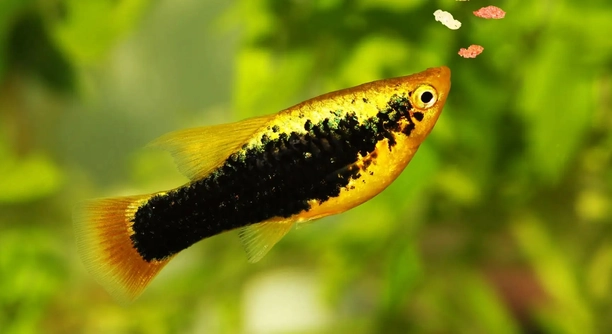
Platies are popular freshwater fish often kept as pets. Many owners like to provide toys or enrichment to keep them active and engaged in their tanks. Understanding how these toys affect platies is important for their wellbeing.
Overstimulating a platy with toys is unlikely if proper care is taken. Excessive or overly stimulating objects can cause stress, but moderate use of toys designed for fish enrichment supports mental and physical health without harm.
Learning the right balance of stimulation can help ensure your platy remains healthy and happy in its environment. This article explores how toys impact platies and what to watch for.
What Causes Overstimulation in Platies?
Overstimulation in platies happens when their environment becomes too busy or stressful. This can occur if there are too many toys, bright lights, or constant movement in the tank. Platies prefer calm surroundings with enough space to swim freely. When toys are introduced, they should be simple and spaced out to avoid overwhelming the fish. Overly bright colors or sharp shapes may cause discomfort. Also, too much interaction, like tapping on the glass or sudden changes in water conditions, adds to their stress. Keeping a balance is key to ensuring platies feel secure and relaxed. Observing your fish’s behavior can help you spot signs of overstimulation early, such as hiding or erratic swimming. By managing their environment carefully, you help platies stay calm and healthy.
Platies respond best to calm environments with gentle stimulation and plenty of swimming space. Avoid crowding the tank with too many toys or decorations.
The right approach is to introduce toys gradually, choosing those that encourage natural behaviors like exploring and resting. Soft plants or smooth rocks work well. Rotate toys every few weeks to maintain interest without causing stress. Consistent water conditions and moderate lighting also support a peaceful habitat. This way, platies remain curious but not overwhelmed, balancing enrichment with comfort.
How to Use Toys Safely with Platies
Keeping platies safe means using toys thoughtfully. Only select items designed for aquarium use to avoid harmful chemicals. Toys should have smooth edges to prevent injury. Clean toys regularly to stop algae or bacteria buildup. Placing toys in different tank areas encourages platies to explore but also lets them avoid interaction when they want to rest. Avoid overcrowding the tank with too many objects, as this limits swimming space and increases stress. Use toys to complement a natural environment, not replace it. Observe your platies’ reactions after adding toys and remove any that cause fear or aggression. Safe, simple enrichment helps platies stay active and happy while reducing the chance of overstimulation.
Signs Your Platy Is Overstimulated
Platies show clear signs when they are overstimulated. These include hiding more than usual, erratic swimming, and refusing to eat. Stress can also make their colors fade or cause them to become aggressive toward tank mates.
When overstimulated, platies often dart around the tank nervously or stay near the bottom or corners. They might avoid toys or decorations and seem restless. A stressed fish can lose its appetite, which affects its health over time. Watching for these behaviors helps prevent long-term problems. If you notice these signs, reduce the number of toys and simplify the environment to help your platy feel safe again.
Stress weakens the immune system, making platies more vulnerable to illness. Overstimulation may lead to health issues like fin damage or infections. By maintaining a calm, balanced environment, you can help your platy stay healthy and active.
Best Types of Toys for Platies
Soft plants and smooth stones are ideal toys for platies because they mimic natural habitats without causing stress or injury. Floating toys can add variety without crowding the tank.
These toys provide safe places for exploration and resting spots. They encourage natural behaviors like hiding and swimming through spaces. Avoid sharp or brightly colored objects that might scare platies. Toys that move gently with the water current can attract interest without overwhelming. Keep the number of toys limited to ensure enough swimming space, which is vital for platy health. Regularly changing the arrangement keeps the tank stimulating without creating chaos. Selecting simple, natural-feeling toys is the best way to enrich your platy’s tank safely.
How Often Should You Change Toys?
Changing toys too often can confuse or stress platies. Keeping the same toys for several weeks helps them feel secure. A slow rotation every month is usually enough to keep things interesting without causing overstimulation.
Observe your platies’ reactions when new toys are added. If they seem unsettled, give more time before making another change. Stability in their environment is key.
Importance of Tank Size and Layout
A spacious tank with an open swimming area reduces the chance of overstimulation. Toys and decorations should not overcrowd the tank. Adequate space allows platies to explore and rest as needed, promoting a healthy and stress-free environment.
Monitoring Your Platy’s Behavior
Watch your platy’s behavior daily. Calm swimming and regular feeding indicate comfort. Changes like hiding or aggression signal stress and need for adjustments.
FAQ
Can platies get stressed from too many toys?
Yes, platies can become stressed if their tank has too many toys or decorations. Overcrowding limits swimming space and makes the environment overwhelming. Platies prefer simple surroundings with enough room to move freely. Too many bright or sharp toys can cause anxiety and stress behaviors.
How can I tell if my platy is stressed?
Signs of stress include hiding often, darting around nervously, refusing food, and losing color. Stress may also cause platies to act aggressively toward other fish or swim erratically. If you notice these changes, it is important to reduce stimuli and simplify the tank environment.
Are all toys safe for platies?
No, not all toys are safe. Only use items specifically designed for aquarium use. Toys should have smooth edges and be free from chemicals or paints that could harm fish. Avoid sharp or rough objects that could injure your platy.
How often should I clean toys in the tank?
Toys should be cleaned every few weeks to prevent algae or bacteria buildup. Use warm water and a soft brush without soap or chemicals. Clean toys help keep the tank healthy and reduce risks of infections.
Can platies get bored without toys?
Platies can benefit from some stimulation, but they do not necessarily need toys to stay happy. Natural tank decorations like plants and rocks provide enrichment. Changing the layout occasionally offers interest without overwhelming them. Overdoing toys is more harmful than boredom.
Is it better to have fewer toys or more toys?
Fewer toys are better. A few simple items encourage natural behaviors and allow enough space for swimming. Too many toys crowd the tank and increase stress. Rotate toys occasionally to keep things fresh without overwhelming your platy.
What types of toys encourage natural behavior?
Soft plants, smooth rocks, and gentle floating objects work well. These allow platies to hide, explore, and swim through spaces. Toys that move slowly with water flow attract curiosity without causing stress. Avoid bright, noisy, or sharp toys.
Should I remove toys if my platy seems stressed?
Yes, if your platy shows signs of stress after adding toys, remove some or all of them. Simplify the tank and observe if the fish returns to normal behavior. Stress relief is essential for their health.
Can toys replace plants in a platy tank?
No, toys should not replace live or artificial plants. Plants provide natural hiding spots and improve water quality. Toys are only supplemental for enrichment and should complement the natural environment.
How long can a platy tolerate a new toy?
Introduce new toys slowly, and watch your platy for at least a few days. Most platies adapt within a week if the toy is safe and simple. Remove any toy that causes prolonged stress or fear.
Are bright-colored toys bad for platies?
Bright colors can sometimes scare or overstimulate platies. They respond better to soft, natural tones that blend into the tank. Bright toys may be more suitable for other fish species but should be used cautiously with platies.
Can toys cause illness in platies?
Toys themselves do not cause illness but can contribute to stress, which weakens the immune system. Dirty or unclean toys can harbor bacteria or algae, increasing infection risks. Regular cleaning and careful selection prevent these problems.
How does tank size affect overstimulation?
Smaller tanks limit space and can make any stimuli feel overwhelming. Larger tanks allow more room to avoid constant exposure to toys or decorations. Proper tank size helps reduce stress and keeps platies comfortable.
What is the best way to introduce toys to a platy tank?
Start with one or two simple toys, and observe the fish closely. If they respond well, keep the toys in place for a few weeks. Rotate toys occasionally but avoid sudden large changes. Gradual introduction reduces stress and helps platies adjust.
Do platies prefer moving or stationary toys?
Platies usually prefer stationary or gently moving toys. Fast-moving or noisy objects may frighten them. Toys that sway slowly with the water current attract attention without causing stress.
Can overactive platies be calmed with toys?
Toys can provide stimulation to reduce boredom but won’t necessarily calm an overactive platy if stress is the cause. Addressing tank conditions and ensuring adequate space is more effective for calming fish.
Is it okay to have toys for platy fry (baby fish)?
Toys should be minimal for fry to avoid injury and stress. Small plants and open swimming space are better. As fry grow, you can slowly add simple enrichment.
How do I balance enrichment and calm for my platy?
Choose a few natural-feeling toys, maintain proper tank size, and keep stable water conditions. Rotate toys slowly and watch behavior for signs of stress. A balanced environment promotes curiosity without overstimulation.
Platies are delicate fish that thrive best in calm and balanced environments. Providing toys and enrichment in their tanks can be beneficial, but it is important to avoid overstimulation. Overcrowding the tank with too many objects or introducing overly bright or sharp toys can stress platies and impact their health. Simple, natural-feeling items like soft plants and smooth stones work best to encourage exploration and comfort. Ensuring enough open swimming space is essential for their well-being. When toys are chosen carefully and placed thoughtfully, they can support your platy’s mental and physical health without causing harm.
Monitoring your platy’s behavior is key to understanding how it reacts to toys and environmental changes. Signs of stress such as hiding, erratic swimming, loss of appetite, or faded colors should not be ignored. If these signs appear, it’s best to reduce stimuli and simplify the tank setup. Regular cleaning of toys is also important to prevent algae and bacteria buildup, which can affect water quality and fish health. By paying close attention to your platy’s needs and adjusting the environment accordingly, you help create a safe and comfortable habitat.
Finding the right balance between stimulation and calm allows platies to live happy, healthy lives. Rotating toys every few weeks can keep the tank interesting without overwhelming your fish. Always use aquarium-safe toys with smooth edges and avoid sudden changes in the tank. Maintaining proper tank size and stable water conditions further supports a stress-free environment. With careful planning and observation, you can provide your platy with an enriched home that promotes natural behaviors while preventing overstimulation. This balance is essential for their long-term health and enjoyment.

Hello,
If you enjoy the content that we create, please consider saying a "Thank You!" by leaving a tip.
Every little bit helps us continue crafting quality advice that supports the health, happiness, and well-being of pets around the world, for pets of all shapes, sizes, and species.
We really appreciate the kindness and support that you show us!