
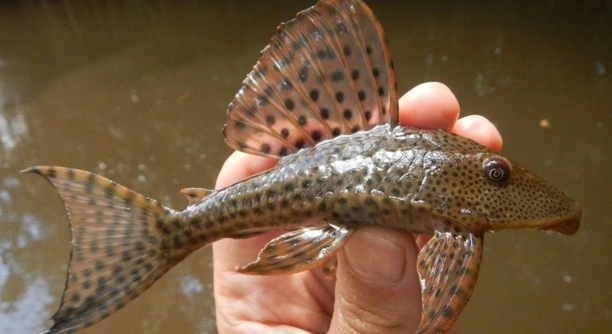
Feeding a plecostomus might seem straightforward, but overfeeding can lead to serious health issues for your fish. Proper care includes understanding their specific nutritional needs to ensure a healthy, balanced diet.
Overfeeding a plecostomus can cause digestive problems, obesity, and water quality issues. Plecos are bottom feeders and require a balanced diet to stay healthy. Providing too much food can lead to excess waste, which harms the aquarium environment.
Knowing how to properly feed your pleco ensures its long-term well-being. This guide will explain how to avoid overfeeding and promote a healthier environment for your fish.
Why Overfeeding a Plecostomus Is Harmful
Overfeeding plecostomus fish can lead to a number of issues. These fish have a unique dietary requirement, feeding mostly on algae and debris at the bottom of the tank. When overfed, their digestive systems can become overwhelmed. This can result in fatty deposits and even organ failure over time. Additionally, excess food can quickly decay in the tank, leading to an increase in harmful waste and bacteria, which directly affects the water quality. In a poorly maintained tank, the pleco’s overall health can deteriorate rapidly.
Overfeeding can also cause your plecostomus to become sluggish and inactive. Without proper food intake, it’s hard for the fish to stay active and maintain their natural behavior. This can result in stress, which weakens their immune system.
By keeping their diet controlled and consistent, you help ensure they stay healthy. It’s essential to feed your pleco the right amount of food, maintaining the balance between sustenance and overconsumption. This prevents obesity and maintains proper water quality, ultimately contributing to a longer, healthier life.
The Right Amount of Food for Your Plecostomus
The general rule for plecostomus feeding is to give them what they can consume in 2-3 hours, usually once a day.
Overfeeding plecos is common when owners mistakenly believe the fish are still hungry. In reality, they are often just scavenging for food, as they are naturally bottom feeders. The key to healthy feeding is moderation and observation. By keeping an eye on your fish and the amount of food remaining in the tank, you can easily adjust their feeding schedule.
Too much food left in the tank can lead to poor water quality, which negatively affects all the tank inhabitants. Excess food should be removed promptly to prevent water contamination.
How to Identify When You’re Overfeeding
It’s easy to tell if you’ve overfed your plecostomus when there’s leftover food floating in the tank. This food can quickly decompose, turning the water cloudy and introducing harmful bacteria. If you notice a sudden change in water quality, it’s time to cut back on feeding.
The plecostomus’s stomach will usually only hold what it needs, so any excess food will settle at the bottom. You should monitor the tank closely, removing uneaten food after a few hours. If you see a lot of uneaten food, it means you are providing more than the pleco can handle. Regular water changes also help prevent excess buildup of waste.
A good rule of thumb is to feed them only what they can eat within two hours. If there is any leftover food, adjust the quantity the next time. This simple step helps maintain the health of both the fish and the aquarium environment.
How Overfeeding Affects Water Quality
Excess food in your pleco’s tank doesn’t just affect their health; it also harms the water quality. When food isn’t eaten, it breaks down and releases excess nutrients into the water. These nutrients promote the growth of harmful algae, which can quickly take over the tank. A tank with poor water quality can cause fish stress, weaken their immune systems, and make them more susceptible to diseases.
Poor water quality also leads to higher levels of ammonia and nitrites, which are toxic to fish. These toxic substances build up in the tank over time, especially if you overfeed regularly. Keeping a balanced feeding schedule is essential for maintaining proper water chemistry and a healthy environment for your pleco.
Maintaining water quality is about finding the right balance. Regular water changes, proper filtration, and monitoring food intake will help keep ammonia and nitrate levels in check, creating a more stable environment for your plecostomus.
Signs Your Plecostomus Is Overfed
If your plecostomus starts to show signs of sluggishness or floats at the surface too much, it might be a sign of overfeeding. Plecos are typically active, so any sudden behavior changes could indicate digestive issues from overeating.
Another sign of overfeeding is excessive waste. When overfed, your pleco’s system has more waste to process, which often results in larger quantities of fish droppings. This, in turn, can affect water quality, leading to further health problems. Observing your pleco’s movement and waste levels is crucial in identifying when to adjust their diet.
Managing Food Quantity for a Healthy Pleco
To keep your pleco healthy, aim for a balanced feeding routine. Offer them just enough food to consume within 2-3 hours. You can always adjust the amount based on what’s left behind in the tank. Remember, plecos are bottom feeders, and they’ll eat naturally occurring algae and debris when available. Regularly check the water quality and adjust the feeding amount to prevent overfeeding.
Proper Feeding Frequency
Plecostomus don’t need to be fed every day. Feeding them 3-4 times a week is usually enough. This helps keep their digestive system in check and prevents overeating. Overfeeding can cause stress on their digestive system, so it’s important to stick to a feeding schedule that keeps their body healthy.
FAQ
Can plecostomus eat vegetables?
Yes, plecostomus can eat vegetables. They are not strictly carnivores; they thrive on a varied diet. Common vegetables you can feed them include zucchini, spinach, and cucumber. Make sure to blanch the vegetables before feeding them to make them easier to digest. Avoid adding too much at once, as it can quickly lead to uneaten food and affect water quality.
How often should I feed my plecostomus?
It’s best to feed your pleco 2-3 times per week. Plecostomus are bottom feeders and will naturally find food in the tank. Overfeeding can lead to obesity and poor water quality. Stick to smaller, controlled portions and monitor how much is consumed each time.
Can overfeeding cause health issues for plecostomus?
Yes, overfeeding plecostomus can cause several health problems. Overeating can lead to obesity, which can weaken the fish’s immune system and cause fatty liver disease. Additionally, uneaten food can spoil in the tank, leading to poor water quality, which contributes to stress and further health issues.
What’s the best type of food for plecostomus?
The best food for plecostomus includes algae wafers, sinking pellets, and fresh vegetables. Plecos are primarily herbivores, so a plant-based diet is essential. Offering a variety of food ensures they get a balanced diet. If your tank doesn’t have enough natural algae, supplement their diet with high-quality commercial food designed for plecos.
How do I know if I’m feeding my plecostomus the right amount?
The right amount of food is what your pleco can consume in 2-3 hours. If you notice leftover food after this time, you’ve probably fed them too much. You can also monitor their weight and activity level; if they become sluggish or stop moving as much, it might be a sign they’re overfed.
Can plecostomus eat meat or protein-based foods?
Although plecostomus are primarily herbivores, they can eat some protein-based foods. They may consume small amounts of bloodworms or brine shrimp, but it’s important not to feed them too much protein. Overfeeding protein can lead to digestive issues and poor water quality, so treat it as an occasional supplement rather than a regular part of their diet.
Do plecostomus need supplements?
In most cases, plecostomus don’t need additional supplements if they’re fed a balanced diet. Algae wafers and plant-based foods generally provide the necessary nutrients. However, if your pleco isn’t getting enough natural algae or plant matter, you might want to add supplements such as vitamin-enriched food to ensure they’re getting all their essential nutrients.
Can I feed plecostomus fish pellets or flakes?
Plecostomus can eat sinking pellets, but it’s best to avoid flakes. Flakes float at the surface, and plecos are bottom feeders. If you feed flakes, they may not reach the pleco or be eaten by other fish first. Sinking pellets are ideal because they fall to the bottom where the pleco can easily access them.
Is it okay to feed plecostomus shrimp or other live foods?
While it’s not necessary to feed plecostomus live foods, they can be offered occasionally. Shrimp, bloodworms, and other live foods can provide some variation in their diet. However, live foods shouldn’t make up a significant portion of their diet, as too much protein can upset their digestive system and cause health problems.
Why is my plecostomus not eating?
There are a few possible reasons why a plecostomus might stop eating. One reason could be stress from changes in their environment or water quality. Another possibility is that they have eaten enough natural food in the tank, such as algae. It could also be due to a health issue like an internal infection or digestive problem. If the problem persists, it’s best to check water conditions and consult an aquarium professional for advice.
How can I ensure my plecostomus is getting enough fiber?
Fiber is essential for plecostomus digestion. You can ensure they get enough by providing a variety of plant-based foods, such as blanched vegetables like zucchini, spinach, and lettuce. Algae wafers are another excellent source of fiber. Fiber helps regulate their digestive system and keeps them healthy.
How do I prevent plecostomus from becoming overweight?
To prevent your plecostomus from becoming overweight, monitor their food intake carefully. Stick to feeding them small amounts every 2-3 days. Avoid overfeeding, especially protein-rich foods. Also, ensure they have a balanced diet with plenty of vegetables and algae to keep them active and healthy.
Can plecostomus eat fruit?
Occasionally, plecostomus can eat small amounts of fruit, but it should not be a regular part of their diet. Fruits like apple slices or berries can be offered, but they are high in sugars, which can lead to obesity and other health issues. If fed, fruits should be given in moderation and properly prepared.
Can I feed my plecostomus other types of algae?
Yes, plecostomus can eat different types of algae, such as those found naturally in the tank or algae discs designed for fish. They naturally graze on algae, and this should be a significant part of their diet. If algae in your tank is scarce, you can supplement their diet with algae wafers to ensure they’re getting enough nutrients.
How do I care for my plecostomus to ensure it thrives?
Proper care for your plecostomus involves maintaining a clean tank, monitoring water quality, and feeding them a balanced diet. Regular water changes, proper filtration, and the right temperature (between 72-82°F) are essential for their health. Offering a variety of foods, like algae wafers and fresh vegetables, will help keep them thriving.
Final Thoughts
Plecostomus are fascinating and low-maintenance fish that make excellent additions to a tank. However, it’s important to understand their feeding habits to ensure they stay healthy and thrive. Overfeeding is a common issue for many fish owners, but it can easily be avoided with proper feeding practices. By monitoring your pleco’s behavior and water quality, you can avoid the negative effects of overfeeding, such as obesity, digestive problems, and poor water conditions.
Feeding your plecostomus the right amount of food is crucial for their well-being. A varied diet of algae, sinking pellets, and fresh vegetables can provide the necessary nutrients. It’s important to feed them in moderation, offering just enough food for them to consume in a few hours. Overfeeding can lead to waste buildup in the tank, which not only impacts water quality but also stresses the fish. Remember, plecos are bottom feeders and will often find algae and debris naturally in the tank, which means you don’t need to overfeed them.
Maintaining a consistent feeding schedule and monitoring your plecostomus’ behavior will help ensure they stay healthy. When feeding, always be mindful of the water quality and remove any uneaten food after a few hours. The health of your pleco relies not just on what they eat, but also on the environment you provide for them. With the right balance of food and care, your plecostomus can live a long, healthy life, adding beauty and function to your aquarium.

Hello,
If you enjoy the content that we create, please consider saying a "Thank You!" by leaving a tip.
Every little bit helps us continue crafting quality advice that supports the health, happiness, and well-being of pets around the world, for pets of all shapes, sizes, and species.
We really appreciate the kindness and support that you show us!