
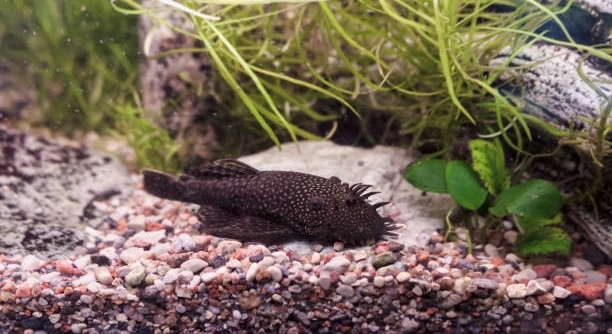
Do you ever find yourself wondering if you’re feeding your plecostomus too much during their daily meals in the tank?
Yes, you can overfeed a plecostomus. Overfeeding leads to excessive waste, poor water quality, and health issues like bloating or fatty liver disease. Maintaining a balanced diet and proper feeding schedule is essential for long-term health and tank cleanliness.
Feeding the right amount helps keep your plecostomus healthy and active while avoiding water problems and unwanted algae growth in your aquarium.
Signs You’re Overfeeding Your Plecostomus
Plecostomus are bottom feeders, but that doesn’t mean they need large amounts of food. Overfeeding usually happens when extra algae wafers, vegetables, or sinking pellets are given too often. Common signs include uneaten food sitting on the tank floor, cloudy or dirty water, and sudden algae blooms. A pleco that becomes sluggish or shows an enlarged belly may also be dealing with health issues from overeating. While it may seem kind to offer more, they actually thrive on moderate, controlled feeding schedules. Most adult plecos only need food every other day, especially in well-established tanks with natural algae.
Too much food can go unnoticed until the water quality drops or the pleco stops moving around as usual.
Plecostomus will also produce more waste if overfed, which affects other fish in the tank. High waste levels can lead to spikes in ammonia or nitrate, both harmful for aquatic life and tank stability.
How to Feed Your Pleco the Right Way
Keep your feeding schedule simple and consistent. Most plecos only need algae wafers or vegetables two to three times a week.
Feeding your plecostomus properly means paying attention to portion size and tank activity. Offer a small piece of zucchini, cucumber, or one algae wafer at a time. Feed at night if your pleco is more active then, and remove any uneaten food after 12–24 hours. This keeps your tank clean and prevents buildup. If your tank already has enough algae, reduce the frequency. A healthy pleco will graze naturally when needed. Avoid the temptation to feed more when your pleco seems busy or active—it’s often just part of their natural behavior. Observing how fast they eat and how much is left behind will help you fine-tune the routine. Always rinse vegetables and avoid seasoning or oils. Keeping things balanced makes a big difference.
Why Overfeeding Becomes a Problem
Overfeeding doesn’t just affect your plecostomus—it changes the balance of your entire tank. Uneaten food breaks down, raising ammonia and nitrite levels, which stresses other fish and causes water to become cloudy and unhealthy.
When too much food is introduced into the tank, it often goes uneaten and settles into the substrate. This leftover food starts to decay, releasing harmful compounds like ammonia. Over time, this buildup can lead to spikes in nitrates, harming not just your plecostomus but any other fish sharing the space. Water changes help, but they’re not enough if feeding remains excessive. Plecos are hardy, but even they struggle with poor water conditions. A bloated stomach, sluggish movement, or discoloration can all be signs something’s wrong. You might also notice your filter working harder or needing to be cleaned more often. These are early warnings to cut back on food.
Plecostomus can appear hungry even when they’re not. They naturally graze throughout the day, so constant movement around the tank isn’t always a sign of hunger. Feeding them more when they already have access to algae or leftovers contributes to overfeeding without realizing it. It’s better to stick with a consistent schedule and only adjust if necessary.
What Plecostomus Actually Need
Plecostomus need a balance of plant-based foods and occasional protein. Algae wafers, zucchini, cucumber, and blanched spinach are ideal staples. Shrimp pellets or bloodworms can be given sparingly for added variety.
In a well-maintained tank, your pleco will graze on algae throughout the day. This should be the primary source of their nutrition, especially for herbivorous varieties. Supplementing with small servings of vegetables two to three times a week helps maintain health. Always blanch or soften vegetables so they sink easily and are easier to digest. Remove any uneaten pieces after 24 hours to prevent water contamination. For younger or growing plecos, a little extra food may be necessary, but it still needs to be monitored closely. If you notice leftovers or cloudy water, scale back immediately. Protein sources should be given only once a week and in very small amounts. A good rule is to observe how quickly they finish their food—if it’s still there after a few hours, it’s too much.
How Often to Feed a Plecostomus
Feeding two to three times per week is enough for most adult plecostomus. If the tank has natural algae growth, you can feed even less. Monitor their behavior and waste to adjust feeding as needed.
Younger plecos may need small feedings every other day due to higher energy demands. Still, portions should remain small, and uneaten food must be removed. Stick to the basics and avoid feeding out of routine.
Best Times to Feed Your Pleco
Plecostomus are mostly nocturnal, so feeding them in the evening or after lights go out works best. This fits their natural rhythm and ensures they eat without competition from other fish. Vegetables and wafers can be added at night and removed the next morning. If your pleco is active during the day, adjust timing slightly but stay consistent. Feeding during quieter hours also reduces stress and gives your pleco time to eat calmly. Always check the tank the next day to see what’s been eaten and what needs to be removed. This helps you fine-tune the routine while keeping the water clean.
Foods to Avoid
Avoid feeding processed human foods, anything salted or seasoned, and large amounts of protein. These can upset digestion and lead to poor water quality. Stick to simple, plant-based options that are safe and easy to monitor.
FAQ
Can plecos eat too many algae wafers?
Yes, plecos can easily be overfed with algae wafers. One wafer is often more than enough for a full-grown pleco, especially if there is already algae in the tank. Feeding too many can lead to bloating, extra waste, and poor water quality. Try breaking a wafer into smaller pieces or feeding half at a time. If the wafer is still there after 24 hours, reduce the amount next time. Always remove leftovers to avoid water issues.
Is it okay to feed vegetables every day?
Feeding vegetables every day is usually not necessary. While vegetables are healthy, feeding them too often can lead to overfeeding. Two to three times a week is a good balance for most plecos. Stick to small pieces and rotate the types of vegetables you offer. Zucchini, cucumber, and blanched spinach are common choices. Always remove uneaten vegetables within 24 hours to prevent rotting and water problems.
How do I know if my pleco is hungry?
Plecos don’t show hunger the same way other fish do. They often graze on algae and surfaces throughout the day or night. If your pleco is active and appears to be eating from tank surfaces, it’s likely getting enough. Avoid feeding just because it’s moving around—it may be exploring, not looking for food. Watch for weight loss, a sunken belly, or lack of activity, which could indicate a problem.
Can overfeeding affect other fish in the tank?
Yes, overfeeding a pleco can cause issues for other fish. Uneaten food breaks down and affects the entire tank’s water quality. Spikes in ammonia or nitrates can stress or even harm other tank mates. Extra waste from a pleco also adds to the bioload. If the tank seems cloudy or fish are acting off, cut back on feeding and test the water right away.
What happens if my pleco stops eating?
A pleco that stops eating may be stressed, sick, or full. First, check the water parameters—poor quality often causes appetite loss. Then, review your feeding schedule. If they’ve been eating well and suddenly stop, you may have been feeding too much. Give them a break and allow the tank to settle. If no changes occur after a few days, consult a vet or aquarium expert.
How much food should I give at once?
Start small. A thin slice of zucchini or half an algae wafer is usually enough per feeding. Observe how much your pleco eats in 12–24 hours. If there’s still food left, offer less next time. Consistency is more important than variety or quantity. Overfeeding causes more harm than slight underfeeding.
Do all plecos need the same feeding routine?
No, feeding needs depend on the pleco species, age, and tank setup. Common plecos grow large and may eat more than smaller types like bristlenose plecos. Juveniles need food more often than adults. Tanks with live plants or algae also reduce the need for frequent feeding. Adjust based on size and environment.
Should I remove food if the pleco doesn’t eat it?
Yes, always remove uneaten food. Leaving it in the tank can lead to water quality problems. It may not seem like a big issue, but even a small leftover can rot quickly. Use tongs or a net to take out uneaten vegetables or wafers the next morning.
Can I feed my pleco fish flakes or pellets made for other fish?
It’s best to avoid flakes or pellets made for other fish, especially those high in protein. Plecos need plant-based food and algae as their main diet. Too much protein can cause digestion issues and extra waste. Stick to sinking wafers made for bottom feeders or use fresh vegetables.
Why is my pleco still eating even after a big meal?
Plecos naturally graze and often appear to be eating even when full. Just because they’re active doesn’t mean they need more food. Feeding based on behavior alone can lead to overfeeding. Stick to a routine and only feed on scheduled days. This keeps your tank clean and your pleco healthy.
Final Thoughts
Caring for a plecostomus means paying attention to its feeding habits, environment, and overall health. It may seem simple to just drop food into the tank, but too much of the wrong food can cause real problems. Overfeeding a pleco can lead to health issues like bloating, a weakened immune system, and messy water that affects every fish in the tank. Learning how much and how often to feed your pleco is important, not just for the fish but for maintaining a clean and stable aquarium. A good feeding routine will support your pleco’s natural behaviors and help it thrive without creating extra work or stress for you.
Most plecos do well with a mix of natural algae, sinking algae wafers, and blanched vegetables. These provide a balanced diet while allowing your pleco to graze throughout the day or night. Younger plecos may need to eat a bit more often, but as they grow, their diet can be adjusted. Watching how much your pleco actually eats and removing leftovers will keep the tank from becoming dirty. Feeding at night, when plecos are most active, gives them a better chance to eat in peace. Over time, you’ll start to notice what your pleco prefers and how often it needs food. Stick to small portions and monitor its weight, movement, and waste to guide your choices.
Keeping things simple and consistent works best. There’s no need to switch foods too often or try every new product you see. If your pleco is active, eating, and the water stays clear, then your routine is working. Pay attention to signs that something might be wrong, such as a lack of appetite or changes in behavior. These could mean it’s time to adjust how much or what you’re feeding. Most issues related to overfeeding can be avoided with a little observation and a light hand. In the end, a healthy plecostomus depends on your care and awareness. Feeding the right way is one of the most important steps you can take to keep your pleco safe, satisfied, and thriving in its tank.

Hello,
If you enjoy the content that we create, please consider saying a "Thank You!" by leaving a tip.
Every little bit helps us continue crafting quality advice that supports the health, happiness, and well-being of pets around the world, for pets of all shapes, sizes, and species.
We really appreciate the kindness and support that you show us!