
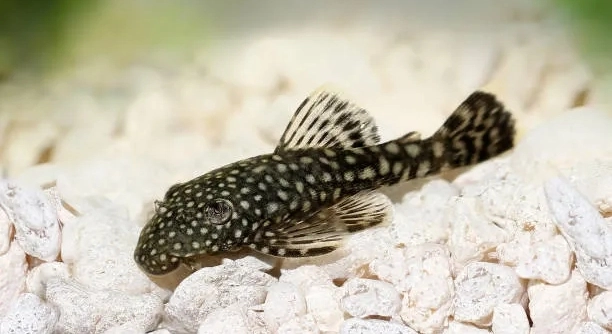
A pleco is a popular choice for aquarium enthusiasts, known for its algae-eating habits and unique appearance. These fish are often seen as low-maintenance pets, but it’s important to consider how much space they actually need.
Overcrowding a tank with just one pleco is possible, especially if the tank is too small for the fish’s needs. Plecos grow large and require plenty of space to thrive. Without enough room, they may become stressed and unhealthy.
Understanding plecos’ space requirements and their behavior in confined spaces is essential for keeping them happy. In the following sections, we’ll explain the signs of overcrowding and offer tips for a healthy pleco environment.
Why Space Matters for Your Pleco
Plecos are known for their size and active behavior, making it crucial to provide enough space in the tank. They typically grow anywhere from 12 to 24 inches, depending on the species. With such large sizes, plecos require room to swim freely. Keeping a pleco in a small tank not only limits its movement but also contributes to stress and poor health. When plecos feel cramped, they may become more prone to disease and exhibit abnormal behaviors such as hiding or aggression.
A small tank restricts a pleco’s natural instincts, like foraging for food. These fish are bottom dwellers and need plenty of space to explore and clean algae off surfaces. If a pleco is confined, it may not be able to maintain its regular eating habits, which could lead to nutritional deficiencies. Ultimately, this can harm their overall well-being and shorten their lifespan.
If you want your pleco to thrive, make sure the tank provides at least 50 gallons of water for one fish. The size will help them feel comfortable and encourage a healthy environment.
Tank Size Guidelines
The minimum size for a pleco tank is 50 gallons. A larger tank is even better for long-term health.
For a pleco, the tank size is not just about fitting the fish. It’s about creating a space where they can swim, forage, and maintain their natural behaviors. A tank that’s too small can cause stress, making the fish more vulnerable to illness. It’s also important to consider the water quality and filtration. Plecos are known to produce a lot of waste, and a larger tank will make it easier to manage these factors. Additionally, a big tank provides room for other tank mates if you wish to add them, reducing the chance of aggression due to overcrowding.
Signs of Overcrowding
When a pleco is overcrowded, it may exhibit signs of stress such as erratic swimming, hiding more often, or becoming lethargic. These behaviors are often linked to a lack of space. If the pleco feels its environment is too tight, it will seek refuge in hidden spots, avoiding activity.
Overcrowding can also impact your pleco’s eating habits. A stressed pleco may not eat properly, leading to malnutrition. This lack of regular feeding can weaken the fish’s immune system, making it more susceptible to diseases. Additionally, plecos need space to graze on algae and debris. If there’s not enough room to do this naturally, they may struggle to get enough nutrition.
Another sign is a visible decline in the pleco’s health. Their colors may dull, and they could become more susceptible to skin injuries or infections. Overcrowding disrupts their natural rhythms and can prevent them from getting the care they need.
Plecos and Tankmates
While plecos are typically peaceful fish, overcrowding can lead to territorial disputes. When there is limited space, plecos might feel threatened and become more aggressive toward tankmates. This is especially true if the pleco feels its personal area is being invaded.
If your tank is too small, plecos may start defending their territory aggressively, which could lead to fights. Tankmates such as smaller fish or other plecos may suffer from injuries or stress. It’s important to monitor interactions and, if necessary, move the pleco to a larger tank or separate them from more sensitive fish. This helps maintain a balanced environment for everyone.
To avoid these problems, ensure the tank size is adequate for all residents. Larger tanks give plecos enough space to coexist peacefully with their tankmates without feeling cornered or threatened.
Pleco Size and Growth
As plecos grow, they need more space. A small tank won’t be suitable for them once they reach their full size, which can be up to 24 inches. Ensuring your pleco has room to grow is essential for its health and comfort.
A pleco’s growth rate can vary depending on tank size, food, and water conditions. In a cramped tank, they may grow more slowly, but they can also become stunted, which leads to health problems. Stunted growth weakens the immune system and reduces the fish’s life expectancy. It’s better to plan for a bigger tank from the start.
Water Quality and Filtration
Proper filtration is vital in maintaining good water quality. Plecos produce a lot of waste, which can quickly pollute a small tank. A strong filtration system ensures the water stays clean, reducing the risk of disease and stress for your pleco.
When overcrowding occurs, filtration becomes even more important. If the tank is overstocked, the water can become dirty faster, affecting your pleco’s health. A good filtration system helps remove debris and harmful substances, keeping the tank environment stable. For larger tanks, consider a filter with a higher flow rate to handle the increased waste. Regular water changes also help maintain clean conditions.
Plecos and Tank Maintenance
Tank maintenance is even more crucial when you have a pleco. Regular cleaning and water changes are necessary to keep the tank free of debris. Plecos produce a lot of waste, so an effective maintenance routine will keep the environment healthy for them.
FAQ
Can a pleco live in a 20-gallon tank?
A 20-gallon tank is not suitable for a full-grown pleco. While smaller plecos may be okay for a short time, they will eventually outgrow the space. Plecos can grow up to 24 inches depending on the species, and a tank that small will not provide enough space for them to thrive. It’s better to plan for a larger tank from the beginning. A 50-gallon tank is the minimum size for one pleco, with larger tanks being even more ideal.
How often should I clean the tank with a pleco?
Plecos help clean the tank by eating algae, but they still produce a lot of waste. It’s important to do weekly water changes, removing around 20-30% of the water. Regular maintenance like vacuuming the substrate and cleaning the filter should also be done once a month. This keeps the water quality in check and prevents the buildup of harmful toxins. The more plecos or fish you have in the tank, the more frequently you’ll need to clean it to avoid overcrowding and poor water conditions.
What size tank is best for a single pleco?
A single pleco needs at least a 50-gallon tank. This allows the fish to swim freely, forage, and grow to its full size without being stressed. A larger tank will also give room for good water circulation and better filtration, which plecos need due to their high waste production. If you plan to keep tankmates with your pleco, the tank should be even bigger to avoid territorial issues and overcrowding.
Do plecos need a filter?
Yes, plecos do need a filter. They are bottom dwellers that eat algae and debris, which they may leave behind in the tank. However, the filtration system needs to be strong enough to handle the waste produced by a pleco. A high-quality filter will keep the water clean and reduce the chances of diseases. Without proper filtration, the water can quickly become polluted, leading to stress and illness for your pleco. It’s essential to choose a filter with a higher flow rate for tanks with plecos.
Can I keep more than one pleco in a tank?
You can keep more than one pleco in a tank, but the size of the tank is key. Plecos are territorial, so unless the tank is large enough to give each pleco their own space, there may be aggression. A 100-gallon tank or larger is ideal if you plan to keep multiple plecos. Even then, make sure to provide hiding places and plenty of room for each pleco to establish their own territory. Overcrowding can cause stress and health issues, so it’s important to carefully consider the number of plecos for your tank size.
How can I prevent my pleco from becoming stunted?
To prevent stunting, ensure your pleco has enough space to grow. A tank that is too small will stunt their growth, causing health problems. Provide a minimum of 50 gallons of water for one pleco. Additionally, feed them a balanced diet that includes algae wafers, vegetables, and protein-rich food. Stunted plecos may show signs of poor health, such as faded colors, lethargy, or an inability to swim properly. Maintaining good water quality and ensuring the tank is well-filtered will also help your pleco grow to its full potential.
What should I feed my pleco?
Plecos are primarily herbivores, so algae wafers should make up the bulk of their diet. You can supplement their diet with vegetables like zucchini, cucumber, and spinach. Occasionally, you can provide protein-rich foods such as shrimp or bloodworms. If your pleco is not getting enough algae from the tank, adding extra food is necessary. However, be cautious of overfeeding, as uneaten food can pollute the tank and negatively affect water quality.
What tankmates are good for a pleco?
Plecos are generally peaceful, but they do well with fish that don’t compete for the same bottom space. Some good tankmates include peaceful species like guppies, tetras, and corydoras catfish. Avoid placing aggressive or overly territorial fish with plecos, as they may cause stress. Fish that swim in the upper or middle levels of the tank will not compete with plecos for space. Always make sure the tank is large enough to accommodate all the fish comfortably to avoid overcrowding.
How can I tell if my pleco is stressed?
Signs of stress in a pleco include erratic swimming, frequent hiding, loss of appetite, or lethargy. If the pleco’s colors begin to fade or its skin shows signs of injury, this can also be an indication of stress. Stress often stems from poor water quality, overcrowding, or lack of space. Check the tank’s water parameters to ensure they are ideal for your pleco, and consider adjusting the environment to make it more comfortable.
What happens if I overcrowd the tank with a pleco?
Overcrowding a tank with a pleco can lead to several problems. The most obvious issue is that there won’t be enough space for the pleco to swim and grow. This can cause stress, aggression, and territorial behavior. The water quality may also suffer, as more fish means more waste. As a result, plecos and other fish in the tank may become ill. Overcrowding can lead to stunted growth and a reduced lifespan for your pleco. To avoid this, always ensure your tank is appropriately sized for the number of fish you keep.
Final Thoughts
When it comes to keeping a pleco, space is one of the most important factors to consider. These fish can grow quite large, and they require room to move freely and maintain a healthy lifestyle. A small tank may seem like it’s enough in the beginning, but as your pleco grows, it will need more space to thrive. Overcrowding, even with just one pleco, can lead to stress, poor health, and a shorter lifespan. It’s always better to start with a larger tank if you plan to keep a pleco long-term, so they have enough space to grow and move comfortably.
Plecos are hardy fish, but they do require a proper environment to be happy and healthy. A minimum of 50 gallons is recommended for a single pleco, with larger tanks being ideal. This gives them the space they need to swim, forage, and interact with their surroundings. Besides the tank size, it’s also important to maintain good water quality. Plecos are bottom dwellers that produce a lot of waste, so a strong filtration system and regular tank maintenance are essential for keeping the environment stable. Proper water quality helps prevent diseases and allows your pleco to live a long, healthy life.
Remember that plecos are not low-maintenance fish despite their reputation for being easy to care for. They need enough space, a well-maintained tank, and the right water conditions to thrive. If you provide the proper care and a spacious environment, your pleco can be a wonderful addition to your aquarium. By understanding their needs and planning for their growth, you can avoid overcrowding and ensure your pleco lives a happy, healthy life in your tank.

Hello,
If you enjoy the content that we create, please consider saying a "Thank You!" by leaving a tip.
Every little bit helps us continue crafting quality advice that supports the health, happiness, and well-being of pets around the world, for pets of all shapes, sizes, and species.
We really appreciate the kindness and support that you show us!