
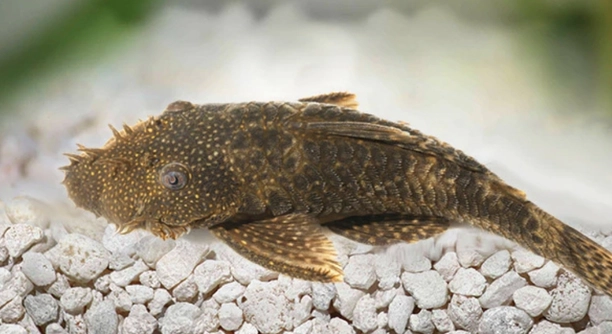
Goldfish and plecos are popular choices for aquarium enthusiasts, often found together in tanks. Understanding how to safely mix these two species can prevent potential problems in your tank setup. Proper care and compatibility are key.
Goldfish and plecos can generally coexist peacefully in the same aquarium. However, several factors such as tank size, water conditions, and the specific types of each species must be considered to ensure a safe and healthy environment for both.
Maintaining the right conditions can help prevent stress and aggression, ensuring a happy aquarium for both species.
Choosing the Right Tank Size
When mixing plecos and goldfish, tank size is crucial. Both species need ample space to swim and grow. A 30-gallon tank is a good starting point for a small group of goldfish and one pleco. Larger tanks offer better stability and more room for each fish to thrive.
It’s important to consider that goldfish grow quite large and require more space than you might expect. Plecos also need room to move, especially as they grow. Without enough space, both species may become stressed, leading to health issues or aggressive behavior.
Overcrowding can lead to poor water quality and unhealthy conditions for both the goldfish and pleco. A larger tank makes it easier to maintain stable water parameters, like temperature and pH levels, which is essential for both species. The more room they have, the better they can coexist and live a healthy life. Additionally, ensuring enough hiding spots will help reduce any territorial behavior.
Water Temperature and pH Considerations
Goldfish prefer cooler water, while plecos thrive in slightly warmer conditions. Finding a balance between the two is essential.
Goldfish can tolerate temperatures between 65-75°F, while plecos generally prefer water between 74-80°F. This difference requires careful monitoring to avoid stressing either species. By setting the water temperature around 72-74°F, you can create a more neutral environment that works for both. However, you must also maintain the correct pH level for both. Goldfish prefer a pH between 7.0-8.4, while plecos do best with a pH of 6.5-7.5. Consistency in water quality is key to avoiding problems for both species. Regular water changes and proper filtration are important steps in achieving the ideal conditions for your tank.
Feeding Habits
Goldfish and plecos have different dietary needs. Goldfish are omnivores, while plecos are mostly herbivores. Feeding them correctly can prevent competition and ensure each species gets the proper nutrients.
Goldfish eat a variety of foods, including flakes, pellets, and live food. It’s important to avoid overfeeding, as goldfish are prone to obesity. Plecos, on the other hand, feed on algae and vegetables. Offering a range of sinking pellets and fresh greens like zucchini will keep them healthy. Keep in mind that plecos may eat leftover food, so monitor the feeding routine to avoid overfeeding.
Both species can be fed once or twice a day. It’s vital to remove uneaten food after feeding to maintain water quality. If feeding is not managed properly, it could lead to excess waste, which will affect the water conditions and the overall health of both species.
Tank Maintenance and Cleaning
Regular tank maintenance is essential when keeping both plecos and goldfish together.
Goldfish are messy eaters and can produce a lot of waste, while plecos, though algae eaters, also contribute to tank debris. Regular water changes are necessary to keep the tank clean and free from excess nutrients. It’s best to perform water changes every 1-2 weeks, depending on the tank size and number of fish. Using a good filtration system can help maintain water quality and reduce the frequency of cleanings.
To keep both fish healthy, ensure proper filtration. Goldfish need strong filtration due to their waste production, while plecos benefit from a filter that mimics natural water flow. Be mindful of substrate cleaning, especially if you have a sandy bottom, as uneaten food can accumulate. Regularly check the water temperature, pH, and ammonia levels to ensure a safe environment for both species.
Compatibility and Behavior
Goldfish and plecos can generally get along well, but they each have different behavior patterns. Goldfish are more active and curious, while plecos are usually more peaceful and tend to stay on the bottom of the tank.
Goldfish are social and may engage with plecos, especially when they’re hungry. Plecos, being bottom dwellers, typically avoid interaction but may occasionally swim around. It’s important to ensure enough hiding spots for the pleco to retreat to, as goldfish may nudge them or get too curious. In a large enough tank, both can coexist without problems.
Signs of Stress
Both species can experience stress, and it can show in different ways. Goldfish may become more aggressive or less active, while plecos may hide more often.
Stress in goldfish often results in poor appetite or abnormal swimming patterns, such as darting or floating erratically. Plecos may stop eating or begin scraping the glass more frequently. It’s crucial to monitor these signs, as stress can lead to long-term health issues if not addressed. Identifying stress early allows you to adjust tank conditions and prevent complications.
Water Quality Impact
Water quality plays a huge role in the health of both species. Poor water conditions can lead to disease and stress, affecting their behavior.
Goldfish and plecos both produce waste, and this can lead to rising levels of ammonia, nitrites, and nitrates. High levels of these toxins can harm their gills and overall health. It’s important to regularly test the water and perform necessary water changes. Adding live plants can help absorb some of the excess nutrients. In addition, ensuring that your filtration system is strong enough to handle the waste load is essential to maintaining good water quality for both species.
FAQ
Can plecos live with goldfish?
Yes, plecos can live with goldfish as long as proper care is taken. Goldfish are generally peaceful, and plecos are bottom dwellers that tend to stay out of the way. Both species are fairly easygoing, but it’s crucial to provide enough space and hiding spots to prevent any territorial behavior. The key to a successful tank is maintaining good water quality and ensuring both species’ needs are met.
What tank size is best for plecos and goldfish?
A 30-gallon tank is a minimum for a small group of goldfish and one pleco. Larger tanks provide better stability and more space for both species to grow comfortably. Goldfish, especially, need a lot of room to swim, and plecos can grow quite large as well. A 55-gallon tank or larger is often recommended for a more comfortable environment for both fish. A bigger tank also makes it easier to maintain water quality and reduce the risk of overcrowding.
What should I feed my pleco and goldfish?
Goldfish are omnivores, meaning they’ll eat a variety of foods, including pellets, flakes, and occasional live food. Plecos are primarily herbivores and prefer algae, sinking pellets, and fresh vegetables like zucchini or cucumber. It’s important to feed each species according to their needs to avoid overfeeding or competing for food. Goldfish can also be given frozen or live food occasionally, but overfeeding should be avoided to prevent water pollution.
Are plecos aggressive towards goldfish?
Plecos are generally peaceful and not aggressive towards goldfish. However, they can become territorial if they don’t have enough space or hiding spots in the tank. It’s important to make sure your tank is large enough and provides enough cover for the pleco to retreat when needed. Goldfish are also social, but they may nudge the pleco or try to nibble at its fins, especially if they are hungry. Ensuring that both species have their own space can help prevent any stress or aggression.
How do I maintain the water quality for plecos and goldfish?
Maintaining clean water is essential for both plecos and goldfish. Goldfish produce a lot of waste, and plecos can also contribute to tank debris. Regular water changes are necessary to keep the tank clean and safe. It’s recommended to perform water changes every 1-2 weeks depending on tank size and the number of fish. Filtration systems should be strong enough to handle the waste load. Using a good filter can help remove debris and maintain optimal water parameters, such as pH, ammonia, and nitrate levels.
What temperature should the tank be for plecos and goldfish?
Goldfish prefer cooler water, generally between 65-75°F. Plecos prefer slightly warmer temperatures, usually between 74-80°F. To strike a balance, it’s best to keep the water temperature between 72-74°F. This range will be comfortable for both species. You should also avoid drastic temperature fluctuations, as these can cause stress and lead to health problems. A heater can help maintain a stable temperature if needed.
Can plecos clean the tank for goldfish?
Plecos are great at cleaning algae from the tank, especially from the glass and decorations. They’ll help reduce the buildup of algae in the aquarium, but they won’t clean everything. Goldfish are messy eaters and produce a lot of waste, which plecos can’t handle on their own. Regular water changes, filtration, and substrate cleaning are necessary to keep the tank clean. While plecos help with algae, they should not be relied upon as the primary method of cleaning the tank.
How can I tell if my pleco or goldfish is stressed?
Stress can manifest differently in goldfish and plecos. Goldfish may become more inactive, stop eating, or swim erratically. They might also display aggression or isolation from the rest of the tank. Plecos, on the other hand, may hide more than usual or stop eating. If either fish is showing these signs, check the water parameters and make sure the tank is large enough with sufficient hiding spots. Stress can also be caused by aggressive behavior from the other species or poor water quality, so it’s important to address these factors.
Do plecos need special care compared to goldfish?
Plecos require specific care, especially as they grow. They need a tank that allows them to graze on algae, along with a proper diet of sinking pellets and vegetables. Plecos also benefit from having plenty of hiding spots in the tank, as they tend to stay out of sight during the day. Goldfish require less specialized care, though they need larger tanks to grow properly. Both species need regular water changes and careful monitoring of water quality. Plecos may also need additional care when it comes to cleaning their bodies from algae buildup.
Final Thoughts
When considering whether plecos and goldfish can live together, it’s important to remember that they have different needs and habits. Goldfish are active and social, thriving in groups, while plecos are more solitary, usually staying near the bottom of the tank. Despite their differences, they can coexist peacefully if their environment is managed properly. Proper tank size, water quality, and feeding habits are key to keeping both species healthy and happy. Both fish are relatively easy to care for but require attention to detail to avoid stress or health problems.
The size of the tank plays a crucial role in the success of keeping plecos and goldfish together. A tank that is too small can lead to overcrowding, stress, and poor water quality. Both species need room to grow, swim, and interact. Ensuring the tank is large enough will not only provide space for each fish but also make it easier to maintain clean water. Filtration is another important factor, as both fish produce a lot of waste. A strong filtration system will help keep the water clean and reduce the need for frequent water changes, but regular maintenance is still essential.
In conclusion, while plecos and goldfish can live together successfully, their care requires a bit of planning. Regular monitoring of the water parameters, such as pH, ammonia, and temperature, is essential to maintaining a safe and healthy environment for both species. Feeding should be done according to their dietary needs, and care should be taken to avoid overfeeding. With the right setup and maintenance, plecos and goldfish can thrive in the same tank. If you’re ready to provide the right environment for both species, the experience can be rewarding and enjoyable.

Hello,
If you enjoy the content that we create, please consider saying a "Thank You!" by leaving a tip.
Every little bit helps us continue crafting quality advice that supports the health, happiness, and well-being of pets around the world, for pets of all shapes, sizes, and species.
We really appreciate the kindness and support that you show us!