
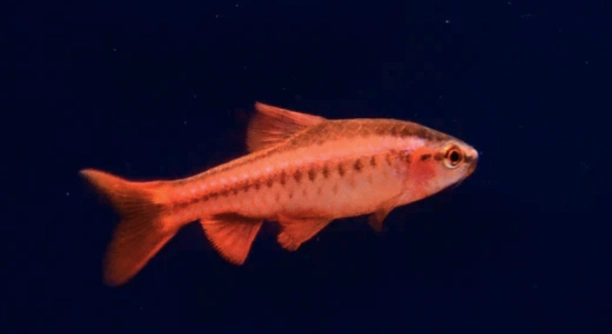
Cherry Barbs are popular in aquariums, known for their vibrant color and lively nature. If you’re considering medicating a tank with these fish, you may have concerns about their safety and health during treatment.
Medicating a Cherry Barb tank requires careful consideration of both the medication and the tank environment. Some treatments can harm sensitive species like Cherry Barbs, so choosing the right medicine and monitoring water quality is essential for their well-being.
Proper care and safe medicating practices will help ensure the health of your Cherry Barbs throughout any treatment. By understanding the potential risks and how to address them, you can maintain a safe environment for these fish.
Why Medication Can Be Tricky for Cherry Barbs
Medicating a tank with Cherry Barbs requires special care because of their sensitive nature. These fish are prone to stress, and any medication that is too harsh can compromise their health. When choosing a treatment, it’s important to ensure it’s safe for both the Cherry Barbs and other tank inhabitants. Some medicines can alter the water’s chemistry, which can cause harmful spikes in ammonia, nitrites, or other elements. This can lead to fish stress or even death. A good practice is to quarantine sick fish in a separate tank to prevent the spread of diseases without medicating the entire tank. Additionally, avoid using medications that are broad-spectrum unless absolutely necessary.
Medications like formalin, copper-based treatments, and strong antibiotics are not suitable for a tank with Cherry Barbs. The stress of medicating could also cause long-term damage, such as reduced lifespan or weakened immune systems.
Understanding the effects of medication on the water quality and fish health is critical for making informed decisions. Always do your research before introducing any treatment. Monitoring the tank closely after treatment can prevent any unintentional harm to your Cherry Barbs.
Safe Medication Alternatives
If Cherry Barbs are sick, there are alternative ways to treat them without causing unnecessary harm. For example, freshwater salt can be used to treat minor injuries or stress.
For more severe cases, research specific treatments designed for delicate species. When choosing, consider if the medication will affect the pH, hardness, or oxygen levels in the tank. Maintaining stable water parameters is essential during treatment. Ensure that the medicine you choose does not interact negatively with the tank’s biological filter. If you’re ever unsure, always consult with an aquarium specialist or veterinarian.
Medication Types to Avoid
Some medications are too harsh for Cherry Barbs. Copper-based treatments, formalin, and certain antibiotics can be particularly harmful. These substances may stress the fish, lower their immunity, or cause lasting damage to their gills and skin.
It’s crucial to avoid these types of medication unless absolutely necessary. Cherry Barbs are sensitive to changes in water quality, and these harsh chemicals can alter the tank’s environment. Additionally, some treatments can affect the beneficial bacteria in the filter, which is vital for keeping the tank’s ecosystem balanced. If possible, use treatments that are specifically formulated for delicate species or opt for natural remedies when feasible.
When choosing a medication, look for ones that are gentle and tailored to your fish’s needs. Read the labels carefully, and always double-check if the medication is safe for small or sensitive fish like Cherry Barbs. Even small doses can cause significant harm to your fish.
Water Quality Management During Treatment
Maintaining water quality during medication is essential. If the medication alters the pH, ammonia, or oxygen levels, it can create additional stress for your Cherry Barbs. To avoid this, regularly check water parameters while medicating.
To ensure the safest treatment, perform frequent water changes. This will help remove any chemical residues and stabilize the environment. Testing for ammonia and nitrite levels is particularly important, as spikes can occur unnoticed and cause harm. Monitoring your fish closely is equally important—look for signs of stress or unusual behavior, as this could signal that the medication is affecting them negatively.
If you’re using a medicated treatment that doesn’t directly affect water quality, it’s still important to continue routine maintenance. Keep the water temperature consistent and ensure that filtration is working properly. This will help your Cherry Barbs recover quickly and reduce the risk of complications.
Quarantining Sick Fish
Quarantining sick fish helps protect your entire tank from potential diseases. Isolating them allows for focused treatment without affecting healthy fish. A separate tank will also prevent unnecessary exposure to medications that could harm the rest of the tank.
A quarantine tank should have the same water parameters as your main tank to avoid further stress. Ensure the tank is small but adequately filtered and heated. This will create a stable environment for the sick fish to recover without additional threats. It’s important to monitor the fish regularly to adjust the medication if needed.
Alternative Treatment Methods
If you want to avoid medications entirely, consider alternative methods like using natural remedies. Adding aquarium salt, increasing water temperature, or incorporating herbal treatments can sometimes help treat minor illnesses. However, these methods may not always be effective for serious conditions.
Before choosing an alternative treatment, research whether it’s safe for Cherry Barbs. Overuse of salt, for example, can harm delicate fish. For more severe cases, consult a veterinarian or an aquarium specialist to determine if a natural approach is feasible. Always balance the treatment with a stable tank environment.
FAQ
Can I medicate a Cherry Barb tank with all types of medication?
Not all medications are safe for Cherry Barbs. Some medications, particularly those that contain copper or formalin, can cause significant harm to these delicate fish. It is essential to read labels carefully and choose products that are specifically designed for small or sensitive fish. Always ensure that the medication is safe for the tank’s inhabitants, including plants and other fish. Using broad-spectrum medications can also disrupt the biological filter, which is crucial for maintaining a healthy tank environment. Always consider quarantine for affected fish instead of medicating the whole tank.
How can I tell if the medication is harming my Cherry Barbs?
Signs of harm include lethargy, loss of appetite, faded colors, erratic swimming, or rapid gill movement. These symptoms could indicate that the medication is either too strong or causing stress. Keep a close eye on your fish after administering medication and be prepared to take corrective action. This could involve removing the medication, performing a water change, or adjusting tank conditions. If symptoms persist, it’s best to stop the treatment and consult an expert for advice.
Can I use aquarium salt for treating sick Cherry Barbs?
Yes, aquarium salt can sometimes be beneficial for treating minor issues like stress or external wounds. However, it should be used cautiously. Overuse of salt can harm Cherry Barbs, especially in tanks with low water hardness or other sensitive species. If you decide to use aquarium salt, ensure that the dosage is appropriate for the size of the tank and the condition you are treating. Always monitor the water parameters to avoid drastic changes in salinity, which can stress the fish.
Should I change the water during medication?
Yes, maintaining clean water during treatment is critical. Regular water changes help dilute any chemical buildup from the medication and prevent harmful spikes in ammonia or nitrites. If you’re medicating for a prolonged period, water changes should be done more frequently, depending on the type of treatment used. Be sure to monitor water quality carefully, especially after each water change, to ensure the tank remains stable. Always check the water temperature and pH levels before and after medication.
Can I medicate a tank that has live plants?
Medicating a tank with live plants can be tricky, as some medications are harmful to plants. Certain treatments may kill beneficial bacteria in the filter and damage the plant life in your aquarium. If possible, consider quarantining sick fish in a separate tank to avoid harming your plants. If you must medicate in a planted tank, choose medications that are plant-safe. Always read the product label to confirm compatibility with plants and other tank inhabitants.
How do I ensure proper water quality while medicating?
Monitoring water quality is even more important when medicating your tank. Regularly test for ammonia, nitrite, nitrate, and pH levels to ensure they stay within safe ranges. Medications can sometimes alter the water’s chemistry, so frequent testing is necessary to spot any issues. You may need to adjust the filtration rate, increase aeration, or perform additional water changes to maintain water quality. If you notice any unusual changes in your tank’s parameters, take immediate action to correct them.
Is there a safe way to treat a large tank with Cherry Barbs?
Treating a large tank with Cherry Barbs can be challenging because medications may affect water parameters differently in larger volumes. It’s crucial to dose the medication carefully and test the water frequently. Consider using a quarantine tank for sick fish instead of medicating the entire tank. If you must treat the entire tank, ensure the dosage is correct for the tank’s size and follow the instructions precisely. It’s also essential to monitor your fish closely for signs of stress and adjust the treatment if needed.
Can I use medications in a tank with other species?
When medicating a tank with multiple species, it’s essential to check if the medication is safe for all tank inhabitants. Some medications can be toxic to specific fish or invertebrates, so you need to choose one that works for all species in your tank. You should also consider whether the medication will affect your filtration system, as some medications can harm beneficial bacteria. If you have invertebrates or other sensitive species, it may be best to remove them to a separate tank or use a targeted treatment.
What should I do if my Cherry Barbs are not responding to treatment?
If your Cherry Barbs are not improving despite medication, stop the treatment immediately. Prolonged use of medications can cause stress and long-term damage. At this point, it’s crucial to assess the water quality, as poor conditions could be the root cause of the issue. Check the fish for any signs of parasites or infection that may require a different treatment. If you’re unsure about the next steps, consulting an aquarium specialist or veterinarian may provide guidance on the appropriate course of action.
Can medicating a tank with Cherry Barbs affect breeding?
Yes, medicating a tank with Cherry Barbs can affect breeding behavior. Medications can cause stress, which may interrupt their natural reproductive cycle. In some cases, strong medications can cause physical harm to the fish, leading to reduced fertility or the inability to spawn. If breeding is a goal, it may be best to avoid medicating the tank unless absolutely necessary. If a sick fish needs treatment, quarantine it in a separate tank to prevent disturbing the breeding process of the healthy fish.
Final Thoughts
When medicating a Cherry Barb tank, it’s essential to approach the process with care and attention. Cherry Barbs are sensitive fish, and their health can be easily affected by changes in water quality or harsh chemicals. Choosing the right medication, based on the specific illness and the fish’s needs, is crucial. It’s always best to opt for treatments that are specifically designed for smaller or more delicate species, as these will be gentler on their system. Even with gentle treatments, it’s important to monitor the fish closely for any signs of stress or negative reactions.
Maintaining good water quality throughout the treatment process is equally important. Medications can sometimes alter the water’s chemistry, and even slight imbalances can lead to additional stress or health problems. Regular water changes, along with consistent testing of water parameters, will help ensure the tank remains stable. A stable environment reduces the risk of further complications, allowing the Cherry Barbs to recover more effectively. If necessary, quarantine sick fish in a separate tank to avoid affecting the rest of the tank’s inhabitants, particularly plants and other species that may be more sensitive to certain medications.
Lastly, always consider alternative methods before resorting to harsh chemicals. Natural treatments or gentle interventions like adjusting the temperature or using aquarium salt can sometimes provide a safer solution for minor issues. However, for more serious health problems, it’s important to act quickly and consult a veterinarian or aquarium expert. Being informed and prepared is key to ensuring the health and well-being of your Cherry Barbs. By balancing medication with careful attention to their environment, you can help your fish recover and thrive.

Hello,
If you enjoy the content that we create, please consider saying a "Thank You!" by leaving a tip.
Every little bit helps us continue crafting quality advice that supports the health, happiness, and well-being of pets around the world, for pets of all shapes, sizes, and species.
We really appreciate the kindness and support that you show us!