
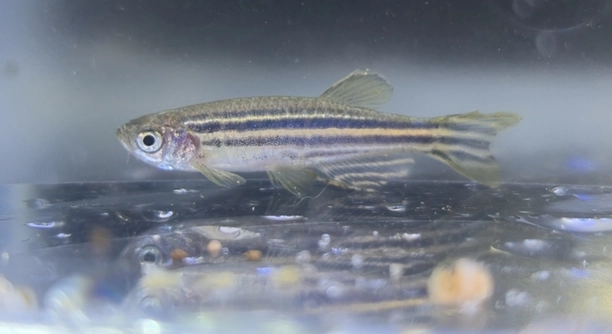
Have you ever watched your zebra danios zip around their tank and wondered if a divided setup might suit them better? These tiny fish are full of energy, and it’s natural to think about their space.
Zebra danios can be kept in a divided tank, but it depends on the divider’s design and the size of the sections. Adequate swimming space, stable water conditions, and proper filtration are necessary to keep them healthy and stress-free.
Learning how tank dividers affect fish behavior and tank dynamics can help you create a setup that’s both functional and safe for your zebra danios.
Why Divider Design Matters for Zebra Danios
When setting up a divided tank, the type of divider you use can make a big difference for zebra danios. These fish are active swimmers and need enough horizontal space to move around freely. If the divider limits this movement too much, they may become stressed or aggressive. A solid, non-transparent divider can help reduce visual contact if you’re keeping other fish on the other side, which may prevent territorial behavior. However, it’s important to allow water flow between sections to keep filtration and temperature consistent. Mesh or slotted dividers work well, as long as the holes aren’t big enough for fish to get stuck. Always check the divider material to make sure it’s aquarium-safe and won’t affect water quality. If you’re housing multiple danios, give each section plenty of space, hiding spots, and swimming room. A thoughtful divider setup supports their health and keeps the tank peaceful.
A divider that blocks too much space or allows aggressive interaction can cause long-term problems for your zebra danios.
If you decide to divide your tank, monitor your fish closely for the first few days. Look for signs of stress, like darting, hiding, or refusing to eat. These are indicators that something in the setup needs adjusting.
Behavior and Compatibility in a Divided Setup
Zebra danios are social fish and often do best in groups, which is why keeping them in isolation can cause stress.
If you must divide the tank, try not to separate them completely from other danios. Visual contact through a mesh divider is sometimes enough to keep them socially engaged without physical interaction. Keep in mind that zebra danios can be fin nippers when bored or crowded, so a divided tank should never feel too small. Each section should be large enough for exercise and include hiding spaces to make the fish feel secure. If one side of the tank has more activity or stronger lighting, it may affect behavior on the quieter side, so try to balance the conditions. Also, watch for signs of bullying if you house other species nearby. Dividers help reduce aggression, but they aren’t a fix for poor tank planning. Overall, compatibility depends on space, setup, and how well you meet the needs of each fish.
Water Conditions and Maintenance in a Divided Tank
A divided tank needs extra attention when it comes to water flow and cleanliness. If water doesn’t circulate well, it can lead to uneven temperatures and waste buildup, especially in smaller sections of the tank.
Make sure the divider allows water to move freely between both sides of the tank. You can use a sponge filter or an extra air stone to improve circulation if needed. Zebra danios are hardy, but they still need stable water conditions to thrive. Test for ammonia, nitrite, and nitrate regularly. Uneven water flow can also cause one side to become dirtier than the other, which affects your danios’ health. Cleaning both sides of the tank during maintenance is important, even if one section looks cleaner. A siphon with a narrow nozzle can help reach tight corners. Consistent water changes, at least once a week, will help keep everything balanced and safe.
Try to keep the water temperature steady, between 72°F and 78°F. Sudden changes can stress zebra danios, especially in smaller divided areas. Use one reliable heater placed near the filter or in a spot where heat can spread evenly. Avoid placing it in just one section unless your divider allows equal heat distribution. Some tank owners prefer using a heater on each side, but that only works if both heaters are properly calibrated. Keep the tank covered to maintain warmth and prevent jumping, as danios are known for leaping out of tanks. Also, avoid overfeeding in divided tanks—uneaten food tends to settle and rot faster in tight spots, causing water quality to drop quickly. Regular checks can prevent these issues before they start.
Stress and Activity Levels in Confined Spaces
Zebra danios are very active and need space to swim across the tank. A tight or overcrowded section can lead to stress, which may show up as hiding, fast gill movement, or fin clamping.
Limited space can also lead to boredom and fin nipping. Adding plants, tunnels, or decorations helps reduce stress and gives them more to explore. Keep their environment engaging even in a divided setup.
Feeding and Observation in a Divided Tank
Feeding zebra danios in a divided tank takes more attention. Food can drift into the other section or get trapped along the divider, leading to waste and poor water quality. Feed close to the fish and watch to make sure they’re actually eating. Overfeeding is a common issue in divided tanks. Since the space is smaller, leftover food can affect water faster. Use tweezers or a small feeding stick if needed to drop food in the right spot. Take time to observe each fish during feeding. If one fish is eating more or showing unusual behavior, it could mean something’s wrong in that section.
Divider Safety and Maintenance
Check your divider regularly for cracks, slipping edges, or trapped debris. Even small damage can lead to accidents or unwanted mixing between sections. A clean, secure divider keeps your zebra danios safe and comfortable.
FAQ
Can zebra danios live alone in one side of a divided tank?
Zebra danios should not live alone. They are schooling fish and need to be with others of their kind to feel secure. If one is placed alone on one side of a divider, it may become stressed, inactive, or even sick over time. Ideally, keep them in groups of at least five, even if you’re using a divider. If space is limited, it’s better to rehome or upgrade rather than isolate one. Separation can cause loneliness, which affects appetite, energy levels, and general behavior.
Is it okay to house zebra danios with other species in a divided tank?
Yes, you can house them near other species as long as the divider is secure and prevents direct contact. Some fish may become aggressive or stressed by seeing each other constantly. Make sure the divider blocks enough visibility or provides hiding spots on both sides. Zebra danios are generally peaceful but fast, and their activity may annoy slower fish nearby. Compatibility across a divider depends on each species’ needs, behavior, and how well the tank is balanced on both sides. Avoid placing species that flare or react to movement close to zebra danios.
How often should I clean a divided tank?
A divided tank usually needs the same maintenance schedule as a regular one, sometimes even more. Perform partial water changes at least once a week, and clean both sides thoroughly. Waste can collect along the divider, and smaller sections get dirty faster. Use a gravel vacuum and test the water on both sides. Clean the divider with a soft brush to prevent algae buildup. Make sure any filtration system is working well and circulating water across both areas. Keeping the tank clean reduces stress and illness in your zebra danios.
Can zebra danios jump over dividers?
Yes, zebra danios are strong jumpers and might try to leap over a low divider, especially if they feel stressed or threatened. Make sure your divider reaches well above the waterline, or install a secure lid that covers the full tank. Jumping can also happen if water parameters are poor or if they are startled. A good divider should extend high enough to stop any chance of crossing. If you’re noticing frequent jumping, check for signs of discomfort, loud noises near the tank, or other stress triggers.
Do zebra danios fight when separated by a see-through divider?
Sometimes, yes. If the divider is transparent or has large holes, zebra danios might display chasing or nipping behavior even though they can’t reach each other. This is especially common with males or when they feel their space is too small. Replacing the divider with a more opaque material or adding plants can help reduce this behavior. Reducing light or giving them a more enriched environment can also keep them calmer. Constant visual contact isn’t always a good thing in a limited space.
Can I use a DIY divider for zebra danios?
You can, but you need to be careful. Many people use plastic mesh, report covers, or craft canvas to create their own dividers. Make sure all materials are aquarium-safe and free of sharp edges or coatings that might harm the fish. Avoid using glue or tape that isn’t meant for underwater use. A DIY divider must fit snugly and allow proper water flow. You’ll also need to test it for leaks or gaps before trusting it long-term. Commercial dividers are safer, but a good DIY option can work with the right care.
What are signs that my zebra danios are stressed in a divided tank?
Watch for changes in swimming behavior, such as hiding, staying still, or constantly pacing the divider. Other signs include not eating, pale color, fast breathing, or darting quickly. If your danios seem more nervous after dividing the tank, you may need to check the space, visibility, or water conditions. It’s also possible they’re reacting to something on the other side, like a larger fish. Stress isn’t always loud or obvious—sometimes it’s small changes in routine. Paying attention daily helps you catch problems early.
Do I need two filters in a divided tank?
Not always, but it depends on the divider’s design. If water can’t flow well between both sections, one filter won’t be enough. You may need two small filters or one with stronger flow and an air stone. Sponge filters are good for gentle circulation and don’t disturb the fish too much. Be careful not to create strong currents, as zebra danios like movement but still need rest. Always test both sides of the tank for ammonia and other waste levels to be sure everything is balanced.
Final Thoughts
Keeping zebra danios in a divided tank is possible, but it takes a bit more planning and attention. These fish are very active and do best when they have enough space to swim freely. Dividing a tank can work if each section still gives them room to move, clean water, and stable temperature. It is also important to make sure the divider is safe, fits well, and allows water to flow between both sides. A poor setup can lead to stress or health problems, so small details matter. Watching how your danios behave after setting up the divider will help you know if any changes are needed.
Some people choose to divide a tank to separate fish, prevent aggression, or create a space for new arrivals. While zebra danios are not usually aggressive, they can get territorial if the space is too small. They also do not like being alone, so putting one zebra danio on one side of a divider by itself is not a good idea. Keeping a group together, even in a divided setup, is better for their overall health. Try to avoid putting them in areas that are too small or crowded, and make sure there are decorations or plants to help them feel comfortable and secure.
Divided tanks also need regular care. Waste and uneaten food can build up faster in smaller sections, so weekly water changes and cleaning are important. Use a reliable filter and make sure water conditions stay balanced on both sides. Keep the temperature steady, avoid overfeeding, and watch for any signs of stress like hiding, fast breathing, or changes in color. A divided tank can work well if set up correctly and managed carefully. If you take the time to plan your tank and monitor your fish closely, zebra danios can live comfortably in a divided space. Just remember that their active nature and social habits should always guide how you arrange their environment.

Hello,
If you enjoy the content that we create, please consider saying a "Thank You!" by leaving a tip.
Every little bit helps us continue crafting quality advice that supports the health, happiness, and well-being of pets around the world, for pets of all shapes, sizes, and species.
We really appreciate the kindness and support that you show us!