
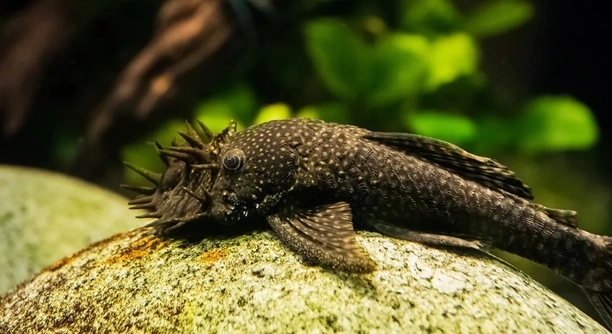
If you own plecos, you might wonder if it’s okay to keep two of them together in your tank. Plecos are unique fish with distinct personalities and needs, making it important to consider whether they’ll thrive when housed together.
Plecos are generally solitary creatures, and keeping two together can lead to territorial disputes, stress, and even injury. While some species may tolerate sharing space, it’s essential to monitor their behavior closely to ensure their well-being.
Understanding how to keep plecos together safely involves considering factors like tank size and species. These details can help prevent issues that might arise in a shared tank environment.
Why You Might Want to Keep Two Plecos Together
While keeping two plecos together might seem like a good idea, it comes with challenges. Plecos are naturally territorial, especially as they mature. This means that even in a large tank, one pleco might constantly chase or bully the other. This behavior can lead to stress, which negatively affects their health. The stress can cause a decrease in their appetite, weakened immune systems, and even physical damage from fights.
It’s important to consider the size of your tank and whether it’s large enough to provide each pleco with enough space to avoid conflict. Plecos often need plenty of hiding spots to feel secure, which helps reduce the chance of aggression. Without proper space and resources, one pleco may dominate the other, leaving the less dominant one feeling threatened.
If you’re keen on having more than one pleco, it’s advisable to choose a tank large enough for both to coexist without constant fighting. With the right setup, some plecos can live peacefully together, but it takes careful planning.
Choosing the Right Species for Coexistence
Not all plecos are suited for living together in the same tank. Some species are more territorial than others.
For example, the common pleco is known for its aggressive tendencies, while the bristlenose pleco tends to be more peaceful. If you’re planning on keeping multiple plecos, research each species to understand their behavior. It’s important to match species that are more likely to coexist peacefully.
Tank Size and Space Requirements
To keep two plecos together, you’ll need a tank large enough for both. The general rule is at least 75 gallons for two plecos. Smaller tanks will quickly lead to stress and fights over space. Without enough room, one pleco will dominate the other, and that’s harmful for both.
A larger tank allows plecos to establish their own territories. It gives them more opportunities to hide, graze, and explore without constantly facing off. Plecos are known to be peaceful when they have enough space to avoid each other. The key is to provide as many hiding spots and areas for both to feel safe.
Adding decorations such as caves, driftwood, and plants can help create natural boundaries within the tank. This helps prevent one pleco from claiming all the space and gives each fish its own area. You’ll also need to make sure your filter system is strong enough to handle the increased waste from two plecos.
Monitoring Behavior
It’s essential to watch how your plecos behave once introduced. You may notice signs of aggression, such as chasing or fin nipping. Even if they seem fine at first, behavior can change as they settle in.
If any issues arise, it’s best to separate them quickly to avoid harm. Pay attention to the physical health of both plecos. Any damage to fins, tails, or skin can indicate stress or aggression. Regularly check on them and be ready to act if things get tense. This monitoring is critical in preventing serious injury or stress-related health issues.
Pleco Compatibility with Other Tankmates
Plecos can be kept with other fish, but it depends on the species. Some plecos are very peaceful, while others can be territorial. It’s important to choose tankmates that are not aggressive and won’t compete for the same resources.
When selecting tankmates for plecos, consider peaceful species that won’t challenge their space. Fish that tend to stay in the middle or top of the tank usually work best. Avoid adding species that are very territorial or that require the same hiding spots. Always monitor the tank closely during the first few weeks.
Proper Diet and Feeding
Plecos are herbivores, so they primarily eat algae, vegetables, and some plant matter. However, you should supplement their diet with sinking pellets and occasional protein sources like shrimp.
To prevent competition, ensure that there’s enough food for both plecos. Feed them in different areas of the tank to reduce the chance of one pleco eating all the food.
FAQ
Can I keep two plecos in a 55-gallon tank?
A 55-gallon tank is generally not recommended for two plecos, especially if they are larger species like the common pleco. Plecos need ample space to establish their territories. A 75-gallon tank or larger is preferred to ensure they can coexist peacefully. With a smaller tank, one pleco may feel cramped, leading to stress and aggression.
What is the best way to prevent aggression between plecos?
To minimize aggression between plecos, it’s essential to ensure they have enough space and hiding spots. A large tank with multiple caves, driftwood, and plants can help provide each pleco with its own space. Keep the tank well-maintained with high water quality, as poor water conditions can increase stress and aggression. Regularly monitor their behavior and remove any aggressive pleco if necessary.
Can plecos live with other bottom-dwelling fish?
Plecos can sometimes live with other bottom-dwelling fish, but compatibility depends on the species. Peaceful bottom dwellers like loaches or corydoras may work, as long as they don’t compete for the same hiding spots or food. Avoid other territorial bottom feeders that might cause conflict over space or food. Always keep an eye on the interactions and be ready to separate them if needed.
How do I know if my plecos are stressed?
Stressed plecos might show signs such as hiding excessively, not eating, or displaying erratic swimming patterns. If they’re constantly being chased or chased by the other pleco, it can lead to visible damage, like torn fins or a decrease in overall health. Reduced appetite is another common sign. If you notice these behaviors, it may be necessary to separate the plecos to prevent further harm.
Can plecos share hiding spots?
While plecos can share hiding spots, it’s best to provide multiple hiding spots to reduce territorial disputes. Plecos often prefer having their own space where they feel safe. Having enough caves, driftwood, or rocks can help ease potential conflicts. If you only have one hiding spot, one pleco may dominate it, leading to stress or aggression.
Do plecos need a lot of oxygen?
Plecos do require a well-oxygenated tank, but they are not particularly demanding compared to some other fish. They are bottom dwellers and typically breathe oxygen from the water with the help of their gills. However, having good water circulation and filtration is important to ensure high oxygen levels in the tank. A strong filter with a good flow rate will help keep the water clean and oxygen-rich.
Are there any plecos that are more peaceful than others?
Yes, some plecos are more peaceful than others. For example, the bristlenose pleco is known for its calm and peaceful nature. It tends to be less territorial compared to the common pleco, which can be more aggressive as it matures. The clown pleco is also a peaceful species that can usually coexist with other fish without issue. When choosing plecos for a community tank, look for species that are naturally more relaxed.
How often should I feed my plecos?
Feeding your plecos once a day is usually sufficient. It’s important to provide a varied diet, including algae wafers, fresh vegetables like zucchini, and occasional protein sources such as shrimp or bloodworms. Plecos often graze throughout the day, so it’s essential to avoid overfeeding. Remove any uneaten food after a few hours to prevent water pollution and maintain tank cleanliness.
Can plecos be kept with other fish that eat algae?
Plecos can generally be kept with other fish that eat algae, but be cautious about competition for food. Algae-eating fish like otocinclus or certain species of snails can share the same tank. However, if there’s not enough food to go around, plecos might become aggressive toward these fish. Make sure there’s enough algae or other food sources available to meet the needs of all the tankmates.
What temperature is best for plecos?
Plecos prefer warmer water, typically between 72°F and 80°F (22°C to 27°C). It’s crucial to maintain a stable temperature within this range to ensure your plecos are healthy. Sudden temperature fluctuations can stress them out and lead to illness. Use a reliable heater and thermometer to keep the tank temperature consistent.
Can plecos live with other fish in a small tank?
A small tank, like a 30-gallon, is generally too small for multiple plecos and other fish. While you can house some plecos with other species in smaller tanks, it’s important to be mindful of their space needs. Overcrowding can lead to stress, poor water quality, and aggression. Plecos, especially larger species, need space to thrive, so it’s better to choose a larger tank to ensure they all have room to coexist peacefully.
Do plecos clean the tank?
While plecos are often thought of as “tank cleaners,” they don’t do as much cleaning as people may think. Plecos primarily eat algae, but they won’t keep the tank spotless. They do help control algae growth on surfaces like rocks, glass, and decorations, but they still need you to clean the tank regularly and perform water changes. They are part of the cleanup crew but not the entire cleaning solution.
Final Thoughts
Keeping two plecos together can work, but it requires careful planning. These fish are territorial by nature, and without enough space, they may become stressed or aggressive toward each other. A large tank, at least 75 gallons, is usually recommended to provide enough room for both plecos to feel comfortable. You also need to make sure the tank has plenty of hiding spots, like caves and plants, to give each pleco its own space. By giving them the room and resources they need, you can increase the chances that they will live together peacefully.
It’s also important to monitor their behavior closely after introducing them to the tank. Even if the plecos appear to get along initially, their relationship can change over time. Some plecos may become more territorial as they grow, which could lead to aggression. If you notice any signs of stress, like damaged fins or excessive hiding, it may be time to separate them. Regularly checking on the plecos will help you spot problems early and take action before things get worse. A little attention can go a long way in keeping them happy and healthy.
Lastly, if you are considering keeping plecos with other fish, it’s important to choose compatible tankmates. Peaceful fish, especially those that stay in different areas of the tank, are a good choice. Avoid keeping plecos with other aggressive or territorial species, as this can lead to conflicts. By planning carefully and ensuring your plecos have enough space, hiding spots, and the right environment, you can create a tank where they can live happily together.

Hello,
If you enjoy the content that we create, please consider saying a "Thank You!" by leaving a tip.
Every little bit helps us continue crafting quality advice that supports the health, happiness, and well-being of pets around the world, for pets of all shapes, sizes, and species.
We really appreciate the kindness and support that you show us!