
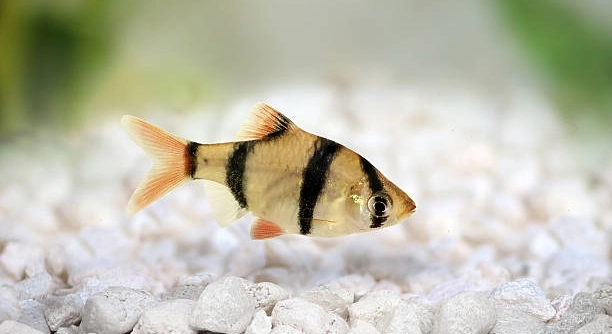
Keeping different fish species together can be a rewarding but challenging part of aquarium care. Tiger barbs and bettas are both popular choices for hobbyists due to their vibrant colors and active behaviors. Understanding their compatibility is important for maintaining a peaceful tank environment.
Tiger barbs and bettas have different temperaments and care needs, which can lead to conflicts when housed together. Bettas are often aggressive and may nip at the tiger barbs’ fins, while tiger barbs tend to be nippy and fast-moving, potentially stressing the bettas. Careful consideration and tank setup are required to avoid issues.
Learning how to manage their behaviors and tank conditions can help create a more harmonious space for both species. The following information will provide guidance on keeping tiger barbs and bettas together successfully.
Temperament Differences Between Tiger Barbs and Bettas
Tiger barbs are known for their active and sometimes aggressive schooling behavior. They swim quickly and often nip at slower fish, especially those with long fins. Bettas, on the other hand, are territorial and can be aggressive toward other fish that invade their space. Their long, flowing fins make them targets for fin-nipping fish like tiger barbs. Because of these differences, the two species often clash in a shared tank. It is important to monitor their behavior closely if you choose to keep them together. Providing plenty of hiding spots and enough space can reduce aggression but may not eliminate it. Understanding their natural tendencies helps in setting realistic expectations for tank harmony.
Proper tank size and decorations can help minimize conflicts. A well-planted aquarium with visual barriers supports peaceful interactions.
When planning a community tank with tiger barbs and bettas, tank size is crucial. A larger tank reduces territorial disputes. Additionally, adding plants and hiding places creates safe zones. Tiger barbs should be kept in groups of at least six to disperse their nipping behavior. Keeping fewer tiger barbs increases stress on both species. It is also helpful to choose bettas that are less aggressive or more tolerant of tank mates. Regular observation will allow quick intervention if aggression arises. Proper feeding and maintenance reduce stress that can increase hostility. Overall, a carefully balanced environment and attentive care improve the chances of success when mixing these fish.
Tank Setup for Compatibility
Providing a spacious and well-decorated tank is essential to reduce stress and aggression. Bettas need places to hide and rest, while tiger barbs benefit from open swimming areas and dense vegetation to school safely.
Creating separate territories with plants and decorations helps each species feel secure and reduces confrontations.
Feeding Habits and Diet Compatibility
Tiger barbs are omnivores that eat flakes, pellets, and occasional live or frozen foods. Bettas are carnivores and require a protein-rich diet.
It is important to provide a varied diet to meet both species’ needs. Feeding them separately or in different parts of the tank can help ensure each fish gets proper nutrition. Overfeeding can cause water quality issues, so portion control is key. Bettas may need specialized pellets or frozen foods like bloodworms, while tiger barbs do well with standard flakes and occasional treats. Offering a balanced diet supports their health and reduces aggression related to hunger.
Feeding times should be consistent and monitored. Uneaten food can worsen water conditions and stress fish. Maintaining a clean tank with proper filtration helps keep both species healthy.
Monitoring Behavior and Stress Signs
Aggression and stress can lead to illness or injury in both species. Early detection of problematic behavior is essential to prevent harm.
Watch for fin damage, chasing, or hiding, which indicate stress or aggression. Frequent attacks require separating the fish or altering the tank setup. Stress can also appear as loss of appetite or lethargy. Bettas with torn fins or missing scales may need treatment or isolation. Tiger barbs that isolate themselves might be stressed or sick. Adjusting environmental factors, such as lighting, decorations, and tank mates, can improve well-being.
Routine observation helps catch issues early. Providing proper care and a peaceful environment supports both species’ health and longevity.
Water Conditions and Compatibility
Both tiger barbs and bettas prefer warm water temperatures between 75°F and 80°F. Maintaining stable water parameters is important to keep both species healthy.
The pH should be slightly acidic to neutral, around 6.5 to 7.5. Regular water changes help reduce toxins and keep the environment stable.
Suitable Tank Mates for Tiger Barbs and Bettas
When keeping tiger barbs and bettas together, adding peaceful and fast-swimming fish like danios or rasboras can help distribute aggression. Avoid slow-moving or long-finned species that may become targets.
Choosing tank mates that tolerate similar water conditions and temperaments helps maintain a balanced community.
Preventing Aggression
Providing plenty of hiding spots and maintaining a spacious tank helps reduce stress and aggressive behaviors in both species.
FAQ
Can tiger barbs and bettas live peacefully together?
Tiger barbs and bettas can live together, but it depends heavily on tank conditions and individual fish temperaments. Bettas are territorial and often aggressive toward other fish with long fins, while tiger barbs are active and may nip fins. Providing a large tank with plenty of hiding spaces and keeping tiger barbs in groups of six or more can reduce aggression. Careful monitoring is essential to ensure both species remain healthy and stress-free.
What tank size is recommended for keeping tiger barbs and bettas together?
A tank of at least 30 gallons is recommended when housing tiger barbs with a betta. This size provides enough space for tiger barbs to school and for the betta to establish its territory without constant conflict. More space reduces territorial behavior and allows fish to avoid each other when needed. Decorate the tank with plants and caves to create natural barriers.
How many tiger barbs should be kept with a betta?
Keeping at least six tiger barbs is important. Tiger barbs are schooling fish and behave less aggressively when in groups. A small number increases their stress and likelihood to nip other fish, including bettas. Larger groups disperse their attention and reduce aggressive targeting. Ensure the tank is spacious enough to comfortably house both species.
What are signs of stress or aggression between tiger barbs and bettas?
Signs include chasing, fin nipping, hiding, and damaged fins. Bettas may flare their fins or repeatedly chase tiger barbs. Tiger barbs may nip fins or dart aggressively. Stress may also show as loss of appetite or lethargy. Early recognition allows intervention before serious injury or illness occurs.
Can diet differences cause problems in a mixed tank?
Yes, diet differences require attention. Bettas need a protein-rich diet, including pellets or frozen bloodworms. Tiger barbs eat flakes, pellets, and occasional live foods. Feeding them separately or in different areas of the tank ensures both get proper nutrition. Overfeeding should be avoided to maintain water quality.
What water parameters suit both tiger barbs and bettas?
Both prefer warm water between 75°F and 80°F and a pH of 6.5 to 7.5. Stable water quality is crucial. Frequent water changes and good filtration help keep ammonia and nitrite levels low. These conditions promote health and reduce stress, which lowers aggression.
Are there tank mates better suited to tiger barbs than bettas?
Tiger barbs do better with other fast-moving, similarly sized fish such as danios or certain rasboras. These species handle the tiger barbs’ nipping behavior better than long-finned, slow-moving fish. Bettas prefer solitary or calm companions due to their territorial nature. Choosing compatible tank mates improves overall harmony.
What should I do if aggression becomes a problem?
If aggression is severe, separating the fish is necessary. Use a divider or relocate one species temporarily. Adjust tank decorations to increase hiding spots. Sometimes adding more tiger barbs to increase their group size helps. Regularly monitor behavior and maintain water quality to reduce stress-related aggression.
How important is tank decoration in reducing conflicts?
Tank decoration is very important. Plants, rocks, and caves create territories and hiding places, which reduce direct contact between tiger barbs and bettas. Visual barriers break line of sight and help fish feel secure. A well-decorated tank lowers stress and limits aggressive interactions.
Can a betta survive with tiger barbs long-term?
A betta can survive long-term with tiger barbs if the tank is large, well-planted, and aggression is managed. However, bettas with very long fins or highly aggressive personalities may struggle. Success depends on individual fish temperaments, tank setup, and attentive care. Regular observation and adjustments are key to maintaining peace.
Keeping tiger barbs and bettas together can be challenging but possible with careful planning and attention. Both species have strong personalities and different behaviors that may cause conflicts if not managed properly. Tiger barbs are active, fast swimmers that often nip at other fish, while bettas are territorial and can be aggressive, especially toward fish with long fins. Understanding these natural traits is important before deciding to house them in the same tank. Providing enough space, hiding spots, and a good group of tiger barbs can help reduce stress and aggression between the two.
Tank setup plays a major role in maintaining harmony. A larger tank, ideally 30 gallons or more, allows each species to establish their own areas and reduces direct encounters. Including plenty of plants, rocks, and decorations creates natural barriers and safe places for both bettas and tiger barbs to retreat when needed. Keeping tiger barbs in groups of six or more is essential since they are schooling fish and behave better in numbers. These factors combined help lower the chances of fin nipping and territorial fights, which are common problems in mixed tanks.
Feeding and water care also contribute to a peaceful environment. Bettas require a protein-rich diet while tiger barbs thrive on a varied omnivorous diet. Feeding them separately or in different parts of the tank ensures both species get proper nutrition. Regular water changes and stable temperature and pH levels support their health and reduce stress, which can otherwise trigger aggression. Despite these precautions, close observation is necessary to catch signs of stress or fighting early. In some cases, separating the fish may be the best solution to protect their well-being. Overall, with the right setup and care, tiger barbs and bettas can coexist, but it demands consistent effort and attention.

Hello,
If you enjoy the content that we create, please consider saying a "Thank You!" by leaving a tip.
Every little bit helps us continue crafting quality advice that supports the health, happiness, and well-being of pets around the world, for pets of all shapes, sizes, and species.
We really appreciate the kindness and support that you show us!