
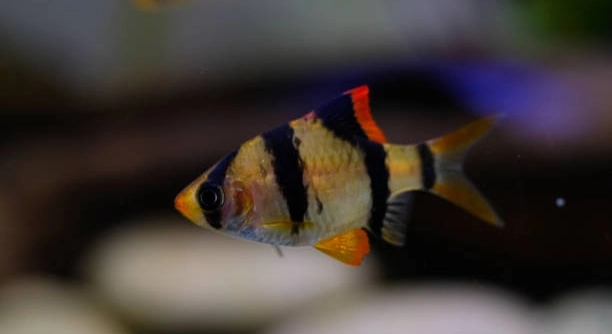
Keeping tiger barbs as pets is popular among fish enthusiasts. Many wonder if these lively fish can thrive in a small, simple bowl at home. Understanding their needs helps in making the right choice for their care.
Tiger barbs require adequate space, clean water, and proper filtration to remain healthy; therefore, keeping them in a small bowl is not suitable for their well-being and can lead to stress and poor health outcomes.
Learning about the ideal environment for tiger barbs will help you provide better care and ensure they live a healthier, happier life in your aquarium.
Why Tiger Barbs Need More Than a Bowl
Tiger barbs are active fish that swim constantly and need space to move freely. A small bowl limits their movement, causing stress that can weaken their immune system. They also produce a fair amount of waste, and without proper filtration, toxins can build up quickly. This leads to poor water quality, which can harm or even kill the fish. A bowl usually doesn’t provide enough water volume to dilute these toxins. Additionally, bowls often lack heaters or filters, which are important for maintaining stable temperatures and clean water. Without these, tiger barbs can suffer from diseases and discomfort. A proper aquarium with a filter and enough space helps maintain water quality and supports the fish’s health and natural behavior.
Small bowls are not a good environment for tiger barbs because they need space and clean water to thrive.
A suitable tank, ideally 20 gallons or larger, offers room for swimming and supports stable water conditions. Filters remove waste, keeping the water safe. Heaters maintain temperature, which is important since tiger barbs prefer warmer water around 75-79°F. Providing plants and hiding spots also helps reduce their stress and mimic their natural habitat. Overall, a well-maintained aquarium promotes a longer, healthier life for tiger barbs.
How to Set Up a Proper Tank for Tiger Barbs
A proper tank for tiger barbs should be at least 20 gallons to allow enough swimming space. It should include a filter to keep the water clean and a heater to maintain consistent temperature.
Start by adding a good quality filter that can handle the tank size. This helps remove fish waste and toxins. Next, install a heater to keep the water stable between 75°F and 79°F, which is ideal for tiger barbs. Use a gravel or sand substrate and add some live or artificial plants for hiding spots. Plants reduce stress and give the fish a more natural setting. Make sure the tank has a secure lid because tiger barbs are active and might jump out. Regular water changes and monitoring of water parameters will keep the environment safe and healthy. Setting up a proper tank supports their lively nature and promotes well-being.
Common Problems with Keeping Tiger Barbs in Bowls
Tiger barbs in bowls often face poor water quality due to lack of filtration. This leads to rapid toxin buildup, stressing the fish and causing illness.
Without enough space, tiger barbs become aggressive and may nip at each other. Bowls restrict their movement, increasing stress and aggression. The small volume also makes it hard to keep stable temperature and oxygen levels, which are crucial for their health. Stress weakens their immune system, making disease more likely. Bowls also limit space for plants or hiding places, which help reduce stress and mimic their natural environment.
Frequent water changes in a bowl can be stressful for the fish and may not solve toxin buildup effectively. It is difficult to maintain a clean, stable environment in such a small space, causing ongoing health risks. A larger, filtered tank provides a safer and more comfortable habitat.
Alternatives to Keeping Tiger Barbs in Bowls
A properly sized aquarium with filtration is the best alternative to a bowl for tiger barbs. A 20-gallon tank offers enough space for swimming and social behavior.
Using a filtered tank helps maintain clean water and stable temperature, reducing stress and disease risk. Adding plants and decorations creates hiding spots, promoting natural behavior. Regular water testing and maintenance keep conditions ideal. Grouping tiger barbs in schools of at least six also reduces aggression. Bowls don’t provide these benefits, making larger tanks the preferred choice for their health and happiness.
How to Improve a Bowl Setup for Tiger Barbs
Adding a small filter can help improve water quality in a bowl. Regular partial water changes are essential to reduce toxins.
Keeping the bowl away from direct sunlight helps prevent temperature swings and algae growth. These small steps make a difference but don’t fully replace a proper tank setup.
Feeding Tiger Barbs in Small Spaces
Tiger barbs need a balanced diet with flakes, pellets, and occasional live or frozen foods. Feeding them small amounts two to three times daily prevents overfeeding, which can pollute the water quickly in small spaces. Proper feeding supports their health and energy levels.
Monitoring Water Quality in a Bowl
Testing water regularly is vital to catch ammonia and nitrite spikes early. Small bowls can change quickly, so frequent checks prevent dangerous conditions.
Signs of Stress in Tiger Barbs
Stress in tiger barbs shows through faded colors, lethargy, or constant hiding. These signs mean their environment needs improvement.
FAQ
Can tiger barbs survive in a bowl?
Tiger barbs can survive briefly in a bowl, but it’s not a healthy or sustainable environment. Bowls lack filtration, heating, and sufficient space, which leads to poor water quality and stress. Over time, this causes illness and a shortened lifespan for the fish. For their well-being, a proper aquarium is necessary.
How big should a tank be for tiger barbs?
A tank for tiger barbs should be at least 20 gallons. This size provides enough room for swimming and social interaction. Tiger barbs are active fish and do best in groups of six or more, so the space helps reduce aggression and allows them to thrive.
What kind of filter is best for tiger barbs?
A filter that provides gentle but effective water flow is best. Canister filters or hang-on-back filters are popular choices. The filter should be strong enough to handle the tank size but not create a strong current, as tiger barbs prefer moderate water movement.
How often should water be changed in a tiger barb tank?
Changing 25-30% of the water every week is ideal. Regular water changes help remove toxins, maintain water clarity, and keep fish healthy. In smaller setups or bowls, more frequent changes may be necessary, but this can stress the fish, so a larger tank is preferable.
Can tiger barbs live with other fish?
Yes, tiger barbs can live with other fish, but it’s important to choose compatible tank mates. Avoid slow-moving or long-finned fish because tiger barbs can nip fins. Good companions include other active, similarly sized fish like danios, barbs, or some tetras.
What temperature do tiger barbs need?
Tiger barbs thrive in water temperatures between 75°F and 79°F (24°C to 26°C). Stable temperatures in this range help keep them healthy and active. Sudden temperature changes can cause stress and illness.
Are tiger barbs aggressive?
Tiger barbs can be semi-aggressive, especially if kept in small groups or cramped spaces. Keeping them in groups of six or more helps spread out aggression and reduces fin-nipping. Providing enough space and hiding spots also helps manage their behavior.
What do tiger barbs eat?
Tiger barbs eat a varied diet including high-quality flakes, pellets, and live or frozen foods such as brine shrimp or bloodworms. A balanced diet keeps them healthy and colorful. Avoid overfeeding to prevent water quality issues.
How do I tell if my tiger barbs are stressed?
Signs of stress include dull colors, hiding often, loss of appetite, and erratic swimming. Stress usually results from poor water conditions, overcrowding, or aggression. Monitoring their behavior regularly can help catch problems early.
Is it okay to keep tiger barbs alone?
No, tiger barbs are schooling fish and prefer living in groups. Keeping a single fish can cause loneliness and stress. A group of at least six helps them feel secure and promotes natural behavior.
Can a bowl ever be safe for tiger barbs?
While bowls are never ideal, if absolutely necessary, adding a small filter, heater, and performing frequent water changes can make it somewhat safer. However, this requires constant care and is not recommended long-term.
How can I reduce aggression in tiger barbs?
Keeping tiger barbs in groups of six or more spreads aggression among them. Providing plenty of hiding spots and decorations also reduces fighting by giving fish places to retreat. Avoid overcrowding, which can increase stress and aggression.
What should I do if my tiger barb is sick?
If you notice signs of illness like white spots, lethargy, or loss of appetite, test the water first. Poor water quality is often the cause. Quarantine sick fish if possible and treat with appropriate medication. Keeping water clean and stable helps prevent sickness.
Are tiger barbs good for beginners?
Tiger barbs can be suitable for beginners who understand their care needs. They require proper tank size, filtration, and maintenance. Their active nature makes them fun to watch, but they do need a bit more attention than some hardier fish.
Final Thoughts
Keeping tiger barbs in a bowl is not a good idea for their health or happiness. These fish are active and social creatures that need space to swim and interact with others. A small bowl limits their movement, making it hard for them to behave naturally. Without enough water volume, the quality of the water quickly worsens, causing stress and illness. The lack of filtration, heating, and hiding places in a bowl means tiger barbs cannot thrive in such a confined space. While it might seem easier to keep fish in a bowl, the long-term effects on their well-being are serious.
Providing a proper aquarium is the best way to care for tiger barbs. A tank of at least 20 gallons with a good filter and heater helps maintain stable water conditions. These features keep the water clean, oxygenated, and at the right temperature. Having enough room allows tiger barbs to swim freely and form social groups, which reduces aggressive behavior. Including plants and decorations in the tank also helps the fish feel more comfortable and less stressed. This setup supports their natural habits and promotes better health.
If you enjoy watching tiger barbs, it is important to prioritize their needs over convenience. Bowls may look simple and attractive, but they do not provide a safe or healthy environment for these fish. Taking the time to set up a suitable tank shows respect for their well-being. Regular maintenance, proper feeding, and monitoring water quality will keep your tiger barbs lively and colorful. When cared for properly, tiger barbs can live longer and more active lives, making your aquarium experience much more rewarding.

Hello,
If you enjoy the content that we create, please consider saying a "Thank You!" by leaving a tip.
Every little bit helps us continue crafting quality advice that supports the health, happiness, and well-being of pets around the world, for pets of all shapes, sizes, and species.
We really appreciate the kindness and support that you show us!