
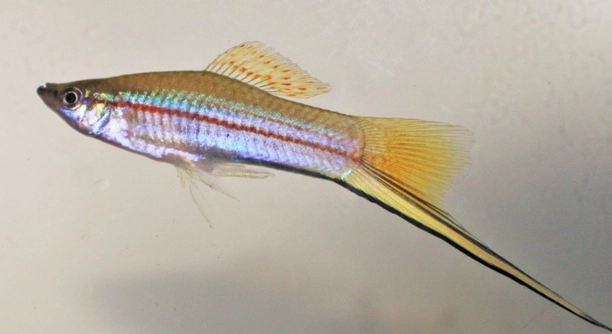
Swordtails are popular fish due to their vibrant colors and active nature. If you’re considering adding them to a community tank, it’s important to know how they interact with other fish species and if they will thrive in the shared environment.
Swordtails are generally compatible with most community tanks, but they do best with peaceful fish. They may become aggressive towards smaller or more timid species. Ensuring plenty of space and hiding spots is crucial to prevent stress.
By understanding their behavior and tank needs, you can create a peaceful environment for all the fish in your tank.
Compatibility with Other Fish Species
Swordtails are peaceful fish, but like all species, their temperament can vary. They are generally social and do well in tanks with other non-aggressive fish. It’s important to avoid housing them with overly territorial or aggressive species, as this could lead to stress or injury. Swordtails are active swimmers, so they need plenty of space to explore. Tank mates like tetras, guppies, and corydoras catfish make good companions, as these fish tend to be calm and share similar water conditions.
If you’re unsure about whether your other fish are a good match, it’s best to observe their behavior. Make sure the tank is large enough for everyone to feel comfortable and that no fish is left out of important resources like food and hiding spots.
Adding peaceful tank mates can create a harmonious environment for swordtails and other fish, ensuring a healthy, happy aquarium. Just keep an eye on how everyone interacts over time.
Swordtail Behavior in a Community Tank
Swordtails can sometimes show aggression when they feel crowded or stressed. This is usually more common in males, who may become territorial, especially around females. It’s vital to provide enough hiding spots and decorations to help your swordtails feel secure.
Swordtails thrive in a tank with plenty of space and well-planted areas, where they can retreat if they feel threatened. A good rule of thumb is to have one male for every two to three females to reduce competition. Additionally, avoid overcrowding to ensure that each fish has enough room to swim freely. Maintaining proper water quality is essential, as poor conditions can cause stress and affect the behavior of your swordtails.
When properly cared for, swordtails can coexist peacefully with other community fish. Just be mindful of their space needs and ensure they feel comfortable in their environment. This will keep everyone in the tank stress-free and healthy.
Tank Size and Space Requirements
Swordtails need space to swim and explore. A tank of at least 20 gallons is recommended for a small group of swordtails. With a larger tank, you can add more fish, but remember to maintain enough space for everyone to coexist comfortably. A cramped tank will cause stress and aggression among all species.
A tank that’s too small can lead to overcrowding, which may result in swordtails fighting for territory or food. Providing enough room for each fish to establish its space is crucial. Swordtails are active swimmers, and they thrive in environments where they have the freedom to move around without feeling confined. Proper tank size also ensures that the water quality remains stable, which is essential for their overall health.
To prevent territorial issues and aggression, it’s essential to keep the tank spacious. The more room your swordtails have, the happier they will be. Also, remember that other fish in the tank need space too. Proper planning for the tank size can lead to a balanced, peaceful aquarium.
Tank Decorations and Hiding Spots
Swordtails appreciate tank decorations that mimic their natural environment, such as plants, rocks, and driftwood. These features not only make the tank look more appealing but also provide essential hiding spots and places for your swordtails to feel secure. Adding plants, especially those that grow tall, can help reduce stress.
By including decorations in your tank, you give swordtails places to retreat when they need a break from swimming. Swordtails are peaceful but can become agitated if they feel exposed or threatened. A well-decorated tank allows them to explore and establish territory in a way that reduces tension. Be sure to use decorations that don’t have sharp edges to avoid harming your fish.
Creating a tank with plenty of hiding spaces will help reduce aggression among your swordtails. This will allow them to feel more secure and less likely to fight over space. You can also experiment with different plants or decorations to see which types swordtails seem to prefer. The more natural and comfortable the environment, the better they will adapt.
Water Conditions for Swordtails
Swordtails prefer slightly alkaline water with a pH between 7.0 and 8.0. The temperature should range from 72°F to 82°F. Maintaining stable water conditions is essential for their health. Sudden changes can stress them out, making them more susceptible to illness.
Make sure to regularly check your tank’s water parameters to keep everything balanced. Swordtails are hardy fish but will thrive best when the water is clean and the temperature remains consistent. You can use a reliable heater and filter to help maintain these conditions. Regular water changes, about 25% weekly, are also important.
Stable water conditions promote healthy growth and reduce stress in swordtails. Proper filtration will also help remove waste and toxins from the water, improving the overall tank environment for all inhabitants.
Swordtail Feeding Needs
Swordtails are omnivores and require a balanced diet of both plant and animal-based foods. You can feed them high-quality flakes, pellets, and live or frozen foods like brine shrimp and daphnia. A varied diet ensures they get all the necessary nutrients for optimal health.
Make sure to feed them small amounts a few times a day. Overfeeding can lead to poor water quality, as leftover food will break down and pollute the tank. Swordtails are good eaters, so portion control is essential. Keep in mind that some fish may prefer certain foods over others, so it’s helpful to offer different options.
Offering a variety of foods keeps your swordtails happy and healthy. Just be cautious not to overfeed, as it can affect water quality and your swordtail’s health.
FAQ
Can swordtails live with other fish?
Yes, swordtails are peaceful and can live with most other non-aggressive fish. They are generally good community fish, especially when housed with calm species like tetras, guppies, or corydoras catfish. Avoid keeping them with territorial or aggressive fish, as this can lead to stress or fighting. It’s important to ensure your tank has enough space and hiding spots for everyone to feel safe.
What size tank is needed for swordtails?
Swordtails need a minimum of 20 gallons of water for a small group. Larger tanks will allow you to add more fish, but you still need to ensure there’s enough space for each one to thrive. A larger tank will also make it easier to maintain water quality and reduce the risk of overcrowding. Swordtails are active swimmers, so they need room to move around comfortably.
How many swordtails should I keep together?
It’s best to keep swordtails in groups of at least three, with more females than males. Males can be territorial and may fight over females if there aren’t enough of them. A ratio of 1 male to 2-3 females helps prevent aggression. More females reduce stress on the males, as they don’t have to compete as much for attention.
Do swordtails need a heater in their tank?
Yes, swordtails need a stable water temperature between 72°F and 82°F. This is important for their overall health and well-being. A reliable aquarium heater will ensure the temperature remains consistent, especially in colder months. If the water gets too cold or fluctuates too much, it can stress the fish and make them more susceptible to illness.
What kind of food should swordtails eat?
Swordtails are omnivores, so they need a balanced diet. You can feed them high-quality flakes, pellets, and live or frozen foods like brine shrimp or daphnia. Offering a variety of foods ensures they get all the necessary nutrients. Be sure to feed them small amounts a few times a day, and avoid overfeeding, which can pollute the water.
How often should I feed swordtails?
Swordtails should be fed small portions two to three times a day. It’s important not to overfeed them, as this can cause waste buildup and deteriorate water quality. Only feed them what they can consume within a few minutes to prevent leftover food from breaking down in the tank. A varied diet helps them stay healthy and happy.
Can swordtails breed in a community tank?
Yes, swordtails can breed in a community tank if there are males and females present. They are livebearers, meaning the females give birth to free-swimming young. If you don’t want swordtails to breed, you can either remove the males or separate them. However, if you do allow breeding, it’s a good idea to have plants or decorations where the fry can hide from other fish, as they may be eaten.
What water conditions do swordtails prefer?
Swordtails prefer slightly alkaline water with a pH range of 7.0 to 8.0. The water temperature should be between 72°F and 82°F. Make sure to regularly check the water parameters to ensure they remain stable. Swordtails also do best in soft to moderately hard water. Regular water changes, about 25% weekly, help maintain good water quality.
Do swordtails require a filter?
Yes, swordtails require a good filtration system to keep the water clean and free from toxins. A filter will help maintain the water quality and prevent the buildup of waste. Make sure the filter is suitable for the size of your tank. Clean the filter regularly to ensure it continues to work effectively.
How can I prevent aggression between swordtails?
To prevent aggression, make sure your tank is large enough and well-decorated with plants, rocks, and other hiding spots. Providing plenty of space for each fish will help reduce territorial behavior. If you have males and females, keep more females than males to reduce competition. If aggression persists, consider adding more plants or rearranging decorations to break up sightlines.
Why are my swordtails acting aggressively?
Swordtails may become aggressive if they feel crowded, stressed, or are competing for resources like food or territory. Make sure your tank isn’t overcrowded, and that each fish has enough space. If you have more males than females, this can lead to aggression, so adjust the ratio accordingly. Poor water quality or fluctuations in temperature can also cause stress and aggression.
How do I know if my swordtails are happy?
Happy swordtails are active swimmers, constantly moving around the tank. They will also have vibrant colors and a healthy appetite. If they’re swimming at the surface, darting around, or hiding more than usual, it could be a sign of stress. Ensure the tank size, water parameters, and tank mates are all appropriate for their needs.
Are swordtails hardy fish?
Yes, swordtails are considered hardy fish. They can adapt to a range of water conditions, as long as these conditions are stable. However, sudden changes in temperature, poor water quality, or overcrowding can stress them out. Regular maintenance, including water changes and filter cleaning, will help keep them healthy.
Can swordtails live with bettas?
Swordtails and bettas are both peaceful fish, but males of both species can be territorial. It’s not recommended to keep a male betta and male swordtails together, as they may fight. However, if the betta is female or if there’s enough space for all fish to establish their territories, they may coexist peacefully. Always keep an eye on interactions and be ready to separate them if necessary.
Final Thoughts
Swordtails are a great choice for a community tank due to their peaceful nature and compatibility with many other fish species. Their bright colors and active personalities add life to any aquarium. However, it’s important to ensure they have enough space and proper water conditions to thrive. Swordtails do best in tanks of at least 20 gallons, with stable water temperatures between 72°F and 82°F and a pH of 7.0 to 8.0. These fish are hardy, but maintaining clean water and proper filtration is key to their long-term health.
Feeding swordtails a balanced diet of both plant and animal-based foods helps keep them healthy. They are omnivores and enjoy a variety of flakes, pellets, and live or frozen foods like brine shrimp and daphnia. Offering a range of foods ensures they get all the necessary nutrients. Be mindful not to overfeed them, as leftover food can pollute the water. Swordtails also benefit from being kept in groups, with a higher number of females to reduce the risk of territorial behavior among males. A healthy balance in your tank environment is crucial for their well-being.
When considering whether to add swordtails to a community tank, it’s important to think about the other fish species you’re keeping. Swordtails do well with non-aggressive fish, like tetras and corydoras. Avoid mixing them with overly territorial or aggressive species, as this can cause stress or even injury. Swordtails are generally easy to care for and breed in a community tank. By maintaining good water quality, offering a varied diet, and ensuring a peaceful tank environment, you can enjoy a thriving swordtail population that adds color and life to your aquarium for years.

Hello,
If you enjoy the content that we create, please consider saying a "Thank You!" by leaving a tip.
Every little bit helps us continue crafting quality advice that supports the health, happiness, and well-being of pets around the world, for pets of all shapes, sizes, and species.
We really appreciate the kindness and support that you show us!