
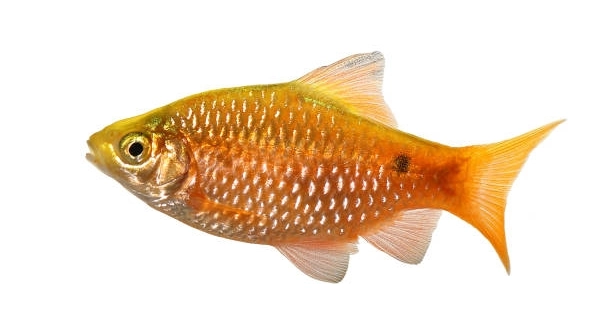
Do you ever find yourself thinking about adding a splash of color and movement to your garden pond with tropical fish?
Rosy barbs can be kept in outdoor ponds if the climate is mild and water temperatures remain above 64°F (18°C). They thrive in well-oxygenated, clean water with adequate space, shade, and seasonal protection from predators.
Learn how to create a safe outdoor environment that supports their health, activity, and vibrant coloration all year round.
Outdoor Pond Conditions for Rosy Barbs
Rosy barbs can adapt well to outdoor ponds when a few important conditions are met. These fish prefer cool, steady temperatures between 64°F and 74°F. Sudden drops or rises can stress them, so ponds in temperate zones work best. Shaded areas and floating plants help prevent overheating in the summer. Filtration is necessary to maintain water quality, and regular cleaning helps avoid waste buildup. Rosy barbs are active swimmers, so give them enough space to move freely. A depth of at least two feet is ideal to buffer temperature changes and protect them during colder nights.
Make sure the pond is secure from birds, cats, or raccoons. Use mesh or plants like water lilies to offer shelter and reduce visibility from predators.
Avoid placing your pond in full sun without shade, especially during summer. Consistent temperature, clean water, and room to swim are key to keeping rosy barbs healthy outside.
Seasonal Considerations and Pond Setup
If your region experiences harsh winters, rosy barbs may not survive outdoors all year. In colder climates, move them indoors before temperatures drop below 60°F.
To set up a pond that suits rosy barbs, focus on water depth, shade, filtration, and plant coverage. A depth of two to three feet allows stable temperatures and gives the fish space to swim vertically. Include plants like hornwort or water lettuce to provide natural hiding spots and help keep the water balanced. Use a gentle filter to keep the water clean without creating strong currents. Barbs are social, so keep at least five together to prevent stress. Choose a pond location that receives morning sun and afternoon shade, as this helps regulate water temperature. Make sure the edges are sloped or have ledges for easier plant placement and fish safety. With the right setup and routine care, rosy barbs can live happily and thrive in an outdoor environment.
Feeding and Care Tips for Outdoor Rosy Barbs
Feed your rosy barbs once or twice a day using floating pellets, flakes, or small live foods. Remove uneaten food quickly to prevent water quality issues. Choose food suited for coldwater fish if temperatures drop.
In outdoor settings, rosy barbs will often snack on small insects, algae, or mosquito larvae. Still, supplement their diet with a balanced mix of store-bought food to ensure proper nutrition. Stick to feeding in the morning or early evening when temperatures are more stable. Overfeeding leads to water problems and attracts pests, so stick to portions they can eat in two minutes. Feed smaller amounts during colder months when their metabolism slows down. Floating food is easier to monitor in ponds, and frozen treats like daphnia can be added once a week for variety. Consistent feeding and clean water support active, healthy fish year-round.
Keep an eye on their behavior during feeding. If they stop eating or seem sluggish, check the water temperature and quality right away. A water test kit helps track ammonia, nitrate, and pH levels easily. Weekly water changes—around 10–20%—can keep conditions stable. Use dechlorinated water and clean out any debris or excess plant matter. Clear water and an active feeding response are signs your rosy barbs are doing well outdoors.
Common Risks and How to Avoid Them
Predators and temperature shifts are the most common risks in outdoor ponds. Sudden drops in temperature or overheating can stress rosy barbs quickly. Adding pond covers or aquatic plants helps shield them from both weather changes and predators.
Other risks include poor water quality, overpopulation, and algae overgrowth. Regular pond maintenance is important—remove fallen leaves, trim dead plants, and clean filters as needed. Avoid adding too many fish, as overcrowding increases waste and stress. Watch for signs of illness like fin clamping, gasping, or unusual swimming. These may point to ammonia buildup, parasites, or other water issues. Use netting to prevent bird attacks, and keep pets away from the pond. Monitor temperature and install a pond thermometer for accuracy. If you spot issues early, it’s easier to fix them. A balanced pond with proper care helps reduce stress and keeps rosy barbs healthy and active.
Breeding Behavior in Outdoor Ponds
Rosy barbs may breed naturally in outdoor ponds if conditions are right. They spawn in warmer water, usually above 70°F, and scatter their eggs among plants. Dense vegetation or spawning mops help protect the eggs from being eaten.
To support breeding, maintain stable temperatures, clean water, and include fine-leaved plants like hornwort or cabomba. Adults may eat their own eggs, so adding a breeding net or separating them afterward can help protect fry.
Compatibility with Other Pond Fish
Rosy barbs are peaceful but active, so they do best with similar-sized, non-aggressive fish. Good options include goldfish, white cloud mountain minnows, and weather loaches. Avoid keeping them with slow or long-finned fish, as rosy barbs may nip at fins when bored or overcrowded.
Final Notes on Long-Term Care
Check your pond regularly to ensure everything stays balanced. Fish health depends on stable water, proper food, and clean surroundings. Regular observation and quick response to changes will keep your rosy barbs thriving outdoors.
FAQ
Can rosy barbs live through winter in outdoor ponds?
Rosy barbs tolerate cooler temperatures but generally do not survive freezing winters. If your area has frost or ice, it’s best to move them indoors or provide a heated shelter. Temperatures below 60°F slow their metabolism, and prolonged cold can weaken their immune system. A pond deeper than two feet may offer some protection by reducing temperature swings, but long freezes are risky.
What is the ideal pond size for rosy barbs?
A minimum of 100 gallons is recommended for a small group of rosy barbs. They are active swimmers and need space to move freely. Larger ponds help maintain stable water quality and temperature. A depth of at least two feet is also important to buffer temperature changes and provide room for plants and hiding spots.
Are rosy barbs aggressive toward other fish?
Rosy barbs can be fin nippers if kept in small groups or crowded conditions. Keeping at least five together reduces aggression by dispersing their energy. They are generally peaceful with similar-sized fish that swim actively. Avoid slow-moving or long-finned species, as these may become targets.
How often should I clean my outdoor pond when keeping rosy barbs?
Regular maintenance is key to healthy pond life. Remove debris and dead plants weekly, and perform a partial water change (10–20%) every one to two weeks. Clean filters as needed, usually once a month, depending on pond size and load. Over-cleaning can disrupt beneficial bacteria, so balance is important.
What do rosy barbs eat in an outdoor pond?
They eat a mix of floating flakes, pellets, insects, and algae. Outdoor ponds provide natural snacks like mosquito larvae and small insects. Supplement with high-quality commercial food to ensure balanced nutrition. Feeding once or twice daily in small amounts prevents overfeeding and water pollution.
Can rosy barbs breed in outdoor ponds without intervention?
Yes, they can spawn naturally when water temperatures are warm, above 70°F. Providing dense plants or spawning mops helps protect eggs. However, adults often eat their own eggs, so using a breeding net or separating adults after spawning can improve fry survival.
How do I prevent predators from harming rosy barbs?
Use pond netting to keep out birds and cats. Adding floating plants or underwater hiding places gives fish cover from predators. Avoid placing the pond near areas with high predator activity. Regularly check for signs of attacks or stress on the fish.
What water parameters are best for rosy barbs?
Rosy barbs prefer a pH between 6.5 and 7.5 and moderate hardness (5–19 dGH). Temperatures from 64°F to 74°F are ideal. Stability matters more than hitting exact numbers. Sudden shifts in pH or temperature can cause stress and illness.
Is it necessary to add plants to the pond?
Yes, plants provide shade, oxygen, and hiding spots. They also help maintain water quality by absorbing excess nutrients. Use a mix of floating plants like water lettuce and submerged plants such as hornwort to create a balanced environment.
What signs indicate rosy barbs are stressed or unhealthy?
Look for sluggish swimming, loss of appetite, clamped fins, or unusual spots or discoloration. Gasping at the surface often indicates low oxygen or poor water quality. Early detection and water testing can help correct issues before they worsen.
How many rosy barbs should I keep together?
A group of at least five is recommended. They are social fish and feel more secure in groups. Smaller numbers can lead to aggression or stress. Larger groups also spread out activity, which helps keep them busy and reduces fin-nipping behavior.
Can rosy barbs adapt to varying water hardness?
They tolerate a range of moderate hardness levels but prefer slightly soft to moderately hard water. Extreme hardness or very soft water can cause health problems. Regular water testing and adjustments help maintain a comfortable environment.
What temperature range should I avoid for rosy barbs?
Avoid temperatures below 60°F and above 80°F for extended periods. Cold slows their metabolism, making them vulnerable, while heat increases stress and oxygen demand. Provide shade during hot months and consider heating if your pond gets too cold.
Are rosy barbs prone to diseases in outdoor ponds?
Like all fish, they can catch parasites or bacterial infections if water quality is poor. Maintaining clean water and balanced feeding reduces risk. Quarantining new fish before adding them helps prevent introducing illnesses.
How can I tell if my rosy barbs are happy?
Active swimming, bright coloration, and regular feeding response show good health and comfort. Social behavior like schooling and exploring plants indicates a positive environment.
These FAQs cover the most common concerns about keeping rosy barbs outdoors. Proper care, stable conditions, and attention to their needs help them thrive and add beauty to your pond.
Rosy barbs can be a wonderful addition to outdoor ponds when the right conditions are provided. They bring vibrant color and lively movement to garden waters, making ponds more enjoyable to watch. To keep them healthy, it’s important to maintain stable water temperatures, good water quality, and a safe environment free from predators. These fish are quite adaptable but need some care to thrive outside. Providing enough space, proper feeding, and adequate plant coverage helps create a balanced pond where rosy barbs can live comfortably.
When planning to keep rosy barbs outdoors, it’s essential to consider your climate. They do best in areas where temperatures don’t drop too low or rise too high. In colder regions, it’s wise to bring them indoors during winter or use a heated pond shelter. Monitoring water quality and temperature regularly will help avoid problems caused by sudden changes. It’s also important to feed them appropriate food in moderate amounts to keep the water clean. Overfeeding can cause water pollution and increase the chance of illness. Regular maintenance, such as partial water changes and debris removal, supports a healthy environment for the fish.
Overall, rosy barbs offer a great option for pond owners who want colorful, active fish. Their care is straightforward as long as you pay attention to the basics of water quality, temperature, and safety. With proper setup and ongoing care, rosy barbs can live happily in outdoor ponds for years. Creating a suitable environment helps these fish show their best colors and behavior, adding life and charm to any pond space. Taking the time to meet their needs ensures a rewarding experience and a beautiful pond habitat.

Hello,
If you enjoy the content that we create, please consider saying a "Thank You!" by leaving a tip.
Every little bit helps us continue crafting quality advice that supports the health, happiness, and well-being of pets around the world, for pets of all shapes, sizes, and species.
We really appreciate the kindness and support that you show us!