
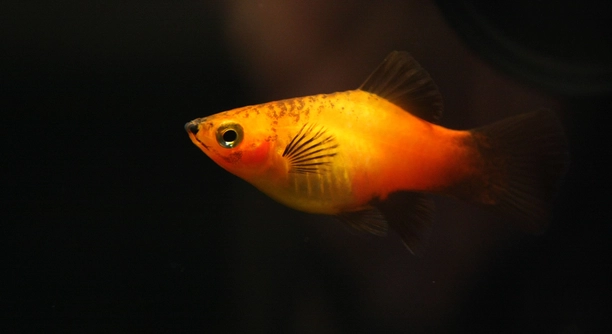
Have you ever looked at your platy tank and wondered if the gravel at the bottom is truly necessary for their well-being?
Platies can be kept without substrate, but it may affect the tank’s biological filtration and overall aesthetic. Substrate often supports beneficial bacteria and helps mimic a more natural environment for the fish.
Removing the substrate can make cleaning easier, but there are important details to consider if you want to keep your platies healthy and your tank balanced.
Why Some Fishkeepers Skip Substrate
Keeping a tank without substrate can make things simpler. Cleaning is faster, and waste is easier to spot and remove. It’s especially useful if you’re focused on breeding or if you want to monitor water quality more closely. Platies don’t require substrate to survive, so skipping it won’t directly harm them. However, it changes the overall look of the tank. A bare-bottom tank may seem less natural and can feel a little empty without plants or decorations. Some fishkeepers like the clean, simple look. Others prefer a more natural feel that includes gravel, sand, or plant soil. Going without substrate also gives you better control over feeding since leftover food won’t get trapped in the gravel. But that same gravel can support beneficial bacteria that help manage waste. Removing it means you’ll need to be more on top of water changes and filter maintenance to keep things safe for your platies.
Bare-bottom tanks can also reduce buildup of uneaten food and waste, making maintenance quicker for some people.
If you choose to go without substrate, it’s a good idea to make up for it with more decorations and plants. Floating plants, suction cup accessories, and sponge filters can help keep your platies active and comfortable. They like having spots to explore and hide. A bare tank without any enrichment can feel too open for them. While substrate supports beneficial bacteria, you can balance that out by adding extra biological media to your filter. Just make sure your filter is rated for your tank size, and clean it regularly. Also, watch your water parameters more closely. Without gravel or sand, changes in water chemistry can happen faster. Test weekly and adjust as needed. Many people enjoy the simplicity of a substrate-free tank, but it does require a bit more attention to detail to keep everything balanced and clean.
Things to Consider Before Removing Substrate
Skipping substrate changes how the tank functions. You’ll need to plan ahead to keep things stable for your platies.
Without substrate, your tank loses an area where helpful bacteria usually grow. These bacteria play a key role in breaking down waste and keeping ammonia levels safe. That means your filter will need to work harder to make up for it. Upgrading your biological filter media and checking water quality more often is important. You’ll also need to rethink how your tank looks. Platies enjoy swimming around plants and decorations, and a bare tank can seem plain or too open. Try using floating plants, driftwood, or stones with suction cups to make things more inviting. Also, consider your lighting. A bare glass bottom can reflect light, making the tank feel too bright for your fish. Adding shaded areas helps reduce stress. Finally, if you’re keeping your tank bare to make cleaning easier, remember that regular maintenance is still key. Even small tanks need weekly care.
How It Affects Your Platies
Platies can adapt to a bare-bottom tank, but they may become less active without enough stimulation. A tank without gravel can sometimes feel too open, making them more cautious or skittish, especially in brighter lighting conditions.
Without substrate, your platies may spend less time exploring the tank floor. Gravel often holds food bits and algae, which they naturally pick at throughout the day. In a bare tank, they lose that part of their behavior. This doesn’t harm them, but it can make them seem less lively. To make up for it, consider adding more floating plants or mid-level decorations. These additions give them things to swim around and investigate. Small adjustments like this can help your fish feel more secure and at ease. Also, platies tend to do better when there are some shaded spots or visual breaks in their space, especially in bare tanks.
Over time, a plain setup might affect their social behavior. Platies are curious and often explore their environment in small groups. Without enough structure in the tank, they might spread out more and interact less. Some people notice a change in how active or playful their fish seem. Adding plants, plastic caves, or even simple ornaments can help create a more comfortable space. These extras can encourage them to interact more with each other. Also, remember to monitor their behavior after making changes. If they appear stressed, consider dimming the lights or adding more cover to the tank. Simple changes often make a big difference in how your platies behave.
Setting Up a Bare-Bottom Tank
A bare-bottom tank is easier to clean but needs a bit more planning. You’ll want to make sure you have a good filter, stable heater, and enough visual interest for your platies to feel safe and comfortable in their space.
Start by picking the right filter. Since you won’t have gravel to host beneficial bacteria, a sponge filter or a filter with extra biological media will help keep the water safe. You should also use a heater to keep the temperature consistent since platies prefer stable, warm water. Add floating plants or tall plastic ones to give your fish hiding spots. These make the tank feel less empty and more secure. Place decorations along the back or sides to reduce open space and light reflection. Keep a close eye on ammonia and nitrate levels since waste won’t break down the same way. With regular maintenance, your platies can thrive just fine without substrate.
Cleaning and Maintenance Without Substrate
A bare-bottom tank makes daily waste removal quicker. Fish waste and leftover food are easier to spot, so you can siphon them out without disturbing anything else. This helps keep the water cleaner and reduces buildup between water changes.
Even though cleaning is easier, regular water changes are still important. Without substrate to help trap debris, everything stays in the water column longer. Use a sponge or soft cloth to wipe down the glass as needed. Keeping the filter clean will also help balance the tank over time.
Adding Visual Appeal to a Bare Tank
A tank without gravel doesn’t have to look empty. Use floating plants like hornwort or water lettuce to give the tank a softer look. Add smooth stones, driftwood, or small plastic decorations with suction cups. Place taller items near the back to give the tank depth. Keeping the background simple or using a printed background can also help create a cozy feel. Try to balance open space with areas where your platies can feel secure. Rearranging decorations occasionally can also keep things interesting for your fish and give them new areas to explore.
Monitoring Your Platies
Watch for signs of stress like hiding, clamped fins, or lack of appetite. If they seem uneasy, try adding more cover or adjusting the lighting.
FAQ
Can platies live happily without substrate?
Yes, platies can live without substrate, but the tank environment changes. Without gravel or sand, there is less surface area for beneficial bacteria that help break down waste. This means your filtration system must work harder, and you will need to maintain water quality more carefully. Also, the lack of substrate can change how platies behave since they won’t have natural surfaces to explore or forage on. To keep them comfortable, adding plants and decorations that create hiding spots is important. Overall, platies can thrive in a bare-bottom tank as long as you pay close attention to tank conditions and fish behavior.
Will platies get stressed in a tank without substrate?
Platies may feel less secure in a bare-bottom tank if it lacks decorations or plants. They like having places to hide or rest, and an empty tank can feel too exposed. Stress can show through hiding excessively, clamped fins, or less active swimming. To reduce stress, provide floating plants, plastic caves, or other ornaments. Adding shaded areas can also help, especially under bright lights. If you notice your fish acting nervous or less lively, adding more cover often improves their comfort quickly.
How do I keep the water clean without substrate?
Without substrate to trap debris, waste and uneaten food stay in the water longer. This means you need to be more diligent with water changes and tank cleaning. Using a powerful filter with biological media is essential. Regular siphoning of the tank bottom removes waste before it affects water quality. Wiping down glass and decorations helps prevent algae buildup. Testing water parameters frequently will alert you to any ammonia or nitrate spikes. Proper maintenance keeps the water safe even without gravel or sand.
Does skipping substrate save money?
It might save some money upfront since you don’t need to buy gravel or sand. However, you may need better filtration and possibly more decorations to make up for the bare environment. Also, you might spend more time and effort on regular maintenance and water testing to keep your tank stable. Over time, these factors can balance out any savings from not using substrate.
Can I breed platies without substrate?
Breeding platies without substrate is possible but more challenging. Substrate often provides hiding spots for fry (baby fish) and a place for plants to root, which helps fry survive. Without gravel or sand, fry may be more exposed and vulnerable to being eaten by adult fish. Adding floating plants or small shelters can improve survival rates. If you want to breed successfully, be prepared to separate fry or create safe areas for them in a bare tank.
What decorations work best in a bare-bottom platy tank?
Floating plants like hornwort and duckweed provide cover and help soften the tank’s appearance. Plastic or ceramic caves, smooth stones, and driftwood add structure and hiding spots. Decorations with suction cups can be placed anywhere to add interest without disturbing the tank bottom. Keep items away from the center to maintain open swimming space but create visual breaks along the sides and back. Rearranging decorations occasionally keeps the environment fresh and stimulating.
Will my platies eat less without substrate?
Platies may pick less at food particles since they won’t find leftovers trapped in gravel or algae to nibble on. This doesn’t mean they’ll eat less overall but that their natural foraging behavior is reduced. You may need to adjust feeding by offering smaller, more frequent meals to prevent leftovers from polluting the water. Watching how much they eat and removing uneaten food quickly helps maintain water quality.
Is lighting more important without substrate?
Yes, lighting plays a bigger role in bare tanks. Without gravel to absorb light, reflections can increase, making the tank seem brighter and potentially stressing fish. Providing shaded areas with plants or decorations helps reduce glare. Using a dimmer or adjustable light can give you control over brightness. Finding the right balance ensures your platies feel safe and comfortable.
Do I need to test water more often without substrate?
Testing water regularly is always important, but it becomes even more critical without substrate. Substrate hosts helpful bacteria that break down waste, so without it, water chemistry can change faster. Test for ammonia, nitrites, nitrates, and pH at least weekly. Adjust your maintenance routine based on these results to keep your platies healthy and stress-free.
Can I switch from substrate to bare bottom easily?
Switching to a bare-bottom tank requires careful planning. Removing gravel can disturb the beneficial bacteria, leading to a temporary spike in ammonia. To avoid this, perform the switch gradually if possible, or increase water changes during the transition. Boost your filter’s biological media to help maintain water quality. Add plenty of plants and decorations to keep your fish comfortable during the change. Monitor your water closely for a few weeks after switching.
Final Thoughts
Keeping platies without substrate is definitely possible, but it does change how the tank works. Without gravel or sand, you lose the natural surface where helpful bacteria grow. These bacteria play an important role in breaking down waste and keeping the water safe. This means your filter needs to work harder to maintain good water quality. It also means you will have to be more consistent with water changes and testing. While some people enjoy the simpler cleaning that comes with a bare-bottom tank, it does require more attention to tank maintenance to make sure your platies stay healthy.
A tank without substrate can look cleaner and more modern, but it might feel a little empty to your fish. Platies like having places to hide and explore, so it’s important to add decorations, plants, or other cover. Floating plants, caves, and driftwood can create a more natural feel and reduce stress for your fish. Without these, platies may seem less active or a bit nervous because the tank feels too open. Adding a few visual breaks and shaded areas helps make the environment comfortable and enjoyable for your fish.
Ultimately, whether or not you keep substrate depends on your personal preference and how much time you want to spend on maintenance. If you like a clean, easy-to-manage tank and don’t mind adding plants and decorations for your platies, going without substrate can work well. Just remember that a bare tank needs a strong filter, regular water testing, and consistent care to keep your fish happy. With some planning and attention, platies can thrive in a bare-bottom setup just as well as in a tank with substrate.

Hello,
If you enjoy the content that we create, please consider saying a "Thank You!" by leaving a tip.
Every little bit helps us continue crafting quality advice that supports the health, happiness, and well-being of pets around the world, for pets of all shapes, sizes, and species.
We really appreciate the kindness and support that you show us!