
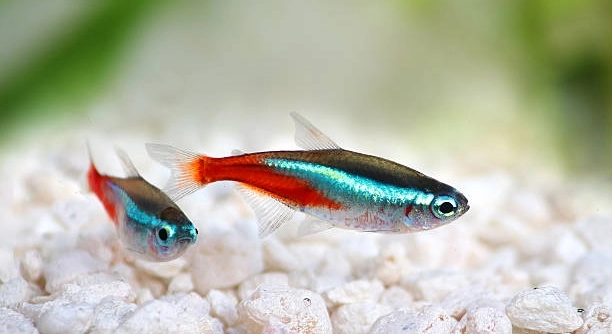
Do you ever find yourself setting up a simple tank for neon tetras and wondering if a filter is really necessary?
Keeping neon tetras without a filter increases the risk of poor water quality, stress, and disease. These fish are sensitive to ammonia and nitrite buildup, which filters help control by supporting the nitrogen cycle and maintaining stable conditions.
Understanding the risks can help you make better choices for your fish and support a healthier environment in your aquarium.
Why Filters Matter for Neon Tetras
Neon tetras are small, colorful fish that thrive in clean, stable water. In a natural habitat, moving water helps remove waste and brings in fresh oxygen. In a tank, filters play that role. Without one, waste builds up quickly. Ammonia from uneaten food, fish waste, and decaying plants can rise fast. Even a slight increase in ammonia or nitrite levels can lead to stress, fin damage, and illness. Filters not only remove visible debris but also host helpful bacteria that break down toxins. These bacteria are key to maintaining balance. A tank without a filter can become unstable, leading to frequent spikes in harmful compounds. Regular water changes help, but they may not be enough for long-term stability. Especially in smaller tanks, water quality can shift quickly. Neon tetras need consistency to stay active and colorful. A filter helps provide that consistency without daily maintenance.
Skipping the filter might seem easier at first, but it often creates more problems over time.
A healthy tank needs more than clear water. Good bacteria, steady oxygen, and low waste levels are all essential. Filters support each of these. Without one, you’re likely to see dull colors, poor behavior, and higher stress in your neon tetras.
Risks of a Filterless Setup
Neon tetras are sensitive and don’t adjust well to unstable conditions. Clean water helps them live longer and stay active.
When filters are removed, waste and chemicals can quickly take over the tank. Even if the water looks clean, harmful substances can build up fast. These include ammonia, nitrite, and leftover food. Over time, this leads to stress in your fish. You might notice faded colors or changes in how they swim. Neon tetras rely on consistent oxygen levels, which filters help maintain by moving the water. Without that movement, oxygen can drop, especially at night. This makes it harder for the fish to breathe. Also, without a filter, helpful bacteria don’t have a stable home, so the tank can’t properly process waste. You’ll need to perform frequent water changes, and even that might not be enough. If you’re keeping a small group in a planted tank, it’s sometimes possible to go without a filter, but it takes a lot of effort to maintain water quality.
How to Make It Work Without a Filter
Keeping neon tetras without a filter means taking on more work. Water quality becomes your full-time responsibility. This includes more frequent changes, testing, and monitoring tank behavior daily to prevent spikes in toxins.
Start by using a larger tank, ideally 10 gallons or more, to slow down waste buildup. Fewer fish means less waste, so keep the group small. Add live plants like java moss or anubias to absorb ammonia and provide oxygen. A sponge filter run occasionally with an air pump can help without constant flow. Test your water every few days using a reliable kit. Change 25–50% of the water at least twice a week, depending on tank conditions. Remove uneaten food right away. Avoid overfeeding, and keep light exposure steady to support plant growth. A thermometer helps track stability. Every detail matters more without a filter.
Even with great effort, there are risks. Manual maintenance is never as consistent as a filter. Missing a single water change or overfeeding once can quickly unbalance the tank. This can stress or even kill your fish. A filter adds a layer of protection. If you’re committed, it’s possible, but it requires constant attention and effort every week.
What to Watch For
Watch your neon tetras closely for any signs of stress. Dull color, hiding, or gasping at the surface usually means the water quality isn’t right.
Even small ammonia spikes can hurt them. Use liquid test kits instead of strips for more accurate readings. Keep nitrate levels under control too, especially if you’re not using a filter. Clean the substrate weekly with a siphon to remove hidden waste. Floating debris or cloudiness in the water means it’s time for an extra water change. Check if the plants look healthy—dying plants can rot and add to the waste. Temperature should stay steady between 72°F and 78°F. Stability matters more without the support of a filter. If you notice frequent stress signs, it might be time to reconsider using one. Filters provide steady support that’s hard to replace with just manual care.
Signs Your Setup Isn’t Working
If your neon tetras are losing color or acting sluggish, it usually means something is off in the water. Poor swimming, surface gasping, or clamped fins are also early signs of water quality issues.
Frequent algae blooms or a strong smell from the tank often point to excess waste. This usually means the balance is breaking down without proper filtration.
When a Filter Becomes Necessary
If water changes no longer keep ammonia and nitrite levels at zero, it’s time to add a filter. Tetras need consistency, and a filter offers constant biological support that manual methods can’t always match. Signs like fish deaths, recurring illness, or a constant cloudy tank mean your setup is struggling. Even planted tanks have limits, and sometimes natural filtration isn’t enough. A small sponge filter or hang-on-back model can make a big difference without adding too much flow. If things feel like they’re getting harder to manage, adding a filter can help stabilize the tank and make care easier long-term.
Final Thought Before Deciding
Keeping neon tetras without a filter can work, but only with strict upkeep and careful monitoring every day.
FAQ
Can neon tetras survive in a tank without a filter?
Yes, but it takes much more effort to maintain water quality. You’ll need to test the water regularly, do frequent water changes, and keep the tank lightly stocked. Without a filter, harmful waste builds up faster, and there’s no stable place for helpful bacteria to grow. Even small changes in the tank can quickly lead to stress or illness. A filtered tank offers stability that’s hard to match manually. You can try it, but be prepared to stay on top of every detail.
How often should I change the water in a filterless tank?
At least twice a week, though some setups may need more. Without a filter to process waste, ammonia and nitrite levels can rise quickly. A 25–50% water change each time helps remove toxins and keep things stable. Smaller tanks may need more attention since they become unstable faster. If you notice cloudy water or stressed fish, increase the frequency. Skipping even one change in a filterless setup can have serious effects on your fish.
Do live plants replace the need for a filter?
Live plants help, but they don’t do everything a filter does. They absorb some ammonia and produce oxygen, but they can’t fully replace the mechanical and biological support of a filter. Some plants grow faster and help more, like hornwort or water sprite. Still, they need light, nutrients, and trimming. In a filterless tank, plants should be part of the setup but not the only line of defense. They work best when combined with careful maintenance.
What size tank is best for neon tetras without a filter?
A 10-gallon tank or larger is recommended. Bigger tanks hold more water, which helps dilute waste and makes the environment more stable. In smaller tanks, toxins build up faster, and temperature changes can happen quickly. A larger tank gives you more room for error and allows plants and fish to thrive better without mechanical help.
Can I use an air pump instead of a filter?
An air pump alone won’t remove waste, but it can help with water movement and oxygen levels. Attaching it to a sponge filter gives you basic filtration with minimal flow, which neon tetras tolerate well. While it’s not as thorough as a full filter, it’s better than having no support at all.
What signs show the tank needs a filter?
Cloudy water, algae blooms, and stressed fish are early signs. If ammonia or nitrite levels keep rising despite frequent water changes, the setup likely can’t keep up. Sudden fish deaths or a strong smell also mean the tank is unbalanced. These are clear signs it’s time to install a filter.
How can I make water changes easier in a filterless tank?
Keep a siphon and clean buckets nearby. Use a water conditioner to treat tap water before adding it. Stick to a schedule and write it down. Remove uneaten food daily to reduce waste. Keep tools clean and ready so it doesn’t feel like a chore.
Will neon tetras breed in a tank without a filter?
It’s possible, but conditions need to be very stable. They usually won’t spawn if the water is poor or if they’re stressed. Without a filter, it’s harder to maintain the right balance for breeding. Eggs and fry are very sensitive to toxins. A separate breeding setup with clean, stable water is usually best.
What’s the biggest risk of not using a filter?
The biggest risk is sudden water quality changes. Without filtration, ammonia can spike quickly. This leads to stress, illness, and possibly death. Filters provide a steady system to remove waste and support beneficial bacteria. Without one, you must be extra careful and respond fast to any signs of imbalance.
Final Thoughts
Keeping neon tetras without a filter is possible, but it requires extra attention and care. You must be consistent with water changes, test the water often, and monitor your fish closely. These steps are important because there is no equipment helping to break down waste. Without a filter, you are fully responsible for keeping the water safe and stable at all times. Even one missed cleaning or feeding mistake can create problems in a small, filterless tank.
Choosing the right tank size and setup is just as important. A larger tank gives you more stability, making it easier to control waste and temperature. Adding live plants can also help improve water quality and offer extra oxygen, but they are not a full replacement for a filter. Feeding small amounts and removing leftovers quickly helps reduce buildup. Everything in a filterless setup has to work together. There is little room for error, so staying organized is key.
If you ever notice cloudy water, fish acting differently, or test results changing quickly, it may be time to add a filter. A simple sponge filter or small hang-on-back filter can make a big difference. It reduces stress for both the fish and the person caring for them. While some people enjoy the challenge of a filterless tank, it is not always the best choice for beginners. A filter helps build a more stable environment that supports the health and comfort of your neon tetras over time.

Hello,
If you enjoy the content that we create, please consider saying a "Thank You!" by leaving a tip.
Every little bit helps us continue crafting quality advice that supports the health, happiness, and well-being of pets around the world, for pets of all shapes, sizes, and species.
We really appreciate the kindness and support that you show us!