
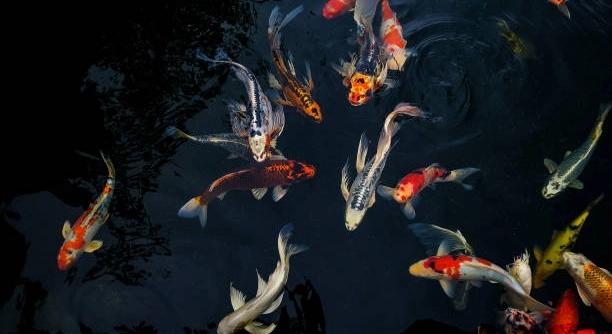
Keeping koi fish indoors has become an option for some fish enthusiasts who want to enjoy their vibrant colors up close. Indoor koi tanks offer a way to appreciate these fish year-round, especially when outdoor conditions are not ideal. Proper care is essential to maintain their health indoors.
Koi fish can be kept indoors under specific conditions, including adequate tank size, proper filtration, controlled water temperature, and sufficient oxygen supply. Without these factors, koi are prone to stress and health problems in indoor environments.
Understanding the requirements for indoor koi care helps ensure their well-being and longevity, making indoor keeping a viable choice for dedicated hobbyists.
Essential Conditions for Keeping Koi Fish Indoors
Koi fish require specific conditions to thrive indoors. First, tank size is critical; koi grow large and need at least 250 gallons of water for a few fish. Water quality must be carefully maintained with a strong filtration system to handle waste and keep ammonia levels low. Temperature control is equally important because koi prefer water between 65°F and 75°F. Sudden temperature changes can stress them. Oxygen levels must be high, so aeration or air pumps are necessary. Lighting should mimic natural daylight cycles to support their health. Indoor tanks need regular cleaning and water changes to prevent disease. Without these factors, koi can develop health issues or fail to grow properly. Planning for adequate space, filtration, temperature, and oxygen ensures koi can live comfortably inside.
Maintaining these conditions requires commitment but is necessary for koi health indoors.
Indoor koi care demands attention to detail and consistent maintenance to provide a stable environment.
Feeding and Health Management Indoors
Proper feeding is vital for koi kept indoors. They need a balanced diet that supports growth and coloration. Overfeeding can pollute water, so portion control matters.
Indoor koi face risks like poor water quality and limited space that may weaken their immune system. Regular health checks and prompt action at signs of illness help maintain their well-being. Monitoring behavior and appearance allows early detection of problems. Quarantine procedures for new fish reduce disease spread. Prevention through clean water, proper diet, and stable conditions is the best approach to avoid common health issues. Indoor koi may need supplements during colder months when metabolism slows down. Taking these steps ensures koi remain healthy and vibrant in an indoor setup.
Tank Setup and Maintenance
Choosing the right tank setup is crucial for indoor koi. A large, sturdy tank with smooth surfaces prevents injury. Ensure the tank has a secure lid to avoid accidents.
Setting up includes installing a reliable filtration system to keep water clean and clear. Regular water changes of about 10–20% weekly help maintain water quality. Testing water parameters such as ammonia, nitrites, and pH is necessary to avoid harmful fluctuations. Proper aeration supports oxygen levels, especially in indoor tanks where natural water movement is limited. Decorations should not have sharp edges, and plants can help create a natural environment but must be koi-safe.
Consistent maintenance keeps the environment healthy for koi. Cleaning filters, monitoring water quality, and checking for signs of stress or disease prevent problems. Proper setup and upkeep are key to successful indoor koi keeping.
Temperature and Lighting Control
Maintaining stable temperature is vital for indoor koi health. Avoid drastic fluctuations, which cause stress and weaken immunity. Use heaters or chillers to keep water between 65°F and 75°F. Monitor temperature regularly.
Lighting indoors should replicate natural daylight cycles to support koi’s biological rhythms. Use timers for consistent light periods, typically 10–12 hours daily. Avoid direct sunlight, which can cause overheating and algae growth. Low-intensity LED lights are effective and energy-efficient. Proper lighting helps maintain koi activity and coloration. Balancing light and dark periods supports their natural behavior patterns, aiding overall well-being in an indoor environment.
Choosing the Right Koi for Indoors
Select koi that are healthy, active, and free from visible signs of illness. Smaller koi are easier to manage indoors as they adapt better to confined spaces.
Avoid fish with torn fins or cloudy eyes. Quarantine new koi before introducing them to the main tank to prevent disease spread.
Water Quality Monitoring
Regularly test water for ammonia, nitrite, nitrate, and pH levels. Ideal pH should be between 7.0 and 8.5. Ammonia and nitrite must remain at zero. Nitrate should be kept low through water changes and filtration.
Proper water quality prevents stress and disease, ensuring koi remain healthy and active.
Avoiding Overcrowding
Limit the number of koi to prevent stress and poor water quality. Overcrowding increases waste and reduces oxygen levels, harming fish health.
Provide enough space for koi to swim freely and grow comfortably.
Signs of Stress in Indoor Koi
Look for sluggishness, loss of appetite, or unusual swimming patterns. These may indicate stress or illness requiring immediate attention.
FAQ
Can koi fish live indoors long-term?
Koi fish can live indoors long-term if their environment meets specific requirements. A large tank with excellent filtration, proper temperature control, and good oxygenation is necessary. Without these, koi may experience stress or illness. Regular maintenance and monitoring support their health inside.
How big should an indoor koi tank be?
An indoor tank for koi should be at least 250 gallons to accommodate their size and activity level. Koi grow quickly and need space to swim comfortably. Smaller tanks may stunt growth and increase health risks due to poor water quality.
What water temperature is best for indoor koi?
Maintain indoor water temperature between 65°F and 75°F. This range suits koi metabolism and immune function. Sudden changes or extremes can stress the fish, so using heaters or chillers helps keep temperature stable.
How often should I change the water in an indoor koi tank?
Water changes of 10–20% weekly are recommended. This removes toxins and replenishes minerals, keeping water conditions healthy. Larger changes risk shocking the fish. Regular testing guides when adjustments are needed.
Do koi need special lighting indoors?
Yes, koi benefit from lighting that mimics natural daylight, typically 10–12 hours daily. Timed LED lights provide consistent light without overheating. Proper lighting supports their natural behaviors and coloration.
What should I feed indoor koi?
Feed koi a balanced pellet diet formulated for their needs. Avoid overfeeding, as excess food pollutes water. Adjust feeding amounts seasonally, reducing in colder months when koi metabolism slows.
Can koi get diseases indoors?
Indoor koi are susceptible to diseases, especially if water quality drops or stress occurs. Regular health monitoring, quarantine of new fish, and good tank hygiene reduce risks. Early detection is important for treatment success.
Is aeration necessary in an indoor koi tank?
Yes, aeration is crucial because indoor tanks lack natural water movement. Air pumps or fountains increase oxygen levels, preventing suffocation and supporting fish metabolism.
How do I know if my koi is stressed?
Signs of stress include sluggish swimming, loss of appetite, clamped fins, or unusual behavior. Stress often results from poor water quality, temperature fluctuations, or overcrowding. Addressing these factors quickly helps recovery.
Can koi live with other fish indoors?
Koi can share a tank with compatible species, but space and water quality must be sufficient. Avoid aggressive or small fish that koi might harm. Mixing species requires careful monitoring.
What maintenance tasks are essential for indoor koi tanks?
Regular cleaning of filters, water testing, partial water changes, and tank inspections are necessary. Removing waste and uneaten food prevents toxin buildup. Consistency maintains a stable, healthy environment.
Are plants recommended in indoor koi tanks?
Plants can improve water quality by absorbing nitrates and providing shelter. Choose sturdy, koi-safe species to avoid damage. Be mindful that koi may uproot or eat plants.
How fast do koi grow indoors?
Koi grow steadily with proper care but may grow slower indoors if space or water quality is limited. Providing ample room and nutrition encourages healthy growth.
What is the lifespan of koi kept indoors?
With ideal conditions, koi can live 20 years or more indoors. Lifespan depends on care quality, tank environment, and disease prevention.
Can koi survive without a heater indoors?
If room temperature stays within their preferred range, a heater may not be necessary. However, most indoor spaces fluctuate, so a heater ensures stable conditions and reduces stress.
Final Thoughts
Keeping koi fish indoors is possible but requires careful planning and ongoing effort. These fish need a large tank with clean, well-filtered water and stable temperature to stay healthy. Because koi grow quite large, space is a key factor to consider before setting up an indoor environment. Providing enough room and good water quality helps prevent common health issues and supports their natural behavior. It is important to remember that koi are active swimmers and need an environment that allows them to move freely without crowding.
Water quality maintenance is essential when keeping koi indoors. Regular water changes, proper filtration, and testing water parameters like ammonia, nitrites, nitrates, and pH keep the tank safe for the fish. Poor water quality can quickly lead to stress and disease, which affects koi health and lifespan. Aeration is also necessary because indoor tanks usually lack natural water movement. Keeping oxygen levels high through air pumps or fountains helps koi breathe comfortably. Consistency in tank care plays a large role in ensuring the fish’s well-being over time.
Feeding koi indoors requires attention to portion size and diet quality. Overfeeding is a common issue that can harm both water quality and fish health. Using high-quality pellets designed for koi and adjusting feeding amounts seasonally is the best approach. Observing koi behavior helps identify stress or illness early, allowing prompt intervention. While keeping koi indoors can be rewarding, it demands commitment and attention to detail. Those prepared to meet these needs can enjoy the beauty and tranquility these fish bring to indoor spaces.

Hello,
If you enjoy the content that we create, please consider saying a "Thank You!" by leaving a tip.
Every little bit helps us continue crafting quality advice that supports the health, happiness, and well-being of pets around the world, for pets of all shapes, sizes, and species.
We really appreciate the kindness and support that you show us!