
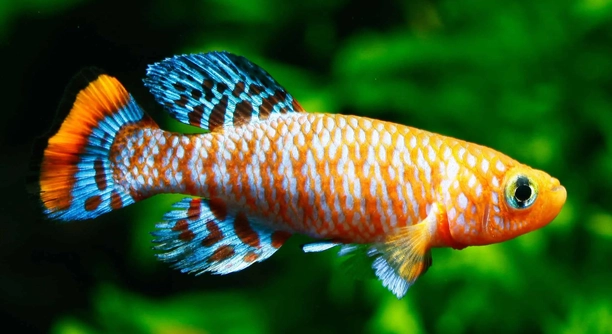
Killi fish are small, colorful freshwater fish often kept by aquarium enthusiasts. Many people enjoy the challenge of creating natural, planted environments that mimic their wild habitats. A planted jar can be a charming way to display these delicate fish in a small space.
Killi fish can be kept in a planted jar under specific conditions. The jar must provide adequate water quality, temperature stability, and sufficient plant cover to support the fish’s natural behavior and health. Regular maintenance and careful monitoring are essential for their well-being.
Understanding how to create the right environment in a small container can make all the difference for your killi fish’s health and happiness. This article will guide you through the key points to consider before setting up a planted jar.
Setting Up a Planted Jar for Killi Fish
Creating a planted jar for killi fish starts with choosing the right container. The jar should be wide enough to give the fish room to swim but not too large to make maintenance difficult. Using a glass jar helps keep water clear and lets you see the plants and fish easily. Adding live plants is important—they provide hiding spots and help keep the water clean. Plants like java moss, duckweed, and small ferns work well in jars. The water needs to be changed regularly to avoid buildup of waste, as small volumes can quickly become toxic. Keeping the jar away from direct sunlight prevents overheating and algae growth. Finally, a gentle air flow or a small sponge filter can improve oxygen levels, which is crucial for the fish’s health in such a small environment.
Maintenance is key to success with a planted jar. Frequent water checks keep fish healthy.
A well-planted jar balances beauty and function. Proper setup reduces stress on the fish and promotes natural behavior. Plants also help create a mini ecosystem by supporting beneficial bacteria that break down waste. Choosing the right plants and keeping the water clean allows killi fish to thrive even in small spaces. Small jars require more attention, but the payoff is a peaceful, natural habitat that showcases the fish’s colors and personality.
Choosing the Right Killi Fish Species
Not all killi fish are suitable for jar living. Some species grow too large or need more space than a jar can offer. For a planted jar, smaller species like Aphyosemion or Nothobranchius are better choices because they stay compact and adapt well to confined spaces. These species also appreciate planted environments, where they can hide and rest. Avoid active or territorial species that might become stressed or aggressive in tight quarters. Research the specific needs of the fish before purchase, including water temperature, pH, and diet. Providing the right conditions from the start helps prevent health problems and supports long-term survival.
Selecting a species that fits the environment is essential for a thriving planted jar.
Smaller killi fish varieties usually do better in planted jars. They need gentle water movement and stable conditions. Many will live comfortably in a jar with dense planting and regular care. If the jar environment mimics their natural habitat, these fish will show their best colors and natural behaviors. Avoid overcrowding, and keep in mind that even small fish need room to swim and explore. Setting realistic expectations about the size and species helps ensure a balanced and healthy mini aquarium.
Water Quality and Temperature Control
Maintaining clean water is essential for killi fish in a planted jar. Water can become dirty quickly, so frequent changes are necessary.
Water in small containers can heat up or cool down faster than in larger tanks. Keep the temperature steady between 72°F and 78°F, which suits most killi fish species. Avoid sudden changes that stress the fish. Using a small thermometer helps monitor the temperature easily. Changing about 20-30% of the water weekly keeps conditions stable and removes harmful toxins. Using dechlorinated or aged water prevents chemical damage to fish and plants. Testing water parameters like pH and ammonia levels is useful to catch problems early. Proper water quality support helps fish stay healthy and active.
Temperature fluctuations can be dangerous. Consistent warmth keeps fish comfortable and reduces stress. A planted jar without temperature control may cause weak fish or illness, so it’s important to check often and act quickly if needed.
Feeding Killi Fish in a Planted Jar
Killi fish need a varied diet for good health. Small live or frozen foods like daphnia, brine shrimp, or bloodworms are ideal. These foods match what killi fish eat in nature and provide proper nutrition. Feeding small amounts once or twice daily prevents leftover food from polluting the water. Avoid overfeeding because uneaten food quickly fouls small jars. You can also try high-quality pellet or flake food made for small carnivorous fish, but live food is best for growth and color. Observing the fish during feeding helps ensure they eat enough and stay energetic.
A balanced diet supports vibrant colors and strong immune systems in killi fish. Consistency with feeding times helps create a routine for both the fish and caretaker.
Feeding in small spaces requires care. Food breaks down quickly in jars, so clean up any leftovers promptly. Live foods stimulate natural hunting behavior, which enriches the fish’s environment. Overfeeding or poor-quality food can cause water quality issues, so moderation and attention are key to keeping your killi fish healthy in a planted jar.
Lighting for a Planted Jar
Proper lighting helps plants grow and keeps the jar looking nice. Too much light causes algae, while too little slows plant growth.
Use moderate, indirect light for about 8 to 10 hours daily. Avoid placing the jar in direct sunlight to prevent overheating and algae buildup.
Common Problems in Planted Jars
Algae growth, poor water quality, and temperature swings are common challenges in planted jars. Algae can cover plants and reduce oxygen. Poor water quality stresses fish and plants, causing illness. Temperature changes shock fish and affect their metabolism. Regular maintenance, water testing, and careful placement help avoid these problems. Using hardy plants and adjusting feeding routines can improve the jar’s balance. Paying close attention to these issues early prevents bigger troubles later, ensuring a healthier environment for killi fish.
Cleaning the Jar
Cleaning must be gentle to protect plants and fish. Remove algae carefully and do partial water changes weekly. Avoid harsh chemicals that can harm life inside the jar.
Plant Choices
Choose slow-growing, low-maintenance plants suited for small jars. They help maintain balance and provide shelter for the fish.
FAQ
Can killi fish live happily in a small jar?
Killi fish can live in a small jar if conditions are right. The jar needs to have clean water, stable temperature, and enough plants for hiding. Regular maintenance is important because small jars get dirty faster. Without care, fish may get stressed or sick.
How often should I change the water in a planted jar?
Changing about 20-30% of the water once a week works well. This keeps the water clean and removes toxins. Make sure to use dechlorinated or aged water to avoid harming the fish. Small jars need frequent changes because waste builds up quickly.
What plants are best for a killi fish jar?
Slow-growing, low-light plants like java moss, duckweed, and small ferns are ideal. These plants don’t need much care and provide good cover. They also help keep the water clean by absorbing nutrients and supporting beneficial bacteria.
Is a filter necessary in a planted jar?
A filter is helpful but not always required. If the jar is very small, a gentle sponge filter or regular water changes can keep water quality good. Avoid strong filters that create too much current, as killi fish prefer calm water.
What temperature is best for killi fish in a jar?
Most killi fish do well between 72°F and 78°F (22°C to 26°C). Keep the temperature stable because sudden changes can stress or harm the fish. Use a small thermometer to monitor temperature regularly.
How much should I feed my killi fish?
Feed small amounts once or twice daily. Use live or frozen foods like daphnia, brine shrimp, or bloodworms. Avoid overfeeding to keep water clean. Leftover food can quickly pollute the small jar and harm fish.
Can I keep more than one killi fish in a planted jar?
It depends on the jar size and species. Small jars usually suit only one or two small killi fish. Overcrowding causes stress and poor water quality. Choose peaceful species and provide enough space and hiding places.
How do I prevent algae in my planted jar?
Control light by keeping it moderate and avoiding direct sunlight. Don’t overfeed the fish, and change water regularly. Live plants help reduce algae by competing for nutrients. Cleaning algae gently with a soft brush keeps plants healthy.
What signs show that my killi fish is stressed?
Signs include hiding constantly, loss of color, rapid breathing, or not eating. Stress can come from poor water quality, temperature changes, or lack of space. Act quickly by checking water and improving conditions.
Is it okay to use tap water in the jar?
Tap water usually contains chlorine or chloramine, which harm fish. Always treat tap water with a water conditioner before adding it to the jar. Letting water sit for 24 hours or using a filter can also help remove chemicals.
How do I keep the plants healthy in a small jar?
Provide moderate light and avoid overcrowding. Trim dead leaves regularly to prevent decay. Use nutrient-rich substrate or add liquid fertilizers carefully to avoid harming fish. Clean the jar gently to protect roots.
Can killi fish breed in a planted jar?
Breeding is possible but challenging in small jars. The environment must be perfect with clean water, plenty of plants for hiding, and stable conditions. If breeding, prepare for fry care, as small jars limit space and water quality.
Keeping killi fish in a planted jar can be a rewarding experience when done carefully. These small fish bring color and life to a tiny, natural-looking environment. However, it is important to remember that small jars require more attention than larger tanks. Water quality, temperature, and plant health must be monitored often to keep the fish healthy. Regular water changes and gentle cleaning are necessary because waste builds up quickly in such a small space. It may take some trial and error to get everything balanced, but the effort can lead to a peaceful, attractive home for your killi fish.
Choosing the right species and plants makes a big difference in how well the fish thrive in a jar. Smaller killi fish species that prefer calm water and plenty of cover tend to do best. Slow-growing, hardy plants help maintain water quality and give the fish places to hide and rest. Avoid overcrowding the jar with too many fish or plants, as this can cause stress and water problems. Paying attention to feeding habits is also important. Overfeeding can pollute the water quickly, so it is best to give small amounts of food and remove any leftovers. Live or frozen foods are ideal for killi fish and support their natural behavior and health.
Overall, a planted jar can be a beautiful and simple way to enjoy killi fish. It offers a natural setting that showcases their colors and unique behaviors. While the small size requires extra care and attention, it also makes the jar easier to manage in some ways, like space and equipment needs. With patience and regular maintenance, the planted jar can become a balanced little ecosystem that brings enjoyment and a bit of nature indoors. This setup is a good option for those who want a small-scale aquarium and are willing to commit to its care.

Hello,
If you enjoy the content that we create, please consider saying a "Thank You!" by leaving a tip.
Every little bit helps us continue crafting quality advice that supports the health, happiness, and well-being of pets around the world, for pets of all shapes, sizes, and species.
We really appreciate the kindness and support that you show us!