
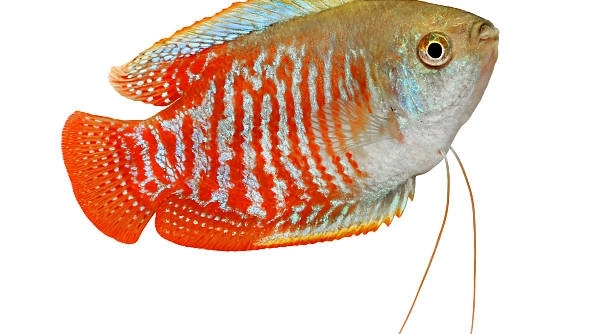
Keeping giant gouramis can be exciting for many aquarium enthusiasts. These fish are calm and graceful, making them a striking addition. Some aquarists also enjoy keeping smaller creatures like shrimp alongside them for variety.
Giant gouramis are generally not suitable to keep with shrimp. They are omnivorous and can view shrimp as food, posing a high risk to the shrimp’s survival. Careful consideration is required when choosing tank companions.
Despite their peaceful appearance, giant gouramis have natural instincts that may threaten smaller tank inhabitants, making proper planning essential for a balanced aquarium environment.
Understanding Giant Gourami Behavior
Giant gouramis are generally calm, but they have clear instincts when it comes to food. They grow large and can dominate a tank easily. Smaller creatures, like shrimp, are often seen as prey, even if the gourami seems peaceful at first. Their size and curiosity make it hard for shrimp to stay safe. They may not always attack immediately, but over time, the risk grows. Gouramis explore everything in their environment with their mouths. This includes decorations, plants, and any smaller tank mates. Even if shrimp hide, the gourami’s persistence can cause stress or injury. Tank layout plays a role too. Hiding spaces and dense plants might help, but they cannot fully guarantee safety. Behavior also changes as gouramis age. Younger fish may ignore shrimp briefly, but adults usually have stronger instincts. Understanding this behavior helps aquarists make informed choices about which species can cohabit safely in a tank.
Giant gouramis’ size and feeding habits make shrimp vulnerable in almost any shared tank environment.
Stress in shrimp caused by constant predation attempts can weaken their immune system. They may hide constantly, eat less, or even die prematurely, making coexistence very challenging.
Tank Setup and Safety Measures
Shrimp need dense plants and hiding spots to feel secure.
Even with careful planning, giant gouramis pose a threat. Tank size, plant coverage, and tank mates all affect survival chances. A large aquarium with heavy plantation can provide temporary safety for shrimp, but constant vigilance is necessary. Using floating plants and caves gives shrimp areas to escape, while feeding the gourami regularly can reduce hunting behavior slightly. Water conditions must suit both species, including temperature and pH. Observing the tank regularly helps detect stress signs early. Some aquarists try separating shrimp during the gourami’s feeding times or providing barriers within the tank. Despite precautions, the risk remains high, so it is often safer to keep shrimp and giant gouramis in separate tanks. Planning ahead prevents loss of shrimp and reduces stress for both species. Understanding behavior, tank design, and careful monitoring are essential for maintaining harmony in a mixed aquarium.
Feeding Considerations
Giant gouramis are omnivores and have a strong appetite. Shrimp can easily be seen as food if not fed properly. Feeding your gourami regularly with pellets, vegetables, or live foods may reduce hunting instincts, but it does not eliminate the risk entirely.
Providing a balanced diet is crucial to keeping gouramis calm. Vegetables like lettuce, spinach, or peas help satisfy their herbivorous side, while protein-rich foods such as pellets or small insects support growth and health. Regular feeding routines help reduce aggression and curiosity toward smaller tank mates. Still, even a well-fed gourami may occasionally target shrimp out of instinct. Observing how your fish responds to different foods can help minimize predation. Using slow feeders or feeding in multiple spots encourages natural foraging behavior, keeping the gourami engaged and less likely to focus on shrimp.
Timing and portion control also play a role in reducing risk. Overfeeding can lead to water quality issues, while underfeeding increases hunting behavior. Careful monitoring ensures both gouramis and any tank inhabitants remain healthy. Adjusting feeding schedules based on observation can provide a safer environment for shrimp, but there is never a complete guarantee of safety.
Shrimp Species Selection
Some shrimp species are hardier and more likely to survive with large fish. Ghost shrimp or Amano shrimp have better survival instincts due to size and speed.
Selecting shrimp with natural agility and awareness improves survival chances. Larger species, like Amano shrimp, can often evade attention for longer periods, especially if there is ample cover. Species with transparent bodies or quick reflexes are less likely to be noticed or caught immediately. Choosing hardy species is essential if you want to attempt cohabitation with giant gouramis. Still, it is important to remember that even the fastest or largest shrimp are not entirely safe. Combining these shrimp with careful tank planning, such as heavy planting and hiding spots, is the most effective approach.
Shrimp behavior also matters in shared tanks. Active and alert shrimp explore their environment cautiously, avoiding areas where the gourami frequents. Grouping shrimp together can provide safety in numbers, but it does not fully eliminate predation risk. Regular observation and prompt response to signs of stress, like reduced movement or hiding, are essential. Environmental enrichment, such as moss, rocks, or small caves, gives shrimp more control over their surroundings. While selecting the right species improves chances, coexistence always carries risk. A realistic approach, considering both species’ needs and behaviors, is necessary to protect shrimp while keeping a giant gourami.
Tank Size and Layout
A larger tank gives both gouramis and shrimp more space to coexist. Shrimp can hide more easily, and gouramis have less chance to focus on them. Plants, rocks, and decorations create natural barriers.
Dense planting is essential. Floating plants and moss provide cover, reducing stress for shrimp and giving them areas to escape. Creating multiple hiding spots throughout the tank ensures shrimp are not cornered. Open swimming areas allow the gourami to move freely without constantly encountering shrimp, which lowers tension. Proper tank layout balances visibility and shelter, helping maintain a safer environment for all inhabitants.
Monitoring Behavior
Constant observation is key. Watch how gouramis interact with shrimp daily.
Even if everything seems fine, subtle signs like chasing, pecking, or sudden interest in hiding shrimp indicate risk. Regularly checking behavior helps prevent sudden losses. Adjusting tank arrangements or temporarily separating shrimp may be necessary to ensure safety.
Alternative Tank Mates
Shrimp-free tanks avoid conflict. Choosing peaceful fish species instead reduces stress.
Avoid species that naturally eat small invertebrates. Opt for fish that share similar water conditions but do not see shrimp as prey. Peaceful schooling fish or herbivorous species create a calmer environment.
FAQ
Can giant gouramis and shrimp ever live together safely?
In most cases, giant gouramis and shrimp cannot coexist safely. Gouramis are large, omnivorous fish with strong hunting instincts. Even if the gourami seems calm, it may view shrimp as food. Providing hiding spots and dense plants can reduce risk slightly, but it does not guarantee shrimp survival.
What types of shrimp are more likely to survive with giant gouramis?
Larger and faster shrimp species, like Amano shrimp, have a better chance of surviving. They can hide more effectively and escape when the gourami shows interest. Ghost shrimp are somewhat resilient but still vulnerable. Smaller or slower shrimp are rarely safe in the same tank.
Does feeding gouramis more reduce the risk to shrimp?
Feeding gouramis regularly can help reduce hunting behavior, but it will not completely prevent attacks. Gouramis are naturally curious and may still investigate shrimp. Providing a balanced diet with vegetables and pellets helps, but shrimp are never fully secure in the tank.
How important is tank size for keeping shrimp with giant gouramis?
Tank size plays a critical role. Larger aquariums provide more space for shrimp to hide and reduce direct encounters with the gourami. Small tanks increase stress and risk, as there are fewer escape routes and hiding places, making shrimp more vulnerable to predation.
Can tank decorations improve shrimp safety?
Yes. Rocks, caves, moss, and dense plant coverage give shrimp areas to hide. Floating plants also provide overhead shelter. These decorations help reduce stress and create more natural barriers, but they do not guarantee shrimp will not be eaten if the gourami decides to hunt.
Is separating shrimp during feeding helpful?
Separating shrimp during feeding can minimize risk temporarily. Using a breeding box or a divided tank allows shrimp to eat safely while the gourami is active. However, this is a short-term solution and requires careful monitoring. Long-term coexistence is still risky.
Do juvenile gouramis behave differently toward shrimp than adults?
Juvenile gouramis may be less interested in shrimp at first. However, as they grow, their instincts strengthen, and the risk to shrimp increases. Even young gouramis can accidentally harm shrimp while exploring or nibbling on tank decorations.
Are there any alternatives to keeping shrimp with giant gouramis?
The safest alternative is to keep shrimp in a separate tank. If you want invertebrates, consider peaceful fish-only tanks or shrimp-only aquariums. This ensures shrimp health and reduces stress for both species while avoiding predation completely.
Can monitoring behavior prevent shrimp loss?
Observing gourami behavior daily is essential. Chasing, pecking, or heightened interest in hiding shrimp are warning signs. Immediate action, such as adding more hiding spots or temporarily separating shrimp, helps reduce losses, but constant vigilance is necessary to maintain safety.
What signs indicate shrimp are stressed by the gourami?
Shrimp that hide constantly, stop eating, or show erratic movement may be stressed. Stress weakens their immune system, making them more susceptible to disease. If these signs appear, adjustments to the tank or separation are required to protect them.
Is it worth attempting shrimp and giant gourami cohabitation?
For most aquarists, cohabitation is risky. While careful planning, tank setup, and species selection can improve chances, there is always a significant risk. Separating shrimp into their own tank is the most reliable way to ensure safety, reduce stress, and maintain a healthy environment.
How often should I check on the tank?
Daily monitoring is recommended. Even a brief lapse can result in shrimp being attacked. Frequent checks allow you to notice subtle changes in behavior, adjust feeding, or rearrange decorations to keep shrimp safer. Consistent observation is key to any shared setup.
Can shrimp reproduce in a tank with giant gouramis?
Shrimp may reproduce, but survival rates are very low. Gouramis often eat juveniles immediately. Without protected areas like breeding boxes or heavily planted sections, shrimp populations cannot sustain themselves in the same tank as large gouramis.
What other invertebrates are safer with giant gouramis?
Snails are generally safer than shrimp. Their hard shells provide protection, and they are less likely to trigger predatory behavior. Crabs or larger mollusks may also survive, depending on tank size and gourami temperament.
Are there long-term risks for shrimp in mixed tanks?
Yes. Constant stress from being hunted can weaken shrimp, reduce lifespan, and make them more prone to illness. Even if attacks are rare, the psychological stress alone can impact health. Long-term cohabitation is rarely successful.
How can I make shrimp feel secure in a shared tank?
Use dense plants, moss, rocks, and floating cover. Provide multiple hiding spots and separate feeding areas. Regularly monitor behavior and be ready to intervene if aggression appears. Despite all precautions, survival is never guaranteed, so planning for emergencies is essential.
Can tankmates other than shrimp affect giant gourami behavior?
Yes. Peaceful fish that do not resemble shrimp can coexist safely and distract gouramis from hunting behavior. Fast-moving, similarly sized fish can keep gouramis occupied, reducing stress on smaller tank inhabitants. Choosing compatible species is key for a balanced ecosystem.
Is water quality important for shrimp safety?
Absolutely. Poor water conditions can weaken shrimp, making them slower and more vulnerable. Regular water changes, proper filtration, and monitoring pH, temperature, and ammonia levels are essential to maintain both shrimp and gourami health in any tank setup.
How do I know if cohabitation is failing?
Signs include missing shrimp, constant hiding, or injuries. Gourami showing aggressive hunting behavior also indicates problems. If these appear, immediate separation or additional hiding spots are necessary to prevent further losses. Maintaining safety requires constant observation and quick action.
Can shrimp ever outlive giant gouramis in a shared tank?
Occasionally, a few hardy shrimp may survive if the tank is large and heavily planted. However, most shrimp will experience stress, predation, or early death. Long-term coexistence is highly unlikely without extreme precautions and continuous monitoring.
Keeping giant gouramis with shrimp is a challenge that requires careful planning and realistic expectations. Giant gouramis are large, omnivorous fish with natural instincts that make shrimp vulnerable. Even when the gourami appears calm, its curiosity and feeding behavior can put shrimp at constant risk. While some aquarists attempt cohabitation using dense plants, hiding spots, and careful feeding schedules, these precautions only reduce the risk rather than eliminate it. Shrimp are small and agile, but they can still be stressed or eaten, especially as the gourami grows. Observing behavior daily and adjusting the tank environment is necessary if shrimp are included, but even with the best setup, survival is never guaranteed. Understanding the natural tendencies of giant gouramis is essential before deciding to introduce any small invertebrates into the tank.
A large and well-planted tank provides the best chance for shrimp to avoid the gourami, but it is not a foolproof solution. Hiding places such as moss, caves, and floating plants can offer temporary refuge, and providing multiple feeding areas can slightly distract the gourami. Choosing shrimp species that are larger, more active, or faster, like Amano shrimp, improves survival chances, but these measures still come with risk. Shrimp may hide constantly, eat less, or experience stress that weakens their health over time. Even juvenile gouramis that seem less interested in shrimp can develop hunting behaviors as they grow. Separating shrimp temporarily during feeding or using breeding boxes can help, but these are short-term solutions. Ultimately, the inherent size difference and feeding instincts of giant gouramis make shrimp a risky companion in almost any shared tank scenario.
The safest approach is to keep shrimp in a separate tank or to select alternative tank mates that do not trigger predatory behavior. Peaceful fish that are larger or similarly sized to the gourami can coexist without causing stress to invertebrates. Snails and other hard-shelled invertebrates are generally safer than shrimp and can add variety to the aquarium. Regular observation, water quality maintenance, and appropriate feeding are critical for all tank inhabitants, but they cannot fully compensate for the natural predatory instincts of giant gouramis. While cohabitation may work temporarily in rare cases, long-term success is uncommon. By understanding these challenges and planning carefully, aquarists can provide a safer, healthier environment for both gouramis and any invertebrates they wish to keep.

Hello,
If you enjoy the content that we create, please consider saying a "Thank You!" by leaving a tip.
Every little bit helps us continue crafting quality advice that supports the health, happiness, and well-being of pets around the world, for pets of all shapes, sizes, and species.
We really appreciate the kindness and support that you show us!