
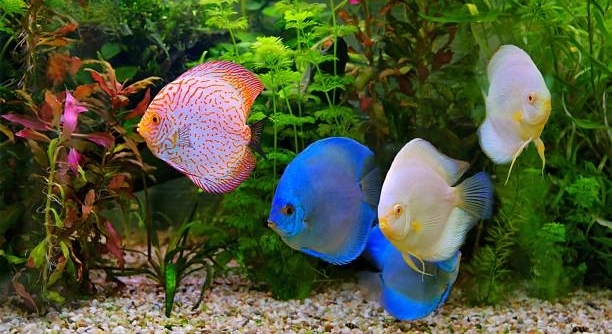
Have you ever wanted to keep discus fish but felt unsure if your setup without a sump would be enough to keep them healthy?
Yes, you can keep discus without a sump, but it requires strict maintenance and careful planning. A well-managed tank with proper filtration, stable temperature, and consistent water quality can support healthy discus fish without the need for a sump.
A closer look at daily care, water changes, and filter options will help you make the right choices for your discus tank.
Why Some People Avoid Using a Sump
Many people skip using a sump because it can be expensive, take up extra space, and be difficult to set up. A sump also adds more equipment that needs regular cleaning and monitoring. For beginners or people with smaller tanks, it might feel overwhelming to manage an extra system. Plus, not everyone has the space under their tank to install one properly. Without a sump, the tank setup looks cleaner and more compact, which is important for some homes. People may also believe that other filter options are enough to handle water quality for discus, especially in smaller aquariums.
Skipping a sump often feels more manageable and allows for a more budget-friendly setup that still supports healthy fish.
Still, discus are sensitive fish that require high water quality. If you don’t use a sump, you need to be ready to stay on top of cleaning and testing. Regular water changes are key, along with a reliable filter and heater. Having a backup for power outages or heater failure is also helpful. Some people use sponge filters or high-quality canister filters instead. These tools can be effective, but they do not make up for poor maintenance. Without a sump, it’s not harder—it just requires more discipline.
Making a No-Sump Setup Work
A no-sump tank works best when every piece of equipment is reliable and well maintained.
Start with a large, high-quality canister filter that provides both mechanical and biological filtration. Make sure the flow rate is not too strong for the discus, who prefer calm water. Use a dependable heater with a thermostat and monitor the temperature daily. Consider adding a sponge filter for extra biological support and surface agitation. Perform water changes of at least 30–50% several times a week to keep nitrate levels low. Keep feeding under control to avoid excess waste. Test water weekly to track pH, ammonia, nitrites, and nitrates. A bare-bottom tank is easier to clean and helps reduce debris buildup. Lighting should be soft and kept on a regular cycle. Lastly, avoid overcrowding. Discus thrive in groups, but too many fish in a no-sump setup will make stability harder. With attention and care, a no-sump tank can still be a safe, clean home for discus.
Common Challenges Without a Sump
Without a sump, water quality can become unstable more quickly. Waste and leftover food stay in the main tank, and that makes daily maintenance more important. Smaller filtration space also limits the type and amount of media you can use.
One of the biggest concerns is ammonia and nitrate buildup. Since discus are sensitive to poor water conditions, even small spikes can cause stress or illness. You have less room for error without the added water volume and filtration a sump provides. Water changes must be done consistently, and missing them can lead to cloudy water, algae growth, or sick fish. Power outages or heater issues also become riskier because there’s no backup system in place. A sump adds stability, but without one, everything depends on you being consistent.
Cleaning also becomes more frequent. Filters need to be cleaned often to prevent clogging and bacteria loss. Food and waste can build up faster, especially if you’re feeding discus more than once a day. You also don’t have a place to hide heaters or other equipment, which means it’s all in the tank and can stress the fish. A sump hides that gear and gives water a place to settle and filter. Without it, your setup is more hands-on, and you need to stay alert.
Tips to Improve a No-Sump Discus Tank
Use high-quality tools and avoid overstocking. Stick to a simple routine that includes feeding, cleaning, and testing. If you’re consistent, your discus will do just fine in a sump-free setup.
Choose a canister filter rated for a tank larger than yours. This gives you extra capacity and keeps water moving gently. Use multiple filter types inside—sponges, ceramic rings, and carbon—to handle waste more effectively. Stick to a feeding schedule, and remove leftover food right away. For substrate, many choose bare-bottom tanks to make cleaning easier. Add live plants only if you’re ready to manage lighting and trimming. Keep an extra heater as a backup and use a battery-powered air pump in case of a power outage. Always age or treat tap water to remove chlorine and match temperature before water changes. Watch your fish daily. They’ll often show signs of stress or illness early if something’s off, and quick action can make a big difference.
Equipment That Helps Replace a Sump
A canister filter is one of the best alternatives. It holds more media than hang-on-back filters and keeps water clearer with less effort. Look for models with adjustable flow to avoid stressing your discus.
Sponge filters are great for added biological filtration. They also help keep oxygen levels stable, especially during power issues.
Maintenance Schedule to Follow
Clean the filter every 2–4 weeks depending on your bioload. Use tank water to rinse filter media so beneficial bacteria stay intact. Change 30–50% of the water two to three times a week. Wipe down tank glass and remove uneaten food daily. Test for ammonia, nitrite, nitrate, and pH weekly. Log your readings to catch trends early. Clean any sponge filters monthly and replace parts as needed. Check heaters and thermometers often to make sure temperatures are consistent. If you use a bare-bottom tank, siphon out debris with each water change. This schedule takes time, but it becomes easier when it’s part of your weekly habits.
Final Thoughts on No-Sump Tanks
A no-sump tank can work well if you’re ready to commit to regular care and use the right equipment.
FAQ
Can discus fish really thrive without a sump?
Yes, discus can thrive without a sump if the tank is stable, well-maintained, and has quality equipment. The key is consistency. If you keep up with water changes, feed properly, and test water regularly, your discus will be healthy and active. A sump makes some of this easier, but it’s not required for success. Many discus owners keep beautiful, healthy fish in tanks with no sump by using canister or sponge filters and maintaining a strict care routine. As long as you’re committed to their care, a sump-free setup is totally possible.
How often should I change the water in a no-sump discus tank?
In most cases, you should change 30–50% of the water at least two to three times per week. Some people do smaller daily water changes instead. It depends on your feeding schedule, how many discus you have, and how big the tank is. Because you don’t have the extra water volume from a sump, toxins like nitrates can build up faster. Consistent water changes help remove waste and keep your fish healthy. Make sure new water is dechlorinated and close in temperature to avoid shocking your discus.
What kind of filter works best if I’m not using a sump?
A large canister filter is usually the best option. It holds more media than hang-on-back filters and offers better flow control. Look for one with multi-stage filtration so you can include sponges, ceramic rings, and carbon if needed. Some people also add sponge filters to boost biological filtration and add surface agitation. These filters are easy to clean and cheap to run. Combining both types often works well in no-sump setups and helps cover mechanical, biological, and chemical filtration needs.
How many discus can I keep without a sump?
It depends on the size of your tank and your ability to maintain water quality. A common guideline is 10 gallons per adult discus. So, in a 75-gallon tank, you can keep about 6 to 7 discus comfortably. If you skip the sump, it’s better to stay slightly under the maximum limit. Fewer fish mean less waste, easier cleaning, and more stable water conditions. Overstocking a tank without a sump makes things harder and increases the risk of stress or illness.
What are the signs that my discus are stressed or sick?
Discus often show signs like clamped fins, darkened color, hiding, loss of appetite, or swimming near the surface. These signs usually mean the water parameters are off, or the fish feel unsafe. Poor water quality, sudden temperature drops, or aggressive tankmates can trigger stress. If you notice something off, check your water right away and do a partial change. Catching small issues early keeps them from turning into bigger problems. Watch your fish daily so you can respond quickly if they seem unwell.
Is a bare-bottom tank better without a sump?
Yes, many people prefer bare-bottom tanks for discus in no-sump setups. They are easier to clean, and you can see waste or leftover food right away. This helps prevent ammonia spikes and keeps the water healthier. Without gravel or sand, there’s less chance for debris to build up and rot. It’s also easier to vacuum during water changes. If you want plants, you can use pots or attach them to driftwood instead. Bare-bottom tanks focus on function and are easier to manage.
Can I add plants in a no-sump discus tank?
Yes, but you need to choose low-maintenance plants and be ready to care for them. Anubias, java fern, and Amazon swords are good choices that don’t need high light or extra CO₂. Use a gentle light and avoid over-fertilizing. If you’re using a bare-bottom tank, plants can go in pots or be attached to rocks or driftwood. Make sure plants don’t trap debris or block water flow. Keep trimming them back if they get too dense. Healthy plants can help improve water quality when used properly.
What backup equipment should I have in case something fails?
Keep a spare heater, air pump, and filter media on hand. A battery-powered air pump is useful during power outages to keep oxygen levels up. You can also use a sponge filter that’s already cycled in another tank as a quick backup if your main filter fails. Having a small quarantine tank ready helps in case a fish gets sick. A thermometer, water testing kit, and extra dechlorinator are also must-haves. Being prepared saves time and stress when something unexpected happens.
Final Thoughts
Keeping discus without a sump is possible, but it does require more effort and attention. While a sump helps with water stability and hides equipment, you can still have a clean and healthy tank without one. The key is using reliable gear, doing regular maintenance, and keeping a close eye on your fish. If you’re willing to follow a simple but steady routine, discus can do just as well in a no-sump setup. It’s not about having fancy tools—it’s about staying consistent and not skipping the basics. Many people keep thriving discus tanks using only canister and sponge filters, and you can too.
A no-sump tank often works better for smaller setups or when space is limited. It also helps keep costs down, especially for those just starting out with discus. However, that means you’ll be doing more hands-on care, like cleaning filters often and doing more water changes. The success of a no-sump setup depends on how committed you are to tank care. It’s not harder, just more direct. You’ll need to get used to testing water often, watching for signs of stress, and acting quickly if something changes. Still, for many people, the daily attention becomes second nature over time.
Whether you use a sump or not, the goal is always the same—keep your discus healthy and happy. Both setups can work if managed well. Don’t feel discouraged if you don’t have the space or budget for a sump. Focus on getting the basics right, like steady water temperature, low nitrate levels, and good filtration. Pay attention to your fish. If they’re active, eating well, and showing good color, that’s a sign you’re doing things right. In the end, discus care comes down to patience, routine, and making thoughtful choices. A no-sump tank can absolutely be a long-term home for discus if you’re willing to put in the work.

Hello,
If you enjoy the content that we create, please consider saying a "Thank You!" by leaving a tip.
Every little bit helps us continue crafting quality advice that supports the health, happiness, and well-being of pets around the world, for pets of all shapes, sizes, and species.
We really appreciate the kindness and support that you show us!