
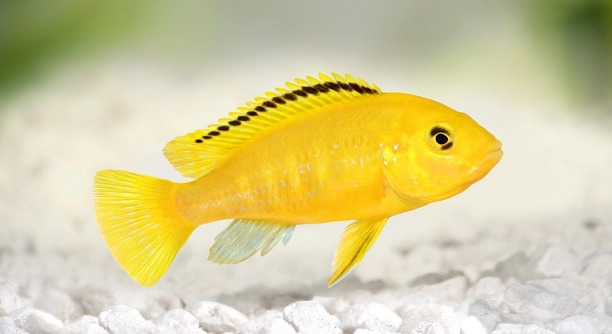
Are your African cichlids thriving, but you’re unsure if live plants belong in their aquarium setup? These vibrant fish often come with specific care needs that leave aquarists wondering how to decorate their tanks properly.
Yes, you can keep African cichlids without live plants. These fish thrive in rocky environments that resemble their natural habitat. While plants can be included, they are not essential and may even be uprooted or damaged by aggressive digging behavior.
Understanding why cichlids behave this way can help you build a tank that supports their health, comfort, and natural instincts.
Why African Cichlids Don’t Need Live Plants
African cichlids come from rocky lake environments where plants are not a major feature. Their natural habitat is made up of caves, sand, and stone. Because of this, they feel most secure when surrounded by solid structures rather than soft vegetation. When added to a tank, plants are often dug up or shredded by cichlids who love to rearrange their space. These fish enjoy creating nests or hiding areas by moving sand and rocks. This behavior doesn’t match well with rooted plants, especially those that require stable placement and undisturbed substrate. Additionally, some species may nibble on plants, not out of hunger, but curiosity or aggression. While it’s possible to include hardy plant types, it often leads to frustration for the keeper. A plant-free setup with natural rock formations offers a safer and more stable environment. It also makes maintenance easier and better mimics their native surroundings.
Some aquarists still include artificial plants, but these are mostly decorative and provide minimal functional benefit for cichlids.
Tank designs that focus on rock structures help African cichlids feel protected and allow for their natural behaviors. They can establish territories, find hiding spaces, and reduce stress without relying on plants for comfort.
Safe Plant Options If You Still Want Greenery
Some cichlid keepers like the look of greenery and still want to try live plants in their setup.
If you want to include plants, go with tough, fast-growing varieties that can withstand occasional damage. Java fern, anubias, and hornwort are often used because they can grow attached to rocks or driftwood, not buried in substrate. This helps protect their roots from being disturbed by digging. Floating plants like duckweed can also be considered since they aren’t affected by substrate movement. However, be aware that floating plants can multiply quickly and block light if not trimmed regularly. Avoid delicate or slow-growing species, as they won’t last long under constant disturbance. Another option is to use planters or pots to anchor plants securely, keeping them safe from being uprooted. Some aquarists even use plant protectors made of mesh or stones. While plants are not necessary for African cichlid health, they can add color and variety to the tank when carefully managed. Balancing function and design takes extra effort, but it can work.
How to Set Up a Plant-Free Cichlid Tank
A plant-free tank should focus on strong, natural-looking materials. Use rocks, caves, and sand to recreate the cichlids’ native environment. Arrange the space to allow hiding spots and break up lines of sight to reduce aggression between territorial fish.
Start with a sandy substrate that mimics the bottom of Lake Malawi or Lake Tanganyika. Add rocks of different sizes, stacking them securely to form caves and shaded zones. Make sure the rocks are stable so they won’t collapse when fish dig. Use background rock walls or textured backdrops to add depth without taking up floor space. The tank should include open swimming areas along with structured hiding zones. Filter the water well, and keep a steady temperature between 76–82°F. Strong lighting isn’t necessary without plants, so use moderate lighting to highlight the tank’s features without stressing the fish. A well-planned rockscape encourages natural cichlid behaviors and helps reduce tank aggression.
Maintenance is easier without plants. You won’t have to trim, fertilize, or deal with melting leaves. Focus instead on vacuuming the substrate to remove waste and monitoring water quality. Since cichlids are messy eaters, regular water changes are important. Keep an eye on aggression levels and rearrange rocks occasionally to reset territories if needed.
Common Mistakes to Avoid
One common mistake is choosing decorations that aren’t stable. Cichlids dig and push objects, so lightweight or unbalanced pieces can fall and injure fish or crack the tank.
Another issue is adding too many fish at once. Overstocking can lead to aggressive behavior and poor water quality. Add fish gradually, and always monitor compatibility between species. Mixing cichlids from different lakes (like Malawi and Tanganyika) can cause conflict due to different temperaments and water needs. Also, avoid small tanks—cichlids need space to swim and claim territories. A cramped tank increases stress and fighting. Overfiltering is better than underfiltering, especially since cichlids produce a lot of waste. Lastly, don’t use sharp decorations. Stick to smooth rocks and sand to prevent injury. Avoid plastic plants with hard edges, as they serve little purpose and may harm fish. Keeping things simple and natural makes the tank safer and easier to manage.
Do Artificial Plants Work for Cichlids
Artificial plants can be used, but they should be chosen carefully. Soft silk plants are better than plastic ones, which may have sharp edges. Placement matters too—secure them so they don’t get pulled out or shifted during digging.
They provide some cover and decoration, but they don’t offer the same natural benefits as live plants. Cichlids may still ignore them or try to move them. Use them sparingly to avoid cluttering the tank.
Benefits of a Plant-Free Tank
A plant-free setup is easier to clean and maintain. Without plants, there’s no need for special lighting, fertilizers, or trimming routines. You can focus on stable water parameters and aquascaping with rocks and caves. This approach keeps the environment closer to what cichlids naturally prefer. It also reduces the risk of uneaten food and waste getting trapped in plants. Open spaces and rock formations give the fish plenty of room to swim and establish their territories. For many cichlid keepers, this setup feels more manageable and allows for easier observation and adjustment.
Final Thoughts on Plants and Cichlids
Some people enjoy the look of plants, but African cichlids don’t rely on them. A solid setup with rocks and sand is enough.
FAQ
Can African cichlids live in a tank without any plants at all?
Yes, African cichlids can live comfortably in a tank without any plants. Their natural habitat in African lakes is rocky and mostly plant-free, so they don’t rely on vegetation for survival. As long as the tank includes rock structures, caves, and proper water conditions, they will thrive. The absence of plants doesn’t affect their health or behavior negatively. In fact, many aquarists find a plant-free setup easier to maintain and more suited to cichlid behavior like digging and territory building. Plants are optional and not required for their well-being.
Will African cichlids eat live plants if I add them?
Some species of African cichlids may nibble on or shred live plants, especially if they’re curious, stressed, or bored. However, they don’t usually eat plants as a main part of their diet. The more common issue is that they dig around plant roots or uproot them completely. If you decide to add live plants, choose tough varieties like anubias or java fern, and attach them to rocks instead of planting them in the substrate. Even then, there’s still a chance the plants may get damaged by digging or rough swimming.
Are there any benefits to using live plants with African cichlids?
There are a few minor benefits. Live plants can help with water quality by absorbing nitrates and providing oxygen. They can also add a natural look to the tank. However, these benefits are limited when keeping African cichlids because the plants may not last long under their rough activity. For those determined to try, floating plants or strong, anchored species are best. But most cichlid tanks rely on strong filtration and regular maintenance for water quality instead of plant support.
What type of substrate works best in a plant-free cichlid tank?
Fine sand is the best choice for African cichlid tanks without plants. It’s soft, natural-looking, and easy for them to dig in. Sand also prevents injury to their mouths when they sift through it, which is common behavior. Crushed coral is sometimes mixed in to help raise and maintain a higher pH, which suits cichlid needs. Avoid sharp gravel, as it can damage their bodies and make it harder for them to move the substrate around. Stick to simple, natural options that mimic their lake environments.
Do African cichlids need decorations if there are no plants?
Yes, decorations are still important, even without plants. African cichlids are territorial and need places to hide or claim as their own. Use rocks, caves, or ceramic structures that allow them to swim through and hide. This helps reduce stress and aggression. Decorations also break up sightlines in the tank, which can prevent fights. Choose pieces that are smooth, sturdy, and safe for aquarium use. These structures replace the function that plants might serve in other tanks, like providing cover and creating boundaries between fish.
How do I keep the tank clean without plants?
Keeping the tank clean without plants requires consistent water changes and strong filtration. Since there are no plants to absorb waste, it’s important to vacuum the substrate regularly to remove uneaten food and debris. A good filter with strong mechanical and biological media is essential. Monitor ammonia, nitrite, and nitrate levels to keep everything stable. You can also use rocks and sand that are easy to clean and don’t trap a lot of debris. Routine care and observation will keep things healthy, even without live plants.
Is it possible to keep plants in one section of the tank only?
Yes, it’s possible to keep plants in one section, but success depends on how active and curious your cichlids are. Using planters or pots to anchor plants can help protect them from being uprooted. You can also separate that section with rocks or create a raised platform. However, there’s always a chance the fish will still dig, nip, or knock things over. If you try this method, choose hardy plants and monitor the area closely. It can work, but it takes more effort than a fully plant-free setup.
Can artificial plants be dangerous to African cichlids?
Some artificial plants can be unsafe, especially those made from hard plastic or with sharp edges. These can cause injury to cichlids as they swim or dig around them. Silk plants are a safer option if you want a plant-like look without the risks. Always check that any decoration is labeled aquarium-safe and doesn’t have parts that could tear fins or cause harm. While not dangerous in every case, artificial plants should be chosen carefully and placed securely to avoid accidents.
Do cichlids miss plants if they’ve had them before?
No, African cichlids don’t form attachments to plants the way some fish species might. Their behavior isn’t driven by plant presence. They care more about territory, cover, and space to dig. If they had plants before and now don’t, it won’t affect their health or mood. What matters most is having a structured tank that meets their basic needs. Rocks, caves, and consistent water conditions are far more important to their overall well-being than whether plants are included or not.
Final Thoughts
African cichlids do not need live plants to stay healthy or feel comfortable in their tank. In fact, many cichlid keepers avoid plants completely because these fish often dig, rearrange the substrate, or damage plants without meaning to. Their natural habitat includes rocks, sand, and very few plants, so they are already suited to a plant-free environment. As long as you provide plenty of hiding places, stable rock formations, and clean water, your cichlids will do just fine without greenery. This setup keeps things simple, easy to maintain, and closer to their natural surroundings.
While some hobbyists still enjoy adding plants for decoration or variety, it’s important to understand the risks. Many live plants are not strong enough to handle the rough behavior of African cichlids. Even artificial plants can be damaged or cause injury if they’re not made from soft, aquarium-safe materials. For those who do want plants, silk varieties or hardy options like anubias can work, but it takes extra care and monitoring. Most people choose to skip plants altogether and instead focus on rock structures, caves, and sand. This keeps the tank safer and more manageable.
A plant-free tank can still be beautiful, well-balanced, and active. The fish bring energy and color, and a thoughtful layout with rocks and caves can create a natural, attractive display. Maintenance is also simpler without plants—there’s no trimming, fertilizing, or worrying about plant health. It’s easier to focus on water quality, feeding, and managing behavior between fish. Overall, keeping African cichlids without plants is not only possible, but often preferred. It’s a practical, natural, and rewarding way to care for these vibrant and active fish.

Hello,
If you enjoy the content that we create, please consider saying a "Thank You!" by leaving a tip.
Every little bit helps us continue crafting quality advice that supports the health, happiness, and well-being of pets around the world, for pets of all shapes, sizes, and species.
We really appreciate the kindness and support that you show us!