
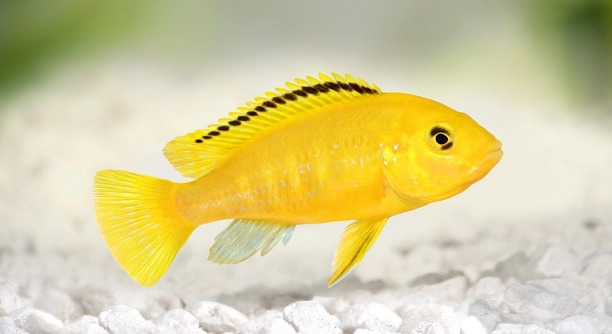
African cichlids are colorful, active fish popular in many home aquariums. Shrimp are often kept for their cleaning abilities and peaceful nature. Combining these two species raises questions about their compatibility and care needs.
Keeping African cichlids with shrimp is generally not recommended. Cichlids tend to be aggressive and may view shrimp as food, leading to stress or predation. Careful species selection and tank setup are necessary to reduce risks.
Understanding how these species interact can help you create a balanced aquarium environment. The following information will guide you through the important considerations for their coexistence.
Behavior Differences Between African Cichlids and Shrimp
African cichlids are known for their bold and territorial behavior. They often defend their space aggressively, especially during breeding times. Shrimp, on the other hand, are much smaller and more fragile. Their natural instinct is to avoid confrontation, making them easy targets in a tank with cichlids. Cichlids have a strong hunting drive and may see shrimp as a snack rather than tank mates. This behavior difference can lead to stress for the shrimp and possible losses for the aquarist. To keep both species safe, the tank environment must provide enough hiding places for the shrimp, like plants or rocks. Even then, shrimp may still get caught during feeding or when exploring the tank. Understanding this behavior gap is important before deciding to house them together. Some shrimp species are more likely to survive with cichlids, but risks remain high without careful management.
Shrimp are naturally cautious and prefer to stay hidden. Their safety depends heavily on tank layout and hiding spots.
Choosing the right shrimp species, such as larger or more armored types, can improve survival chances. Providing dense cover and feeding cichlids well reduces predation risk. However, some losses should be expected when keeping these animals together.
Tank Setup Considerations for Compatibility
Tank size and structure play a key role in how well African cichlids and shrimp coexist. A larger aquarium with plenty of plants, caves, and rocks gives shrimp places to hide. These hiding spots are essential for reducing stress and avoiding predation. Without adequate cover, shrimp have little chance against the fast, curious cichlids. It’s also important to arrange decorations so shrimp can escape quickly if threatened. Water quality must be maintained at stable levels because both species are sensitive to poor conditions. Keeping the tank clean and monitoring parameters like pH, temperature, and ammonia helps keep both species healthy. Lastly, feeding the cichlids regularly reduces their need to hunt shrimp for food. When these conditions are met, coexistence is more feasible, but never guaranteed.
Proper tank setup can improve harmony between these species.
By planning the aquarium carefully, you create a safer space for shrimp while supporting the natural behaviors of African cichlids.
Shrimp Species That Can Coexist with African Cichlids
Not all shrimp species have the same chance of surviving with African cichlids. Larger and more armored shrimp are better suited to coexistence. Species like Amano shrimp and certain types of ghost shrimp have a better chance than smaller, more delicate species. Their size and tougher exoskeletons help them avoid being eaten quickly.
Amano shrimp are often recommended because they grow larger and are less likely to be targeted. They are also good algae eaters, which benefits the tank environment. Ghost shrimp are another option, though they may still face some risk. Smaller species like cherry shrimp tend to be too vulnerable. Even with the hardier shrimp, careful tank management and plenty of hiding places are necessary to improve their survival. Observing shrimp behavior regularly can help identify problems early.
Some shrimp species can adapt to life with cichlids, but caution is key. Choosing the right species improves the chance of peaceful coexistence.
Feeding and Maintenance Tips for Mixed Tanks
Feeding cichlids well reduces their interest in hunting shrimp. Provide a balanced diet with pellets, flakes, and occasional live food to satisfy their nutritional needs. Overfeeding should be avoided as it can harm water quality, which affects both shrimp and fish. Feeding shrimp separately with algae wafers or specialized shrimp food encourages their health and growth. Maintaining clean water is critical, so regular water changes and monitoring ammonia, nitrite, and nitrate levels are essential. Using a good filter system helps keep the environment stable. Cleaning uneaten food and waste prevents toxins from building up. A well-maintained tank reduces stress on all creatures, increasing their chances to live peacefully together. Regular checks on tank conditions and animal behavior support a healthy balance between cichlids and shrimp.
Risks of Keeping Shrimp with African Cichlids
Shrimp face significant risks in tanks with African cichlids. The aggressive nature of cichlids often results in shrimp being hunted or stressed. This stress can weaken shrimp, making them more vulnerable to illness or death.
Even with precautions, shrimp losses are common. It’s important to weigh these risks before adding shrimp to a cichlid tank.
Signs of Stress in Shrimp
Shrimp that are stressed may hide excessively or move less than usual. They might lose their vibrant color or have trouble molting. Observing these signs early can help prevent further harm by adjusting tank conditions or separating species if necessary.
Alternative Tank Mates for African Cichlids
Certain fish species can coexist more safely with African cichlids. Larger, robust fish like plecos or some catfish are better choices. These species can withstand the cichlids’ aggression and add diversity without constant risk to smaller creatures.
Importance of Observation
Careful and regular observation of all tank inhabitants is crucial. Monitoring behavior and health helps catch issues before they become serious problems. This attention ensures a more balanced and peaceful aquarium environment for both fish and shrimp.
FAQ
Can African cichlids and shrimp live together peacefully?
African cichlids are naturally aggressive and territorial, which makes peaceful coexistence with shrimp difficult. Shrimp are small and often seen as food by cichlids. While it is possible with careful tank setup and species choice, shrimp often face stress and predation risks in such tanks.
What shrimp species have the best chance with African cichlids?
Larger, tougher shrimp like Amano shrimp or ghost shrimp are more likely to survive. Their size and harder shells provide some protection. Smaller shrimp, such as cherry shrimp, usually do not last long in tanks with cichlids due to their vulnerability.
How can I protect shrimp in a cichlid tank?
Providing plenty of hiding places like dense plants, caves, and rock formations is essential. Feeding cichlids regularly to reduce hunting behavior helps as well. A larger tank size also gives shrimp space to escape. Regular observation is important to spot any problems early.
Will shrimp help keep the tank clean with African cichlids?
Shrimp can eat algae and leftover food, which helps maintain tank cleanliness. However, their presence alone won’t keep the tank clean. Regular maintenance and filtration are still necessary to ensure good water quality for both shrimp and cichlids.
Is it better to keep shrimp and cichlids separate?
For most hobbyists, keeping shrimp and African cichlids in separate tanks is safer. This avoids stress and loss of shrimp. If you want both species, consider species-specific tanks or heavily planted tanks with many hiding spots to improve shrimp survival chances.
How often should I feed cichlids in a mixed tank?
Feeding cichlids two to three times a day with balanced food reduces their tendency to hunt shrimp. Overfeeding should be avoided to prevent water quality issues. Offering a variety of foods including flakes, pellets, and occasional live foods keeps them healthy and less aggressive.
What signs show that shrimp are stressed in a cichlid tank?
Shrimp that hide too much, become pale or lose their color, or struggle with molting may be stressed. Stress weakens shrimp and can lead to illness or death. Adjusting the tank environment or separating the shrimp can help reduce stress.
Can baby shrimp survive with African cichlids?
Baby shrimp are especially vulnerable to cichlids. They are often eaten quickly due to their small size and slow movement. If breeding shrimp in a cichlid tank, providing many hiding spots and dense plants is necessary, but losses are still common.
Does tank size affect shrimp survival with cichlids?
A larger tank gives shrimp more space to hide and reduces aggressive encounters. Small tanks increase stress and risk for shrimp. Ideally, tanks over 30 gallons with complex decor help improve shrimp survival chances with African cichlids.
What water parameters are best for both species?
African cichlids prefer hard, alkaline water with pH around 7.8 to 8.6, which is also suitable for many shrimp species like Amano shrimp. Temperature should be stable between 74°F and 82°F. Maintaining consistent water quality with low ammonia and nitrate is critical for their health.
Can aggressive cichlids be tamed to accept shrimp?
While some cichlids may become less aggressive over time, their natural instincts often remain strong. Even tamer individuals can prey on shrimp, especially smaller ones. It’s better to manage the environment and species selection than rely on behavior changes.
Are there any signs that cichlids are hunting shrimp?
You may notice cichlids chasing shrimp or shrimp suddenly disappearing. Cichlids may also show increased activity near hiding spots. Watching tank activity closely helps identify if shrimp are at risk and if tank adjustments are needed.
What equipment helps shrimp survive with African cichlids?
Dense planting, caves, and other hiding structures give shrimp refuge. A strong filtration system maintains water quality, while a gentle water flow prevents shrimp from being stressed. Using a sand or fine gravel substrate is better, as it allows shrimp to forage safely.
Is breeding shrimp in a cichlid tank possible?
Breeding shrimp in a tank with African cichlids is challenging. Even if eggs are laid, baby shrimp usually do not survive due to predation. Dedicated breeding tanks for shrimp are recommended if you want to raise young successfully.
How can I monitor shrimp health in a mixed tank?
Check shrimp for color changes, activity levels, and molting success. Healthy shrimp are active and bright in color. Keep an eye on their behavior daily and act quickly if you notice signs of stress or illness to protect them.
What are common mistakes when keeping shrimp with African cichlids?
Common mistakes include insufficient hiding places, overcrowding, underfeeding cichlids, and ignoring water quality. These factors increase stress and predation. Proper tank setup and regular maintenance are essential to reduce losses.
Are shrimp worth keeping with African cichlids?
If you enjoy shrimp and want to keep them with cichlids, be prepared for possible losses and extra care. It can be rewarding but requires patience and careful planning. For less risk, consider keeping shrimp in separate tanks or with less aggressive fish.
African cichlids and shrimp can make interesting additions to an aquarium, but keeping them together comes with challenges. The natural behavior of cichlids makes shrimp vulnerable to stress and predation. These fish are territorial and often aggressive, which means they may see shrimp as food rather than tank mates. Even with careful tank management, it can be difficult to keep shrimp safe in a cichlid tank. For people who enjoy both species, it is important to understand the risks and prepare accordingly.
Creating a tank that supports both African cichlids and shrimp requires thoughtful planning. Providing plenty of hiding spaces is essential, as shrimp need places to escape from the cichlids. Dense plants, rocks, and caves can help shrimp feel safer and reduce the chance of them being hunted. Feeding cichlids regularly with a balanced diet can also lower their interest in hunting shrimp. Tank size and water quality are other key factors. A larger tank gives shrimp more space to avoid cichlids, and maintaining clean water supports the health of both species. Still, it is important to accept that some shrimp losses may happen, especially with smaller or more delicate shrimp species.
For those who want to keep shrimp with African cichlids, choosing the right shrimp species is important. Larger shrimp like Amano or ghost shrimp tend to have better chances of surviving in a cichlid tank. Smaller shrimp are often too vulnerable and do not last long. Watching the tank closely for signs of stress or aggression helps address problems early. In many cases, keeping shrimp and cichlids in separate tanks is a safer option for both species. Understanding these points will help you decide how best to care for your aquatic pets and create a balanced, healthy aquarium environment.

Hello,
If you enjoy the content that we create, please consider saying a "Thank You!" by leaving a tip.
Every little bit helps us continue crafting quality advice that supports the health, happiness, and well-being of pets around the world, for pets of all shapes, sizes, and species.
We really appreciate the kindness and support that you show us!