
Do you ever find yourself setting up a mixed-species aquarium and wondering if certain fish can safely live together? Compatibility is key when it comes to creating a peaceful and healthy tank environment.
Plecostomus can live with cichlids, but only under specific conditions. Tank size, temperament, and diet must be considered carefully to avoid aggression or stress. Choosing the right species combination is essential for long-term success in shared aquariums.
Balancing the personalities and needs of both fish can be tricky, but it’s not impossible. Understanding what makes them compatible will help you make informed choices.
Understanding Plecos and Cichlids
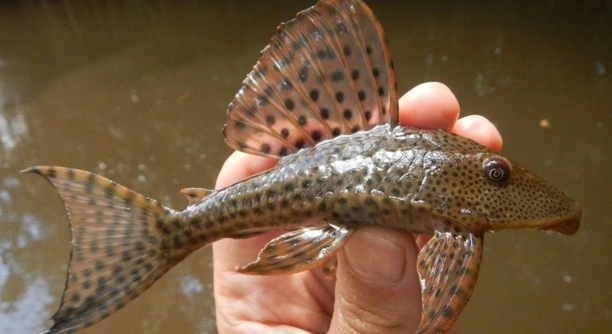
Plecostomus, often called plecos, are peaceful algae-eating fish that thrive in freshwater tanks. They can grow quite large, depending on the species, and usually prefer hiding spots and smooth surfaces to suck onto. On the other hand, cichlids are known for being territorial and sometimes aggressive, especially during breeding or in crowded spaces. While these two types of fish may not seem like a natural match, it is possible for them to coexist when the right conditions are in place. Tank size plays a major role, as both fish types need space to avoid stress. Hiding places, proper filtration, and a carefully monitored diet also help maintain peace in a shared tank. Temperament varies from fish to fish, so observing their behavior regularly is essential. With attention and care, some aquarists have had success keeping plecos and cichlids together without serious issues.
Plecos do not usually pick fights, but they may become targets in tanks with highly aggressive cichlids.
When combining these species, start by choosing a larger tank, ideally 75 gallons or more. This allows plenty of swimming room and helps reduce territorial behavior. Use rocks, caves, and driftwood to give both fish hiding options and prevent them from feeling exposed. Keep in mind that plecos are mostly active at night, while cichlids are more active during the day. This natural difference can help reduce direct interaction between them. Feeding is another factor—plecos prefer algae wafers, veggies, and sinking food, while cichlids enjoy protein-rich diets. Feeding at opposite ends of the tank can prevent conflict during mealtime. It’s also helpful to monitor the tank’s water conditions closely. Clean, stable water keeps both species healthy and less prone to stress-related aggression. In some cases, introducing the pleco first or choosing more docile cichlid species may also improve the chances of success.
Choosing the Right Setup
A poorly planned tank can lead to injuries or constant stress, especially in smaller or overcrowded aquariums. Compatibility starts with space.
For this type of mixed tank, space is one of the most important factors. Cichlids tend to guard their territory aggressively, and if a pleco doesn’t have enough space or shelter, it could become stressed or injured. Larger tanks give both types of fish room to claim territory without constant tension. Adding structures like caves, driftwood, and rocks provides necessary hiding spots for plecos and reduces the chances of confrontation. Choose smoother decorations to prevent the pleco from damaging its skin. Lighting can also help—lower lighting suits plecos and encourages them to stay active without drawing too much attention. Another key factor is tank mates. Avoid adding too many fish at once. Instead, introduce fish slowly and observe their behavior. Not all cichlids act the same, so choosing more peaceful species like keyholes or electric blue acaras increases your chances of success in a shared tank.
Feeding Considerations
Plecos and cichlids have different diets, so feeding them properly helps avoid stress and competition. Making sure food reaches the pleco at the bottom of the tank is important, especially in tanks with fast, aggressive eaters.
Plecos are mostly herbivores and need a diet rich in plant-based foods like algae wafers, blanched zucchini, and spinach. They also enjoy driftwood, which helps with digestion for some species. Cichlids, depending on the type, are usually omnivores or carnivores and prefer pellets, flakes, or frozen protein foods. If you feed the whole tank at once, cichlids may eat most of the food before the pleco gets any. Feeding at night, when plecos are more active, helps ensure they eat properly. You can also feed cichlids on one side and place sinking food for the pleco on the other. This setup reduces conflict and keeps both species well-fed and healthy.
Feeding times and techniques can shape the dynamic in your tank. Uneven feeding may cause aggression, especially if the cichlids feel food is scarce. Overfeeding leads to poor water quality, which stresses both fish. Stick to a routine and watch how they behave during feeding. If the pleco doesn’t eat, it might be hiding too much or being outcompeted. In that case, adjust feeding spots or try feeding when lights are off. Some aquarists even use veggie clips near the pleco’s hiding spots to help it eat without being disturbed. Clean up uneaten food to avoid clouding the water or causing ammonia spikes. Consistent feeding habits support both species and make your tank more stable.
Managing Behavior
Aggression is a common concern when keeping cichlids with other fish. Some species are more aggressive than others, especially during breeding or when establishing territory. Watching behavior early can prevent long-term problems in your tank.
Territorial behavior usually shows up as chasing, nipping, or guarding a certain area. Cichlids may target slower fish like plecos if they feel crowded or stressed. If your pleco is hiding more often or showing damaged fins, it may be a sign of bullying. To reduce this, rearrange tank decorations to disrupt established territories. Adding more caves or visual barriers gives fish new areas to explore without defending a single space. You can also reduce aggression by keeping the tank lightly stocked and avoiding overpopulation. Sometimes, adding dither fish—small, fast-moving fish—can distract aggressive cichlids and shift their focus away from the pleco. Observation is key. If aggression continues, it might be best to separate the species.
Water Parameters Matter
Cichlids and plecos can live in similar water conditions, but the balance needs to stay stable. Most cichlids prefer slightly alkaline water, while plecos do best in neutral to slightly acidic water. A stable temperature around 76–80°F usually works for both species.
Keep nitrate levels low and avoid sudden changes in pH or temperature. Use a reliable test kit to monitor water quality weekly. Regular water changes—about 20–30% each week—help maintain safe conditions. A strong filter with good flow is also important to support both fish and prevent waste buildup.
Choosing the Right Pleco
Smaller pleco species like bristlenose are often the best choice for tanks with cichlids. They are hardy, peaceful, and don’t grow too large. Larger plecos, like common plecos, can get over a foot long and create more waste, which may disrupt tank balance.
Choosing the Right Cichlids
Avoid highly aggressive species like mbunas or some Central American cichlids. Instead, look for more peaceful types like keyhole cichlids, Bolivian rams, or severums.
FAQ
Can a pleco live with aggressive cichlids?
It is generally not advisable to house plecos with highly aggressive cichlids. Aggressive cichlids may view the pleco as a competitor for food or territory, leading to stress or injury. Species such as mbunas, jaguars, or flowerhorns are known for their territorial and sometimes combative behavior. If you do choose to house them together, make sure to provide plenty of hiding spots and space to reduce territorial conflicts. Choosing calmer cichlid species can increase the chances of peaceful cohabitation.
Do plecos need hiding spots?
Yes, plecos need hiding spots. These fish are nocturnal and enjoy finding quiet, dark places during the day. Without enough hiding spaces, plecos can become stressed or even injured, especially in a tank with more active or aggressive fish like cichlids. Driftwood, caves, or plants work well as hiding places. Make sure there are enough areas for the pleco to retreat to whenever it feels threatened or stressed.
How big should the tank be for plecos and cichlids?
A tank that holds at least 75 gallons is recommended when keeping plecos with cichlids. Larger tanks give both species room to establish territories without constant conflict. Plecos, especially larger species, need space to swim and find food, while cichlids will benefit from having plenty of area to defend. A 75-gallon tank is generally the minimum, but larger tanks offer better chances for peace and comfort for both fish.
What happens if my pleco and cichlid are not getting along?
If your pleco and cichlid aren’t getting along, you may see signs of aggression, such as chasing, biting, or bullying. If a pleco is being harassed too much, it may hide more often, show damage, or stop eating. To solve this, try rearranging the tank’s décor to disrupt territories. Adding more hiding spots and using visual barriers like plants or rocks can help. If the aggression persists, consider separating the fish or rehoming one of them. Keeping an eye on their behavior will allow you to intervene early.
Do plecos need specific water conditions?
Plecos do need specific water conditions to thrive. While most plecos do well in temperatures between 75–80°F, their preferred water parameters vary by species. For instance, some prefer slightly acidic water, while others do better in neutral or slightly alkaline conditions. It’s crucial to maintain consistent water quality with a good filtration system, as plecos are sensitive to poor water conditions. Regular water changes and water testing will help ensure that both plecos and cichlids stay healthy.
Should I feed my pleco separately from my cichlids?
Yes, feeding plecos separately from cichlids is a good idea. Plecos are bottom feeders and typically prefer sinking foods such as algae wafers and vegetables. Cichlids, on the other hand, tend to be more aggressive eaters and may get to the food before the pleco does. To avoid this, try feeding plecos at night or in separate areas of the tank. This ensures they get their fair share of food without being outcompeted by the more dominant cichlids.
Can plecos and cichlids share the same territory?
While plecos and cichlids can share the same tank, they should not share the exact same territory. Cichlids are territorial fish and may defend their space aggressively. Plecos need hiding spots to avoid being constantly harassed or chased away. Giving both species enough space and creating separate areas within the tank, such as caves or rocks, allows them to live peacefully without invading each other’s territories. Providing these boundaries reduces the chance of territorial disputes.
What size pleco is best for a tank with cichlids?
The best pleco size for a tank with cichlids is usually a smaller, more peaceful species like the bristlenose pleco. These plecos typically stay around 4–6 inches, making them a better fit for community tanks. Larger plecos, like the common pleco, can grow over a foot long, leading to overcrowding and potential filtration issues. Smaller plecos are also less likely to get aggressive or take up too much space in a tank already housing territorial cichlids.
What can I do to keep my pleco healthy in a tank with cichlids?
To keep your pleco healthy in a tank with cichlids, focus on providing enough food, hiding spots, and water quality. Since plecos are bottom feeders, they need a steady supply of algae wafers, vegetables, and other sinking foods. Make sure your tank has plenty of plants, rocks, or caves for the pleco to hide. Good filtration is essential, as plecos can be sensitive to poor water quality. Regular water changes and testing help maintain a stable environment for both fish species.
Are there any cichlids that are better suited to living with plecos?
Yes, certain cichlids are better suited to living with plecos. Generally, more peaceful cichlids, such as Bolivian rams, keyhole cichlids, or severums, tend to be less aggressive and tolerate plecos well. These cichlids are less territorial and are less likely to bully plecos. Avoid aggressive species like African cichlids, particularly mbunas or tanganyikan cichlids, as they may cause stress or harm to your pleco. When selecting cichlids, it’s important to prioritize temperament and the size of the fish to ensure compatibility with your pleco.
Final Thoughts
When it comes to keeping a plecostomus with cichlids, it is possible, but it requires careful consideration of the tank setup and the species involved. Plecos are peaceful and helpful in keeping tanks clean by eating algae, while cichlids can be territorial and sometimes aggressive. The success of this combination largely depends on choosing the right species and ensuring both types of fish have enough space to establish their own areas within the tank. Without the proper environment, tensions can arise, and both fish may experience stress, leading to health issues or aggression.
Tank size plays a key role in reducing stress and aggression. A larger tank offers enough space for each fish to claim its own territory. This is crucial because cichlids tend to be territorial, and without enough room, they may harass the pleco. Providing hiding spots, such as caves or plants, gives the pleco a place to retreat and avoid unwanted interactions with the cichlids. Setting up the tank thoughtfully with visual barriers and designated spaces can help minimize potential conflicts. Regular observation of their behavior will allow you to adjust the setup if necessary, ensuring both species live in a peaceful environment.
Feeding and water quality are also essential factors to consider. Since plecos and cichlids have different diets, it’s important to feed them separately to prevent food competition. Plecos tend to eat algae, vegetables, and sinking foods, while cichlids generally need a more protein-rich diet. Maintaining high water quality is important for both fish, as poor water conditions can lead to stress and health problems. Regular water changes and proper filtration will help keep the tank clean and the fish healthy. With the right balance, plecos and cichlids can coexist peacefully in the same tank, offering an enjoyable aquarium experience.

Hello,
If you enjoy the content that we create, please consider saying a "Thank You!" by leaving a tip.
Every little bit helps us continue crafting quality advice that supports the health, happiness, and well-being of pets around the world, for pets of all shapes, sizes, and species.
We really appreciate the kindness and support that you show us!