
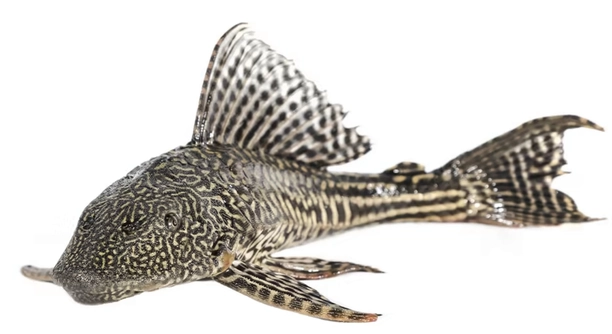
A pleco is a popular fish in many aquariums due to its unique appearance and algae-eating habits. These fish are known for helping to keep tanks clean by grazing on algae. However, they also have specific care requirements.
Plecos are not solely dependent on algae for their nutrition. While algae serves as an important food source, they can be fed a balanced diet of pellets, vegetables, and other supplements to meet their nutritional needs.
Understanding how to properly care for a pleco will ensure that your fish stays healthy even without algae. This includes knowing what foods to offer and how to maintain a balanced diet.
Can Plecos Survive Without Algae?
Plecos are often chosen for their ability to keep aquariums clean by eating algae. However, this doesn’t mean they can’t survive without it. In fact, while algae is a significant part of their diet, they can live and thrive without it, provided they receive proper care. A pleco’s diet should be supplemented with a variety of foods such as algae wafers, vegetables like zucchini and cucumber, and other fish-safe foods. Relying solely on algae might not provide all the essential nutrients needed for their overall health. It’s important to make sure their diet is diverse to avoid malnutrition.
Although algae is an important food source, a pleco can manage without it. A well-rounded diet is necessary for their well-being.
By adding algae-based pellets or specially formulated foods, plecos can still get the right nutrients without depending on natural algae. Regular feeding of vegetables like spinach or peas will help keep them healthy and active.
Proper Diet for Plecos Without Algae
Feeding plecos a variety of foods is key to their health. Algae may not always be available, so it’s important to offer other options like algae wafers and fresh vegetables. Plecos can thrive with the right variety, which mimics their natural diet.
A mix of algae wafers, zucchini, cucumber, and spinach can keep plecos well-fed. You can also offer small amounts of blanched peas or even sinking pellets. These foods provide the necessary nutrients, including fiber, vitamins, and minerals that plecos need. Be sure to remove uneaten food to avoid water contamination.
While algae is their natural food source, plecos are opportunistic feeders and can adapt to various diets. Offering them a balanced variety ensures they stay active and healthy. A combination of plant-based foods will help keep their digestive system working properly. Make sure to adjust portions as they grow and monitor their health closely. This way, your pleco will be satisfied and thriving without relying on algae alone.
The Role of Algae in a Pleco’s Health
Even though plecos can survive without algae, it still plays a role in their overall well-being. Algae helps keep their digestive system functioning well and can aid in keeping their tank clean. It’s a natural source of nutrients that plecos are naturally drawn to.
Algae, particularly in the form of soft, green varieties, is often a pleco’s first choice in the wild. It helps their gut health by providing roughage, which supports digestion. However, when algae isn’t available, providing alternatives like high-quality pellets designed for herbivores or sinking wafers can help ensure they still get the necessary roughage. Regular water changes and maintenance also help by preventing algae buildup, ensuring a clean tank for your pleco.
Plecos and Tank Maintenance
Without algae in the tank, it’s even more important to keep the water clean. Plecos still need a healthy environment to thrive. Regular water changes and good filtration are essential to maintain water quality and remove uneaten food.
Cleaning the tank properly can help prevent harmful bacteria from growing. Make sure to vacuum the substrate and clean the filters regularly. This will keep the water clear and safe for your pleco. Pay attention to the water parameters, including pH, hardness, and temperature, to keep things balanced. A stable environment is key to keeping your pleco healthy.
Offering Variety in a Pleco’s Diet
Plecos are not picky eaters, but they do enjoy a variety of foods. Offering them different types of food can prevent them from getting bored or malnourished. Include fresh vegetables, algae wafers, and even occasional treats like shrimp or fish-specific pellets.
By rotating the food choices, you can ensure that your pleco gets all the nutrients it needs. Variety also helps in avoiding overfeeding or creating imbalances in their diet. It’s important to observe how your pleco reacts to the different foods and adjust accordingly.
Plecos’ Need for Space
A pleco’s size can grow quite large, depending on the species, so providing adequate space is essential. Make sure your tank is large enough to accommodate your pleco’s growth and allow it to explore. A small tank will lead to stress and poor health.
FAQ
Can plecos live without algae in their tank?
Yes, plecos can live without algae in their tank. While algae is a natural food source for them, they can survive and thrive with a well-balanced diet of algae wafers, vegetables, and other fish-safe foods. They need a variety of food to ensure they get all the necessary nutrients for their health.
What can I feed my pleco if there is no algae in the tank?
If there is no algae in your tank, you can feed your pleco alternatives like sinking algae wafers, zucchini, cucumber, spinach, and peas. These foods provide fiber, vitamins, and minerals, which are essential for their health. You can also offer occasional treats such as blanched green beans or small pieces of fruit.
Do plecos need algae to stay healthy?
While algae is beneficial for plecos, they do not require it to stay healthy. A balanced diet, which includes vegetables and specially formulated pellets, will fulfill their nutritional needs. The important thing is to provide a variety of foods to ensure they get enough fiber and nutrients.
How often should I feed my pleco?
You should feed your pleco once or twice a day, offering only what they can consume within a few hours. Plecos tend to graze on food throughout the day, so overfeeding can lead to water quality problems. It’s best to remove any uneaten food after a few hours to prevent it from decaying.
Can I keep multiple plecos in the same tank?
You can keep multiple plecos in the same tank, but it depends on the species and tank size. Some plecos can be territorial and may fight, especially if the tank is too small. It’s essential to provide plenty of hiding spots and ample space to reduce aggression.
What is the best tank size for a pleco?
The ideal tank size for a pleco depends on the species. Smaller species may be fine in a 30-gallon tank, while larger species require tanks of 75 gallons or more. Providing a spacious environment allows your pleco to grow, move freely, and stay healthy.
Are plecos aggressive?
Plecos are generally peaceful fish, but they can be territorial, especially when there is a lack of space or hiding spots in the tank. Some plecos may become more aggressive during breeding or when competing for food. To minimize aggression, make sure to provide enough space and resources for each fish.
How do I know if my pleco is healthy?
A healthy pleco will be active, have a smooth, clean body with no visible wounds or parasites, and exhibit normal feeding behavior. Look out for signs of stress, such as reduced activity, loss of appetite, or abnormal swimming patterns. Regularly check your pleco’s behavior and appearance to ensure they’re healthy.
Can plecos live with other fish?
Yes, plecos are generally peaceful and can live with other fish, provided the tank is large enough. They can coexist with most non-aggressive species like tetras, guppies, and mollies. However, avoid keeping them with highly territorial or aggressive fish, as they may compete for space or food.
What are the signs of overfeeding my pleco?
Overfeeding can cause water quality issues and stress your pleco. Signs of overfeeding include uneaten food lingering in the tank, clouded water, and an increase in waste production. To avoid this, feed your pleco only what it can consume within a few hours and remove any excess food afterward.
Why is my pleco hiding all the time?
If your pleco is hiding frequently, it could be stressed or trying to avoid other tank mates. It may also be responding to changes in water conditions, such as temperature fluctuations or poor water quality. Ensure the tank has adequate hiding spots and that water conditions are stable.
Can I feed my pleco fish flakes?
Fish flakes are generally not ideal for plecos, as they require a more fiber-rich diet. Flakes don’t provide the necessary nutrients to keep them healthy long-term. It’s better to stick to sinking pellets or wafers, as well as fresh vegetables, to meet their dietary needs.
How do I clean my pleco’s tank?
To clean your pleco’s tank, perform regular water changes, clean the substrate, and scrub any algae growth from the glass. Be sure to clean the filter and remove any uneaten food to maintain water quality. A vacuum siphon is useful for removing debris from the gravel or substrate.
Do plecos need a heater in their tank?
Plecos are tropical fish and require warm water to thrive. A heater is necessary to maintain a stable temperature between 72°F and 80°F (22°C to 27°C). Be sure to check the water temperature regularly to avoid sudden temperature fluctuations that could stress your pleco.
What type of substrate is best for plecos?
Plecos prefer a soft substrate, such as fine gravel or sand. This allows them to sift through the substrate without damaging their sensitive barbels. Avoid sharp-edged rocks or large gravel, as they can cause harm to your pleco. A smooth substrate also helps keep the tank’s environment clean.
Can plecos live with snails?
Plecos can coexist with snails in the same tank, as they are generally peaceful. However, some plecos may eat small snails if they are hungry, so monitor the tank to ensure that both the pleco and snails are thriving. Providing enough food for both species will help prevent conflicts.
How long do plecos live?
Plecos can live for many years, often reaching 10-15 years in a well-maintained aquarium. Some species can even live up to 20 years. Providing proper care, including a balanced diet, clean water, and a spacious tank, will help ensure your pleco lives a long, healthy life.
What should I do if my pleco is not eating?
If your pleco is not eating, check the water quality first. Poor water conditions can cause a loss of appetite. Additionally, try offering different foods, such as fresh vegetables or algae wafers, to see if they respond. If the issue persists, consult a veterinarian who specializes in fish.
Final Thoughts
Plecos are hardy fish that can adapt to various environments, including aquariums where algae is not always present. While algae is a natural part of their diet, it’s not essential for their survival. By offering a variety of foods such as algae wafers, fresh vegetables, and sinking pellets, you can ensure your pleco stays healthy and well-nourished. Regularly providing them with different food options not only keeps them satisfied but also supports their overall well-being. It’s important to remember that a balanced diet is key for any aquarium fish, including plecos.
When keeping a pleco without algae, it’s also essential to maintain a clean and stable environment. Regular water changes, good filtration, and monitoring the water parameters can help ensure that your pleco remains comfortable and healthy. The health of your fish is directly connected to the conditions they live in, so providing a spacious tank with proper maintenance is crucial. Even without algae, a pleco can thrive if the water quality and food are carefully managed. Additionally, having enough hiding spots and space for your pleco to explore will reduce stress and allow it to feel more at ease in its environment.
Overall, plecos are versatile and resilient fish that can thrive without algae, as long as their dietary needs are met. While algae may play a role in their natural diet, it’s not the only food source they require. By offering a diverse diet and maintaining a clean, stable tank, you’ll provide your pleco with the care it needs to live a long and healthy life. With the right attention to food and tank conditions, your pleco can remain a valuable and beautiful addition to your aquarium.

Hello,
If you enjoy the content that we create, please consider saying a "Thank You!" by leaving a tip.
Every little bit helps us continue crafting quality advice that supports the health, happiness, and well-being of pets around the world, for pets of all shapes, sizes, and species.
We really appreciate the kindness and support that you show us!