
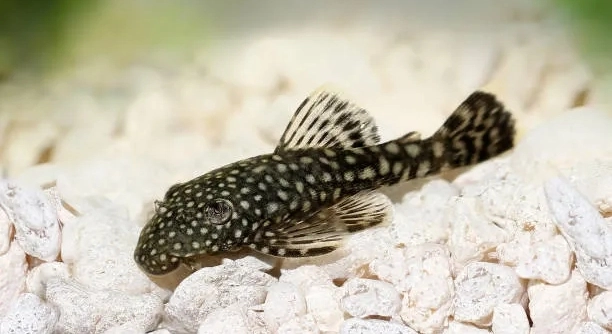
Tropical fish tanks are a popular choice among aquarium enthusiasts, offering vibrant colors and diverse species. Plecos, known for their algae-eating habits, are commonly kept in these setups. However, many wonder if they truly thrive in such environments.
Plecos can be kept in tropical setups, but it depends on the species. Some species of plecos are better suited for tropical tanks due to their temperature and water requirements. However, it’s important to ensure the tank conditions match their needs.
Understanding the specific needs of your pleco can make a big difference. From tank size to water quality, these factors will play a crucial role in whether your pleco thrives or not in your tropical aquarium.
Understanding Plecos and Their Needs
Plecos, also known as suckerfish, are popular in tropical fish tanks due to their ability to help control algae growth. They are hardy fish, but they do require specific care. There are various species of plecos, and each has unique needs in terms of size, water conditions, and tank mates. The most common type is the common pleco, which can grow quite large, sometimes up to 24 inches. Other types, like the bristlenose pleco, stay much smaller, making them easier to keep in standard-sized tanks.
Though plecos are low-maintenance fish, they are not entirely hassle-free. Their size, diet, and environment require careful attention. To ensure your pleco is healthy, consider factors such as water temperature, tank size, and filtration. These elements will directly impact your pleco’s well-being.
The water temperature for tropical setups should be between 74-80°F, which is ideal for plecos. Additionally, a clean tank with a proper filtration system is vital to maintaining a healthy aquatic environment for them. Regular water changes and good filtration will help prevent the buildup of toxins and keep your pleco content.
Choosing the Right Tank Size
Plecos need enough space to swim and grow, so tank size is important. A 20-gallon tank is typically the minimum size for small plecos, but larger species may require 50 gallons or more.
Large plecos can quickly outgrow small tanks, so it’s crucial to provide ample space for them to thrive. A spacious tank will also reduce stress and provide hiding spots, which plecos need to feel safe. Having enough room will keep them from getting territorial or aggressive.
Water Conditions for Plecos
Plecos prefer slightly acidic to neutral water, with a pH range between 6.5 and 7.5. They are quite adaptable to different water hardness, but consistency is key. Sudden changes can stress them out.
The water temperature should be kept between 74°F and 80°F. These warm temperatures suit tropical setups and help plecos thrive. Also, plecos produce a lot of waste, so maintaining proper filtration is crucial. A good filtration system will keep the water clean and ensure that your pleco stays healthy. You’ll also need to check water parameters regularly to avoid issues like high ammonia levels.
If the water conditions aren’t ideal, plecos can become stressed and more susceptible to diseases. Using a water test kit regularly can help you monitor pH, hardness, and ammonia levels. Keeping a stable environment with proper filtration ensures that your pleco remains happy and healthy in the long run.
Pleco Diet and Feeding
Plecos are primarily herbivores, eating algae, plant matter, and some fruits and vegetables. However, they may occasionally nibble on small invertebrates. It’s important to provide them with a balanced diet that mimics their natural feeding habits.
You can feed your pleco a variety of foods, such as algae wafers, zucchini, and spinach. Make sure to supplement their diet with occasional protein sources like brine shrimp. Plecos may also enjoy sinking pellets or even live plants in the tank. Providing a mix of fresh and processed food will ensure they get the nutrients they need.
Overfeeding can lead to water quality issues and obesity, so feed them only what they can eat within a few hours. It’s also a good idea to vary their food to keep them engaged.
Tank Mates for Plecos
Plecos are generally peaceful and can live with many other tropical fish. However, they should not be kept with aggressive or fin-nipping species.
Choosing the right tank mates is crucial for maintaining a harmonious aquarium. Small fish like tetras or guppies are a good match. Avoid species that may compete for food or harass the pleco.
Plecos also appreciate having plenty of hiding spots in the tank. Providing caves, driftwood, or plants can reduce stress and offer a sense of security. This is especially important when the pleco feels threatened or needs a place to retreat.
Pleco Behavior and Habits
Plecos are nocturnal, meaning they are most active at night. During the day, they tend to rest or hide. It’s important to give them space and not disturb their peaceful nature.
They may also exhibit unique behavior, like sucking on tank walls or decorations. This is simply part of their algae-eating habit. It can also be a sign they are searching for food or more surface area to graze on.
FAQ
Can I keep a pleco in a 10-gallon tank?
A 10-gallon tank is too small for most plecos, especially larger species. The common pleco can grow up to 24 inches, and a 10-gallon tank will quickly become overcrowded. Even smaller species, like the bristlenose pleco, would benefit from more space. It’s best to consider a tank of at least 20 gallons for a small pleco, but larger species will need even more room.
Do plecos eat fish?
Plecos are primarily herbivores, feeding on algae and plant matter, but they can also eat small invertebrates. They typically won’t go after healthy fish, but they may nibble on dead or dying fish. It’s important to keep them well-fed with algae wafers, vegetables, and sinking pellets to prevent them from seeking out other food sources.
How long do plecos live?
Plecos can live a long time if properly cared for, with an average lifespan of 10-15 years. Some species, like the common pleco, may live even longer in the right conditions. Providing a stable environment, a balanced diet, and regular tank maintenance will help ensure they live a long and healthy life.
Are plecos good for beginners?
Plecos can be good for beginners due to their low-maintenance care requirements, especially if you choose a smaller species like the bristlenose pleco. However, you should be prepared for their size and the care they need as they grow. Plecos still require proper tank conditions, feeding, and a clean environment to thrive.
Do plecos need a filter?
Yes, plecos need a good filtration system. They produce a lot of waste, and a proper filter helps maintain water quality by removing toxins like ammonia and nitrites. A filter also helps with oxygen exchange, which is essential for plecos and other fish in the tank. Regular water changes are also important to keep the tank clean.
Can I put a pleco with goldfish?
While plecos and goldfish may seem compatible, they often aren’t the best tank mates. Goldfish are cold-water fish, and plecos prefer warmer temperatures (74°F to 80°F). Keeping them together can lead to stress for one or both species. Additionally, goldfish are messy eaters, which can result in poor water quality, negatively affecting the pleco.
Do plecos need to be fed every day?
Yes, plecos need to be fed daily, but not too much. Offer them food that they can consume in a few hours. Their diet should include algae wafers, vegetables like zucchini and spinach, and occasionally protein sources like brine shrimp or sinking pellets. Overfeeding can lead to poor water quality and health issues.
How do I know if my pleco is stressed?
Signs of stress in plecos include excessive hiding, loss of appetite, rapid breathing, and abnormal swimming behavior. Stress can be caused by poor water conditions, tank mates that are too aggressive, or environmental changes. Ensuring your pleco has a stable environment, proper tank mates, and clean water will help prevent stress.
Do plecos need to be in a school?
Plecos are solitary fish and do not need to be kept in schools. In fact, they can become territorial if kept with other plecos. It’s best to keep only one pleco per tank, especially if you’re working with a smaller aquarium. Providing enough space and hiding spots will help reduce territorial behavior.
Why is my pleco sucking on the glass?
When a pleco is sucking on the glass, it’s usually feeding on algae or other organic matter. Plecos have specialized mouths designed to attach to surfaces and graze. This is a normal behavior, but if you notice excessive suctioning or that your pleco is not eating its food, it may be a sign of poor water quality or insufficient food.
How often should I clean my pleco’s tank?
You should clean your pleco’s tank every 1-2 weeks. Perform regular water changes of about 25-30% of the total volume to keep water quality high. Check for uneaten food and remove it to prevent waste buildup. Clean the filter regularly and inspect it to make sure it’s functioning properly. Avoid cleaning the entire tank at once to not disturb the beneficial bacteria that help keep the tank balanced.
Can I keep plecos with shrimp?
Plecos can generally be kept with shrimp, but there are some considerations. Larger plecos may view shrimp as food, especially if the shrimp are small or weak. However, smaller plecos, like the bristlenose, are usually safe with shrimp in a peaceful tank. Be sure to provide enough hiding places for the shrimp to escape the pleco if needed.
Why is my pleco not eating?
If your pleco isn’t eating, it could be due to water quality issues, stress, or illness. Check the tank’s parameters (pH, ammonia, temperature, etc.) and ensure they’re within the ideal range. Also, make sure you’re offering a varied diet. If the issue persists, consult with an aquarium professional to rule out any health problems.
Final Thoughts
Keeping a pleco in a tropical setup can be a rewarding experience, but it requires some attention to detail. Plecos can thrive in the right conditions, and their presence in an aquarium offers natural algae control. However, it’s important to remember that different species have different needs. While smaller plecos, like the bristlenose, are more suited to standard-sized tanks, larger species, such as the common pleco, require significantly more space to grow properly. Before adding a pleco to your tank, make sure the size and environment fit its requirements. The right tank size, water conditions, and food will help your pleco live a long, healthy life.
Water conditions are crucial to a pleco’s health. Maintaining a stable temperature, a neutral pH, and clean, filtered water will provide a safe and comfortable environment for your pleco. Regular water testing and proper filtration will ensure that the water quality stays in check, preventing potential health issues. Plecos are sensitive to poor water conditions, so paying attention to this aspect of aquarium care is essential. By regularly monitoring the tank and adjusting conditions as needed, you can create a stable environment that promotes your pleco’s well-being.
Tank mates also play an important role in a pleco’s happiness. While plecos are generally peaceful, it’s important to avoid aggressive or overly active fish that might stress them out. Choose tank mates that are compatible with your pleco’s temperament and size. Providing plenty of hiding spots and plants will help make your pleco feel secure in its environment. As long as you keep the tank clean, maintain proper water conditions, and provide a suitable environment, a pleco can be a great addition to your tropical setup.

Hello,
If you enjoy the content that we create, please consider saying a "Thank You!" by leaving a tip.
Every little bit helps us continue crafting quality advice that supports the health, happiness, and well-being of pets around the world, for pets of all shapes, sizes, and species.
We really appreciate the kindness and support that you show us!