
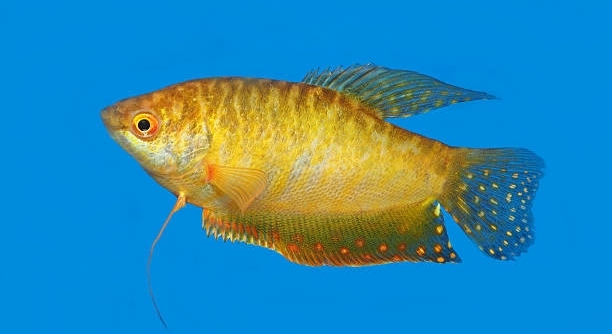
Keeping gouramis can be rewarding, yet tank dynamics matter. Understanding how male gouramis behave together helps prevent stress, injury, and poor health, especially for aquarists aiming to maintain peaceful community tanks at home successfully long-term.
Housing two male gouramis together is generally discouraged due to territorial aggression. Males often compete for space and dominance, leading to chronic stress and physical harm, unless the aquarium is large, densely planted, and carefully managed by experienced aquarists only.
Tank size, species temperament, and environmental structure all influence outcomes, revealing why proper planning determines success or failure long-term care.
Male Gourami Behavior and Territory
Male gouramis are naturally territorial, especially as they mature and establish dominance within an aquarium. I have seen calm tanks shift quickly once two males begin competing for the same space. They use flaring, chasing, and nipping to assert control, which can escalate over time. Limited swimming room, visual exposure, and lack of hiding areas make these behaviors more intense. Even peaceful species can show aggression when confined together. Stress builds quietly, affecting appetite, coloration, and immune response. Many issues start small and go unnoticed until damage is visible. Understanding this behavior is essential before attempting to house more than one male. It is not about personality alone but about instinct, environment, and constant proximity inside a closed system. These factors remain consistent regardless of tank aesthetics, adding long-term pressure that rarely resolves without separation or significant environmental modification over time in shared aquariums with limited escape options for males.
Territory disputes often intensify during feeding and breeding periods. One male usually becomes dominant, while the other remains under constant pressure. This imbalance leads to injury or weakened health, even when aggression seems minimal at first. I learned this through observation rather than theory alone over several years of keeping.
Tank size plays a major role in determining outcomes. Larger aquariums provide swimming distance, visual breaks, and separate resting zones. Dense plants, hardscape, and floating cover reduce direct contact. However, space alone does not remove rivalry. Even in large setups, males may patrol sections and defend preferred areas. Continuous monitoring becomes necessary, which is not ideal for most home setups. I find that many aquarists underestimate how quickly conditions can shift. A setup that works temporarily may fail as fish mature. Planning for long-term stability matters more than short-term success. Experience often changes expectations and reshapes stocking decisions over time.
When It Can Work and How to Reduce Risk
Keeping two males together is not impossible, but it requires intention. Species choice, tank layout, and constant observation all matter. This approach suits advanced keepers who are prepared to intervene quickly if behavior shifts unexpectedly and adjust conditions without hesitation based on fish responses rather than convenience alone or aesthetics.
One effective method is choosing naturally calmer gourami species and avoiding those known for heightened aggression. Introducing both males at the same time into a neutral tank can reduce immediate dominance claims. Rearranging decor before introduction helps prevent established territory. Visual barriers such as tall plants and wood structures limit constant line of sight. Feeding multiple areas reduces competition during meals. Despite these measures, a backup plan is essential. A divider or secondary tank should always be available. I personally prefer erring on the side of separation rather than risk prolonged stress. Healthy fish display steady color, normal feeding, and relaxed movement. Any signs of hiding, clamped fins, or repeated chasing indicate problems. Long-term success depends on readiness to act, not hope. Sometimes the most responsible choice is housing males separately to support consistent health and stable behavior over time. This approach reduces maintenance stress for the keeper as well. Managing aggression daily can become exhausting and emotionally draining. A balanced tank should feel stable, not tense. Clear stocking decisions often prevent loss, disappointment, and unnecessary intervention later over time when fish mature and behaviors intensify naturally indoors in confined aquarium environments without adequate separation space or careful planning ahead.
Tank Size and Aquascaping Choices
Tank size directly affects how male gouramis interact with one another. Smaller aquariums compress space and force constant contact. I have noticed that even mild temperaments shift under crowding. Adequate volume provides breathing room, visual breaks, and more predictable behavior patterns over time in shared home aquarium setups overall conditions.
Larger tanks allow males to establish separate zones without constant confrontation. Length matters more than height, since horizontal distance reduces repeated encounters. Plants, driftwood, and rock structures help block sightlines and soften boundaries. Floating plants reduce surface tension during air breathing. I prefer dense planting because it absorbs attention and slows chasing. Open tanks rarely succeed long term. Even with space, monitoring remains necessary. Behavior can change with age or feeding routines. A stable layout should remain consistent. Sudden decor changes may reset territory disputes and increase stress levels unexpectedly for fish and keeper over extended periods in home tanks.
Choosing the right setup is often more effective than reacting later. I learned that prevention saves time and livestock. Wide tanks with layered planting feel calmer. Hiding spots should exist at multiple depths. Avoid mirrors or bright reflections near glass. Consistent lighting schedules reduce agitation. Feeding evenly across the tank limits competition. Still, no design guarantees harmony. Individual temperament plays a role. Observation remains part of daily care. When stress signs appear, adjustments must be immediate. Waiting often allows minor tension to develop into lasting damage between males sharing confined aquarium environments long term without proper separation or planning ahead.
Recognizing Stress and Aggression Early
Stress signals often appear before open fighting begins. Clamped fins, faded color, and reduced appetite are common signs. One male may hide constantly or hover near corners. I pay close attention to breathing rate and surface behavior. Repeated flaring without contact still indicates tension. These changes suggest the environment is no longer working and requires prompt adjustment. Early response often prevents escalation and long recovery periods later for sensitive gourami males in shared tanks setups.
I have found that ignoring subtle signs usually leads to more serious problems. Chasing may start briefly but increase in frequency. Torn fins and weight loss follow. Once dominance is established, the weaker fish rarely recovers without intervention. Separating fish early reduces long-term harm. Tank dividers offer temporary relief but do not remove stress entirely. Rearranging decor can help short term, yet results vary. In many cases, permanent separation is the most stable option. Maintaining peace should not require constant correction. A healthy tank shows relaxed movement, consistent feeding, and balanced use of space. Those patterns guide responsible decisions. Making these choices early protects fish welfare and reduces emotional strain for keepers over time while supporting long term stability in home aquarium systems overall conditions.
Choosing Compatible Tank Mates
Adding tank mates can shift male gourami behavior in subtle ways. Bottom dwellers and fast mid level fish often distract attention and reduce fixation. I have seen tension drop when activity spreads across the tank instead of remaining centered on two competing males. This change improves balance and reduces stress.
Peaceful schooling fish help break lines of sight and lower direct conflict. Snails and shrimp usually do not affect behavior. I avoid adding slow finned species. Extra movement works best when stocking remains moderate and feeding routines stay consistent. Overcrowding quickly reverses these benefits and increases aggression levels for males.
Separating Males as a Long Term Solution
Separating males is often the safest option for long term health. Individual tanks remove constant pressure and allow natural behavior. I noticed stronger color, better appetite, and calmer movement after separation. Dividers can help temporarily but still allow visual stress. Permanent separation simplifies care and reduces monitoring. Each male establishes territory without challenge. This setup works well for keepers with limited time. While it requires more space, losses decrease and maintenance becomes predictable. Stability matters more than forcing compatibility in confined systems. I prefer this approach when repeated adjustments fail and long term stress continues despite effort and planning attempts.
Making Peace With the Decision
Choosing separate housing does not mean failure. It reflects responsible care and realistic expectations. I value calm tanks over risky setups. When males live alone, they thrive with fewer interventions. Health improves, colors deepen, and daily care feels simpler and more rewarding over time with consistent routines and stable conditions.
FAQ
Can two male gouramis live together in the same tank?
Two male gouramis can live together, but it requires careful planning. Male gouramis are territorial and aggressive, especially in smaller tanks. Providing plenty of space, hiding spots, and plants can reduce fights and stress. Even with precautions, close monitoring is essential to prevent injuries.
What size tank is suitable for housing two male gouramis?
A minimum of 30 gallons is recommended for two male gouramis. Larger tanks provide more swimming space and help reduce territorial aggression. Tank dimensions should allow visual separation using plants or decorations. A taller tank is less critical than a wider one for maintaining harmony.
How can I prevent aggression between male gouramis?
Aggression can be reduced by adding dense plants, floating decorations, and multiple hiding spots. Rearranging tank elements periodically prevents established territories. Avoid placing two males in small or bare tanks. Introducing them simultaneously as juveniles can also help lower dominance struggles.
Do gouramis need companions, or can they be alone?
Gouramis can thrive alone or with peaceful tank mates. Male gouramis often do better with females or other non-aggressive species. Keeping them alone avoids fights but may reduce social interaction. Observing behavior is key to adjusting tank companions.
What signs indicate a male gourami is stressed or aggressive?
Signs include chasing, nipping, flaring fins, and hiding frequently. Stress may also show as loss of appetite, faded colors, or lethargy. Early detection helps prevent injury. Separate the males if fights escalate despite environmental adjustments.
Is it better to keep males with females instead of other males?
Yes, males usually tolerate females better. A ratio of one male to multiple females reduces aggression. Breeding pairs require careful observation to avoid overbreeding or stress. Providing hiding spots for females ensures they are not constantly harassed.
How does tank setup affect male gourami behavior?
A well-planted tank with floating vegetation, caves, and visual barriers helps manage aggression. Open spaces allow swimming while hiding spots offer refuge. Proper filtration and gentle water flow reduce stress. Lighting should be moderate to mimic natural conditions.
Can male gouramis coexist with other species?
Yes, peaceful species like tetras, rasboras, or snails are good companions. Avoid other aggressive or fin-nipping fish. Fast-swimming fish can coexist if they are not perceived as threats. Observing interactions is necessary to prevent fights.
What should I do if fights break out?
Separate the males immediately using a divider or moving one to another tank. Treat any injuries promptly. Reassess tank setup for more hiding spots. Do not return them together until aggression significantly decreases.
How often should I monitor their interactions?
Daily observation is essential, especially during initial introduction. Early signs of aggression can be managed quickly. Over time, interactions may stabilize, but regular checks remain important to prevent stress or injury.
Can rearranging the tank help reduce aggression?
Yes, rearranging decorations disrupts established territories and reduces dominance struggles. Plants, rocks, and ornaments can be moved every few weeks. This encourages exploration and minimizes constant fighting.
Do diet and feeding affect male gourami behavior?
Yes, a well-balanced diet helps reduce aggression caused by competition for food. Feed multiple areas to prevent fights and ensure each fish receives enough nutrition. Occasional live or frozen foods can also provide enrichment and reduce stress.
Are certain gourami species more aggressive than others?
Yes, species like the dwarf gourami are usually less aggressive than larger males like the pearl or kissing gourami. Knowing your species’ temperament is essential before attempting to house males together.
How can I introduce two males to the same tank safely?
Introduce them at the same time as juveniles in a well-planted tank. If adults must be combined, use a temporary divider and slowly remove it while monitoring behavior. Avoid adding one dominant adult to a tank with an established male.
What role does water quality play in aggression?
Poor water quality increases stress and can trigger fights. Maintain stable temperature, pH, and ammonia/nitrite/nitrate levels. Clean water reduces stress, improves health, and can mitigate aggressive tendencies. Regular testing and partial water changes are essential.
Can males ever coexist permanently without aggression?
In rare cases, males can coexist long-term if the tank is large, planted, and monitored. Most will always display occasional dominance behaviors. Permanent peace is uncommon, so preparation for separation is wise.
Are there signs that two males can’t be kept together?
Persistent chasing, injuries, or hiding indicate incompatibility. Even with plants and space, some males cannot tolerate each other. Immediate separation is necessary to protect their health.
Does age affect male gourami behavior?
Younger males are generally less aggressive. Aggression tends to increase as they mature and establish territories. Introducing males early reduces future fights. Older males may require larger tanks or permanent separation.
What is the best long-term strategy for keeping male gouramis?
Plan tank size, decorations, and companions carefully. Monitor interactions daily, provide hiding spots, and maintain water quality. Be ready to separate males if aggression escalates. Choosing the right species and introducing them at the proper age improves long-term success.
Are there health risks associated with fighting?
Yes, injuries can lead to infections or stress-related illness. Fin damage, scratches, and wounds are common. Quick treatment with antiseptics and isolation prevents complications. Stress also lowers immunity, so maintaining a calm environment is essential.
How do I decide if two males should share a tank?
Evaluate space, species temperament, and individual behavior. Consider tank complexity and hiding spots. If aggression is unavoidable, it’s safer to keep males separate. Each tank’s dynamics vary, so careful observation is the best guide.
Can introducing females reduce male conflicts?
Yes, having multiple females often diffuses male aggression. The male’s attention is divided, reducing dominance fights. Proper hiding spots ensure females are safe from harassment. Balancing numbers carefully is key to a peaceful tank environment.
Do males need more space than females?
Generally, yes. Males are territorial and require more room to establish boundaries. Larger tanks with multiple hiding areas allow coexistence. Females are typically less aggressive, so they can share smaller spaces without conflict.
How does tank decoration influence territorial behavior?
Decorations create natural barriers, breaking line-of-sight and reducing fights. Plants, rocks, and floating objects allow males to retreat and claim their own space. Rearranging items periodically can prevent one male from dominating the entire tank.
What are signs that two males can live together?
Minor chasing or displays without injury may indicate potential coexistence. Both fish should have access to food and hiding spots. Stable coloration and normal activity levels suggest they are adjusting well.
Is separation always necessary for aggressive males?
Not always. If aggression is minimal and injuries are absent, they may coexist. However, any serious or repeated fighting requires immediate separation to ensure safety.
Can tank mates help reduce male conflicts?
Yes, non-aggressive tank mates provide distraction and enrich the environment. Fast-swimming or schooling fish can help diffuse attention. Avoid species that provoke competition or aggression, as this can worsen conflicts.
Are there behavioral differences between gourami species?
Yes, aggression varies widely. Pearl and kissing gouramis are more likely to fight, while dwarf gouramis are milder. Understanding species behavior helps determine whether males can be safely housed together.
How can I tell if a male is too dominant?
Constant chasing, harassment, and territory expansion are key signs. Other fish may hide or lose appetite. Observing patterns over time allows you to intervene before serious injuries occur.
Do males require visual barriers to coexist?
Yes, visual barriers help prevent constant confrontations. Plants, rocks, and floating objects create separate territories and reduce stress. Without barriers, males often escalate fights over limited space.
What adjustments help if fighting occurs?
Increase hiding spots, rearrange the tank, provide additional companions, or separate males temporarily. Frequent observation and careful management prevent long-term injuries. Adjusting tank conditions often reduces repeated conflicts.
How often should tank layout be changed?
Every few weeks is sufficient. Moving decorations and plants prevents fixed territories and encourages exploration. Frequent rearrangements reduce dominance struggles and maintain a balanced environment.
Are male gouramis aggressive toward females?
Males may harass females, especially during breeding. Providing multiple females and hiding areas ensures females are safe. Aggression is usually limited to territorial disputes rather than constant harm.
Can diet or enrichment reduce fighting?
Yes, feeding in multiple locations and providing live or frozen foods keeps males occupied. Enrichment such as floating plants and caves distracts them and reduces stress-induced aggression.
Do water temperature or quality influence behavior?
Yes, stable temperature and clean water reduce stress and aggression. Fluctuations in pH or ammonia can trigger fights. Regular monitoring and maintenance are essential to maintain a calm environment.
What is the most important factor in housing males together?
Tank size, hiding spots, species temperament, and careful observation are crucial. Aggression is common, so readiness to separate males is essential for their health. A well-planned environment significantly increases the chance of peaceful coexistence.
How do I introduce a new male to an existing tank?
Use a divider initially and observe interactions. Rearrange plants and decorations to minimize territorial disputes. Gradual introduction and monitoring are critical to prevent immediate fighting and injury.
Is cohabitation more successful with juveniles?
Yes, younger males adapt better and are less aggressive. Introducing them simultaneously helps establish boundaries with minimal fights. Adult males often require more space or separation to coexist safely.
Are there signs of stress other than aggression?
Yes, hiding, loss of color, reduced appetite, and lethargy indicate stress. Stress management through water quality, tank layout, and companions helps maintain health and reduces aggressive incidents.
Do males ever calm down with age?
Aggression may decrease slightly as males mature and establish territories, but it rarely disappears entirely. Some species remain aggressive throughout life, requiring careful tank management.
Can I use dividers long-term?
Yes, dividers allow permanent separation while sharing the same tank. They prevent fighting while maintaining similar environmental conditions. Regular cleaning and observation are necessary to avoid territorial frustration.
How can I tell if two males will never get along?
Continuous injury, chasing, and stress indicate incompatibility. Even with plants and space, some males cannot coexist. Permanent separation is the safest solution to protect their health.
Is breeding possible with multiple males?
Yes, but careful planning is required. A ratio of one male to several females reduces fights and ensures successful breeding. Observing interactions ensures males do not harm females or each other.
Do males require different care than females?
Yes, males often need more space and hiding areas. They are more territorial and aggressive. Regular monitoring, tank adjustments, and careful companion selection are essential to prevent conflicts.
Can environmental enrichment reduce male fights?
Yes, plants, caves, floating decorations, and varied feeding locations provide stimulation and distraction. Enrichment reduces stress and competition, lowering the frequency and severity of fights.
What is the most reliable way to keep two males safely?
Large tanks, dense vegetation, multiple hiding spots, and careful observation. Be ready to separate them if aggression persists. Early introduction, proper species choice, and environmental enrichment are key to long-term success.
Are there long-term consequences of housing males together?
Yes, chronic stress, injuries, or reduced health can result. Even with precautions, fights may occur. Regular monitoring, water maintenance, and tank adjustments are essential for healthy cohabitation.
Do males react differently to tank changes than females?
Yes, males respond more strongly to rearrangements or new tank mates. Careful planning and gradual introductions help minimize stress and prevent escalated aggression.
Can I keep two males without any plants or decorations?
No, a bare tank increases aggression significantly. Males need visual barriers, hiding spots, and territorial markers. Lack of structure leads to constant fighting, injuries, and stress.
How can I minimize dominance disputes long-term?
Provide a large tank, multiple hiding spots, and visual barriers. Introduce males early, offer multiple food locations, and observe behavior daily. Adjust tank layout as needed to maintain balance and reduce aggression.
Do water flow or lighting affect aggression?
Gentle flow and moderate lighting reduce stress. Strong currents or intense light may irritate males, increasing territorial displays. Maintaining stable conditions supports calmer behavior.
Is monitoring enough to prevent fights?
Observation helps, but it must be paired with tank management. Adequate space, hiding spots, and proper species selection are equally important. Monitoring allows timely intervention to protect fish.
Are male gouramis more aggressive in smaller tanks?
Yes, limited space intensifies territorial behavior. Small tanks offer fewer hiding spots and increase direct confrontations. Providing sufficient space is essential for peaceful coexistence.
Can males live with other aggressive species?
No, combining aggressive species increases fighting and injuries. Peaceful, fast-swimming tank mates are preferred. Avoid species that compete for territory or harass gouramis.
Do seasonal changes affect behavior?
Yes, temperature fluctuations or changes in daylight can influence activity and aggression. Stable conditions help maintain calm interactions between males.
How can I tell if cohabitation is improving?
Reduced chasing, fewer injuries, normal feeding, and stable coloration indicate adjustment. Both males using separate hiding spots without constant aggression suggests successful cohabitation.
Are males more aggressive during breeding periods?
Yes, males become more territorial and protective of potential spawning areas. Extra hiding spots and space for females help reduce conflicts during this time.
Do males tolerate juveniles better than other adults?
Yes, juveniles are less threatening and less likely to trigger dominance fights. Introducing males with juveniles can work if space and hiding areas are sufficient.
Can visual barriers alone prevent fighting?
Visual barriers reduce aggression but are rarely sufficient alone. Adequate space, hiding spots, and monitoring are also necessary. Barriers should be combined with other environmental adjustments.
Is tank cleaning stressful for males?
Yes, sudden rearrangement or strong water flow can trigger aggression. Gentle cleaning and gradual water changes minimize stress and prevent fights.
Do males fight more if food is limited?
Yes, competition over food increases aggression. Feeding in multiple locations ensures all fish receive nutrition and reduces disputes. Variety in diet also keeps them engaged.
Are males more aggressive when overcrowded?
Overcrowding significantly increases aggression. Each male requires personal space. Avoid high stocking densities to maintain peace and reduce injuries.
Can males share a tank permanently without fights?
Permanent peaceful coexistence is rare. Aggression often resurfaces even in ideal conditions. Be prepared to separate males if necessary.
Do males need more hiding spots than females?
Yes, hiding spots are essential to prevent dominance disputes. Males need multiple refuges to feel secure and reduce aggression.
Can two males ever bond?
Some males tolerate each other, showing minimal chasing. True bonding is uncommon. Monitoring is necessary to ensure no injuries occur.
What is the safest approach for multiple males?
Large tank, abundant hiding spots, visual barriers, careful species selection, early introduction, and readiness to separate if aggression occurs. Consistent observation ensures safety.
Do water temperature or pH changes increase aggression?
Yes, sudden fluctuations stress males and may trigger fights. Stable water parameters are crucial for maintaining calm behavior.
Can stress alone cause male fights?
Yes, stress from overcrowding, poor water quality, or lack of hiding spots can increase aggression. Reducing stress is key to peaceful coexistence.
Are there alternatives if housing two males together fails?
Yes, permanent separation, larger tanks, or housing with females are alternatives. Prioritize safety and well-being over keeping them together.
How can I maintain harmony long-term?
Provide space, hiding spots, enrichment, stable water conditions, and proper diet. Daily observation and adjustments help prevent aggression and ensure health.
Is it better to introduce males at the same time or separately?
Simultaneous introduction reduces initial dominance struggles. Separately introduced males often fight more. Using dividers can help if adults must be combined.
Do males show territorial behavior immediately?
Yes, males often establish territories quickly. Observing interactions during the first few days helps prevent injuries and allows intervention if aggression escalates.
Are there signs that males are tolerating each other?
Minimal chasing, shared swimming areas, normal feeding, and calm colors suggest tolerance. Some displays are normal but should not escalate into fights.
Can males tolerate other fish if aggressive toward each other?
Yes, introducing peaceful species may distract them. Avoid aggressive companions, as this can worsen conflicts and injuries.
How important is tank size for male behavior?
Tank size is critical. Larger tanks reduce direct confrontations, allow personal territories, and help maintain calm behavior. Small tanks often trigger fights.
Do males ever calm after repeated fights?
Some males adjust, but aggression rarely disappears completely. Be prepared for intermittent dominance displays and injuries despite interventions.
Is it necessary to monitor interactions for life?
Yes, aggression can appear unexpectedly. Lifelong monitoring ensures health, prevents injuries, and maintains a balanced tank environment.
Can rearranging the tank too often stress males?
Excessive changes may cause stress and trigger aggression. Rearrange gradually and periodically to balance stimulation and stability.
Do males need separate feeding areas?
Yes, multiple feeding zones reduce competition and stress. This helps ensure all fish receive proper nutrition and limits aggression.
How do I balance males and females for minimal conflict?
Keep one male with multiple females. Provide hiding spots for females and avoid overcrowding. Balance numbers carefully to reduce aggression.
Can aggression lead to death?
Severe fights can cause fatal injuries or secondary infections. Immediate intervention and proper care are necessary to prevent fatalities.
Are some males naturally less aggressive?
Yes, individual temperament varies. Choosing calmer males increases the chance of peaceful coexistence. Observation before permanent housing helps identify suitable candidates.
How do I respond if one male dominates constantly?
Add hiding spots, rearrange tank, or separate temporarily. Continuous dominance leads to stress and injuries if not addressed.
Can environmental enrichment replace tank size for aggression control?
Enrichment helps but cannot fully compensate for insufficient space. Both large tank size and enrichment are necessary for reducing conflicts.
Are male gouramis more aggressive during breeding seasons?
Yes, territorial and protective behaviors increase. Providing space, hiding spots, and multiple females helps minimize fighting during this time.
Do males respond differently to tank lighting?
Bright or sudden lighting may trigger stress and aggression. Moderate, stable lighting supports calmer behavior and reduces conflicts.
Can I mix male gourami species?
Mixing species is risky. Aggression patterns differ, and larger or more dominant species may injure smaller ones. Careful research and observation are
Final Thoughts
Housing two male gouramis in the same tank is possible but requires careful planning and constant attention. Male gouramis are naturally territorial, and even small tanks can lead to frequent chasing and aggression. A larger tank with plenty of space is essential to give each fish room to establish its own territory. Dense planting, floating vegetation, and hiding spots reduce conflict and help both males feel secure. Regular rearrangement of decorations can prevent dominance patterns from forming and gives the tank a more dynamic environment, which encourages exploration and reduces stress. Careful observation during the first days of cohabitation is crucial, as this period sets the tone for long-term interactions.
Providing proper care for male gouramis involves more than just tank setup. Water quality, diet, and enrichment all play a role in reducing aggression and maintaining health. Stable water conditions, including consistent temperature and pH, help prevent stress-induced fights. Feeding in multiple areas ensures that each fish receives enough food without competition, which can escalate tensions. Introducing tank mates that are peaceful, fast-swimming, or non-aggressive can also help diffuse attention and create a calmer environment. However, aggressive or fin-nipping species should be avoided, as they can provoke conflict and injury. Maintaining these practices consistently allows both male gouramis to coexist with fewer injuries and stress.
Even with careful preparation, male gouramis may still display occasional aggression, and not every pairing will succeed. Some males simply cannot tolerate each other, and injuries or persistent dominance behavior may occur despite ideal conditions. In these cases, separating the males or providing dividers is the safest solution. Successful cohabitation depends on the species, tank size, individual temperament, and the number of hiding spots available. Patience, careful observation, and readiness to intervene when necessary are key to ensuring a balanced and healthy environment. By prioritizing the well-being of each fish, it is possible to create a harmonious tank where both males can thrive and display natural behaviors safely.

Hello,
If you enjoy the content that we create, please consider saying a "Thank You!" by leaving a tip.
Every little bit helps us continue crafting quality advice that supports the health, happiness, and well-being of pets around the world, for pets of all shapes, sizes, and species.
We really appreciate the kindness and support that you show us!