
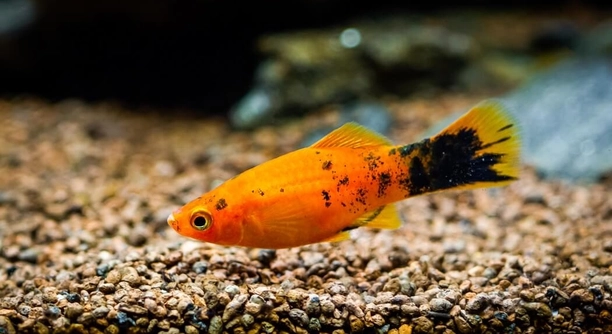
Many people enjoy keeping platies as colorful and lively additions to their home aquariums. These small fish are popular for their ease of care and peaceful nature. Understanding their environment helps ensure they stay healthy and happy.
Platies can live without a heater if the room temperature remains stable between 68 and 78 degrees Fahrenheit. Sudden drops or prolonged exposure to cold can stress them, so consistent warmth is important for their well-being and longevity in captivity.
Knowing how to maintain the right conditions will help you provide a comfortable home for your platies throughout the year.
Understanding Platies’ Temperature Needs
Platies are tropical fish that naturally live in warm waters. Their ideal temperature range is generally between 72 and 78 degrees Fahrenheit. When the water temperature falls below this, their metabolism slows down, making them less active and more vulnerable to illness. While platies can tolerate slight temperature variations, sudden or extreme changes can cause stress. This is why keeping a consistent temperature is important. If your home environment is generally warm, platies might do fine without a heater. However, if temperatures dip too low, especially during colder months, a heater is usually necessary to maintain their health. It’s also important to monitor the water temperature regularly using a reliable aquarium thermometer. Stability is key for platies to thrive, so understanding and managing their temperature needs will go a long way in keeping your fish happy.
Regular checks of water temperature can help avoid stress and disease in your platies.
If you decide to keep platies without a heater, try to place the tank in a room that stays warm and away from drafts or windows. Using a lid can also help keep the water temperature more stable. In some cases, natural room heat might be enough, especially in warmer climates. Still, keep in mind that platies are sensitive to cold, so even small temperature drops at night or during winter can cause problems. If you notice your platies acting sluggish or hiding more than usual, check the temperature first. Sometimes, adjusting the tank’s location or adding a small heater can prevent more serious health issues later.
Alternatives to Using a Heater
Some fishkeepers choose not to use heaters to save energy or keep maintenance simple. In these cases, keeping platies without a heater is possible but depends heavily on the room’s temperature. Ideally, the aquarium should be kept in a warm part of the house where the temperature does not drop below 68 degrees Fahrenheit. Using plants and decorations inside the tank can also provide shelter and reduce stress caused by temperature fluctuations. Additionally, regular water changes help maintain good water quality, which supports the fish’s overall health even without a heater.
When a heater is not an option, carefully monitoring the environment and maintaining cleanliness become even more important.
Without a heater, it’s essential to create a stable environment in other ways. Make sure the aquarium is away from windows or doors where cold air might come in. Covering the tank can help retain heat. Room heaters or placing the aquarium in warmer rooms, like living areas, may also help keep temperatures stable. Seasonal changes require attention; during colder months, extra care is needed to prevent the water from getting too cold. In warmer climates, platies often thrive without heaters year-round. Still, a thermometer should always be used to watch for dangerous drops. Overall, while it’s possible to house platies without a heater, consistent warmth and stability are critical to their well-being.
Signs Your Platies Are Too Cold
When platies feel cold, they often become less active. They may hide more or stay near the bottom of the tank. Loss of appetite and faded colors can also be signs of stress due to low temperature.
Cold water slows down platies’ metabolism, making them lethargic. You might notice they swim less or rest in one spot for long periods. They could also stop eating, which weakens their immune system. If the water stays cold, platies are at risk for diseases like fin rot or fungal infections. Paying attention to these changes early can help prevent serious health problems. Keeping a thermometer in the tank helps you spot temperature drops before the fish show signs of distress.
If you see these signs, check the water temperature immediately. Raising the temperature slowly can help platies recover. Sudden changes can shock them, so gradual adjustments are better.
Maintaining Temperature Without a Heater
Placing the tank in a warm room is essential when not using a heater. Avoid locations near windows or air vents that bring cold drafts, as these cause temperature fluctuations. Consistent room temperature supports platies’ health.
Covering the aquarium with a lid helps retain heat and reduces evaporation. Adding floating plants or decorations provides shelter and can slightly buffer temperature changes. Regular water changes with water at room temperature also prevent sudden temperature shifts. Monitoring with an aquarium thermometer is necessary to ensure stable conditions. These small steps help maintain a comfortable environment for platies even without a heater.
Choosing the Right Tank Location
Selecting the right spot for your platies’ tank is crucial when not using a heater. Pick a room that stays warm and avoid places near windows or air conditioners. Consistent warmth helps keep the water temperature steady.
Also, avoid areas with direct sunlight, which can cause temperature swings and algae growth. A stable environment means less stress for your platies and healthier fish overall.
Feeding Platies in Cooler Temperatures
Platies’ metabolism slows in cooler water, so they may eat less. Adjust feeding amounts accordingly to avoid overfeeding, which can harm water quality. Smaller, more frequent meals work best to keep them healthy without causing waste buildup.
Using Plants to Regulate Temperature
Live plants in the aquarium can help stabilize temperature by providing shade and shelter. They also improve water quality by absorbing nitrates and creating a natural environment, which supports platies’ well-being.
Monitoring Water Quality
Regular testing of water parameters is important, especially without a heater. Stable water conditions reduce stress and promote healthy fish.
Can Platies Survive in Room Temperature Water Without a Heater?
Platies can survive in room temperature water if the temperature stays within their comfort range, typically between 68 and 78 degrees Fahrenheit. If your home naturally maintains this temperature, a heater might not be necessary. However, if the temperature fluctuates or drops below 68 degrees, platies can become stressed and more prone to illness. It’s important to monitor the tank temperature regularly to ensure it stays stable. Even small temperature changes can impact their health over time.
What Happens if Platies Get Too Cold?
When platies experience cold water, their metabolism slows down significantly. This causes them to swim less, lose appetite, and become more vulnerable to infections. Prolonged exposure to low temperatures can lead to weakened immune systems and diseases such as fin rot or fungal infections. If you notice your platies hiding more often, acting sluggish, or refusing food, the water temperature might be too low. Addressing this quickly by raising the temperature gradually can help them recover.
Is It Safe to Use a Tank Without a Heater in Winter?
Using a tank without a heater during winter is risky unless the room temperature remains warm and stable. Cold drafts and low temperatures can cause the water to drop below safe levels for platies. If heating the room isn’t possible, a heater is usually necessary to maintain consistent warmth. Without it, platies may suffer from stress or illness. It’s best to monitor the temperature closely and take steps to keep the tank warm, such as using lids or moving it to a warmer area.
How Can I Keep the Temperature Stable Without a Heater?
Maintaining stable temperature without a heater requires placing the tank in a warm, draft-free room away from windows or vents. Using a lid on the aquarium helps retain heat and reduces evaporation. Adding floating plants or decorations provides some insulation and shelter for the fish. Regular water changes should use water that matches the room temperature to avoid sudden drops. A thermometer is essential to monitor the temperature consistently. Small changes and consistent care make a big difference.
Will Platies Grow Slower Without a Heater?
Platies’ growth can slow down in cooler water because their metabolism decreases. They may not be as active or eat as much, which impacts their development. While they can survive in slightly cooler temperatures, optimal growth happens within their ideal temperature range (72–78°F). If you want your platies to grow quickly and stay healthy, providing stable warmth with a heater is best. Without it, expect slower growth and possible health issues.
Can Platies Breed Without a Heater?
Breeding platies without a heater is possible but more challenging. Stable warm temperatures encourage spawning and healthy fry development. If the water is too cool or fluctuates, platies may not breed or their eggs may fail to hatch. In cooler environments, breeding success decreases, and fry survival rates drop. If breeding is a goal, maintaining a heater to keep water temperature consistent is recommended.
Are There Any Risks of Overheating Without a Heater?
Without a heater, overheating is unlikely, especially in temperate or cooler climates. However, if the tank is placed near direct sunlight or heating sources, the water can become too warm, stressing the fish. Overheated water lowers oxygen levels and can cause illness. Keeping the tank in a shaded area and away from heat sources helps avoid this risk. Regular temperature monitoring is important no matter the situation.
What Are the Best Alternatives to Using a Heater for Platies?
If a heater is not an option, using room heating to maintain warm temperatures is a good alternative. Placing the tank in warmer rooms or using insulated covers can help. Live plants can also provide shelter and minor temperature buffering. Frequent temperature checks and careful water changes ensure the environment remains stable. These methods require more attention but can work in mild climates.
How Often Should I Check the Temperature Without a Heater?
When not using a heater, it’s important to check the aquarium temperature daily. Temperature can change with weather, drafts, or room usage. Using a reliable aquarium thermometer makes this easier. Early detection of drops or rises allows you to take corrective action quickly. Consistent monitoring helps keep your platies safe and comfortable.
What Is the Most Common Mistake When Keeping Platies Without a Heater?
The most common mistake is not monitoring temperature closely enough. Many assume room temperature is stable, but small fluctuations can stress fish over time. Another mistake is placing tanks near cold drafts or windows without protection. Failing to adjust feeding and care for cooler water conditions also affects fish health. Careful attention to environment and routine checks help avoid these issues.
When deciding whether to keep platies without a heater, the main factor to consider is the temperature stability of your home environment. Platies do best in water that stays between 68 and 78 degrees Fahrenheit. If the room where you keep the aquarium naturally stays within this range most of the time, it is possible to care for them without a heater. However, it is important to remember that sudden drops in temperature or long periods of cold can cause stress and health problems for your fish. Keeping a thermometer in the tank helps you keep an eye on the temperature and react quickly if it changes.
Without a heater, you need to pay extra attention to where you place the tank. Avoid areas with cold drafts, near windows, or places where temperatures can shift quickly. A stable environment is key to keeping your platies healthy and active. Adding live plants and decorations can provide shelter and help regulate temperature inside the tank. Covering the aquarium with a lid will also help keep warmth in and reduce water evaporation. While it may take a little more effort to maintain the right conditions without a heater, it is possible if your home stays warm enough.
In some cases, using a heater is still the safest choice, especially if you live in a place with cold winters or large temperature swings. Heaters keep the water temperature steady, which helps prevent stress and illness. If you notice your platies becoming less active, hiding often, or losing appetite, checking the temperature is one of the first steps. Overall, whether you use a heater or not, the health of your platies depends on how well you maintain their environment. Stable temperature, clean water, and proper feeding will ensure your fish stay happy and thrive.

Hello,
If you enjoy the content that we create, please consider saying a "Thank You!" by leaving a tip.
Every little bit helps us continue crafting quality advice that supports the health, happiness, and well-being of pets around the world, for pets of all shapes, sizes, and species.
We really appreciate the kindness and support that you show us!