
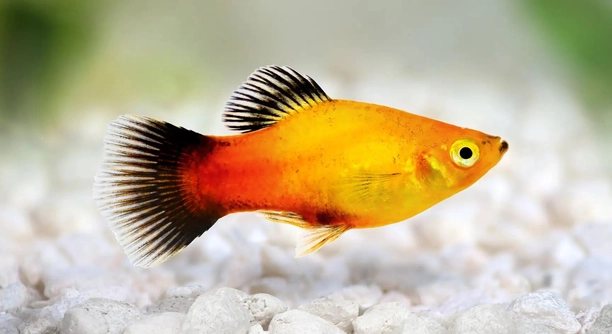
Keeping different aquatic pets together can be a rewarding experience, but it requires careful consideration. Many aquarium enthusiasts enjoy combining species to create a lively and diverse tank environment. Understanding how various animals interact is essential for a peaceful habitat.
Platies and African dwarf frogs can coexist under certain conditions, but this depends on tank size, hiding spots, and water parameters. Compatibility hinges on minimizing stress and preventing predation, as frogs are slow and may become easy targets for platies.
Exploring the dynamics between these species will help you create a safer and more balanced aquarium environment for both your fish and frogs.
Understanding Platies and African Dwarf Frogs Behavior
Platies are active, small fish known for their peaceful nature and bright colors. They tend to swim in the middle and upper levels of the tank, searching for food and exploring their surroundings. African dwarf frogs are quieter and slower-moving, spending much of their time at the bottom or hiding among plants and decorations. Their slow movements can make them vulnerable to faster fish, which may nip or stress them unintentionally. It is important to provide plenty of hiding places, like plants or caves, to help frogs feel secure. Water conditions need to suit both species—temperatures around 72 to 78°F work well, and water should be clean and well-filtered. Avoid aggressive tank mates and overcrowding, as this can increase stress and lead to health problems for both platies and frogs.
Proper tank setup and understanding each species’ behavior help maintain a peaceful coexistence.
Keeping water quality consistent and providing enough space can reduce conflicts and stress.
When both species have their needs met, they usually live together peacefully. Careful monitoring and adjusting tank conditions as needed can ensure harmony and health for your aquatic pets.
Tank Setup and Maintenance Tips
Both platies and African dwarf frogs need a well-maintained tank with stable conditions.
Regular water changes and testing for ammonia, nitrite, and nitrate levels are essential to prevent toxic build-up. Use a gentle filter that does not create strong currents, as African dwarf frogs prefer calm water. Include plenty of plants, both live and artificial, to offer hiding spots and reduce stress. A substrate of fine gravel or sand works well for frogs that like to burrow or rest at the bottom. Feeding should accommodate both species; platies eat flakes or pellets, while frogs prefer frozen or live foods like bloodworms. Monitor the tank daily for signs of aggression, illness, or stress. Proper tank maintenance creates a healthier environment and helps avoid problems before they arise.
Keeping the tank clean and calm is key for long-term success.
Feeding Platies and African Dwarf Frogs Together
Platies are omnivores and eat flakes, pellets, and vegetable matter, while African dwarf frogs prefer live or frozen foods like bloodworms and brine shrimp. Feeding both species in the same tank requires attention to their different diets.
It’s best to feed platies flakes or pellets at the surface, as they naturally swim near the top. Frogs tend to stay near the bottom, so sinking foods or frozen treats should be offered separately. This prevents competition and ensures each gets enough nutrition. Overfeeding can pollute the water, so feed small amounts once or twice daily and remove uneaten food promptly.
Separate feeding times or locations in the tank can help meet both species’ dietary needs. Observing their eating habits allows adjustments and helps avoid stress or malnutrition.
Signs of Stress and How to Address Them
Stress can cause health problems in both platies and African dwarf frogs, often resulting from overcrowding, poor water quality, or aggression. Signs include hiding, lack of appetite, faded colors, and sluggish behavior.
If stress appears, check water parameters and improve filtration or perform water changes. Increase hiding spaces or rearrange decorations to reduce confrontations. Reducing the number of tank mates or separating aggressive fish may be necessary. Keeping the environment stable and calm helps both species feel secure and promotes their wellbeing.
Regular observation and quick action can prevent serious illness. Stress management is essential for a healthy, balanced aquarium.
Suitable Tank Mates for Platies and African Dwarf Frogs
Choosing compatible tank mates helps maintain harmony. Avoid aggressive or large fish that may harm frogs or outcompete platies for food. Small, peaceful species like snails or shrimp can coexist without causing stress.
Always research each species’ behavior and needs before adding new tank mates. Compatibility reduces risks of injury and keeps the environment balanced.
Water Temperature and Quality
Platies and African dwarf frogs thrive in water temperatures between 72°F and 78°F. Stable temperatures prevent stress and illness. Regular testing for ammonia, nitrites, and nitrates ensures water remains safe and clean for both species.
Breeding Considerations
Platies breed easily in community tanks, which may stress African dwarf frogs due to increased activity and competition for space.
Avoiding Predation Risks
African dwarf frogs are slow and vulnerable to being nipped by fast, curious fish like platies. Provide ample hiding spots and monitor interactions to protect frogs from injury or stress.
FAQ
Can platies and African dwarf frogs live together peacefully?
Yes, they can live together peacefully if the tank conditions are right. The tank should be large enough to provide space for both species to avoid stress. Plenty of hiding places like plants or decorations help frogs feel safe. Keep the water temperature between 72°F and 78°F, and maintain clean, well-filtered water. Avoid overcrowding and aggressive fish, as these can cause problems. Regular observation ensures both platies and frogs stay healthy and stress-free.
Will platies try to eat African dwarf frogs?
Platies generally do not eat African dwarf frogs, but they can nip or harass them, especially if the frogs are small or slow-moving. Since frogs often rest on the bottom, they can become targets if the fish are curious or aggressive. To protect your frogs, provide plenty of hiding spots and keep the number of platies reasonable. If you notice any signs of aggression, consider rearranging the tank or separating the animals.
What do African dwarf frogs eat compared to platies?
African dwarf frogs mainly eat live or frozen foods such as bloodworms, brine shrimp, and small insects. They can also eat sinking pellets designed for amphibians. Platies, on the other hand, are omnivores and prefer flake or pellet foods, as well as vegetables like spinach or zucchini. Feeding each species separately is best to ensure they get the right nutrition. Platies usually feed near the surface, while frogs feed near the bottom.
How often should I feed platies and African dwarf frogs?
Feeding once or twice daily in small amounts is ideal for both species. Overfeeding can lead to poor water quality and health issues. Remove any uneaten food to keep the tank clean. Watch your pets’ behavior during feeding to make sure both species get enough to eat. Adjust feeding amounts depending on their appetite and tank conditions.
What water conditions are best for both species?
Both platies and African dwarf frogs thrive in slightly acidic to neutral pH levels, around 6.8 to 7.5. Temperature should stay between 72°F and 78°F. Ammonia, nitrite, and nitrate levels must be kept low through regular water changes and proper filtration. Avoid strong water currents since frogs prefer calmer areas. Testing water weekly helps maintain a healthy environment.
Can African dwarf frogs survive with other fish besides platies?
Yes, African dwarf frogs can live with other peaceful fish species such as guppies, mollies, and small tetras. Avoid aggressive or large fish that may harm the frogs. Slow-moving or bottom-dwelling fish can compete with frogs for space or food, so watch interactions carefully. Always introduce new tank mates gradually and monitor for any signs of stress or aggression.
Do African dwarf frogs need special care compared to platies?
African dwarf frogs need a calm environment with plenty of hiding spots and gentle water flow. They breathe through their skin and lungs, so water quality is especially important. Unlike platies, frogs do not tolerate rough handling or strong tank currents. Feeding requires live or frozen foods, which can be more demanding than the flake or pellet diet platies eat. Both species need stable water conditions, but frogs tend to be more sensitive.
What are common health issues when housing these species together?
Stress-related problems are the most common health issues. Poor water quality, overcrowding, or aggression can lead to illness in both platies and frogs. Watch for signs like lethargy, faded colors, lack of appetite, or skin problems in frogs. Frequent water changes and a clean tank reduce the risk of disease. If one species shows signs of distress, consider adjusting tank conditions or separating the animals.
Is tank size important when keeping platies and African dwarf frogs together?
Tank size is very important. A minimum of 10 gallons is recommended for a small group of platies and frogs. Larger tanks reduce competition for space and allow each species to behave naturally. Overcrowding increases stress and the chance of aggression. Providing enough room with plants and hiding places supports a healthier, more peaceful tank environment.
Can platies and African dwarf frogs breed in the same tank?
Platies breed easily in community tanks, and their young can become a nuisance for frogs. The increased activity and population growth may stress African dwarf frogs. Frog breeding is less common in home tanks. If breeding is a concern, it might be better to separate the species or manage population carefully to maintain balance.
Keeping platies and African dwarf frogs together can be a rewarding experience when done correctly. Both species have unique needs and behaviors that require attention for peaceful coexistence. Understanding these needs, such as tank size, water conditions, and diet, helps create a stable environment where both fish and frogs can thrive. It is important to remember that each species has different activity levels and feeding habits. Providing enough space and hiding spots reduces stress and potential conflicts, making the tank a more comfortable home for both.
Water quality plays a crucial role in the health of platies and African dwarf frogs. Regular testing and maintenance, including water changes and filtration, keep the tank clean and safe. Both species prefer similar temperature ranges, but their tolerance for changes varies. African dwarf frogs can be more sensitive to poor water conditions or sudden fluctuations. Monitoring the tank carefully and responding quickly to any signs of stress or illness can prevent serious problems. Feeding should also be managed with care to meet the dietary needs of both species without overfeeding or leaving leftover food that could harm water quality.
It is also important to observe how the animals interact in the tank. While platies are generally peaceful, they can become curious or nippy towards slow-moving frogs. Providing plenty of plants and hiding places helps reduce tension. If any aggression or stress signs occur, adjustments to the tank setup or even separating the species may be necessary. With proper care, attention, and regular maintenance, platies and African dwarf frogs can share a tank successfully. This combination can bring variety and interest to a home aquarium while supporting the wellbeing of both species.

Hello,
If you enjoy the content that we create, please consider saying a "Thank You!" by leaving a tip.
Every little bit helps us continue crafting quality advice that supports the health, happiness, and well-being of pets around the world, for pets of all shapes, sizes, and species.
We really appreciate the kindness and support that you show us!