
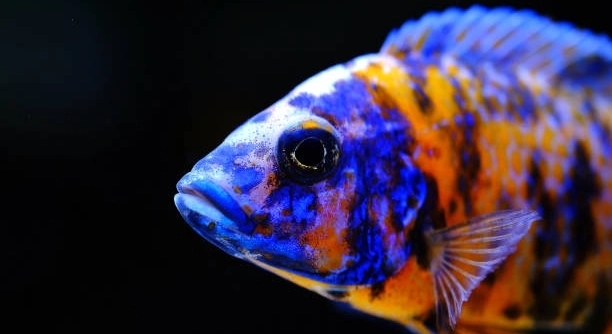
Convict cichlids are popular freshwater fish known for strong personalities and striking patterns, yet their housing needs often cause confusion among keepers aiming for stable tanks and reduced aggression in home aquariums and healthy environments.
Convict cichlids can be housed in pairs only under specific conditions, as bonded pairs may coexist peacefully. However, territorial behavior remains strong, requiring adequate tank size, careful monitoring, and compatible environments to minimize stress and conflict between adult breeding partners.
Tank setup, social dynamics, and breeding habits all influence outcomes, shaping whether paired housing supports long term balance and welfare.
Understanding Pair Behavior in Convict Cichlids
I have kept convict cichlids long enough to see how pairing changes their behavior inside the tank. When two fish form a bond, their focus shifts toward defending territory rather than constant chasing. This can reduce random aggression, but it does not remove it completely. Pairs claim caves, rocks, and surrounding space with confidence. They may tolerate each other well while becoming hostile toward anything nearby. Tank size plays a critical role here. Limited space increases stress and amplifies defensive responses. Adequate hiding areas allow each fish to retreat when tension rises. Filtration and stable water parameters also support calmer behavior. When conditions are balanced, paired convict cichlids display predictable routines, shared nesting duties, and coordinated movements that signal a stable bond rather than constant conflict. This balance makes daily observation easier and helps me manage feeding, maintenance, and minor disputes without constant intervention from outside the tank glass safely.
Even with a bonded pair, problems appear quickly if space is tight. I learned that small tanks magnify guarding behavior, leading to fin damage and exhaustion. Planning space before pairing prevents rushed changes later. It also reduces stress during spawning periods and keeps maintenance routines steady and manageable over time.
Pairing often leads to breeding, which changes priorities inside the tank. Eggs and fry become the center of attention, increasing defensive displays. I found this stage demands closer monitoring and consistent feeding. Removing other fish is often necessary to avoid losses. Decorations should stay stable to prevent stress. Lighting kept moderate supports calmer behavior. Water changes must remain regular but gentle. When breeding is managed carefully, the pair maintains structure without constant fighting. Ignoring this phase, however, usually results in aggression that feels sudden but is entirely predictable. Preparation makes these shifts easier to handle without unnecessary disruption at home.
When Pair Only Housing Works Best
Pair only housing works best in species focused setups with proper planning. I prefer this approach when tank size is generous, decor is fixed, and breeding behavior is expected. In these conditions, pairs show stability rather than constant tension. This reduces corrective actions and supports predictable daily care routines overall.
I avoid pair only housing in community tanks or cramped spaces. Convict cichlids are assertive by nature, and pairing intensifies that instinct. Without room to establish borders, stress builds quickly. I learned that even bonded fish can turn aggressive when environmental limits are reached. Larger tanks allow movement without constant confrontation. Hardscape placement helps define zones and lowers visual contact. Consistent feeding schedules reduce competition and keep energy focused. Observation matters more than intervention. Subtle changes in swimming patterns or color often signal rising tension. Acting early by adjusting layout or separating fish prevents injury. Pair only setups require commitment, patience, and realistic expectations. When approached thoughtfully, they can succeed. When rushed or underestimated, they create ongoing management issues. Understanding these limits helps keep both fish healthy and reduces unnecessary losses over time. I also consider my schedule before choosing this method. Regular checks are essential. Missed warning signs escalate quickly. Breeding cycles repeat often, increasing strain. Planning backups, such as spare tanks, provides security. This approach demands responsibility, but it rewards careful keepers with consistent behavior and fewer long term surprises. Over time, confidence grows through observation, preparation, and steady maintenance habits practiced at home by dedicated aquarium keepers.
Tank Size and Layout Requirements
Tank size determines whether pair only housing remains stable long term. I avoid anything under forty gallons because restricted space heightens guarding behavior. Open swimming areas combined with solid caves give each fish control without constant contact, reducing stress during daily activity and routine maintenance and overall tank harmony levels.
Layout matters as much as volume when housing a bonded pair. I place rocks to break sight lines and anchor territories. Flat stones near caves support spawning without clutter. Plants are optional but sturdy varieties help soften boundaries. I learned that frequent redecorating causes instability and renewed aggression. Once a layout works, I leave it unchanged. Filters should create steady flow without blasting nesting areas. Heaters must stay guarded. Every element should serve a purpose, allowing the pair to focus inward instead of reacting constantly to shifting surroundings. This approach has consistently improved long term stability for me at home.
Maintenance routines also influence success with paired convict cichlids. I stick to weekly water changes to limit waste buildup. Overfeeding increases aggression and water quality issues. I feed measured portions and remove leftovers quickly. Lighting stays moderate to avoid overstimulation. Observation is key. Changes in color, fin position, or hovering signal tension. When I notice early signs, I adjust flow or feeding rather than moving fish. Small corrections maintain balance. Consistency supports predictable behavior and reduces the need for emergency separation. This steady approach keeps conflicts manageable and prevents sudden escalations inside the tank during long term care periods consistently.
Managing Aggression and Breeding Cycles
Paired convict cichlids become most aggressive during breeding cycles. I expect this shift and plan around it. Defended areas expand, and tolerance drops. Keeping other fish out becomes necessary. I limit tank access during this time and avoid major maintenance. Calm conditions reduce unnecessary stress. Knowing these cycles helps me avoid mistakes that trigger fighting or injury within confined spaces where defensive instincts naturally intensify very quickly during repeated spawning periods over time alone consistently.
Spawning frequency can overwhelm unprepared setups. I have seen pairs breed repeatedly with little rest between cycles. This constant defense drains energy and raises aggression. Removing fry early can shorten defensive periods. Some keepers separate pairs temporarily to reset behavior. I prefer adjusting conditions first, such as lowering temperature slightly or increasing feeding quality. These changes slow spawning without harm. Backup tanks are essential. If aggression escalates, separation must happen quickly. Waiting too long risks injury. Managing breeding is not optional in pair only housing. It is part of maintaining control and protecting both fish. I learned this through mistakes and now plan every setup with long term breeding management in mind to prevent repeated stress, losses, and emergency tank changes later on at home.
Is Pair Only Housing Right for You
Pair only housing does not suit every keeper. I found it demanding when time was limited. Daily observation matters, and missed signs escalate fast. This setup works best for experienced keepers who enjoy monitoring behavior, adjusting conditions, and responding quickly without hesitation or frustration during conflicts inside closed aquarium systems.
I also consider long term commitment before choosing this method. Travel, schedule changes, and emergencies complicate care. Pair only tanks offer fewer margins for error. Planning support, spare equipment, and separation options ahead of time prevents rushed decisions that can harm fish and stability during stressful unexpected aquarium situations arising.
Water Quality and Stability
Water quality must remain stable to keep aggression manageable. I test parameters weekly and avoid sudden swings. Clean water supports clear behavior signals and steady energy. Poor conditions increase irritability and reduce tolerance. Filtration should match tank size and stocking. Consistent temperature matters. Skipped maintenance often triggers problems that appear behavioral but stem from environmental stress. Keeping conditions predictable allows the pair to settle into routines, making pair only housing easier to manage long term without constant corrective actions over time with less conflict and fewer emergency interventions overall while supporting consistent health and reliable daily observation patterns for keepers.
Feeding and Daily Care
Feeding routines influence behavior more than expected. I feed small portions twice daily to avoid competition. High protein foods support breeding but increase waste. Controlled feeding reduces tension and keeps water quality stable. Observing feeding responses helps detect stress before aggression escalates within confined paired aquarium environments over time consistently.
FAQ
Can convict cichlids live peacefully as a single pair long term?
Yes, they can live as a single pair long term when conditions are carefully controlled. I have seen pairs remain stable for years in well planned tanks. The key is space, structure, and consistency. A bonded pair focuses on territory rather than constant conflict. Problems usually appear when tank size is too small or layouts change often. Stability supports predictable behavior and lowers daily tension.
Is a larger tank really necessary for just two fish?
Absolutely. Even with only two fish, convict cichlids behave as if the tank is fully occupied. I learned that small tanks exaggerate defensive behavior. A larger tank gives room for retreat, reduces constant eye contact, and supports natural movement. This space is essential during breeding periods when aggression increases sharply.
Should other fish ever be added to a pair only setup?
I do not recommend it. Adding other fish usually increases stress and triggers aggression. Even fast or armored species become targets. I found that community attempts often end in injury or constant chasing. Pair only housing works best when the pair controls the entire environment without competition.
How do I know if my pair is bonded?
Bonded pairs swim together, defend the same area, and tolerate close contact. I watch for shared cave use and coordinated movement. If fish constantly chase each other or remain on opposite sides, bonding has not occurred. Forced pairing rarely works. Natural bonding takes time and observation.
What signs show aggression is becoming a problem?
Torn fins, darkened color, hiding, and rapid darting are early signs. I pay close attention to hovering near corners or constant flaring. These behaviors usually appear before injuries. Acting early by adjusting conditions prevents escalation and reduces the need for separation.
Does breeding always increase aggression?
Yes, breeding increases aggression every time. Eggs and fry trigger strong defense responses. I plan for this phase rather than reacting to it. Reduced maintenance, stable decor, and predictable feeding help manage these periods. Ignoring breeding behavior leads to sudden and intense conflict.
Should fry be removed immediately?
It depends on goals. I remove fry early when I want to shorten defensive behavior. Leaving fry in place extends aggression. For keepers focused on stability, removal is often the better choice. Planning ahead avoids rushed decisions during peak aggression.
Can paired convict cichlids be separated later if needed?
They can, but separation should be a last option. I always keep a backup tank ready. Once separated, reintroducing them often fails. This is why planning matters before committing to pair only housing. Emergency separation is safer than waiting through escalating conflict.
How often should water changes be done?
Weekly water changes work best for me. Clean water supports calm behavior and clear signals. Skipping maintenance often leads to irritability that looks behavioral but stems from stress. Consistency matters more than volume. Sudden changes cause instability.
Does lighting affect behavior in paired setups?
Yes, strong lighting increases activity and tension. I keep lighting moderate and consistent. Sudden changes trigger defensive responses. Stable light cycles support routine and predictable behavior, which is critical in pair only tanks.
What role does feeding play in aggression control?
Feeding plays a major role. Overfeeding increases waste and tension. I stick to measured portions and remove leftovers. Feeding at the same times daily builds routine and reduces competition. Watching feeding behavior also helps spot stress early.
Are convict cichlids suitable for beginners in pair only setups?
I do not recommend this setup for beginners. Pair only housing demands observation, preparation, and quick response. Beginners often underestimate breeding behavior and aggression cycles. Experience makes it easier to read subtle changes and act before problems grow.
What mistakes cause pair only setups to fail most often?
Small tanks, frequent redecorating, skipped maintenance, and adding tank mates cause most failures. I made these mistakes early and learned that simplicity works best. Stable layouts, consistent care, and realistic expectations lead to better outcomes.
Is pair only housing more rewarding than community tanks?
For me, yes, but only with preparation. Watching bonded behavior and shared routines is rewarding. However, it requires commitment. Without planning, it becomes stressful. Understanding limits makes this setup manageable and satisfying over time.
Final thoughts on pair only housing for convict cichlids come down to preparation, consistency, and honest expectations. This setup is not complicated, but it is demanding in quiet ways. Space, layout, and routine matter more than decorations or equipment upgrades. When these fish are given room and structure, their behavior becomes easier to read and manage. Ignoring those basics leads to tension that builds slowly and then surfaces all at once. I have learned that most problems do not appear suddenly. They develop through small choices, such as skipped maintenance or rushed changes. Pair only housing rewards keepers who value stability and notice patterns over time. It also requires accepting that breeding behavior is not optional. Planning for it from the start removes much of the stress that often surprises people later.
This type of setup works best when the keeper enjoys observation as much as action. Pair only tanks are not passive displays. They require attention to movement, color changes, and subtle shifts in territory use. These details signal whether conditions remain balanced. When handled correctly, the tank settles into a predictable rhythm. Feeding, cleaning, and monitoring become routine rather than reactive. I find that this rhythm reduces the need for constant adjustments. The fish respond well to consistency and reward it with stable behavior. Problems tend to arise when expectations are mismatched, especially when pair only housing is chosen for convenience rather than intent. This approach is not easier than other setups. It is simply different and more focused.
Choosing pair only housing also means accepting limits. Not every tank, schedule, or keeper is suited for it. There is little room for neglect or improvisation once aggression increases. Backup plans, spare equipment, and time availability are not extras. They are necessities. I have learned that planning for worst case scenarios makes daily care feel lighter, not heavier. When those plans exist, small issues stay small. Pair only housing can be deeply rewarding when approached with patience and realism. It offers insight into behavior that is often hidden in mixed tanks. For those willing to commit, it provides a structured and controlled way to keep convict cichlids while maintaining their health and reducing unnecessary stress.

Hello,
If you enjoy the content that we create, please consider saying a "Thank You!" by leaving a tip.
Every little bit helps us continue crafting quality advice that supports the health, happiness, and well-being of pets around the world, for pets of all shapes, sizes, and species.
We really appreciate the kindness and support that you show us!