
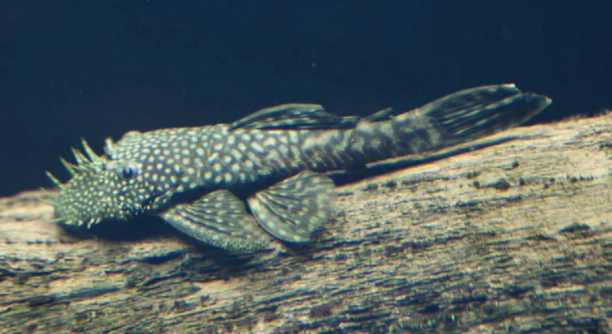
Keeping fish in a bowl might seem like a simple solution for pet owners, but it’s important to consider the needs of the species. Different fish have different care requirements that impact their well-being and growth.
Plecos should not be housed in a bowl. They require a larger space with proper filtration and room to grow. A bowl is too small for their size, and it does not provide the necessary water conditions for their health.
Understanding the unique needs of a pleco will help you provide a better environment for your fish. Proper care involves more than just choosing the right tank size.
Why Bowls Are Not Suitable for Plecos
Plecos are known for growing quite large, with some species reaching lengths up to 24 inches. A bowl, however, simply doesn’t offer enough space for a fish of this size. Not only does the small space restrict their movement, but it also limits their ability to explore their environment. Plecos are bottom dwellers that enjoy roaming around and scavenging for food. In a confined bowl, they will be unable to engage in their natural behaviors, which can lead to stress and health issues.
A tank is much better suited to a pleco’s needs. It gives them room to swim, explore, and find hiding spots, which are essential for their well-being. Without proper space and stimulation, plecos may exhibit signs of distress like loss of appetite or abnormal swimming patterns.
Additionally, the lack of filtration in a bowl means that waste quickly builds up in the water. Plecos produce a lot of waste, and without filtration, the water quality can degrade rapidly, leading to poor health for the fish.
The Impact of Water Conditions
Water quality is another critical factor when caring for a pleco. In a bowl, maintaining stable water conditions is difficult. Bowls have limited volume, which means the water temperature and pH can fluctuate quickly. Plecos require specific water parameters to thrive, such as a slightly acidic to neutral pH and a stable temperature.
A filtration system, common in larger tanks, helps maintain the water quality by removing debris and toxins, ensuring the water stays cleaner for longer. Without this, your pleco will not only face poor water conditions, but the tank may also become a breeding ground for harmful bacteria. Proper filtration is crucial for the long-term health of any fish.
Size and Space Requirements
Plecos are active fish and need space to swim. When they are confined to a bowl, they can become stressed due to the lack of room to explore. Stress can lead to a weakened immune system, making them more susceptible to disease. Furthermore, plecos are messy eaters and produce a lot of waste. Without a filtration system, the water can quickly become toxic. The size of the tank should ideally be at least 30 gallons for smaller pleco species, with larger tanks recommended for bigger varieties.
With the right space and water conditions, plecos can live healthy and fulfilling lives. They also need hiding places, which can be achieved by adding rocks, plants, and other aquarium decorations.
Health Risks in a Bowl Setup
Bowl setups can cause serious health issues for plecos. Without the space they need, these fish can experience stunted growth, difficulty breathing, and even early death. A larger tank ensures they have room to grow properly and move around freely. Moreover, a tank allows for proper filtration, which keeps the water clean.
Water quality plays a huge role in preventing diseases like fin rot, swim bladder disease, and other infections. When plecos are housed in small bowls, it becomes much harder to keep the water quality stable, leading to health problems over time. This can significantly reduce their lifespan.
A proper tank setup also includes the right temperature and pH balance, which is challenging to maintain in a bowl. Plecos need a consistent environment to stay healthy, and that is simply not possible in a small, unfiltered space.
Why Proper Tank Size Matters
The size of the tank directly affects your pleco’s health and happiness. A small bowl doesn’t offer enough space to swim and thrive. Plecos need room to move around, forage, and even hide when feeling stressed. Without enough space, they can become anxious or unhealthy.
A larger tank allows for better water circulation and gives your pleco more space to explore. This helps reduce stress and allows the fish to feel secure. Plecos also grow quite large, so providing them with the right space prevents stunted growth and other health issues. A 30-gallon tank is the minimum for a small pleco, but larger sizes are ideal for larger species.
The more space you provide, the easier it is to maintain stable water conditions. With a larger tank, the water quality fluctuates less, creating a healthier environment. In the long run, this will save you from dealing with potential health problems caused by poor water conditions.
The Role of Filtration Systems
Filtration systems are essential when keeping plecos in an aquarium. They help maintain clean water by removing excess waste and debris. Plecos produce a lot of waste, and without filtration, toxins build up quickly. This can lead to poor water quality, which stresses the fish.
A filtration system removes harmful substances and ensures oxygen-rich water. Without it, the pleco may suffer from low oxygen levels, poor water clarity, and higher risks of disease. Proper filtration is key to maintaining healthy living conditions. Make sure to choose a filter suitable for the size of your tank.
Regularly cleaning the filter and replacing parts ensures it continues working effectively. A good filtration system keeps the water stable and reduces the frequency of water changes. This results in a cleaner, healthier environment for your pleco, ultimately improving its quality of life.
The Importance of Water Temperature
Plecos are sensitive to changes in water temperature. In a small bowl, it’s difficult to maintain a consistent temperature. Sudden temperature shifts can cause stress or even death. A proper tank setup with a heater ensures the water stays at a stable temperature, promoting the pleco’s health.
Plecos thrive in temperatures between 74°F and 80°F. Without proper temperature control, the fish can become sluggish or more susceptible to diseases. A reliable heater helps maintain this range, creating a stable environment for your pleco to live in. Stability in water temperature is crucial for long-term health.
Proper Water pH and Hardness
Plecos require a specific water pH and hardness to thrive. Most species prefer slightly acidic to neutral water (pH 6.5-7.5). A bowl makes it challenging to maintain consistent pH levels, which can lead to stress and health problems. Properly testing and adjusting pH is easier in a tank.
Maintaining water hardness is equally important. Plecos prefer soft to moderately hard water. In small, closed systems like bowls, pH and hardness fluctuate more easily. A tank with a good filtration system helps stabilize these conditions, ensuring your pleco remains healthy. Regular testing ensures water quality stays optimal.
Hiding Spots and Decorations
Plecos need places to hide and feel secure. In a bowl, there is little room for decorations or hiding spots. Plecos are naturally shy and will benefit from caves, plants, or rocks in their environment. A tank setup allows you to provide these essential elements.
Adding rocks, driftwood, and plants not only creates hiding spaces but also mimics a natural habitat. This reduces stress and makes your pleco feel more comfortable. Giving your fish these elements promotes healthier behavior and helps maintain a more natural environment, where they can thrive.
FAQ
Can plecos live in a bowl?
No, plecos cannot live in a bowl. Bowls are too small to meet the needs of a pleco. They require much more space to swim, explore, and grow. A bowl limits movement and doesn’t allow for proper filtration, making it impossible to maintain good water quality. This can lead to health problems for the fish.
How big of a tank does a pleco need?
A small pleco requires at least a 30-gallon tank. Larger species will need even bigger tanks, sometimes 75 gallons or more. Plecos grow quickly and can reach significant sizes, so providing a larger tank is essential for their well-being. It also helps maintain better water conditions and reduces stress.
What do plecos eat?
Plecos are primarily herbivores but will also consume some protein. They graze on algae, but you should also feed them sinking pellets, vegetables like zucchini, and occasional protein sources like bloodworms or brine shrimp. A balanced diet is essential for their health. Regularly offering fresh veggies and algae-based food helps them thrive.
Can plecos live with other fish?
Yes, plecos can live with other fish, but it’s important to choose tankmates wisely. They are generally peaceful but can become territorial. Avoid placing them with aggressive fish or species that are small enough to be considered prey. Peaceful community fish like tetras, guppies, and angelfish work well with plecos.
How often should I clean a pleco’s tank?
A pleco’s tank should be cleaned regularly to maintain water quality. You should perform partial water changes (around 20-30%) weekly to keep the water fresh. Additionally, clean the substrate, remove debris, and check the filter for any build-up. Regular cleaning prevents toxins from accumulating and keeps your pleco healthy.
Do plecos need aeration?
Plecos do not need an aeration system if your tank is large enough and has a good filtration system. A filter that provides surface agitation should be enough to maintain proper oxygen levels. However, in small tanks or bowls, the lack of water movement can result in low oxygen levels, which can harm your pleco.
Can plecos live in cold water?
Most plecos are tropical fish and require warm water to thrive. They prefer temperatures between 74°F and 80°F. Cold water can slow down their metabolism and make them susceptible to diseases. If you live in a colder climate, make sure you provide a heater to maintain the proper temperature for your pleco.
Why is my pleco swimming at the surface?
If your pleco is swimming at the surface, it may be seeking more oxygen or trying to get away from stressors in the tank. Low oxygen levels or poor water quality could be a problem. Check your filter and water conditions. It could also indicate that the pleco is unhappy with its environment.
How can I tell if my pleco is stressed?
Signs of stress in a pleco include erratic swimming, hiding more than usual, loss of appetite, or unusual behavior. Stressed plecos can also develop health problems like fin rot or white spots. Ensure the tank is properly sized, with good water quality, temperature, and a stress-free environment to keep your pleco comfortable.
How long do plecos live?
Plecos can live for 10 to 15 years in proper care. Their lifespan can vary depending on their species, diet, water quality, and overall care. By providing the right environment and maintaining good water conditions, you can help your pleco live a long, healthy life.
Can I use tap water for my pleco’s tank?
You can use tap water, but you must treat it first to remove chlorine, chloramine, and other chemicals that can harm your pleco. A water conditioner is necessary to make the tap water safe. Test the water’s pH, hardness, and temperature before adding your pleco to ensure it’s suitable.
Do plecos need a heater?
Yes, plecos generally need a heater in their tank to maintain a consistent warm temperature. Without one, the water can drop too low, especially during cooler months, which can negatively affect their health. A heater helps maintain a temperature range of 74°F to 80°F, which is ideal for plecos.
Why is my pleco turning brown?
A pleco turning brown could be a sign of stress, poor water conditions, or a nutritional deficiency. Brown coloration is also common in plecos as they mature, especially if they are exposed to algae or certain foods. If the discoloration is sudden or paired with other symptoms, check the water quality and diet.
What type of substrate is best for plecos?
Plecos prefer a soft, sandy substrate to avoid injuring their delicate undersides. They like to dig and burrow, and a fine-gravel or sand bottom allows them to do this naturally. Avoid sharp-edged substrates, as they can cause scratches or wounds on your pleco’s body.
Why is my pleco not eating?
If your pleco is not eating, it could be due to stress, poor water conditions, or illness. Check the water quality, temperature, and tankmates to make sure everything is optimal. If your pleco is newly introduced to the tank, it may take time to adjust to the new environment.
Final Thoughts
Keeping a pleco in a bowl is not a suitable option for their long-term care. Bowls are too small to provide the necessary space for these fish, which can grow quite large and need room to move. Plecos are active swimmers and scavengers, and they require a tank with plenty of space to thrive. Without enough room to explore, they can become stressed, which can affect their health. A proper-sized tank with good filtration ensures they can swim freely and live a happier, healthier life.
It is also important to consider the water conditions when housing a pleco. They are sensitive to changes in temperature, pH, and oxygen levels, and a small bowl makes it nearly impossible to maintain these factors. A larger tank with a filtration system helps stabilize water quality and creates an environment where plecos can live more comfortably. Filtration removes waste and toxins, keeping the water clean and safe. Without filtration, waste accumulates quickly in a bowl, leading to poor water quality that can harm your pleco.
In summary, while a bowl may seem like an easy option, it simply doesn’t meet the needs of a pleco. Providing a tank with enough space, proper filtration, and stable water conditions is essential for the health and well-being of these fish. By investing in a suitable tank, you’ll ensure that your pleco lives a long, happy life. A little extra care in setting up the right environment will make all the difference in your pleco’s health and happiness.

Hello,
If you enjoy the content that we create, please consider saying a "Thank You!" by leaving a tip.
Every little bit helps us continue crafting quality advice that supports the health, happiness, and well-being of pets around the world, for pets of all shapes, sizes, and species.
We really appreciate the kindness and support that you show us!