
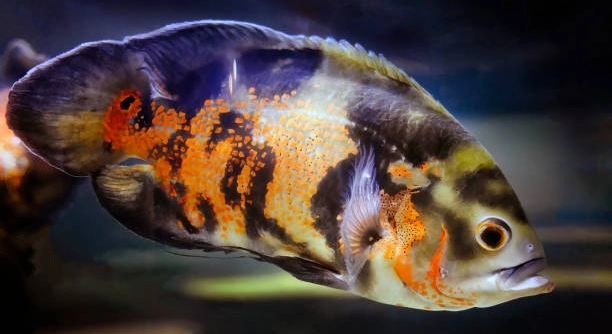
Raising convict cichlid fry can be an exciting experience for fish enthusiasts who enjoy observing the early stages of life in their aquarium. Many hobbyists find themselves drawn to the challenge of hand-feeding these tiny, delicate fry.
Hand raising convict cichlid fry is possible but requires careful attention to their diet, water quality, and tank environment. Consistent feeding with appropriate microfoods and maintaining optimal conditions is essential for their healthy growth and survival.
Learning the proper techniques can help ensure the fry thrive while minimizing stress. Understanding these basics sets the foundation for successful hand-rearing practices.
Preparing to Hand Raise Convict Cichlid Fry
Before starting, it’s important to prepare a safe and controlled environment. A small separate tank works best to reduce stress and prevent other fish from eating the fry. The water should be clean, well-aerated, and kept at a stable temperature around 78–82°F. Using a sponge filter can provide gentle filtration without sucking up the tiny fry. You should remove any uneaten food promptly to prevent water quality issues. Light feeding several times a day is necessary since fry have small stomachs and high energy needs. Foods like freshly hatched brine shrimp or finely crushed flake food are ideal. Monitoring their growth daily helps catch early signs of stress or illness. Keeping the tank quiet and avoiding sudden movements around it will reduce fry stress. Consistency in care is more important than the quantity of food provided.
Maintaining stable water conditions is critical for fry survival and healthy development.
Hand raising fry requires patience and careful observation. It’s a detailed process, but seeing them grow successfully is rewarding. Attention to feeding, water quality, and temperature control ensures that fry develop properly, while minimizing losses. You’ll quickly learn to recognize normal behavior versus stress indicators. Early-stage fry need constant care, and any lapses can lead to slowed growth or health problems. Tracking feeding amounts and adjusting based on activity levels helps maintain optimal development. Even small mistakes can have noticeable effects, so diligence is necessary. Overfeeding or poor water conditions are common issues that can easily be prevented with simple routines. Regularly inspecting the tank for debris, uneaten food, or water parameter changes keeps the environment safe. Using proper equipment like fine nets, small containers, or turkey basters for feeding can make the process more manageable. The goal is to provide a stable, nurturing environment that supports steady growth while allowing you to observe natural behaviors. Maintaining this balance increases survival rates and prepares fry for eventual transfer to larger tanks.
Feeding Techniques for Convict Cichlid Fry
Frequent, small feedings are key to healthy fry development.
Start with tiny, high-protein foods such as baby brine shrimp or micro-pellets. Gradually introduce finely crushed flake foods as they grow. Use a dropper or small spoon to avoid overfeeding. Observe their feeding behavior and adjust portions carefully. Consistency helps prevent stress. Rotate food types to ensure balanced nutrition, supporting growth and coloration. Keep feeding intervals regular and maintain a clean environment. Avoid sudden changes in diet to reduce digestive issues. Monitoring the fry during feeding helps detect weak or slow-moving individuals early.
Providing the right feeding schedule directly impacts their survival. Initially, feed the fry 4–6 times daily, offering only what they can consume in a few minutes. Overfeeding can lead to rapid water pollution and stress. Gradually reduce frequency as fry grow and can handle larger meals. Ensure that each feeding consists of easily digestible, high-quality food to promote healthy growth and prevent malnutrition. Using live food stimulates natural hunting behavior, while powdered or finely crushed flake food provides essential nutrients. Water changes before or after feeding help maintain water quality and prevent harmful buildup. Rotate different food types to prevent dietary deficiencies, ensuring proper coloration, strength, and activity. Feeding consistently also allows you to monitor fry behavior closely, identifying any health concerns early. With patience, careful observation, and structured feeding practices, fry can grow into strong, healthy juvenile convict cichlids ready for introduction to the main tank.
Monitoring Fry Health
Regular observation is necessary to catch early signs of illness or stress. Watch for unusual swimming, faded colors, or lethargy. Prompt action can prevent minor issues from becoming fatal. Maintaining clean water and proper feeding supports overall health.
Healthy fry should be active, alert, and responsive to food. Watch for consistent growth and normal swimming patterns. Any curling, floating, or listless behavior may indicate water quality problems or dietary deficiencies. Keep a record of feeding schedules, water changes, and temperature to identify patterns affecting health. Treating minor issues quickly helps maintain survival rates. Avoid overcrowding to reduce stress and aggression, especially as fry grow and compete for space.
Some minor illnesses can be managed with water adjustments or temporary isolation. Quarantining sick fry prevents spreading disease. Using gentle remedies like diluted aquarium salt or mild anti-parasitic treatments can help restore balance. Observation remains the most effective method to ensure early intervention.
Transitioning Fry to Main Tank
Start by acclimating fry gradually to the main tank’s water conditions. Sudden changes can shock them, impacting survival.
Move a few fry at a time into a prepared section of the main tank. Match temperature and water parameters closely to prevent stress. Slowly increase exposure over several hours or days. Monitor interactions with older fish to avoid aggression. Provide hiding spots and small plants to offer security during the transition. Observe feeding habits and growth rates after transfer to ensure adaptation. Removing leftover food quickly prevents water deterioration. Proper timing and careful handling reduce mortality and encourage healthy integration.
Using a small net or container, gently transfer fry to reduce injury risk. Avoid sudden movements or splashing. Keep their original tank water in the transport container to maintain stability. Observe the fry continuously after placement in the main tank. Check for bullying or chasing from adult fish, and be ready to provide additional hiding spaces if needed. Feeding small amounts frequently helps fry adapt while establishing confidence in the new environment. Gradually increase exposure to open areas as they grow stronger. This method reduces stress and improves survival rates, ensuring fry continue healthy growth alongside larger fish.
Tank Setup for Fry
A small, separate tank is best for raising fry. Keep water clean and well-aerated. Add gentle filtration and hiding spots using plants or small decorations. Stable temperature around 78–82°F is ideal. Avoid overcrowding to reduce stress and prevent competition for food.
Lighting should be moderate, not too bright. Fry need calm surroundings with minimal disturbances. Ensure easy access to food without overfeeding. Regular water changes maintain quality and reduce risk of illness. Simple decorations or floating plants give security and encourage natural behavior. Observing fry daily helps spot early health or growth issues.
Water Quality and Maintenance
Frequent water changes are essential to maintain optimal conditions. Remove uneaten food and monitor ammonia, nitrite, and nitrate levels. Temperature should remain stable, and pH kept consistent. Good water quality prevents disease and supports proper growth, behavior, and feeding.
Recognizing Fry Growth Stages
Fry develop quickly, and monitoring size and behavior is important. Early stages require microfoods, later stages can handle larger particles. Growth can be uneven, so careful observation ensures proper feeding and space. Changes in coloration indicate maturity and overall health.
Common Mistakes to Avoid
Overfeeding, sudden water changes, and overcrowding are the main causes of fry stress. Avoid these to ensure survival and steady growth.
FAQ
Can convict cichlid fry survive without hand feeding?
Yes, fry can survive without hand feeding if left with their parents in a safe tank. Parent fish often provide protection and guide them to food. However, survival rates may be lower, and fry may grow slower compared to careful hand-rearing. Hand feeding ensures each fry receives adequate nutrition.
How often should I feed hand-raised fry?
Fry need frequent, small feedings because their stomachs are tiny. Typically, 4–6 feedings a day are recommended during early stages. Offer only what they can eat in a few minutes to avoid water pollution. As they grow, feeding frequency can gradually decrease while portion size increases.
What type of food is best for convict cichlid fry?
Freshly hatched brine shrimp is ideal for early-stage fry. Other options include finely crushed flake food, micro-pellets, and specialized fry powders. Rotating food types ensures balanced nutrition, promoting healthy growth, proper coloration, and strong development. Avoid large particles that fry cannot consume.
Can fry share a tank with adult fish?
It’s risky to place fry with adult fish immediately. Adults may see them as food. If integration is necessary, use a separate section or a breeding net inside the main tank. Provide hiding spaces and gradually acclimate fry to reduce stress and prevent injury.
How do I know if fry are healthy?
Healthy fry are active, swim normally, and respond quickly to food. Consistent growth, bright coloration, and alert behavior are good signs. Lethargy, fading color, or erratic swimming may indicate stress, disease, or water issues. Early intervention improves survival.
How often should I change water for fry?
Small, frequent water changes are best. Changing 10–20% daily helps maintain clean water and stable conditions. Always use dechlorinated water with similar temperature and pH to avoid shocking the fry. Monitoring water parameters regularly is crucial to prevent ammonia or nitrate spikes.
When can fry eat larger food?
Fry can start eating larger particles after a few weeks, once their mouths grow and digestive systems strengthen. Slowly introduce finely crushed flakes or small pellets. Observe their ability to consume new foods and adjust portions accordingly to avoid leftover waste.
Can fry grow without live food?
Yes, fry can grow without live food, but growth may be slower. High-quality powdered or finely crushed flake foods can provide necessary nutrients. Live food stimulates natural hunting behavior and encourages active feeding, so combining both types often yields the best results.
Is it necessary to remove fry from the breeding tank?
It’s not always necessary. Parents may protect fry effectively, but removing them can reduce risk from aggression or overcrowding. A separate fry tank allows more control over feeding, water quality, and observation, which can increase survival and growth rates.
How do I prevent fry from overcrowding?
Use a tank appropriate for the number of fry. Avoid placing too many in a small space, as this increases stress, reduces water quality, and encourages competition. Add hiding spots and monitor growth to rehome or separate fry as needed.
How long does it take for fry to become juveniles?
Convict cichlid fry typically reach juvenile stage in 6–8 weeks, depending on feeding, water quality, and tank conditions. Growth varies, so consistent observation ensures they develop properly and reach the stage where they can handle larger foods and more space.
What signs indicate fry are ready for the main tank?
Fry are ready when they swim actively, eat larger foods, and display proper coloration. Size should be sufficient to avoid being eaten by adults. Gradual acclimation to water conditions and the presence of hiding spots reduces stress during the transfer.
How do I handle sick fry?
Isolate sick fry in a separate container to prevent disease spread. Check water quality and feeding routines. Mild treatments like diluted aquarium salt or anti-parasitic solutions can help. Observation and prompt action are key to recovery.
Can I overfeed convict cichlid fry?
Yes, overfeeding leads to water pollution, stress, and health issues. Provide only what fry can consume in a few minutes. Remove leftovers and maintain a feeding schedule. Proper portion control promotes steady growth and a clean, safe environment.
How important is hiding space for fry?
Hiding spots reduce stress, prevent aggression, and mimic natural environments. Use plants, small decorations, or floating materials to give fry security. This helps them feel safe while learning to feed and swim, supporting healthy development and higher survival rates.
Should I adjust temperature for fry growth?
Maintaining a stable temperature between 78–82°F is ideal. Slight increases may encourage faster growth, but sudden changes can stress fry. Consistency is more important than high heat, as stable conditions promote healthy development and reduce disease risk.
How long should fry stay in the separate tank?
Fry should remain in a separate tank until they are large enough to handle competition and stress in the main tank. Typically, 6–8 weeks is sufficient, but observe growth, activity, and feeding ability before transferring them safely.
Can fry survive in untreated water?
No, untreated water often contains chlorine, heavy metals, or unstable pH levels, which are harmful to fry. Always use dechlorinated water with stable parameters to ensure proper growth, survival, and overall health.
Is it normal for fry to grow at different rates?
Yes, growth differences are common. Some fry are naturally faster or slower. Provide consistent feeding and monitor water conditions to minimize disparities. Separate unusually small or weak fry if needed to ensure they receive enough nutrition.
What equipment is essential for hand raising fry?
A small tank, gentle filtration, thermometer, sponge filter, feeding tools, and water test kits are essential. Plants or decorations for hiding help reduce stress. These tools make daily care easier and support proper growth, health, and survival.
How do I prevent water contamination during feeding?
Offer small portions and remove uneaten food quickly. Avoid spilling excessive particles and use clean feeding tools. Regular water changes and monitoring prevent ammonia or nitrate spikes, keeping fry safe and healthy.
Can fry handle fast-flowing water?
No, strong currents can stress fry and hinder feeding. Use gentle filtration to maintain oxygen levels without creating turbulence. Calm water allows fry to feed easily and conserve energy for growth.
Are there long-term benefits to hand raising fry?
Hand raising fry allows control over nutrition, health, and environment. This can improve survival rates, faster growth, and stronger, more colorful fish. Observing fry closely also helps recognize behavior patterns and early signs of issues.
How can I tell if fry are stressed?
Signs include lethargy, hiding excessively, erratic swimming, faded coloration, or refusing food. Stress often results from poor water conditions, overcrowding, or sudden changes. Quick adjustments improve their well-being.
Is lighting important for fry growth?
Moderate lighting encourages normal activity and feeding but avoid strong light that can stress fry. Natural day-night cycles or soft artificial lighting supports healthy growth and development without causing agitation.
How often should I test water parameters?
Test water at least every few days, or more frequently during early stages. Monitor ammonia, nitrite, nitrate, pH, and temperature. Stable parameters reduce risk of disease and support steady fry growth.
Can fry survive with minimal care?
Minimal care reduces survival chances. Proper feeding, water maintenance, and observation are necessary. Even small lapses can lead to stunted growth, illness, or death. Consistent care is critical for healthy, thriving fry.
How do I prevent fungus or disease outbreaks?
Maintain clean water, avoid overfeeding, and isolate sick fry. Using dechlorinated water and gentle filtration reduces contamination risk. Early detection and treatment of minor issues prevent larger outbreaks.
Is it possible to hand raise multiple batches of fry simultaneously?
Yes, but it requires careful management. Separate tanks, consistent feeding, and close observation are necessary. Overlapping batches increase workload but can be done successfully with planning and routine care.
Can fry survive temperature fluctuations?
Sudden temperature changes can shock fry, slow growth, or cause death. Keep water temperature stable, using heaters or thermometers as needed to maintain an even environment. Gradual adjustments are safer than abrupt changes.
What is the ideal tank size for fry?
Small tanks, 10–20 gallons, are suitable for initial raising. Space should allow for hiding spots and feeding access without overcrowding. Larger tanks may be used as fry grow, but smaller tanks are easier to manage for young fish.
How can I improve fry survival rates?
Provide stable water, frequent small feedings, hiding spots, and careful observation. Avoid overcrowding, sudden changes, and overfeeding. Gradual acclimation to new foods and tanks improves survival while encouraging healthy growth.
Are there risks in hand raising fry?
Yes, improper feeding, poor water quality, or sudden environmental changes can harm fry. Consistent care and monitoring minimize these risks, supporting successful growth and healthy development.
How long until fry reach adult coloration?
Convict cichlid fry typically show adult coloration after 3–4 months, depending on diet, water quality, and overall health. Patience and proper care during growth stages are essential to reach vibrant adult colors.
Can fry be raised entirely on prepared foods?
Yes, prepared powdered or crushed foods can sustain fry if nutrient-rich. Live foods improve growth rate and activity, but prepared foods are a viable option for controlled feeding. Consistency is key.
Should fry tanks have a heater?
A heater ensures stable temperatures, especially in cooler climates. Stable warmth supports metabolism, growth, and immune function. Avoid overheating; maintain 78–82°F for optimal development.
Is manual observation necessary every day?
Daily observation helps detect illness, stress, or feeding issues early. Even small changes can indicate problems. Consistent monitoring supports higher survival and better growth outcomes for fry.
Can fry survive in tap water?
Not without treatment. Tap water often contains chlorine, chloramine, or heavy metals. Always use dechlorinated or conditioned water with stable parameters to avoid harming fry.
Are plants necessary in fry tanks?
Plants provide hiding spots, reduce stress, and help maintain water quality. Floating or small rooted plants give fry security while allowing swimming and feeding freely.
How soon can fry swim freely in the tank?
Fry begin active swimming within a few days of hatching. They may still need hiding spots and calm conditions. Gradual exposure to larger areas improves strength and coordination over time.
What are signs of successful hand raising?
Active swimming, steady growth, proper coloration, and responsiveness to food indicate success. Minimal stress, low mortality, and smooth transition to the main tank confirm healthy development.
Can fry handle sudden light changes?
No, sudden bright light can stress fry. Gradually increase lighting to simulate day-night cycles. Soft, consistent light supports natural behavior and feeding patterns.
Should I remove leftover food immediately?
Yes, uneaten food pollutes water and encourages harmful bacteria or fungus. Remove leftovers promptly to maintain water quality and prevent stress or illness in fry.
How long do I need to observe fry before transferring?
Monitor growth, behavior, and feeding ability for several weeks. Fry should be strong, active, and able to handle larger foods before safe transfer to the main tank.
Are fry sensitive to noise or movement?
Yes, excessive noise or vibrations can stress fry. Keep tanks in a calm area and avoid sudden movements around the tank to ensure steady growth and proper feeding.
Can fry survive in low oxygen conditions?
No, oxygen is critical for survival. Use gentle aeration or sponge filters to maintain adequate oxygen levels, especially in small, densely stocked tanks.
Is quarantine necessary for new fry?
Quarantine isn’t always required but can prevent disease spread if introducing fry to a main tank with other fish. Observation and gradual acclimation reduce risk.
How do I track fry growth effectively?
Use visual checks, measure a sample of fry periodically, and note feeding response and activity levels. Tracking growth identifies slower or weaker fry needing extra care.
Can fry be overexposed to light?
Yes, too much light can stress fry and encourage algae growth. Maintain moderate lighting to balance visibility, natural behavior, and tank hygiene.
How long do fry need specialized food?
Specialized foods are needed during early stages, usually the first 3–4 weeks. As fry grow, gradually introduce larger or crushed flake foods suitable for juveniles.
Can fry be hand-fed with a syringe?
Yes, a small syringe or dropper works for precise feeding. Avoid forceful squirting, which may stress or injure fry. Gentle, controlled delivery ensures proper nutrition.
Is water hardness important for fry?
Moderate hardness supports healthy development. Extreme soft or hard water can affect growth, coloration, and survival. Test water and maintain stable parameters for consistent results.
What is the best way to clean a fry tank?
Perform small, frequent water changes, remove debris, and avoid disturbing fry. Use gentle filtration and keep decorations clean without removing fry unnecessarily. Consistent maintenance prevents disease and supports growth.
Can fry survive with only one type of food?
Yes, but diversity improves growth, health, and coloration. Combining live, powdered, or finely crushed foods provides complete nutrition and reduces the risk of deficiencies.
Are there common mistakes beginners make?
Overfeeding, poor water quality, sudden temperature changes, and overcrowding are frequent mistakes. Awareness and consistent care help avoid these issues and improve fry survival and development.
How can I reduce fry stress during tank cleaning?
Use gentle water changes, minimal disruption, and soft movements around the tank. Provide hiding spaces and avoid sudden changes to maintain a calm environment.
Do fry need supplemental vitamins?
High-quality foods usually provide sufficient nutrients. Supplements may help weak or slow-growing fry but are not always necessary if diet is balanced.
How long before fry are independent?
Typically, fry can feed independently and handle moderate water conditions after 4–6 weeks. Continued observation ensures steady growth and readiness for main tank introduction.
Can fry handle strong currents from filters?
Strong currents can tire or stress fry. Use gentle filtration like sponge filters to maintain oxygen without overwhelming small fry.
How do I know if fry are overfed?
Uneaten food, cloudy water, sluggish behavior, or digestive issues indicate overfeeding. Adjust portions and monitor consumption closely to maintain clean water and healthy fry.
Is tank size more important than water changes?
Both matter, but water quality has a larger impact. Even in small tanks, frequent water changes and proper maintenance ensure survival. Proper space prevents overcrowding and reduces stress.
Can fry survive in unheated tanks?
Cool water slows metabolism and growth. If temperature drops below optimal range, fry may become weak or die. Heaters maintain stable conditions and improve survival.
Are fry aggressive toward each other?
Fry may compete for food but usually aren’t aggressive early on. Overcrowding or lack of hiding spots can increase aggression, so maintain space and adequate nutrition.
How can I prevent fungal infections?
Clean water, proper feeding, and isolation of sick fry prevent fungus. Avoid overfeeding and maintain stable conditions to reduce risk of infection.
Do fry need special lighting cycles?
A normal day-night cycle supports natural feeding and activity. Excessive artificial light can stress fry or promote algae growth, so maintain moderate, consistent lighting.
Is hand raising fry time-consuming?
Yes, hand raising requires frequent feeding, monitoring, and maintenance. It demands patience but results in higher survival, better growth, and stronger fry ready for the main tank.
Can fry adapt to tap water after hatching?
Only with gradual acclimation. Sudden exposure can shock or kill fry. Use conditioned, temperature-matched water for all transitions.
How can I encourage fry to eat more actively?
Offer live or finely crushed foods in small portions, maintain stable water, and keep the environment calm. Gentle movement of food can trigger natural hunting instincts.
Are fry more sensitive than adult fish?
Yes, fry are delicate, sensitive to temperature, water quality, and stress. They require precise care, feeding, and monitoring compared to adult convict cichlids.
How long until fry are strong enough for main tank?
Typically 6–8 weeks, depending on growth, feeding, and water conditions. Strong swimming, proper coloration, and consistent feeding indicate readiness for transfer.
Can fry survive if parents are removed?
Yes, but they rely entirely on hand feeding and controlled conditions. Survival depends on careful care, regular feeding, and stable water quality.
How do I prevent fry from jumping out?
Use a secure lid or mesh covering to prevent escapes. Fry are small and active, and open tanks increase risk of injury or loss.
Is frequent observation more important than feeding?
Both are critical, but observation allows early detection of problems, ensuring feeding and environment adjustments are effective. Careful monitoring increases survival and healthy growth.
Can fry survive temporary neglect?
Even short periods without care can reduce survival. Daily feeding, water checks, and observation are essential for maintaining health and growth.
Should I remove waste immediately?
Yes, leftover food and waste pollute water and increase disease risk. Prompt removal maintains a clean, safe environment.
Can fry tolerate pH fluctuations?
No, sudden pH changes stress fry and affect survival. Maintain consistent pH to ensure proper growth and health.
How important is tank cover for fry?
Tank covers prevent escapes, reduce stress from external disturbances, and help maintain stable environmental conditions.
Are small fry more prone to illness?
Yes, their immune systems are weaker. Proper care, feeding, and water quality are crucial to prevent disease and ensure steady growth.
How do I improve fry activity levels?
Stable water, proper feeding, hiding spaces, and gentle environmental enrichment encourage active swimming and feeding.
Can fry survive with fluctuating temperatures?
Frequent temperature changes stress fry, slow growth, and may cause death. Stable, controlled temperatures support healthy development.
Should I use medication preventively?
No, unnecessary medication can harm fry. Only treat when symptoms or water quality issues indicate a problem. Preventive care relies on proper maintenance and feeding.
Are fry sensitive to vibrations or tapping?
Yes, excessive noise or tapping on the tank can stress fry, reducing feeding and growth. Calm surroundings improve survival.
How do I know if fry are eating enough?
Observe active feeding, steady growth, and bright coloration. Uneaten food, lethargy, or stunted growth indicates inadequate intake. Adjust portions as needed.
Can fry be raised with other small species?
Mixing species is risky. Even small species may compete or stress fry. Separate tanks provide a safer environment for optimal growth.
How do I handle weak or slow-growing fry?
Provide extra food
Raising convict cichlid fry by hand can be a rewarding experience, but it requires patience, consistency, and attention to detail. From the start, creating a stable environment is crucial. A small, separate tank with gentle filtration, moderate lighting, and stable water conditions provides the fry with a safe space to grow. Temperature should remain steady between 78 and 82°F, and water quality should be maintained through frequent small water changes. Hiding spots, whether through small plants or decorations, help reduce stress and encourage natural behavior. While the setup may seem simple, small adjustments and careful monitoring make a significant difference in survival rates and overall health. Maintaining proper conditions not only supports physical development but also promotes the fry’s confidence and activity levels. A consistent routine for feeding, water maintenance, and observation helps prevent problems before they escalate, ensuring that the fry have the best chance of thriving.
Feeding is one of the most important aspects of hand raising fry. They require frequent, small meals due to their tiny stomachs and high energy needs. Freshly hatched brine shrimp, finely crushed flake food, and specialized powdered fry food provide the necessary nutrients to support growth, coloration, and strong development. Overfeeding can harm water quality and stress the fry, while underfeeding may slow growth or weaken them. Gradually adjusting food types and portion sizes as fry grow is essential for proper nutrition. Observing their feeding behavior allows quick identification of weak or slow-growing fry so that they can receive additional care. The balance between adequate nutrition and maintaining clean water is delicate but achievable with routine and careful attention. Over time, hand-raised fry typically develop strong swimming ability, healthy coloration, and consistent growth, which indicate proper care and preparation for eventual transfer to the main tank.
Monitoring health and behavior is equally important in ensuring successful growth. Fry are delicate and sensitive to changes in temperature, water quality, or tank environment. Regular observation helps detect signs of stress or illness early, such as lethargy, faded coloration, or erratic swimming. Prompt intervention, whether through minor adjustments in feeding, water changes, or temporary isolation of sick fry, can prevent more serious problems. Stress can be minimized by avoiding overcrowding, sudden changes, or strong currents, and by providing a calm, secure environment. As fry grow, careful planning for their eventual introduction to the main tank ensures a smooth transition with minimal risk. By maintaining a steady routine, observing changes closely, and providing proper feeding and care, hand-raised convict cichlid fry can develop into strong, healthy juveniles capable of thriving in a larger community. With patience and attention, this process allows for a rewarding and successful experience in raising these delicate fish.

Hello,
If you enjoy the content that we create, please consider saying a "Thank You!" by leaving a tip.
Every little bit helps us continue crafting quality advice that supports the health, happiness, and well-being of pets around the world, for pets of all shapes, sizes, and species.
We really appreciate the kindness and support that you show us!