
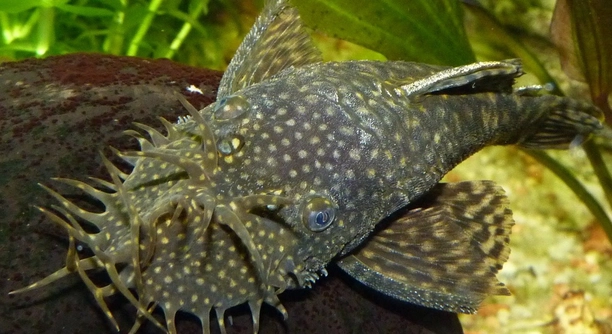
Do you ever find yourself wondering if your plecostomus can become more interactive, maybe even eat right from your hand?
Yes, plecostomus can be hand-fed, but it takes time, patience, and a peaceful environment. These fish are naturally shy and nocturnal, so encouraging them to trust human presence involves consistent care and gentle handling.
Understanding how to introduce hand feeding the right way can improve your pleco’s well-being and help you form a closer bond with this unique bottom-dweller.
Why Some Plecos Can Be Hand Fed
Plecostomus are known for being calm and quiet, often hiding during the day and becoming more active at night. While they are not naturally social with humans, some plecos can slowly get used to your presence, especially if they associate you with food. Younger plecos may adapt more easily than older ones, but each fish is different. It’s also important to make sure they feel safe—if there are loud noises, quick movements, or other fish competing for food, they may not come out. Feeding them by hand is possible, but it requires patience, a peaceful setup, and an understanding of their behavior. Start by offering food near them with clean hands and without sudden motion. Over time, you may be able to get closer. Some owners report success after several weeks of consistent effort. It’s a slow process, but with care, it’s something that can work.
Feeding them blanched vegetables like zucchini or cucumber can help, as they may be more willing to come closer for these foods.
Be consistent with your feeding times and keep your hand still. Over time, your pleco may begin to associate you with food and feel comfortable enough to approach.
Things to Know Before You Try
It’s important to know that not all plecos will respond the same way. Some may always remain shy, even after weeks of trying.
Before you start hand feeding, check the tank environment. Plecos need hiding spots like caves or driftwood to feel secure. If your tank is too bare, they may stay stressed and won’t come out, even for food. Keep the tank lighting low when feeding to match their nocturnal habits. Clean your hands well before placing them in the tank—residues from soap or lotion can be harmful. Use food they like and place it near their usual hiding spot first. After a while, slowly try placing the food closer to your fingers. If they ignore it, don’t force it. Avoid reaching in too fast or cornering them, as that can cause them to hide longer. It’s better to let them come to you. With a calm routine and a steady hand, you may be able to hand feed your pleco successfully, but always respect their boundaries.
How to Encourage Your Pleco to Eat from Your Hand
Start by offering food in the same spot at the same time each day. This helps your pleco build a routine and recognize when it’s time to eat. Keep movements slow and quiet so they don’t get startled.
Once your pleco is used to the routine, begin holding the food just above their usual feeding area. Blanched vegetables like zucchini, spinach, or green beans work well. Keep your fingers still and wait patiently. If your pleco doesn’t approach right away, that’s okay. Try again during the next feeding. After a few days, they might nibble from your fingers or stay near your hand while eating. This is a sign that they’re starting to feel more secure. Stay consistent and calm throughout the process. Avoid making direct eye contact with them, as it can feel threatening to a shy fish like the pleco.
If your pleco begins to eat while your hand is still in the tank, try gently holding the food closer to them each day. Don’t rush or push the food toward them. Let them make the decision to approach. Always feed them after the tank lights have dimmed or in low light, as this matches their natural habits. Keep sessions short and avoid overfeeding. Watch for signs of stress, like hiding longer or ignoring food. If that happens, go back a step and allow more space. Keep track of what foods they respond to best. Some plecos prefer certain vegetables or algae wafers. Being patient and consistent gives you the best chance for success.
Mistakes to Avoid
Avoid hovering over the tank, tapping the glass, or making quick hand movements. These behaviors can stress your pleco and stop any progress you’ve made. Always move slowly and keep a calm environment during feeding time.
Overfeeding is a common mistake when trying to hand feed. If uneaten food sits too long in the tank, it can foul the water and stress your pleco. Only offer a small amount at a time and remove any leftovers after 20 to 30 minutes. Another mistake is trying too early. If your pleco has just been introduced to the tank or is still adjusting, hand feeding can feel like too much. Give them time to settle in before attempting it. Also, avoid using foods that fall apart easily, as this can cloud the water and make it harder for the fish to focus. Stick to solid, clean vegetables or stable wafers that stay intact.
How Long It Might Take
Some plecos may start responding in a few days, while others could take several weeks. It depends on their age, personality, and how comfortable they feel in their tank. Be patient and don’t rush the process.
Keep track of their reactions each day. Small progress, like staying out while you’re near the tank, means they’re slowly getting used to you. Consistency helps build trust over time.
What to Feed During Hand Training
Use sturdy foods that are easy to hold and won’t fall apart in the water. Blanched zucchini, cucumber slices, spinach, and algae wafers are great options. These foods hold their shape and are easy for your pleco to nibble on. Avoid soft or flaky foods that break apart quickly. Make sure the pieces are small enough for them to handle but big enough for you to hold without them slipping away. Wash any vegetables well and avoid adding anything with seasoning or oil. Start with a small amount and only offer more if your pleco shows interest.
Signs Your Pleco Is Ready
If your pleco stays near you during feeding time and doesn’t hide when you approach, it’s a good sign they’re getting comfortable.
FAQ
Can all plecos be hand-fed?
Not all plecos will become comfortable with hand feeding. Some species, especially those that are older or more skittish, might never adjust to the idea. The key is being patient and providing the right environment. Younger plecos tend to be more open to human interaction, while older ones may prefer to stay in their hiding spots. The process can vary depending on the individual fish’s temperament and the conditions in the tank. Creating a calm, stress-free environment and using the right foods will increase the likelihood of success.
How can I tell if my pleco is stressed during hand feeding?
Stress signs in plecos can be subtle. If your pleco starts to hide more often, swims erratically, or ignores food altogether, it may be feeling stressed. Other signs include rapid gill movement, refusal to eat, or the fish staying at the bottom of the tank for extended periods. If you notice these behaviors, it’s a good idea to step back from the hand-feeding process for a while. Allow the pleco to feel safe again before trying once more. Maintaining water quality and a consistent feeding routine is also important to keep stress levels low.
What is the best time of day to feed a pleco by hand?
Plecos are nocturnal creatures, which means they tend to be more active during the night. However, some plecos may become more comfortable eating in dim lighting during the day, especially if the tank has a peaceful atmosphere. Try feeding them in the evening or when the tank lights are turned off to mimic their natural feeding time. This can help your pleco feel more at ease while interacting with you. Over time, some plecos may adapt to daytime feeding if they feel safe and secure.
Is it safe to hand-feed a pleco regularly?
Yes, it can be safe to hand-feed your pleco regularly, as long as it doesn’t stress the fish. If your pleco shows signs of comfort and trust, feeding them by hand can become a regular part of their routine. However, it’s important not to overdo it. Avoid holding food in your hand for too long or feeding them excessively, as this can cause stress or water quality issues. Hand feeding should be a calm and controlled experience, ensuring that the pleco feels safe and doesn’t associate it with negative outcomes.
Can I use other foods besides vegetables to hand-feed a pleco?
Yes, you can hand-feed your pleco a variety of foods. While vegetables like zucchini, cucumber, and spinach are common choices, plecos also enjoy algae wafers and sinking pellets. Some owners offer live foods like bloodworms or brine shrimp occasionally, but these should only be used as treats. Offering a variety of foods helps ensure that your pleco gets a balanced diet, but it’s important not to feed them too much protein. Stick to small portions and remove any uneaten food to prevent water contamination.
How do I know when to stop hand feeding?
You should stop hand feeding if your pleco starts showing signs of stress or if they no longer seem interested in the food. If they start avoiding your hand or hiding more often, it may be a good idea to pause for a few days. Overfeeding can also be an issue, so stop if you notice leftover food lingering in the tank. Let your pleco dictate the pace. If they’re not comfortable, it’s important to respect that and try again later.
Do plecos need to be hand-fed to thrive?
Hand feeding isn’t necessary for a pleco to thrive. Plecos are bottom-feeders and are typically happy grazing on algae, detritus, and leftover food in the tank. However, hand feeding can be a great bonding experience and help you create a connection with your fish. It also allows you to monitor their food intake and ensure they’re getting enough nutrients. If you’re not able to hand-feed, don’t worry—your pleco can still live a healthy and happy life as long as you provide a balanced diet and proper tank conditions.
Can I train a pleco to eat from my hand if they’re older?
It’s more challenging to train an older pleco to eat from your hand, but it’s not impossible. Older plecos tend to be more set in their ways and may be less inclined to interact with humans. However, with patience and a calm environment, you can still try to hand-feed them. Start by offering food near their usual hiding spots and allow them to get used to your presence. Gradually move the food closer to your hand and continue to offer it consistently. It may take longer, but older plecos can still form a connection if they feel secure.
Why isn’t my pleco eating from my hand?
There could be a few reasons your pleco isn’t eating from your hand. First, they may still be adjusting to the tank environment and aren’t comfortable with you yet. Plecos are naturally shy and may prefer to hide instead of interacting. The food you’re offering may also not be appealing to them, or they may not be hungry. Make sure the food is the right size and type. If your pleco isn’t eating after several attempts, give them space and try again later. It’s important to move at their pace and respect their boundaries.
Final Thoughts
Hand-feeding a plecostomus is a rewarding experience, but it requires patience and understanding of their natural behavior. Plecos are generally shy fish, so it’s essential to respect their space and take things slow. They are nocturnal creatures and tend to be more active at night, which means they might not immediately respond to your attempts during the day. The key is consistency. Offering food at the same time each day, in the same spot, can help them feel secure and start building trust. If they don’t respond right away, don’t get discouraged. Every pleco is different, and some might take longer than others to feel comfortable eating from your hand.
It’s important to note that hand feeding is not a necessity for your pleco’s survival. These fish are bottom dwellers, and they’re capable of finding food on their own, especially if there is algae or leftover food in the tank. While hand feeding can be a fun way to bond with your pleco, it’s not essential for their health. What’s more important is ensuring they have a suitable environment with the proper food and hiding spots to make them feel safe. You don’t have to worry if your pleco doesn’t become accustomed to hand feeding. As long as they are eating and behaving normally, they’re likely just fine.
Lastly, be mindful of your pleco’s comfort. If they seem stressed or frightened by your attempts, it’s best to stop and give them some space. There’s no rush in the process, and pushing them too hard can result in them becoming more fearful. The most important part is that your pleco feels secure in their environment, whether or not they choose to eat from your hand. If you remain patient, consistent, and respectful of their needs, you’ll likely see success over time.

Hello,
If you enjoy the content that we create, please consider saying a "Thank You!" by leaving a tip.
Every little bit helps us continue crafting quality advice that supports the health, happiness, and well-being of pets around the world, for pets of all shapes, sizes, and species.
We really appreciate the kindness and support that you show us!