
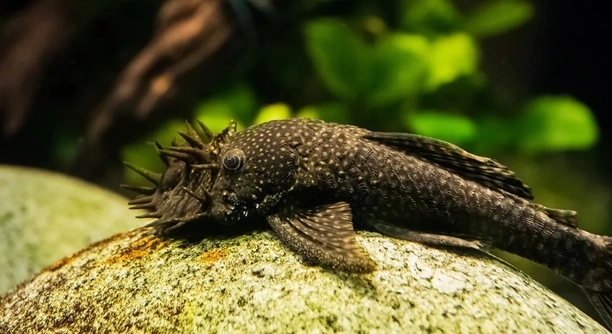
Plecostomus fish are popular aquarium dwellers known for their algae-eating habits and unique appearance. If you’re thinking about hand-feeding them, you may wonder if it’s a safe and effective practice for these bottom-dwelling creatures.
Although plecostomus fish are generally not known for hand-feeding, some species can be trained to accept food from their owner’s hands over time. This process requires patience, consistency, and a proper understanding of their feeding habits.
Learning how to feed your plecostomus by hand can improve the bond between you and your fish. Understanding their feeding habits and needs will make the experience more enjoyable for both of you.
How to Start Hand-Feeding a Plecostomus Fish
Hand-feeding a plecostomus fish may seem difficult, but with patience, it is possible. Plecos are not typically the type to interact with humans like other aquarium fish. However, many fish owners have successfully trained their plecos to take food directly from their hands. The first step is to ensure the pleco is comfortable in its environment and is familiar with you. Start by offering food near the substrate where they usually feed. Once they show interest, try offering it with your hand instead of a feeding tool.
It’s important to use a food item that your plecostomus enjoys. Many plecos will go for sinking pellets, algae wafers, or even vegetables like zucchini and cucumber.
Over time, gradually move your hand closer to the pleco as it eats. Don’t rush the process. Plecos can be shy, so it’s important not to startle them. The key is consistency and allowing the fish to feel safe as it gets used to your presence.
What Type of Food to Offer?
Choosing the right food for hand-feeding is crucial. Plecos need a diet rich in fiber, and foods like algae wafers or blanched vegetables are perfect. Be sure to offer fresh foods for the best results.
Plecos are bottom feeders, so they typically enjoy sinking foods that stay at the bottom of the tank. Offering them food while they are in their usual feeding spots will help them associate your hand with food. Offering them a variety of foods will also keep them interested and help improve the chance they will accept food from your hand.
Patience is Key
Hand-feeding a plecostomus takes time. If your pleco doesn’t take the food immediately, don’t be discouraged. It might take days or even weeks for your pleco to get comfortable with your hand near it. The important part is to stay consistent and give the fish space to adjust at its own pace.
Plecos are naturally shy and cautious, so they may avoid your hand at first. You can try feeding them at the same time every day to help establish a routine. Over time, they will learn to trust your hand and recognize it as a source of food. The process requires steady patience, and you might need to repeat this several times before the pleco will take the food directly from your fingers.
Remember that plecos have different temperaments. Some might take longer than others, and some may never get comfortable with hand-feeding. However, with consistency, most plecos can eventually learn to trust you and feed from your hand.
Avoiding Overfeeding
Overfeeding plecos can cause health issues. It’s tempting to offer them more food when you see them not eating from your hand right away, but this can lead to excess waste and water quality problems. Only offer as much food as they can consume in a few hours.
You’ll want to keep track of how much food is left after each feeding. If there’s leftover food, reduce the amount you’re offering. Plecos are efficient eaters and don’t need large quantities. Stick to small portions and observe if your pleco starts to feed more regularly. Reducing food waste helps maintain a clean tank and prevents overfeeding.
It’s also important to monitor the size and type of food. Stick to sinking pellets or vegetables, as plecos are bottom feeders. This not only provides them with the right nutrients but also helps keep your aquarium clean by preventing floating food from disrupting the water surface.
Tank Environment Matters
The environment in which your pleco lives plays a significant role in its willingness to feed by hand. A calm, stable tank with minimal disturbances will help your pleco feel safe enough to approach you. Loud noises, sudden movements, or a crowded tank can stress them out.
Creating a peaceful setting involves keeping the water quality high and ensuring the pleco has enough hiding spots. Plecos, especially when young, prefer to have caves or decorations to hide in. These spots give them the security they need to feel comfortable during feeding time. When they feel safe, they’re more likely to approach your hand for food.
Signs of Trust
As your pleco starts to trust you, you’ll notice it becoming more curious. It may swim closer to the surface or the areas where you feed. This is a good sign that the fish is growing accustomed to your presence and is beginning to associate you with food.
Trust-building is a gradual process. When your pleco starts approaching you more often during feeding time, you can slowly introduce your hand closer. Over time, they may begin to nibble food directly from your fingers, signaling they’re more comfortable with hand-feeding.
Fish-Specific Needs
Each pleco species has different needs when it comes to diet and care. Some plecos, like the common pleco, are large and may require more food to meet their nutritional needs. Others, such as the bristlenose pleco, are smaller and may need fewer food items. Tailor your feeding habits to suit the specific needs of your fish.
FAQ
Can all plecos be hand-fed?
Not all plecos are suited for hand-feeding. Some species are naturally more shy and less inclined to interact with humans. Species like the bristlenose pleco tend to be more curious and may be easier to train to accept food from your hand. However, more aggressive or elusive plecos, like the common pleco, might never be comfortable with hand-feeding. Each pleco has its own personality, so results can vary.
How long does it take for a pleco to start hand-feeding?
The time it takes for a pleco to begin hand-feeding depends on the individual fish and its level of comfort. For some plecos, it might take a few weeks of consistent feeding near your hand for them to feel safe enough to approach. Others may take longer. Patience and consistency are key.
What if my pleco doesn’t want to eat from my hand?
If your pleco isn’t eating from your hand, don’t force it. It might simply need more time to adjust. Try offering food in the same spot each day and gradually move your hand closer. Keep the environment calm and avoid stressing the fish. Some plecos may never hand-feed, and that’s okay.
How do I know if I’m overfeeding my pleco?
Overfeeding is a common issue when trying to hand-feed plecos. Signs of overfeeding include leftover food in the tank, poor water quality, and fish that appear bloated or lethargic. To prevent overfeeding, only offer a small amount of food at a time and observe if it is consumed within a few hours.
Can plecos eat too much algae?
Plecos are known for their algae-eating habits, but it’s important to remember that they need a balanced diet. While algae is a great food source, it shouldn’t be the only thing they eat. A varied diet, including sinking pellets, vegetables, and occasional protein sources, is necessary to keep your pleco healthy.
What type of food should I offer my pleco to encourage hand-feeding?
To encourage hand-feeding, offer foods that your pleco naturally enjoys, such as sinking pellets, algae wafers, or blanched vegetables like zucchini, cucumber, or spinach. Ensure that the food is fresh and appropriately sized for your pleco’s mouth. Offering a variety of foods will also keep the process interesting for your fish.
Should I offer my pleco food every day?
Yes, plecos should be fed daily, but the amount depends on their size and species. For adult plecos, feed them once a day. For smaller or younger plecos, two smaller feedings may be necessary. Always monitor how much food is consumed and avoid leaving uneaten food in the tank for too long.
Can plecos live on hand-fed food alone?
While hand-feeding can supplement a pleco’s diet, it shouldn’t be the only food source. Plecos need a well-rounded diet that includes algae, plant matter, and sometimes protein. Hand-feeding can be part of their daily routine, but make sure to offer other food types in the tank to meet all their nutritional needs.
Can I train my pleco to eat from my hand if it’s already an adult?
Yes, it’s still possible to train an adult pleco to eat from your hand, but it may take longer. Older plecos may be more set in their ways and less likely to change their feeding habits. Start by offering food near your hand and gradually increase the proximity. Some plecos may never fully adapt to hand-feeding, but it’s worth trying.
Is it safe to hand-feed a pleco every day?
Hand-feeding a pleco daily is generally safe, as long as you’re offering appropriate amounts of food and maintaining good water quality. Overfeeding can lead to water pollution and other health issues, so be mindful of how much food is consumed. Hand-feeding can help build a bond, but don’t rely on it as the sole feeding method.
Why does my pleco seem to ignore the food I offer by hand?
If your pleco is ignoring your hand-fed food, it may simply be taking longer to adjust. Some plecos are naturally shy and cautious. Another reason could be that they’re not hungry, as plecos often graze throughout the day. Keep offering food consistently, and try a variety of food types to see what catches its attention.
Can I feed my pleco only vegetables?
While vegetables are a healthy addition to your pleco’s diet, they should not be the only food offered. Plecos need a balance of plant matter, algae, and some protein. Offering vegetables like zucchini and spinach will provide necessary fiber, but include sinking pellets or algae wafers to ensure a complete diet.
What should I do if my pleco isn’t eating?
If your pleco isn’t eating, check the water quality and temperature first, as poor water conditions can cause appetite loss. Ensure there’s no stress in the tank, such as aggressive tank mates or excessive noise. Try offering a variety of foods and avoid overfeeding to maintain tank cleanliness. If the problem persists, consult an aquarium professional for advice.
Can plecos eat fruits like apples or bananas?
Fruits are not a natural part of a pleco’s diet and should be avoided. Offering fruits like apples or bananas can lead to digestive issues. Plecos thrive on plant-based foods, like blanched vegetables and algae, rather than sugary fruits. Stick to their natural diet for the best results.
Is it possible for plecos to overeat?
Yes, plecos can overeat if provided with excessive food. Overeating can cause digestive problems, obesity, and even poor water quality due to uneaten food. Offer small amounts at a time, and be mindful of your pleco’s size. Check for signs of bloating or lethargy, which may indicate overfeeding.
Can plecos eat shrimp or other protein sources?
Occasionally, plecos can eat protein-rich foods like shrimp, worms, or other small invertebrates. However, their primary diet should consist of plant matter, algae, and sinking pellets. Protein should be given in moderation and only as an occasional treat, as too much protein can cause digestive issues for plecos.
Why is my pleco not coming out to eat?
If your pleco is not coming out to eat, it could be stressed, sick, or uncomfortable with the environment. Check for signs of illness, such as abnormal behavior or skin issues. Ensure the tank conditions are stable, with proper water temperature and pH. If the problem persists, seek advice from an aquarium expert.
Final Thoughts
Hand-feeding a plecostomus fish is a rewarding experience, but it requires patience and consistency. Not all plecos will readily take food from your hand, and that’s okay. Each fish is different, and some might take longer to adjust than others. By providing a calm and comfortable environment, along with regular feeding times, you can help your pleco feel more at ease with the process. It’s important to respect the pace of the fish, as forcing the interaction can cause stress and push them away.
Remember that the key to successful hand-feeding is routine. Offer food at the same time every day, and keep your movements slow and calm to avoid startling your pleco. Over time, they will become more comfortable with your presence. It might take weeks or even longer for some plecos to approach your hand. The process can be slow, but persistence is what will lead to success. Make sure you’re offering the right food that plecos enjoy, such as sinking pellets, algae wafers, or vegetables like zucchini and cucumber.
Lastly, always ensure your pleco is well-fed and healthy. Hand-feeding shouldn’t replace their regular diet. It’s meant to be a supplement, a way to build trust, and a fun way to interact with your fish. Keep an eye on the water quality and avoid overfeeding, as this can cause problems in the tank. By maintaining a balanced diet and a healthy environment, your pleco will thrive, and you’ll be able to enjoy watching them grow comfortable with feeding from your hand. With time and patience, this can be a special way to bond with your aquatic pet.

Hello,
If you enjoy the content that we create, please consider saying a "Thank You!" by leaving a tip.
Every little bit helps us continue crafting quality advice that supports the health, happiness, and well-being of pets around the world, for pets of all shapes, sizes, and species.
We really appreciate the kindness and support that you show us!