
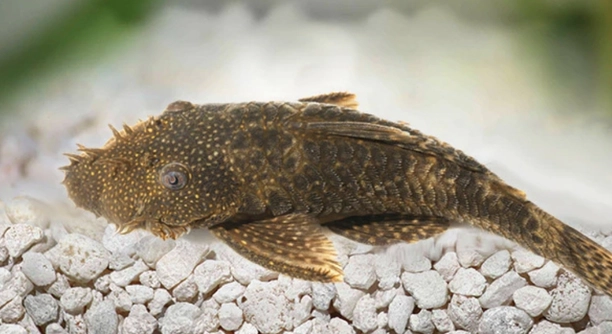
Feeding Plecos properly is essential for their health and well-being. Many fish owners wonder about the best ways to provide nutrition, especially when it comes to using frozen vegetables. Here’s what you should know.
Frozen vegetables can be a suitable food source for Plecos, as they retain many of their nutrients. However, it is crucial to ensure that the vegetables are thawed before feeding. Overfeeding and choosing the wrong types may lead to digestive issues.
Choosing the right frozen veggies for your Pleco and understanding portion sizes will ensure your fish thrives. There are simple steps to follow when feeding frozen vegetables, helping maintain your Pleco’s health and happiness.
Why Frozen Vegetables Are Good for Plecos
Frozen vegetables are a convenient and healthy option for feeding Plecos. They are rich in nutrients and can be easily stored. Plecos are herbivores, so they need a diet full of plant matter to thrive. Frozen vegetables like zucchini, spinach, and peas provide essential vitamins and minerals. These vegetables are typically blanched before freezing, which helps retain most of their nutritional value.
Thawing frozen vegetables before feeding is crucial. Serving them straight from the freezer could cause digestive issues for your Pleco. You should always thaw them in water and cut them into small pieces for easier consumption.
In addition to the benefits of convenience, frozen vegetables can offer a good variety in your Pleco’s diet. While fresh vegetables are great, frozen options can be stored longer without spoiling. Offering a mix of fresh and frozen vegetables ensures your Pleco receives a balanced diet.
Potential Issues with Frozen Veggies
Sometimes, feeding frozen vegetables to Plecos can cause minor issues. Overfeeding or offering the wrong vegetable type can disrupt their digestion. Make sure to monitor your Pleco’s behavior after feeding them frozen veggies.
Each Pleco is different, and some might not enjoy all vegetable types. You can try various options and see which one they prefer. Over time, you will find the right balance that keeps them healthy. Frozen vegetables are still an excellent choice, as long as you pay attention to your fish’s needs.
Best Frozen Vegetables for Plecos
Zucchini, spinach, and peas are popular options for Plecos. These vegetables are rich in fiber, which is important for digestion. They also provide the necessary vitamins for maintaining overall health.
Zucchini is a favorite because it’s soft and easy to eat. Simply cut it into thin slices or chunks for your Pleco to enjoy. Spinach is also a good choice but should be used in moderation. It’s high in nutrients but can be high in oxalates, which can be harmful in large amounts. Peas are another great vegetable as they are easy to digest and provide good fiber content.
Mixing different vegetables like zucchini and peas can help create a well-rounded diet. It’s important to vary the veggies to provide a balance of nutrients and avoid feeding the same type every time.
How to Prepare Frozen Veggies for Plecos
Thawing frozen vegetables properly is key to feeding Plecos. Never give them vegetables straight from the freezer. Instead, run them under warm water to defrost before serving. This makes them easier to digest and ensures they’re safe to eat.
Once thawed, cut the vegetables into small, manageable pieces. This will make it easier for your Pleco to consume and enjoy them. It’s also important to remove any excess water after thawing, as it can make the tank water dirty. Keeping the feeding process clean ensures a healthier environment for your Pleco.
Consistency is also important. Make sure to feed your Pleco at regular intervals, offering a balanced portion size. This ensures they get the nutrients they need while preventing overfeeding. A good feeding schedule promotes a healthy, happy Pleco.
How Often Should You Feed Plecos Frozen Veggies?
Feeding Plecos frozen vegetables should be done 2-3 times a week. Overfeeding can lead to excess waste and water quality issues in the tank.
A balanced schedule ensures your Pleco gets enough nutrients without overloading its system. The frequency of feeding should be adjusted based on their appetite and health.
Other Food Options for Plecos
In addition to frozen vegetables, Plecos benefit from a variety of other foods. Algae wafers are commonly used and provide essential nutrients. You can also include fresh vegetables, such as cucumber or lettuce. Offering a mix of food types supports their digestive system and overall well-being.
Avoiding Overfeeding Plecos
Overfeeding can lead to health issues like obesity or poor water quality. Always feed your Pleco in moderation, ensuring they finish the food within a few hours. Leftover food can quickly contaminate the tank, causing harm to both the fish and the water quality.
FAQ
Can Plecos eat frozen vegetables every day?
Feeding frozen vegetables to Plecos every day is not recommended. While they can enjoy them 2-3 times a week, a varied diet is essential for their health. Too much of any one food can lead to nutritional imbalances. It’s important to rotate between different foods to ensure they receive all the nutrients they need. If frozen vegetables are given daily, other food sources like algae wafers or fresh vegetables should be included in the mix.
What is the best way to thaw frozen vegetables for Plecos?
The best way to thaw frozen vegetables is to place them in a bowl of warm water. Allow them to defrost for a few minutes, then remove the excess water before feeding. Avoid using a microwave as it can cause the vegetables to lose nutrients and change texture. Thawing ensures the food is soft and safe for your Pleco to eat.
How long should frozen vegetables be left in the tank?
Frozen vegetables should be removed from the tank after about 4-6 hours. If the Pleco doesn’t finish the food, it can start to break down and contaminate the water. Keeping the tank clean by removing uneaten food prevents water quality issues and ensures a healthy environment for your fish.
Are there any vegetables that should be avoided?
Some vegetables should be avoided, like onions, garlic, and potatoes. These contain compounds that can harm Plecos. Additionally, avoid vegetables that are too hard or tough, such as raw carrots or certain root vegetables. Always ensure the vegetables are safe for your Pleco before offering them.
How do I know if my Pleco is eating enough?
If your Pleco is eating enough, you should see some growth and a healthy, active behavior. They will generally graze on the vegetables for a few hours. If they are not eating, it may be a sign of poor water quality, stress, or illness. Watch for signs like lethargy or weight loss, which could indicate they’re not getting enough nutrition.
Can Plecos eat cooked vegetables?
While Plecos can eat some cooked vegetables, it is better to feed them raw or frozen vegetables. Cooking vegetables changes their nutritional content, reducing some of the vitamins and minerals that Plecos need. If you must cook vegetables, lightly steam them to retain most of their nutrients. However, raw or frozen vegetables are usually the best choice.
Do Plecos need frozen vegetables if they have algae wafers?
Algae wafers provide a good source of nutrients for Plecos, but they should not be the only food source. Frozen vegetables are important because they offer different nutrients that algae wafers may lack. A well-rounded diet with both algae wafers and vegetables helps to maintain proper digestive health and a balanced nutrition profile for your Pleco.
Can Plecos eat too much zucchini?
Zucchini is a good vegetable for Plecos, but like any food, it should be fed in moderation. Too much zucchini can cause digestive issues and potentially lead to an imbalanced diet. Variety is key, so make sure to rotate zucchini with other vegetables like peas, spinach, and cucumber.
Are there any benefits to feeding Plecos frozen peas?
Frozen peas are an excellent choice for Plecos. They are high in fiber, which helps with digestion, and they are easy for Plecos to eat. Be sure to remove the skins from the peas before feeding them to prevent choking hazards. The peas help keep your Pleco’s digestive system in good condition.
What is the best time to feed Plecos frozen vegetables?
Plecos are nocturnal, so it’s best to feed them in the evening or at night when they are more active. This allows them to eat the vegetables in peace and helps avoid uneaten food sitting in the tank for too long. Feeding at night also prevents other tankmates from competing for the food.
How do frozen vegetables impact tank water quality?
Frozen vegetables can impact tank water quality if they are left uneaten for too long. The excess food will decompose, creating ammonia, nitrites, and nitrates in the water, which can harm your fish. Always remove any leftover vegetables after a few hours to keep the water clean and safe for your Pleco and other tank inhabitants.
Final Thoughts
Feeding Plecos frozen vegetables is a simple and effective way to provide them with essential nutrients. Vegetables like zucchini, peas, and spinach are great additions to their diet and offer a good source of fiber and vitamins. These nutrients are crucial for their health, particularly in aiding digestion and maintaining a balanced diet. Frozen vegetables are convenient and easy to store, making them an excellent choice for Pleco owners who want to feed their fish a variety of nutritious foods without worrying about spoilage.
However, it’s important to remember that variety is key to a Pleco’s diet. While frozen vegetables are beneficial, they should not be the only food offered. A balanced diet includes a mix of fresh vegetables, algae wafers, and other food sources to ensure your Pleco receives all the nutrients it needs. Overfeeding or feeding the same vegetable too often can lead to digestive issues or an imbalance in nutrition. By rotating the types of vegetables and foods, you can provide your Pleco with the best possible diet and help prevent any health concerns.
In conclusion, feeding frozen vegetables to your Pleco is a healthy, easy, and effective way to keep them well-fed and healthy. Just be sure to thaw the vegetables properly, remove any leftovers after a few hours, and offer a variety of foods. With a little care and attention, you can ensure your Pleco stays happy and healthy in its aquarium. A consistent feeding routine and a balanced diet will support your Pleco’s long-term health, keeping it active and thriving in its environment.

Hello,
If you enjoy the content that we create, please consider saying a "Thank You!" by leaving a tip.
Every little bit helps us continue crafting quality advice that supports the health, happiness, and well-being of pets around the world, for pets of all shapes, sizes, and species.
We really appreciate the kindness and support that you show us!