
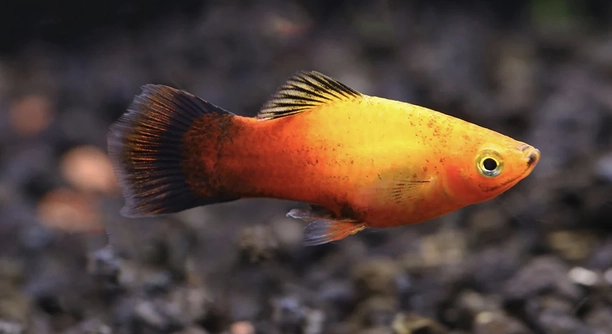
Platies are popular freshwater fish known for their bright colors and peaceful nature. Many fishkeepers enjoy watching them thrive in home aquariums. Feeding these small fish properly is key to keeping them healthy and active over time.
Feeding platies the same food daily is generally not recommended. A varied diet helps meet their nutritional needs, prevents deficiencies, and supports overall health. Relying on a single food type can lead to imbalances and potential health issues.
Understanding the right feeding routine can improve your platies’ well-being and longevity. This article explores how to provide a balanced diet that suits their needs.
Why Variety Matters in a Platy’s Diet
Platies need different nutrients to stay healthy, grow, and reproduce. Feeding them just one type of food every day can cause some nutrients to be missing. For example, flakes or pellets might provide some vitamins but lack certain proteins or fibers. Live or frozen foods like brine shrimp or bloodworms offer essential proteins and fats that flakes alone cannot supply. Vegetables such as spinach or zucchini can add fiber and nutrients, which help with digestion. Without this variety, platies may develop health problems or lose their vibrant color. Mixing foods helps mimic their natural diet in the wild, where they eat a range of plants, insects, and small creatures. This approach supports their immune system and encourages natural behaviors like foraging. A balanced diet with varied food sources keeps platies active, healthy, and visually striking in your tank.
A diet with a mix of dry, live, and vegetable foods is best for platies. Variety improves their health and vitality.
Offering different types of food daily or weekly ensures that platies receive all necessary nutrients. Regularly rotating food prevents boredom and encourages natural feeding behaviors. For example, you can feed flakes in the morning, then add live or frozen foods in the evening. Vegetables can be given a couple of times per week. This approach helps balance their intake of proteins, fats, and vitamins. It also reduces the risk of overfeeding any one type of food, which might cause digestive issues. Varied feeding supports their immune system and overall longevity, making them less prone to disease.
Risks of Feeding the Same Food Daily
Feeding platies only one type of food repeatedly can cause health concerns. Over time, the fish might not get enough of certain nutrients, leading to problems like weak immune systems, poor coloration, and slower growth. Some foods lack fiber, which is important for digestion. A lack of fiber can cause constipation or bloating. Monotonous diets may also reduce a fish’s interest in eating, which can cause malnutrition. Without variety, the tank environment can become unbalanced due to uneaten food decaying, which affects water quality. Poor water quality further stresses the fish, weakening their health. A diverse diet helps maintain both the fish’s health and a cleaner tank. Proper feeding practices include observing how your platies respond and adjusting food types as needed to keep them healthy and lively.
Introducing a range of foods minimizes health risks and keeps your tank cleaner.
Balancing a platy’s diet with multiple food types reduces health risks and promotes well-being. Watching your fish’s behavior and appearance helps guide adjustments to their feeding routine. By avoiding repetitive feeding, you support a cleaner aquarium environment and a healthier, more vibrant fish.
How Often Should You Feed Platies?
Platies should be fed small amounts two to three times daily. Overfeeding can harm their health and pollute the tank.
Feeding small portions helps prevent leftover food from decomposing and keeps the water clean. Platies have small stomachs, so they digest food quickly. Frequent feeding mimics their natural grazing behavior. Observing their eating habits allows adjusting the feeding amount to avoid waste. Too much food can cause obesity or poor water quality, leading to illness.
Feeding a varied diet across these sessions keeps platies interested and nourished. Live foods can be given once or twice a week to add protein and encourage natural hunting behavior. Vegetables should be introduced a few times weekly for fiber. This feeding routine promotes balanced nutrition and healthy digestion, supporting your platies’ overall vitality.
Choosing the Right Foods for Platies
Platies thrive on a mix of quality flake or pellet foods combined with live or frozen options like daphnia or brine shrimp. Including blanched vegetables such as spinach or zucchini adds fiber and essential nutrients. Avoid foods high in fillers or artificial colors, as they offer little nutritional value. Fresh, nutrient-rich foods keep platies active and colorful. A balanced diet should cover proteins, vitamins, and fibers to support growth and immune health. Changing the food types regularly helps maintain their interest and health. Observing how your fish respond will guide the best food choices.
Signs Your Platies Need Dietary Changes
Changes in appetite or activity can signal diet issues. Dull colors or sluggishness often indicate nutrient deficiencies.
Constipation or bloating may result from a lack of fiber. Observing these signs early helps prevent serious health problems and guides timely adjustments in feeding routines.
How to Introduce New Foods Safely
Introducing new foods gradually prevents stress or digestive upset. Start by mixing a small amount of the new food with their current diet. Increase the portion over several days while monitoring their reaction. If the fish show any signs of distress, reduce or pause the new food and try again later. Patience and observation ensure smooth transitions.
Foods to Avoid for Platies
Avoid feeding platies fatty, processed human foods, or anything treated with chemicals. Such foods can harm their health or pollute the tank. Stick to fish-safe foods formulated for their needs to keep them healthy.
FAQ
Can platies eat only flakes?
Platies can survive on flakes alone for a while, but it’s not ideal for their long-term health. Flakes usually don’t provide all the nutrients they need. Feeding only flakes can lead to vitamin and protein deficiencies, affecting their growth and color. It’s better to offer flakes as part of a varied diet that includes live or frozen foods and vegetables. This variety ensures platies get a balanced mix of proteins, vitamins, and fiber.
Is it okay to feed platies frozen foods every day?
Feeding frozen foods daily is generally safe if the foods are varied and nutritious. However, feeding the same frozen food every day might cause nutrient gaps. It’s best to alternate frozen foods like bloodworms, brine shrimp, or daphnia with flakes and fresh vegetables. Overfeeding frozen foods can also lead to water quality issues, so portion control is important. Rotate the types of food to provide a complete diet and keep platies healthy.
How much food should I give my platies?
Offer only as much food as your platies can eat in about two to three minutes, two to three times a day. Overfeeding causes leftover food to decay, harming water quality and fish health. Small, frequent feedings mimic their natural grazing and help digestion. Watching their behavior while eating will help you adjust the amount. If food remains after feeding, reduce the portion next time.
Can platies eat vegetables?
Yes, platies benefit from eating vegetables. Blanched spinach, zucchini, or peas provide fiber and essential vitamins. Vegetables aid digestion and prevent constipation. Introduce veggies two to three times a week, offering small, soft pieces that are easy to eat. Removing uneaten vegetables promptly prevents water pollution. Vegetables are an important part of a balanced diet and add variety to your platies’ meals.
Are live foods necessary for platies?
Live foods are not strictly necessary, but they offer great nutritional value and help encourage natural hunting behavior. Foods like brine shrimp or daphnia are rich in proteins and fats that promote growth and vitality. Using live foods occasionally adds excitement and variety to their diet. If live foods are not available, frozen or freeze-dried options can be good substitutes, provided they are from reliable sources.
What happens if I feed platies the same food every day?
Feeding the same food every day can cause nutritional imbalances and health problems. Platies might miss out on important vitamins or minerals. This can lead to weak immune systems, dull coloration, and slower growth. Monotonous diets may also reduce appetite and cause digestive issues like constipation. Variety in food helps maintain their health and interest in feeding.
Can platies eat human food?
Platies should not be fed human food, especially processed or seasoned items. Many human foods contain salt, spices, or additives harmful to fish. Feeding inappropriate foods can upset their digestion and poison the aquarium environment. Always stick to foods formulated for fish or natural foods safe for aquatic pets.
How do I know if my platies are getting enough nutrients?
Healthy platies are active, brightly colored, and have regular eating habits. If they are growing steadily and not showing signs of illness or lethargy, their diet is likely sufficient. Watch for changes like faded colors, loss of appetite, or unusual behavior, which may indicate dietary deficiencies. Regularly varying their food and including quality options helps ensure balanced nutrition.
Can I feed platies leftovers from other fish?
Feeding leftovers from other fish tanks can be risky unless the food is suitable for platies. Some foods may be too large, nutrient-poor, or contaminated. It’s safer to provide food specifically intended for platies. If you do use leftovers, ensure they are fresh, clean, and appropriate in size and content to avoid health risks.
How important is feeding schedule consistency for platies?
Consistency in feeding schedules helps maintain platies’ digestion and reduces stress. Regular feeding times train the fish to expect food and keep their metabolism steady. Irregular feeding can cause overeating or hunger, both of which harm health. Feeding small, balanced meals at the same times daily supports well-being and tank stability.
Platies are lively and colorful fish that bring life to any aquarium. Their health depends largely on what they eat. Providing a balanced and varied diet is essential for their well-being. Feeding them the same food every day may seem easy, but it often leads to missing important nutrients. By including a mix of flakes, live or frozen foods, and vegetables, you can help your platies stay healthy and active. Variety also keeps their interest in food high, which encourages proper eating habits and digestion.
Maintaining a feeding schedule with small, frequent meals is important for platies. Overfeeding or giving large amounts all at once can harm their digestion and water quality in the tank. Platies have small stomachs and need food in portions they can consume quickly. Watching their behavior during feeding helps you adjust the amount. Also, gradually introducing new foods prevents stress and digestive problems. Taking the time to understand their dietary needs will reward you with vibrant, thriving fish that brighten your aquarium.
Overall, caring for platies includes more than just feeding them regularly. It involves selecting the right foods, feeding the right amount, and paying attention to their health signals. Avoid feeding human food or processed items that might harm them. When you feed platies with care and variety, you support their immune system and improve their lifespan. This balanced approach ensures your platies stay energetic, colorful, and healthy for a long time in your tank.

Hello,
If you enjoy the content that we create, please consider saying a "Thank You!" by leaving a tip.
Every little bit helps us continue crafting quality advice that supports the health, happiness, and well-being of pets around the world, for pets of all shapes, sizes, and species.
We really appreciate the kindness and support that you show us!