
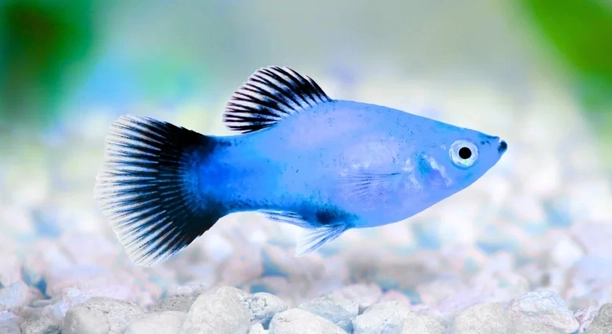
Platies are popular freshwater fish known for their bright colors and easy care. Many fish owners wonder about what foods are safe to offer beyond their usual fish flakes or pellets. Human food is often tempting to share, but its impact on platies needs careful thought.
Feeding platies human food is generally not recommended because many common foods can harm their health. Their digestive systems are delicate, and improper feeding may cause nutritional imbalances or illness. Specialized fish food remains the safest choice for their well-being.
Knowing which foods are safe and which to avoid can help keep your platies healthy and happy. Understanding the right feeding habits supports their growth and vibrant colors.
Why Human Food Can Be Harmful to Platies
Many human foods contain ingredients that are not suitable for platies. For example, salty, sugary, or fatty foods can disrupt their digestive system. Platies have specific nutritional needs that are best met by foods designed for them. Feeding them bread, chips, or leftovers may cause bloating, constipation, or even toxic reactions. Even fruits and vegetables, while natural, should be given cautiously and in small amounts because some can ferment or rot quickly in water. It’s important to remember that their small size and delicate stomachs make it difficult for them to process many human foods properly. Feeding the wrong items can lead to poor health or a weakened immune system. Proper nutrition is key to their active swimming and bright coloration. Choosing appropriate fish food ensures they get all necessary vitamins, minerals, and proteins in the right balance.
Avoiding human snacks helps protect your platies from unnecessary health risks.
Many fish keepers make the mistake of offering treats that seem harmless, but even small amounts can cause problems. It’s better to stick with proven fish foods and occasional safe vegetables like blanched peas or spinach.
Safe Alternatives for Treats
Platies enjoy live or frozen foods like brine shrimp and daphnia, which provide natural nutrients. Feeding these occasionally can boost their diet and activity.
Treating platies with safe food options supports their health without risking their well-being. Many live foods offer proteins and fats closer to their natural diet, unlike processed human foods. Vegetables such as zucchini or cucumber, lightly cooked or blanched, can also be given in tiny amounts. These options provide fiber and vitamins while minimizing digestive stress. Avoid giving citrus fruits or anything high in acid. Offering variety keeps your fish interested and thriving. Watching your platies accept and enjoy these safe treats adds enjoyment to caring for them, knowing they’re eating well and staying healthy.
Careful feeding choices help maintain a balanced, vibrant aquarium environment for your platies.
Common Human Foods to Avoid
Many common human foods are unsafe for platies. Foods high in salt, sugar, or fat can cause health problems. Avoid bread, chips, dairy, and processed snacks. Also, avoid onions, garlic, and citrus fruits, which can be toxic to fish.
Certain human foods can damage platies’ digestive systems or lead to poisoning. Bread and chips can swell inside their stomachs, causing discomfort or blockages. Dairy products are not digestible for fish and can pollute the tank water. Onions and garlic contain substances harmful to fish gills and organs. Citrus fruits increase water acidity, stressing your platies. Even small amounts of these foods can have serious consequences, so it is safest not to feed them any human food beyond carefully chosen safe vegetables or live foods.
Keeping these foods away from your platies protects them from illness and helps maintain a clean, healthy aquarium environment. It’s important to remember that what seems harmless to us can be very harmful to fish.
Signs Your Platies Are Unhealthy from Food
Changes in behavior or appearance often indicate feeding problems. Look for bloating, lethargy, or loss of color. Watch for unusual swimming or refusal to eat.
Poor diet can cause visible symptoms in platies. Bloating or swollen bellies often mean constipation or internal gas, usually from inappropriate food. Lethargy and reduced movement can signal discomfort or illness. A faded or dull color shows stress or poor nutrition. If a platy avoids food or spits it out, the diet may be unsuitable. Early detection of these signs helps prevent severe health problems and allows for prompt diet adjustment.
Observing your platies regularly helps keep them healthy and happy. Small changes can be a warning to change their feeding routine before serious issues develop.
How Often to Feed Platies
Feeding platies small amounts twice a day works best. Overfeeding can harm their health and water quality. It’s important to only give what they can eat in a few minutes.
Too much food leads to leftover waste, which pollutes the tank. Uneaten food decomposes and can cause harmful bacteria to grow. This affects water clarity and can stress or sicken your fish. Proper portion control keeps your aquarium clean and your platies healthy.
Preparing Safe Human Foods for Platies
Vegetables should be washed, peeled, and blanched before feeding. This makes them easier to digest and reduces bacteria. Remove any uneaten pieces quickly to avoid water issues.
Blanching softens the vegetables and helps prevent contamination. Some good options include peas, zucchini, and spinach. These provide extra nutrients without harming the fish. Offering small, prepared portions ensures your platies get treats without risking their environment.
Avoiding Toxic Ingredients
Never add seasoning, salt, or oil when preparing food for platies. These can be dangerous even in tiny amounts. Plain, natural food is always best.
FAQ
Can platies eat fruits like apples or bananas?
Platies can eat some fruits but only in very small amounts and rarely. Apples and bananas are high in sugar and can quickly pollute the water if uneaten. If you offer fruit, make sure to peel it and cut it into tiny pieces. Remove any leftover pieces right away. Fruits should not be a regular part of their diet because they do not provide the right nutrients and may cause digestive issues or water problems.
Is it okay to feed platies cooked human food?
Feeding cooked human food to platies is generally unsafe. Cooked food often contains oils, salt, or spices that can harm fish. Even plain cooked vegetables should be prepared without seasoning and only given in very small amounts. It’s best to avoid feeding them any cooked meat, rice, or pasta because their digestive systems cannot process these well, and it may cause illness or water contamination.
Can platies eat bread or cereal?
Bread and cereal are not good for platies. They can expand in the fish’s stomach and cause bloating or constipation. These foods also break down quickly in the tank, polluting the water. It is best to avoid feeding any bread, cereal, or processed grain products to platies altogether.
Are live foods better than human food for platies?
Yes, live foods like brine shrimp, daphnia, and bloodworms are much better for platies than human food. These live foods provide essential proteins and nutrients close to what platies eat in the wild. They also encourage natural hunting behaviors, which keep fish active and healthy. Live foods should be given as occasional treats to add variety, but they should not replace a balanced fish food diet.
How can I tell if my platy is sick from improper food?
Watch for signs like bloating, faded color, slow movement, or loss of appetite. Sudden changes in behavior or appearance often point to health problems related to diet. If you notice these signs, stop feeding any human food and return to a proper fish diet. Cleaning the tank and testing water quality also help. If symptoms continue, consulting an expert or vet is recommended.
Can platies eat vegetables like peas or spinach?
Yes, platies can safely eat small amounts of vegetables such as peas and spinach. It’s important to blanch these vegetables first to soften them and remove bacteria. Remove any uneaten pieces quickly to prevent water issues. These vegetables add fiber and nutrients to their diet and can be given occasionally as treats.
How much human food can I feed my platies?
Human food should be given very rarely and only in tiny portions, if at all. Even small amounts can cause water pollution or digestive problems. It’s best to stick with fish food and safe live or vegetable treats to meet their nutritional needs.
What happens if I accidentally feed my platy something harmful?
If you accidentally feed harmful food, watch your fish closely for any signs of distress. Perform a partial water change to help keep the environment clean. Remove any leftover food and improve feeding habits going forward. If the fish shows serious symptoms like extreme lethargy or bloating, seek advice from a professional.
Can platies eat leftovers from my plate?
Leftovers from your plate are not suitable for platies. They often contain seasonings, oils, and ingredients that fish cannot digest. Feeding leftovers can introduce harmful bacteria and cause water pollution. Stick to foods designed for fish or safe vegetables and live foods.
Why is specialized fish food important?
Specialized fish food is formulated to meet the exact nutritional needs of platies. It contains the right balance of proteins, fats, vitamins, and minerals. This food helps support their growth, color, and overall health. Feeding only human food or random treats risks malnutrition and illness, so fish food should always be the main diet.
Are there any safe human snacks for platies?
Safe human snacks are limited to certain blanched vegetables like peas or zucchini. Even these should be offered in small amounts and prepared properly. Avoid any processed or seasoned foods. When in doubt, it’s better not to feed human snacks to platies at all.
How does human food affect water quality?
Human food often breaks down quickly in aquarium water, producing waste and harmful bacteria. This lowers water quality, stresses fish, and can lead to illness. Overfeeding or feeding inappropriate foods increases ammonia and nitrate levels, making the tank unsafe. Keeping food appropriate and feeding the right amount maintains healthy water conditions for your platies.
Feeding platies the right food is important for their health and happiness. While it might seem tempting to share bits of human food with them, most common snacks and leftovers are not safe. Platies have sensitive digestive systems that require balanced nutrition. Human foods often contain salt, sugar, oils, or spices that can harm them. Feeding unsuitable foods can cause bloating, illness, or stress. Instead, it is best to provide them with food made specifically for fish. These foods are designed to meet their dietary needs and keep them vibrant and active.
Occasionally, you can offer platies small amounts of safe treats like blanched vegetables or live foods such as brine shrimp or daphnia. These additions can add variety and extra nutrients to their diet, but they should not replace their regular fish food. It’s important to prepare vegetables properly—washing, peeling, and blanching them to avoid adding harmful bacteria to the tank. Always remove any uneaten food quickly to keep the water clean. Overfeeding or offering the wrong kinds of food can pollute the tank and make the environment unhealthy for your fish.
Taking care of your platies means paying attention to what they eat and how often you feed them. Feeding small portions twice a day is usually enough. Observing your fish’s behavior and appearance helps you spot early signs of problems. If your platy looks bloated, swims strangely, or loses color, it might be related to diet. Keeping their environment clean and sticking to a safe feeding routine will help your platies live longer and stay healthy. Feeding them the right foods shows care and helps create a happy, thriving aquarium.

Hello,
If you enjoy the content that we create, please consider saying a "Thank You!" by leaving a tip.
Every little bit helps us continue crafting quality advice that supports the health, happiness, and well-being of pets around the world, for pets of all shapes, sizes, and species.
We really appreciate the kindness and support that you show us!