
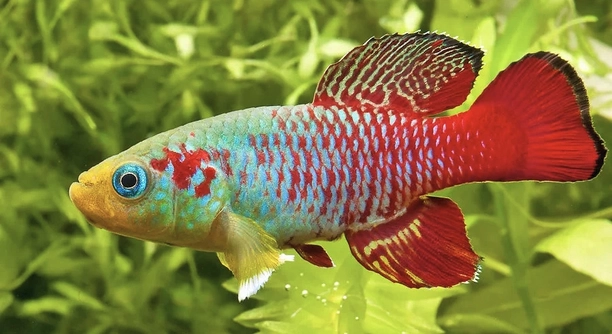
Have you ever looked at your Killifish’s food and wondered if freeze-dried options alone are enough to keep them healthy and active?
Feeding Killifish only freeze-dried food is not recommended. Although convenient, this type of food lacks essential moisture and can lead to digestive issues and nutritional gaps if not supplemented with other food sources.
Killifish need a balanced diet to thrive, and understanding their dietary needs will help you create a routine that keeps them in good health.
Why Freeze-Dried Food Isn’t Enough
Freeze-dried food is easy to store and feed, but it doesn’t provide everything your Killifish needs. These foods are often processed at high temperatures, which removes much of the natural moisture and can reduce nutrient quality. Killifish are used to hunting live prey in their natural habitat, and their digestive systems are adapted for moisture-rich, protein-heavy diets. Relying only on freeze-dried options can result in constipation, bloating, and even long-term organ stress. While freeze-dried bloodworms or daphnia can be useful as a treat or supplement, they shouldn’t be your fish’s sole food source. For a healthy and active Killifish, variety is essential.
Freeze-dried foods are better used alongside live or frozen options to ensure a more complete diet.
A diet with more moisture helps Killifish digest food easier and absorb nutrients better. Over time, this can mean fewer health issues and more consistent behavior and color.
What to Feed Instead
Live and frozen foods are more natural choices for Killifish.
Live foods like brine shrimp, mosquito larvae, and daphnia are excellent staples. These closely match what Killifish would eat in the wild. Frozen versions of the same foods can also be used if live options aren’t available. Frozen food still holds much of the original moisture and nutritional value. Offering a mix of these keeps your fish interested in feeding and promotes stronger colors and breeding behavior. It’s best to feed small amounts two times a day, removing any uneaten food after a few minutes. You can also rotate between live, frozen, and occasional freeze-dried treats. This balance helps maintain gut health and ensures your fish get a wider range of nutrients. If you’re unsure about sourcing live foods, many local pet stores or online shops carry them. Feeding your Killifish a varied diet doesn’t have to be complicated—it just takes a little planning.
Risks of a Freeze-Dried Only Diet
Feeding only freeze-dried food can make your Killifish sluggish and more prone to illness. Without enough moisture and variety, their immune system weakens, and they may become less active or lose their bright colors over time.
Freeze-dried food often lacks some of the enzymes and healthy fats found in live and frozen options. These nutrients are important for energy, digestion, and tissue repair. A diet that’s too dry can also cause constipation, which leads to swelling or reduced appetite. Over time, this type of diet can stress the fish’s internal organs, especially the liver and kidneys. This kind of internal strain usually doesn’t show right away but builds slowly and causes long-term issues. A fish that’s active, alert, and showing good color is usually a sign of proper nutrition, which freeze-dried food alone cannot support.
Even though freeze-dried food is marketed as a complete option, it doesn’t hold up over time. Fish kept on these diets might survive, but they rarely thrive. You may notice a change in behavior—less interest in food or slower movement. These are signs that something is missing. Providing a broader range of food doesn’t just help their health—it makes keeping them more rewarding. A healthy fish is more fun to observe and care for daily.
How to Balance Their Diet
A balanced diet can include live food in the morning and frozen food in the evening. You can use freeze-dried food once or twice a week as a treat. This routine gives your Killifish more complete nutrition while still being manageable.
Start by offering live brine shrimp or daphnia 3–4 times a week. These stimulate natural hunting behavior and help with digestion. On other days, you can feed frozen bloodworms or mosquito larvae. Just thaw the food before feeding to avoid shocking your fish with cold. Stick to small amounts—they should eat everything within 2–3 minutes. Overfeeding causes water quality problems, which can affect their health. Freeze-dried food can still be part of the plan, just not the main source. It’s handy when you’re short on time but should never replace more nutritious options. Adding occasional high-quality micro pellets can also help round out their intake, especially for vitamins and trace minerals.
Signs Your Killifish Needs a Better Diet
If your Killifish is hiding more than usual, moving slowly, or ignoring food, these may be early signs of poor nutrition. Faded colors and clamped fins also suggest they’re not getting what they need.
Bloating, difficulty swimming, or stringy waste can mean they’re struggling with digestion. This often happens with dry food alone.
How Often to Feed and Adjust
Adult Killifish do best with two small meals each day. Feed only what they can finish in a few minutes. Uneaten food should be removed quickly to avoid water issues. Younger fish may need more frequent feeding, especially if they are still growing. Watch your fish closely—if they eat eagerly and show good color, your schedule is working well. Adjusting how often you feed and rotating food types helps avoid boredom and keeps digestion smooth. It also helps you spot any issues early, like when a fish refuses to eat or shows sudden changes in behavior.
Simple Feeding Tools to Help
Using feeding tweezers, a small pipette, or a feeding ring makes it easier to control portions and avoid waste.
FAQ
Can Killifish survive on freeze-dried food alone?
Killifish can survive on freeze-dried food for a short time, but it’s not enough for their long-term health. Freeze-dried foods lack moisture and some essential nutrients needed for proper digestion and overall vitality. Without a balanced diet, Killifish may become weak, lose color, and face digestive problems.
What are the best live foods for Killifish?
The best live foods include brine shrimp, daphnia, mosquito larvae, and small bloodworms. These mimic what Killifish eat in the wild and provide natural moisture and nutrients. Feeding live foods stimulates hunting behavior and supports digestion better than dry options.
Can I use frozen foods instead of live?
Yes, frozen foods like bloodworms, brine shrimp, and daphnia are good alternatives if live food isn’t available. Frozen foods retain much of their nutritional value and moisture, making them better than freeze-dried alone. Just thaw the food before feeding to prevent temperature shock.
How often should I feed my Killifish?
Adult Killifish do well with two small feedings daily. Feed only what they can eat within a few minutes to avoid leftover food that can pollute the tank. Younger or growing Killifish may need more frequent feedings.
Is freeze-dried food harmful if given occasionally?
Freeze-dried food is safe when given as a treat or supplement. It can add variety but should never be the main diet. Occasional freeze-dried treats are good for training or special occasions but must be balanced with live or frozen foods.
How do I know if my Killifish is getting the right diet?
A healthy Killifish is active, shows bright colors, and eats eagerly. Watch for signs like clamped fins, faded color, bloating, or lethargy, which can mean dietary problems. Regularly switching up their food and monitoring their behavior helps keep their nutrition on track.
Can Killifish eat plant-based foods?
Killifish are primarily carnivores and need protein-rich diets. While they might nibble on algae or plants occasionally, plant-based foods don’t meet their nutritional needs. Stick to live, frozen, or high-quality protein pellets for the best results.
What should I do if my Killifish refuses live food?
If your Killifish won’t eat live food, try offering frozen options or soaking freeze-dried food in water to add moisture. Gradually introducing different food types can help them adjust. Sometimes fish take time to adapt, so patience is key.
Can overfeeding freeze-dried food harm Killifish?
Yes, overfeeding freeze-dried food can cause water pollution and digestive issues. Freeze-dried food absorbs water quickly and can swell inside the fish, causing blockages. Always feed small amounts and remove uneaten food quickly.
Are micro pellets a good addition to Killifish diets?
Micro pellets designed for carnivorous fish can be a helpful supplement. They often contain added vitamins and minerals that support overall health. Use them alongside live and frozen foods for a balanced diet.
How important is variety in a Killifish’s diet?
Variety is crucial. Feeding different food types ensures your Killifish get all the nutrients they need. It also keeps them interested in their meals and promotes natural behavior, helping them stay healthy and vibrant.
Feeding Killifish only freeze-dried food is not enough to keep them healthy in the long run. While freeze-dried options are convenient and easy to store, they miss important nutrients and moisture that Killifish need to thrive. These fish naturally eat live prey that provides protein, fats, and enzymes essential for good digestion and energy. Relying solely on freeze-dried food can lead to health problems like constipation, loss of color, and weakened immune systems. For Killifish to stay active and strong, their diet must include a variety of foods that better match their natural eating habits.
Including live or frozen foods in your Killifish’s diet helps provide the nutrients they lack in freeze-dried options. Live foods like brine shrimp, daphnia, or mosquito larvae offer moisture and nutrition that keep their digestive system working well. Frozen foods are also a good choice because they still contain much of the original nutrients and moisture. By rotating between live, frozen, and freeze-dried treats, you can make sure your Killifish get a balanced diet. This variety helps improve their color, activity levels, and overall health. It also makes feeding time more interesting for the fish.
It’s important to feed Killifish small amounts twice a day and to remove uneaten food quickly to keep the tank clean. Overfeeding, especially with freeze-dried food, can cause water quality issues and harm the fish. Watching your Killifish’s behavior and appearance will help you know if they are getting the right diet. Healthy fish are usually active, have bright colors, and eat eagerly. If you notice signs like fading colors, bloating, or sluggish movement, it may be time to adjust their food. A well-balanced diet, including live or frozen foods, is the best way to ensure your Killifish live a long, healthy life.

Hello,
If you enjoy the content that we create, please consider saying a "Thank You!" by leaving a tip.
Every little bit helps us continue crafting quality advice that supports the health, happiness, and well-being of pets around the world, for pets of all shapes, sizes, and species.
We really appreciate the kindness and support that you show us!