
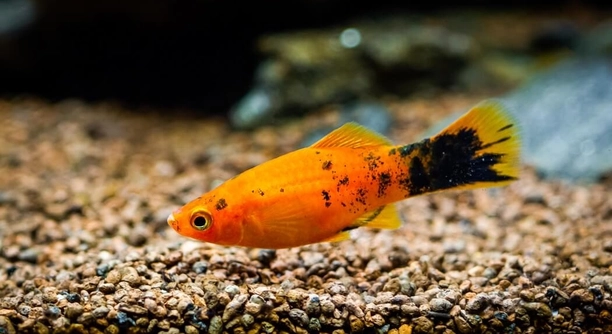
Many aquarium owners enjoy keeping platies for their bright colors and active nature. These small fish often show distinct behaviors, which can be interesting to watch over time. Understanding if their behavior can change is important for care.
Platy behavior can change over time due to factors such as environment, social interactions, and health. Adjustments in tank conditions or companions may influence their activity levels and temperament, making behavior modification possible but gradual.
Learning how to support positive changes can improve your platy’s well-being and make your aquarium more enjoyable to watch.
What Influences Platy Behavior?
Several factors affect how a platy acts in its environment. Water quality, tank size, and temperature all play important roles. Poor water conditions can stress fish, leading to unusual or aggressive behavior. A cramped tank limits movement and can cause territorial disputes. Social dynamics matter too; platies are social fish that do best in groups. Adding or removing tank mates may change their behavior. Health issues also impact activity—sick fish tend to hide or swim less. Diet is another factor: proper nutrition supports energy and normal actions. Changes in any of these areas can lead to gradual shifts in how a platy behaves.
Environmental adjustments often bring noticeable changes in behavior within days to weeks. Observing your fish regularly helps spot these differences early, allowing timely improvements.
Creating a stable, well-maintained environment is essential to encourage calm, natural behavior in platies. Keeping water clean, ensuring proper temperature, and maintaining a balanced social group help fish feel secure. When fish have enough space and compatible companions, they display more active and friendly behaviors. Regular feeding with quality food supports their health and vitality. Any sudden changes in behavior should prompt checking water parameters or health conditions. By understanding and managing these factors, you can support a positive change in your platy’s behavior over time.
Training and Interaction with Platies
Platies are responsive to their surroundings and can recognize feeding times. Regular, gentle interaction helps them become comfortable with your presence. Using consistent feeding routines and hand-feeding occasionally can encourage positive responses. Avoid sudden movements to prevent stress.
Though platies don’t learn complex tricks, they adapt to repeated stimuli and environment changes. Providing enrichment, like plants or hiding spots, reduces boredom and encourages natural behaviors. Changes in tank setup may cause temporary shifts but often improve overall activity. Patience is important, as behavior changes take time. Monitoring responses helps adjust care methods. Consistent care and environment stability are key to fostering calm and healthy fish behavior.
Signs of Behavioral Change in Platies
Behavioral changes in platies often include shifts in activity levels, appetite, or social interactions. A normally active fish may become lethargic or hide more frequently. Changes in swimming patterns or aggression toward tank mates are also common indicators of adjustment or stress.
Noticing subtle differences is important. If a platy becomes less responsive during feeding or isolates itself, this could signal discomfort or illness. Conversely, increased curiosity or interaction with tank mates can show improved comfort. Sudden changes often suggest environmental or health issues that need attention. Regular observation helps track these behaviors over time, enabling timely intervention.
Behavioral changes might also be gradual and linked to seasonal cycles or tank modifications. For example, adding new plants or rearranging decorations can make platies more active or cautious as they adapt. Providing a stable environment supports smoother transitions and healthier behaviors. When fish feel safe and well cared for, positive behavioral shifts become more apparent and lasting.
How to Encourage Positive Behavior
Consistency in tank conditions and care routines greatly influences platy behavior. Keeping water parameters stable and feeding on schedule helps fish feel secure. Regular maintenance and avoiding sudden changes reduce stress and promote calm activity. Providing enough space and compatible tank mates encourages social interaction.
Introducing enrichment, such as plants and hiding spots, offers stimulation and reduces boredom. Gentle interaction during feeding time builds trust and familiarity. Avoid overcrowding to prevent aggression. If behavior issues persist, checking water quality and health is essential. Encouraging positive behavior takes time and patience but results in a healthier, more vibrant aquarium environment.
Common Behavioral Issues
Aggression and hiding are common problems with platies. Aggression usually happens when there is overcrowding or lack of space. Hiding often means stress or poor water conditions. Both signs should be addressed quickly to maintain a healthy tank.
If aggression occurs, increasing tank size or separating aggressive fish helps. Improving water quality and adding hiding spots can reduce stress and hiding behavior.
The Role of Environment in Behavior
A well-maintained environment directly impacts platy behavior. Stable temperature, clean water, and sufficient space keep fish calm and active. Plants and decorations provide shelter and stimulate natural behaviors. Poor conditions cause stress and lead to negative behavior changes.
Impact of Diet on Behavior
A balanced diet supports healthy activity levels and reduces aggression. Poor nutrition can cause lethargy or irritability. Feeding varied, quality food is important for maintaining good behavior.
FAQ
Can platies really change their behavior over time?
Yes, platies can change their behavior gradually due to factors like environment, social groups, and health. Changes in water quality, tank size, or companions can influence their activity levels and temperament. These changes are usually slow and require patience to observe and support.
How long does it take for a platy’s behavior to change?
Behavioral changes typically occur over days or weeks. Adjustments in the tank environment or social structure need time for fish to adapt. Immediate shifts are rare, but regular care and observation help you notice progress sooner.
What are signs that a platy is stressed?
Signs include hiding more often, erratic swimming, loss of appetite, and color fading. Stress can come from poor water quality, overcrowding, or sudden changes in the tank. Addressing these issues quickly is important to prevent illness.
Can changing tank mates affect platy behavior?
Yes, introducing new fish or removing old ones can impact social dynamics. Platies are social and prefer compatible companions. Aggressive or incompatible tank mates cause stress and behavioral changes. Choosing peaceful, similar-sized fish helps maintain harmony.
Is it possible to train platies?
While platies do not learn tricks like some pets, they can adapt to routines. Regular feeding times and gentle hand-feeding encourage familiarity and reduce stress. They recognize repeated stimuli and may respond to your presence over time.
What environmental factors influence behavior the most?
Water quality, temperature, tank size, and hiding places are key factors. Stable conditions reduce stress and encourage natural behavior. Plants and decorations provide shelter and exploration opportunities, promoting activity and comfort.
How does diet affect platy behavior?
A balanced diet supports energy and reduces aggression or lethargy. Poor nutrition can lead to health problems and changes in behavior. Feeding varied, high-quality food helps maintain normal activity levels and vibrant coloration.
Can illness cause behavior changes in platies?
Yes, sick platies often become less active, lose appetite, or hide more. Illness can cause rapid behavioral shifts. Early detection through observation and prompt treatment is crucial for recovery.
What should I do if my platy becomes aggressive?
First, check tank size and population. Overcrowding often causes aggression. Adding hiding spots or separating aggressive fish can help. Maintaining good water quality and stable conditions also reduces stress-related aggression.
Are there behaviors that indicate happiness in platies?
Active swimming, regular feeding response, and peaceful social interactions suggest comfort. Bright colors and normal exploration of the tank indicate good health and well-being. When platies show these behaviors, they are generally happy and secure.
How can I encourage shy platies to be more active?
Provide plenty of hiding places to make them feel safe. Gradually introduce interaction by feeding near them. Keep a calm environment without sudden disturbances. Consistent routines help build their confidence over time.
Is it normal for platies to change behavior with age?
Yes, older platies may become less active or social. Aging can slow their movements and reduce interactions. Providing a comfortable environment and gentle care helps maintain their quality of life as they age.
Can temperature changes affect platy behavior?
Yes, platies prefer stable temperatures between 72°F and 78°F. Sudden or extreme temperature shifts stress fish and cause behavioral changes like hiding or lethargy. Using a reliable heater and monitoring the tank helps prevent these issues.
What role do tank decorations play in behavior?
Decorations offer shelter and reduce stress by providing safe spaces. They encourage natural behaviors like exploring and hiding. A well-decorated tank improves fish comfort and reduces aggression by breaking line-of-sight between fish.
How often should I observe my platies to notice behavior changes?
Daily observation is best for detecting subtle shifts. Watching their activity during feeding and rest times helps identify issues early. Keeping a simple journal can track progress and alert you to potential problems.
Can lighting affect platy behavior?
Lighting impacts activity levels and mood. Bright lights may cause stress or hiding if too intense. Moderate, consistent lighting mimics natural cycles and encourages healthy behavior. Providing shaded areas helps fish regulate their comfort.
What should I avoid to prevent negative behavior in platies?
Avoid overcrowding, sudden water changes, and incompatible tank mates. Poor water quality and inconsistent feeding schedules also cause stress. Minimizing disturbances and maintaining stable conditions support positive behavior.
Final thoughts on changing a platy’s behavior highlight the importance of patience and consistency. Platies are adaptable, but changes happen slowly and depend heavily on the environment and care they receive. Maintaining stable water conditions, a proper tank setup, and good nutrition creates the foundation for healthy behavior. Sudden shifts in the tank or poor water quality often cause stress, leading to negative behavior. By keeping conditions steady and monitoring fish regularly, owners can encourage positive adjustments in their platies’ activity and social habits over time.
It is also important to consider the social nature of platies. They generally thrive in groups with compatible tank mates. Adding or removing fish can affect their behavior, sometimes causing temporary aggression or hiding. Providing enough space and hiding spots helps reduce tension and encourages natural interactions. Regular feeding routines and gentle interaction help platies become more comfortable with their surroundings and owners. These small, consistent actions can gradually improve a platy’s behavior, making the aquarium a more peaceful and enjoyable environment.
Behavioral changes in platies should never be rushed or forced. It takes time for fish to adapt to new conditions or companions. Understanding their needs and paying close attention to signs of stress or illness is essential. Supporting their health through good water quality, balanced diet, and appropriate tank conditions leads to better behavior and overall well-being. With patience and proper care, platies can show positive changes, becoming more active, social, and responsive in the aquarium.

Hello,
If you enjoy the content that we create, please consider saying a "Thank You!" by leaving a tip.
Every little bit helps us continue crafting quality advice that supports the health, happiness, and well-being of pets around the world, for pets of all shapes, sizes, and species.
We really appreciate the kindness and support that you show us!