
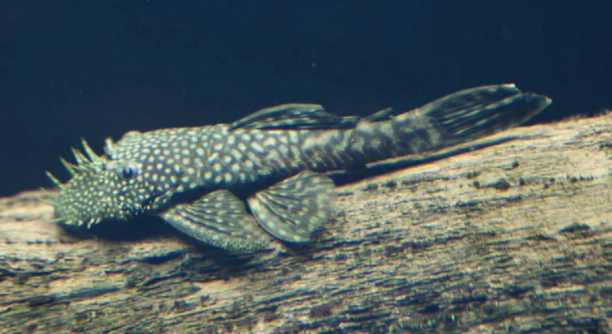
Plecos are fascinating fish with unique behaviors, and many aquarium enthusiasts wonder about breeding them. If you’re thinking about breeding plecos, it’s important to understand their needs and the environment that best supports them.
Breeding plecos without a separate tank can be challenging. While it is possible in some cases, it’s generally recommended to provide a separate tank to ensure the health and safety of both parents and offspring.
By creating the ideal breeding conditions, you can increase the chances of successful breeding. This article will cover the factors to consider when breeding plecos and how a separate tank can improve the outcome.
Plecos’ Breeding Needs
Plecos are unique fish that require a specific set of conditions for breeding. They naturally live in rivers and streams, where there are places to hide, and the water flow is consistent. These conditions are important because plecos breed in caves or sheltered areas, where they feel safe. For successful breeding, plecos need to be comfortable and stress-free. The water should be well-maintained with proper filtration, and the temperature needs to be stable. If the conditions aren’t ideal, plecos may not breed at all.
A separate tank is the best option to encourage successful breeding. It helps isolate the plecos from other fish and ensures they aren’t stressed by competition for space or food. Without this separation, they may not breed.
Additionally, breeding plecos requires certain water parameters like slightly warmer temperatures and clean, oxygen-rich water. If you try to breed them in a community tank, their natural instincts to hide might not be fulfilled, and the environment might not support their needs. A separate tank allows you to control everything and mimic their natural habitat better, making breeding much more likely.
Why a Separate Tank Helps
Breeding plecos in a separate tank provides a safer and more controlled environment for both the parents and the fry. In a community tank, other fish may interfere with the plecos, adding stress that could prevent successful breeding.
A separate tank offers advantages like being able to adjust the water flow and temperature to suit breeding. This also gives you the chance to monitor the plecos closely for signs of breeding behavior, like cave exploration and guarding. When the plecos feel secure, they are more likely to breed.
Another key benefit is reducing the risk of predation on the fry. In a separate tank, the fry have a better chance of growing up without being eaten by other fish. Since plecos tend to lay eggs in caves, keeping them in a separate tank also ensures the eggs stay protected from other tankmates. This makes raising the fry much easier and more successful.
Creating Ideal Water Conditions
Setting up the right water conditions is crucial when breeding plecos. They need warm, clean water with stable pH and hardness levels. The ideal temperature is usually between 75-80°F (24-27°C). If the water conditions aren’t just right, plecos may refuse to breed or the eggs may not hatch.
Make sure to maintain the tank with a good filtration system to prevent harmful waste from building up. Regular water changes are important, as they help keep the environment clean and the plecos healthy. Additionally, you’ll want to check the water parameters frequently. Testing the pH and hardness levels can help ensure that the water stays within the appropriate range. These small adjustments can go a long way in making the tank feel more like their natural environment, promoting breeding.
The Role of Diet in Breeding
Feeding plecos the right diet is essential for breeding success. A balanced diet with plenty of protein helps prepare them for reproduction. Foods like algae wafers, brine shrimp, and vegetables are good options.
Providing a nutrient-rich diet boosts their overall health and energy. Healthy plecos are more likely to breed successfully. It’s important to feed them several times a day in small amounts, avoiding overfeeding. This ensures they get the right nutrients without the risk of water pollution from uneaten food.
Adding Hiding Spaces
Plecos prefer to breed in hidden spots. Providing caves or other hiding areas is crucial for their breeding success. They need a place to feel safe and secure.
By adding caves or flat rocks, you give them the ideal spots to lay their eggs. The males will guard these areas, creating a safer environment for breeding. This also mimics their natural behavior, increasing the chances of successful breeding.
FAQ
Can plecos breed without a separate tank?
While it’s possible for plecos to breed in a community tank, it’s not ideal. Without a separate tank, plecos may face stress from other tankmates, which can disrupt their breeding behavior. Providing a separate, peaceful environment increases the chances of successful breeding. A separate tank also helps protect the fry from potential predators.
What should the water temperature be for breeding plecos?
The ideal water temperature for breeding plecos is between 75-80°F (24-27°C). If the water is too cold or too warm, it can affect their health and the likelihood of successful breeding. Maintaining a stable temperature is important for their comfort and reproductive success.
How long does it take for pleco eggs to hatch?
Pleco eggs typically take between 4 to 10 days to hatch, depending on the water temperature and conditions. Warmer temperatures can speed up the process, while cooler temperatures may delay hatching. It’s important to keep the tank conditions stable to ensure healthy fry.
How can I tell if my plecos are ready to breed?
When plecos are ready to breed, males often start to display nesting behaviors. They may find a cave or hiding spot to guard. You might also notice the males develop small white bumps (called odontodes) on their faces, which are used to attract females. Females are usually larger and rounder, showing signs of carrying eggs.
Do plecos need a specific type of tank setup to breed?
Yes, plecos need specific conditions to breed successfully. A separate tank with plenty of hiding spaces, such as caves or flat rocks, helps mimic their natural environment. You also need to make sure the water is clean and properly filtered, with the right temperature and pH.
Should I remove the pleco fry after they hatch?
Once the fry hatch, they are often left alone in the tank by the parents, who may guard them for a short period. However, in some cases, it’s a good idea to remove the fry after a few days to protect them from other fish. Keeping the fry in a separate, well-maintained tank can help ensure they grow strong and healthy.
How often do plecos breed?
Plecos don’t breed constantly. Typically, they will breed every few weeks or months, depending on their environment and health. Their breeding patterns may vary, but in ideal conditions, they can spawn multiple times a year. Regular water changes, good nutrition, and appropriate tank conditions can encourage more frequent breeding.
What should I do if my plecos are not breeding?
If your plecos aren’t breeding, it could be due to several factors. Ensure that the water temperature, pH, and hardness are within the ideal range. Also, check if the plecos have enough hiding spots and a proper diet. Stress, poor water conditions, or overcrowded tanks may be preventing breeding.
Can plecos breed with other fish species?
No, plecos can’t breed with other fish species. They can only breed with other plecos. The same species of plecos may mate and reproduce, but crossbreeding between different fish species is not possible. Each species of pleco has its own breeding behavior and preferences.
How do I encourage plecos to breed?
To encourage plecos to breed, maintain a separate tank with hiding spaces like caves. Adjust the water temperature to the ideal range, and ensure the plecos are well-fed with a balanced diet. Regular water changes and stable water conditions will also encourage them to breed.
Can I breed different types of plecos together?
Different types of plecos can breed together, but the resulting offspring may not be purebred. If you want to breed a specific type of pleco, it’s best to keep the species separate. Some plecos may also have different breeding preferences, so they might not successfully breed if kept together.
Final Thoughts
Breeding plecos without a separate tank is possible but not ideal. While it might seem like a simpler solution to breed them in a community tank, the chances of success are lower. Plecos need specific conditions to breed properly, including places to hide, a stable water temperature, and low stress. In a community tank, there’s a higher risk of disturbances from other fish, which can make plecos feel unsafe. By setting up a separate tank, you provide them with the peace and space they need to breed successfully.
A separate tank also gives you more control over the water conditions. Plecos are sensitive to changes in temperature, pH, and water quality. If you have a separate tank, you can easily adjust these conditions to match what plecos need for breeding. Water changes, filtration, and temperature control are all easier to manage in a smaller, more controlled space. With the right setup, you create an environment where plecos are more likely to breed and thrive.
While breeding plecos can be rewarding, it does require attention to detail. You need to monitor their health, diet, and tank conditions closely. A balanced diet with protein-rich foods is important to ensure they are healthy enough for breeding. By keeping the tank clean and providing hiding spots like caves, you make the breeding process smoother for both the plecos and their fry. If you’re committed to providing the right conditions, breeding plecos can be a satisfying experience, but it’s worth the extra effort to make sure everything is set up properly.

Hello,
If you enjoy the content that we create, please consider saying a "Thank You!" by leaving a tip.
Every little bit helps us continue crafting quality advice that supports the health, happiness, and well-being of pets around the world, for pets of all shapes, sizes, and species.
We really appreciate the kindness and support that you show us!