
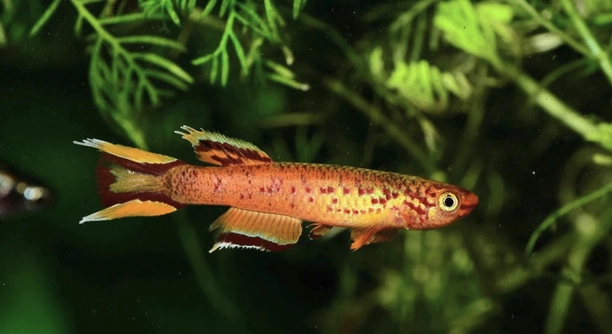
Have you ever tried keeping killifish at home but felt unsure whether your regular tap water could support their needs? Many beginner fishkeepers face this exact concern when setting up their tanks.
Killifish can be bred in tap water, but success depends on the specific water parameters and the species of killifish. Tap water should be treated to remove chlorine and adjusted for pH, hardness, and other conditions required by the fish.
Different species have different care needs, and using tap water correctly can make a big difference. Understanding what your water contains is the first step to keeping your killis healthy.
Understanding Tap Water and Killifish Needs
Tap water can vary a lot depending on where you live. Some regions have soft water, while others have high levels of minerals like calcium or magnesium. Killifish are a diverse group, and their needs depend on the species. Some prefer soft, acidic water, while others can tolerate harder, more alkaline conditions. Before breeding, it’s important to know what’s in your tap water. A water testing kit can help you check pH, hardness, and chlorine levels. If your tap water isn’t ideal, using conditioners or mixing with distilled water can help. It’s also important to let water sit for at least 24 hours or use a dechlorinator to remove harmful chemicals. Killifish eggs and fry can be especially sensitive, so maintaining steady and clean conditions is key. A little preparation with your water setup will make the breeding process smoother and help avoid unexpected losses.
Killifish are not too difficult to breed, but poor water conditions can reduce your chances of success.
Once your tap water is treated and stable, keeping it consistent is important. Sudden changes in pH or temperature can affect spawning and fry survival. Using a sponge filter and performing small, regular water changes helps maintain a healthy environment for the fish to breed and grow.
Common Mistakes and How to Avoid Them
Skipping water tests or conditioning steps often leads to problems when breeding killifish in tap water.
One common mistake is assuming all tap water is the same. Some areas add chloramines instead of chlorine, which are harder to remove. Using a standard dechlorinator may not be enough. Make sure to read product labels to find one that treats chloramines. Another mistake is not checking the hardness of the water. Killifish eggs are very sensitive, and some species will not hatch well in hard water. Always research the needs of the specific species you’re keeping. Also, avoid overfeeding, as leftover food can pollute the water quickly. This is especially risky in breeding tanks with delicate fry. It’s best to feed small amounts and clean up any uneaten food. Lastly, don’t make large water changes all at once. This can shock the fish. Instead, change small amounts more often, and always match the temperature of the new water to the old. Keeping these habits in mind can improve your breeding results.
Preparing Tap Water for Breeding
Before using tap water in your breeding tank, test for pH, general hardness (GH), carbonate hardness (KH), chlorine, and chloramine. Use a reliable water conditioner that treats both chlorine and chloramine to make the water safe for adult killifish and delicate fry.
After treating the water, let it sit overnight to reach room temperature. This helps prevent temperature shock during water changes. For species that prefer soft water, you can cut tap water with distilled or reverse osmosis (RO) water to adjust hardness. Monitor pH over several days to ensure it remains stable. Use natural buffers like Indian almond leaves or peat moss if you need to lower pH gently. Make sure your tank has good aeration, especially after conditioning the water. Letting the water circulate helps eliminate any lingering gases. Always store treated water in a clean container if you prepare it ahead of time.
During breeding, keep water quality consistent. Small, regular water changes work better than large, infrequent ones. Replace about 10–20% of the water every few days with conditioned water of the same temperature. Keep the tank free of waste and uneaten food. Stability in water conditions supports egg development and increases hatch rates. Avoid adding untreated tap water directly to the tank.
Creating the Right Breeding Setup
A clean, quiet tank with stable water conditions makes a big difference during breeding. Use a tight lid, as killifish are known jumpers. A sponge filter helps maintain gentle flow and keeps fry safe. Dim lighting and soft substrate can help the fish feel more comfortable.
Use spawning mops or fine-leaved plants to encourage egg laying. Floating mops are ideal for surface-spawning species, while bottom spawners prefer mops near the tank floor. Once eggs are laid, remove them to a separate container with treated water to prevent adult fish from eating them. Keep the egg container warm and stable. Most species hatch within two to three weeks, but some require a dry incubation period. Be sure to follow the specific breeding method for your species. When fry hatch, start feeding infusoria or vinegar eels before moving to baby brine shrimp. Clean the fry container gently, and avoid disturbing them with sudden water changes or strong flow.
Monitoring Water Conditions
Check your tank’s pH, temperature, and hardness every few days. Even small changes can affect breeding and fry survival. Use a thermometer, test strips, or liquid test kits to stay consistent. Keep records to spot patterns or issues early.
Look for signs of stress in your fish, like clamped fins, lack of appetite, or hiding. These may point to unstable water or other problems. Breeding won’t go well if the fish are uncomfortable or sick. Stable conditions support better spawning and healthier fry development.
Feeding During Breeding
Feed adult killifish high-protein foods like live or frozen bloodworms, brine shrimp, or daphnia to condition them for breeding. Avoid overfeeding, as uneaten food will foul the water quickly. Feed small portions once or twice a day, depending on your tank’s size and filtration. Healthy, well-fed fish are more likely to spawn regularly and produce viable eggs. Once the fry hatch, switch to tiny live foods, like infusoria or microworms, until they grow large enough for baby brine shrimp. Clean uneaten food from the tank daily. A clean tank with steady nutrition helps fry grow faster and stay healthy.
When to Use Bottled or RO Water
If your tap water is too hard, has unstable pH, or contains heavy metals, switching to RO or bottled water may be better. Always remineralize RO water to support fish health.
FAQ
Can I use untreated tap water directly for killifish breeding?
No, untreated tap water often contains chlorine, chloramines, or other chemicals harmful to killifish eggs and fry. Always use a water conditioner that removes these substances. Let the water sit at room temperature and test for pH and hardness before adding it to the tank.
What water parameters are best for breeding killifish in tap water?
Most killifish species prefer slightly acidic to neutral pH (6.0–7.5) and soft to moderately hard water. However, preferences vary by species. Testing your tap water and adjusting it with conditioners or mixing with distilled water helps reach ideal levels. Stable temperature around 22–26°C (72–79°F) is also important.
How often should I change water during breeding?
Small, frequent water changes of 10–20% every few days help maintain stable water quality. Large, sudden changes can stress the fish and reduce egg viability. Always use treated water that matches the tank temperature to avoid shock.
Can killifish fry survive in untreated tap water?
Killifish fry are very sensitive to chemicals in untreated tap water, especially chlorine and chloramines. These chemicals can kill fry or cause deformities. Use conditioned water, and keep the environment clean and stable for best survival rates.
What should I feed adult killifish during breeding?
High-protein foods like live or frozen bloodworms, daphnia, and brine shrimp improve breeding readiness. Avoid overfeeding to prevent water pollution. Healthy nutrition encourages more frequent and successful spawning.
How do I know if my tap water is too hard for killifish?
Use a water hardness test kit to measure general hardness (GH). If GH is above 12 dGH, it may be too hard for many killifish species. Mixing tap water with distilled or RO water can reduce hardness to suitable levels.
Is it necessary to use RO water for breeding all killifish?
Not always. Many killifish do well in properly treated tap water. RO water is useful when tap water is very hard, has unstable pH, or contains heavy metals. If used, RO water should be remineralized before adding fish.
How long does it take for killifish eggs to hatch?
Hatching times vary by species but usually range from 10 days to 3 weeks. Some species require dry incubation, while others hatch underwater. Research the specific species for accurate timing and care instructions.
Should I separate the eggs from adult killifish?
Yes. Adult killifish often eat their eggs. Removing eggs to a separate container with conditioned water improves survival rates. Use gentle aeration and stable conditions during incubation.
What are common signs that killifish are stressed by tap water conditions?
Signs include reduced activity, clamped fins, loss of appetite, and hiding. These indicate poor water quality or inappropriate parameters. Regular testing and water adjustments can help relieve stress.
Can I breed killifish in hard water if I condition it?
Conditioning hard water can help, but some species have strict requirements for soft water. It’s best to research your species’ preferences and adjust water accordingly. If unsure, mixing hard tap water with distilled water is a safe approach.
How important is temperature control in tap water breeding tanks?
Temperature affects breeding success and fry development. Keep the tank stable within the species’ preferred range, usually 22–26°C (72–79°F). Avoid sudden changes by using heaters or placing tanks away from drafts or direct sunlight.
What is the best way to remove chloramine from tap water?
Use a water conditioner designed to neutralize chloramine, as simple aeration or letting water sit won’t remove it effectively. Some conditioners break down chloramine into ammonia, so additional treatment or filtration may be needed.
Can I use tap water from a well for killifish breeding?
Well water varies greatly. It may contain minerals, metals, or contaminants harmful to fish. Test well water thoroughly before use and treat it as you would tap water. It often requires conditioning to be safe for breeding.
How do I keep fry healthy in tap water?
Maintain clean, stable water with gentle filtration and regular small water changes using treated water. Feed appropriate live foods like infusoria or microworms. Avoid overcrowding and monitor water parameters closely. Consistency is key to healthy fry development.
Breeding killifish in tap water is possible, but it requires careful attention to water quality and conditions. Not all tap water is the same, and its chemical makeup can vary widely depending on your location. This means that simply using tap water straight from the faucet may not give your killifish the environment they need to breed successfully. Testing your water and treating it properly with conditioners are important steps. These actions help remove harmful chemicals like chlorine and chloramines, which can damage delicate eggs and fry. Adjusting the pH and hardness to fit the specific species you are keeping also improves your chances of successful breeding. Preparing the water carefully shows respect for the fish’s natural needs and makes your efforts more rewarding.
Consistency is very important when breeding killifish. Sudden changes in water temperature, pH, or hardness can cause stress, which may stop spawning or harm the young fish. Using treated tap water and keeping parameters steady creates a safe space for the adults to lay eggs and for the fry to grow. Small, regular water changes and gentle filtration help keep the tank clean without disturbing the fish too much. The feeding routine also plays a role in breeding success; healthy adult killifish need a good diet of live or frozen foods to stay in breeding condition. Once the fry hatch, providing the right tiny foods and maintaining good water quality will help them develop well. Attention to these details reduces risks and helps your killifish thrive.
Even though breeding killifish in tap water may seem challenging at first, many hobbyists have done it successfully with patience and proper care. The key is learning about your tap water and making the right adjustments for your specific fish. Sometimes, mixing tap water with distilled or reverse osmosis water may be necessary to meet the needs of more sensitive species. Keeping eggs separate from adults and managing the tank environment carefully also supports better hatch rates and fry survival. While it takes some effort, the rewards of raising healthy killifish make it worthwhile. Being mindful of water quality and fish needs will increase your chances of success and create a more enjoyable breeding experience.

Hello,
If you enjoy the content that we create, please consider saying a "Thank You!" by leaving a tip.
Every little bit helps us continue crafting quality advice that supports the health, happiness, and well-being of pets around the world, for pets of all shapes, sizes, and species.
We really appreciate the kindness and support that you show us!